Weg en boerderij — History & Facts
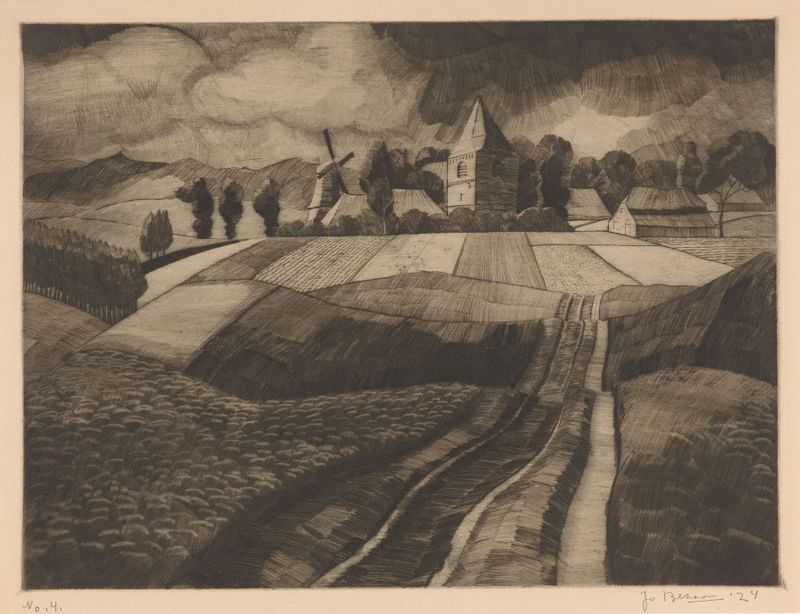
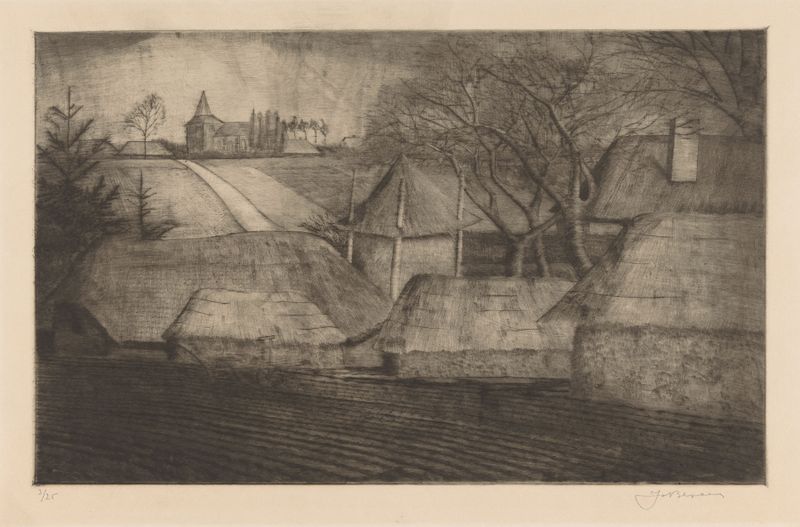
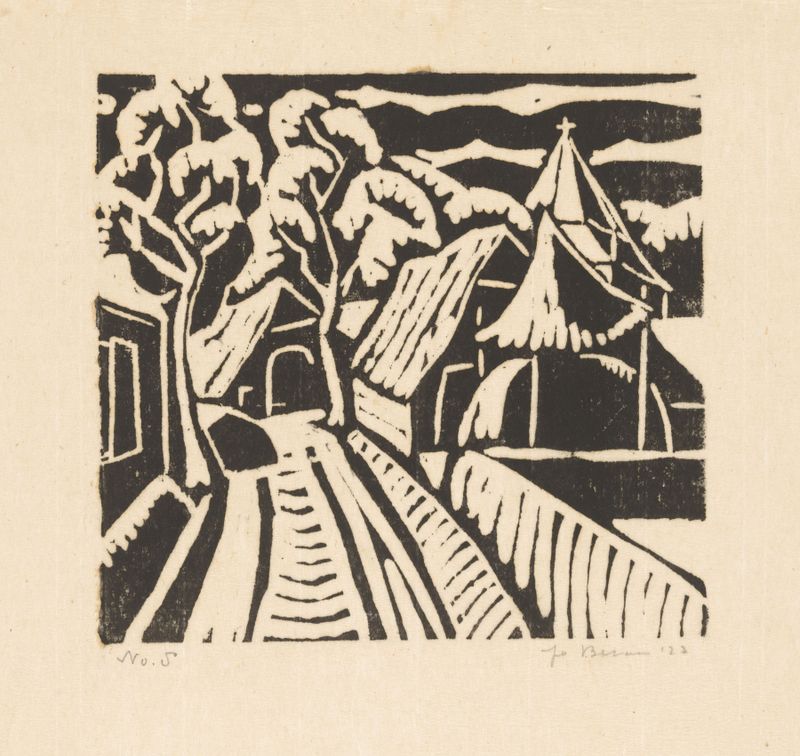
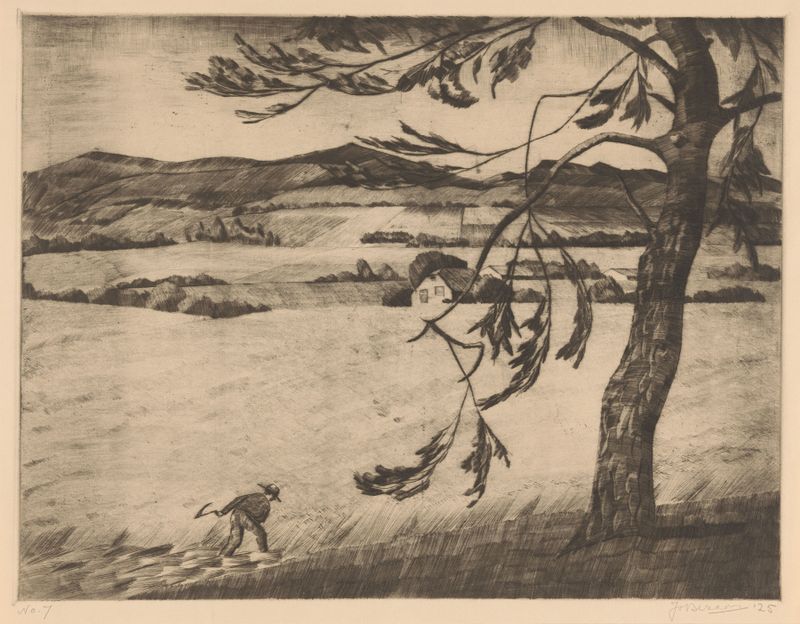
When did color learn to lie? In a world where nature paints itself with honest hues, Weg en boerderij challenges our perception of truth. Focus on the dramatic contrast between the vivid greens of the fields and the muted earthiness of the farmhouse. The winding path draws the eye into the scene, guiding the viewer through the landscape’s heart. Light dances across the canvas, illuminating patches of sunlight that caress the rolling hills while casting shadows that whisper of untold stories.
The brushwork is both deliberate and spontaneous, weaving a tapestry of spontaneity that invites contemplation. Delve into the emotional tension found in the juxtaposition of the idyllic setting against the solitary farmhouse. It suggests a narrative of isolation amidst beauty, where the serenity of nature belies the complexities of human existence. The vibrant colors—while inviting—hint at a deeper longing, a search for authenticity in a world where appearances can deceive.
Each element is laden with meaning, capturing the dichotomy of tranquility and solitude. In 1928, Jo Bezaan was navigating the evolving landscape of post-war Europe, where artists were beginning to explore new expressions in response to the tumult around them. He painted during a time of reflection, as traditional methods faced the burgeoning influences of modernism. Weg en boerderij emerges from this period, embodying both the pastoral ideal and the artist's unflinching gaze toward the realities of life.