
Drie aangemeerde zeilschepen — History & Facts
Where does light end, and longing begin? In the delicate interplay of shadow and illumination, one can feel the weight of solitude pressing against the canvas, whispering stories of those marooned by distance and time. Look closely at the left side of the painting, where the masts of three anchored sailing ships rise like solemn sentinels against a pale sky. Notice how the muted blues and grays of the water blend seamlessly with the soft, almost ethereal glow of the horizon. The interplay of light captures not only the physical forms of the vessels but also conveys an emotional landscape — one marked by stillness and a yearning echoing through the tranquil scene. As you explore deeper, consider the gentle ripples reflected in the water, contrasting the sturdy silhouettes of the ships.
This tension between the anchored vessels and the restless sea reflects a profound sense of longing, as if each ship is tethered not only to the shore but also to dreams of distant journeys never taken. The horizon, tantalizingly out of reach, embodies the desire for connection amidst the solitude of open waters. During the mid-17th century, Reinier Nooms was navigating the rise of Dutch maritime painting, capturing the essence of seafaring life in a world brimming with exploration. Created between 1650 and 1705, Drie aangemeerde zeilschepen reflects the artist's own experiences and observations amid an era of burgeoning trade and adventure, yet it also hints at the loneliness that comes with a life devoted to the sea — a poignant reminder of what it means to be both anchored and adrift.
More Artworks by Reinier Nooms
Browse all →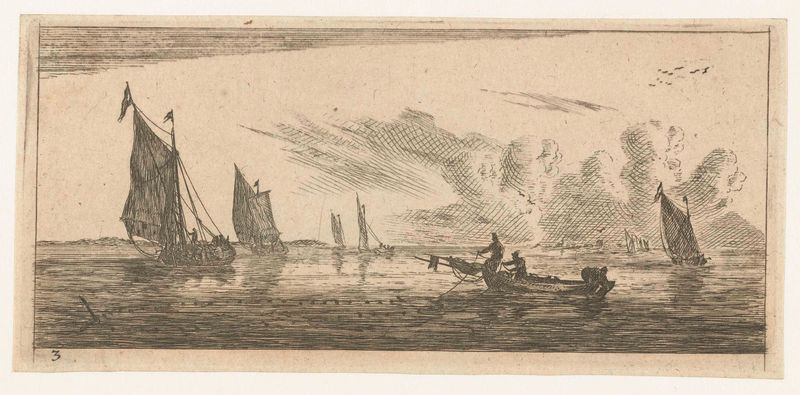
Zeegezicht met verschillende zeilschepen
Reinier Nooms
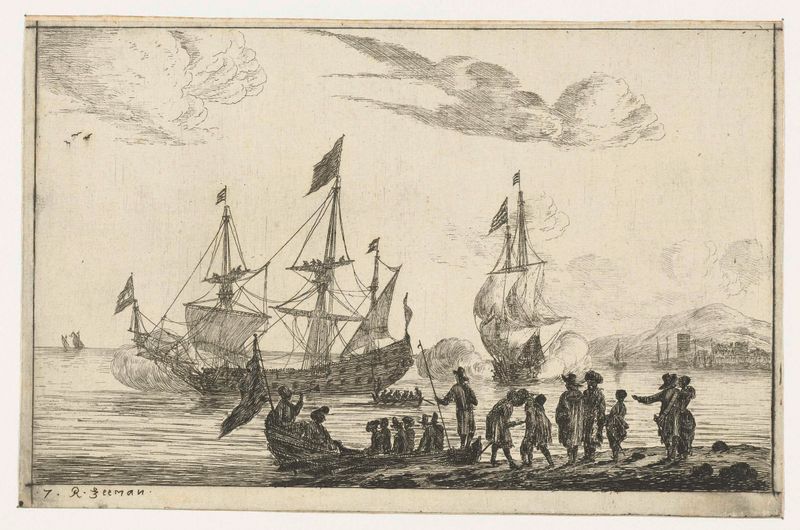
Havenscène met een spiegelsloep
Reinier Nooms
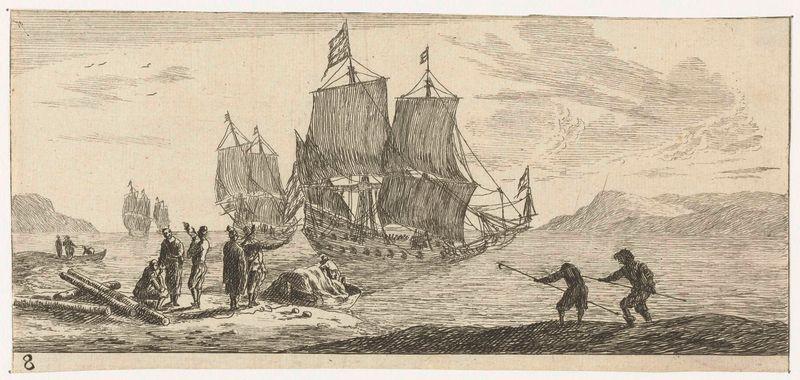
Vier grote zeilschepen in een baai
Reinier Nooms
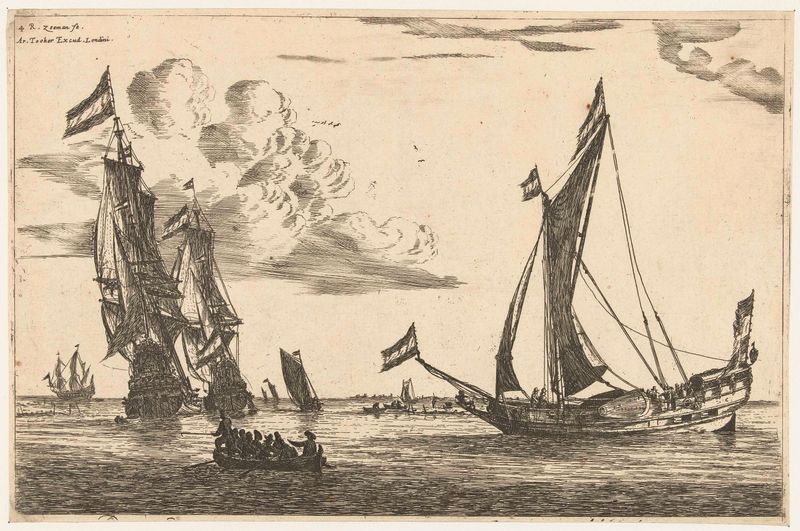
Twee oorlogsschepen en een jacht
Reinier Nooms
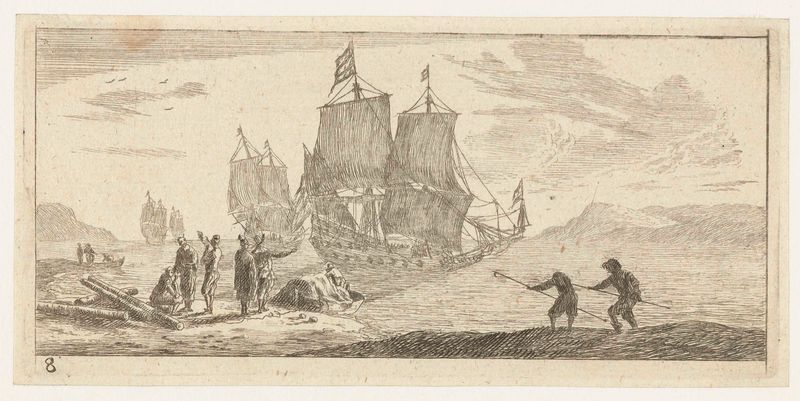
Vier grote zeilschepen in een baai
Reinier Nooms
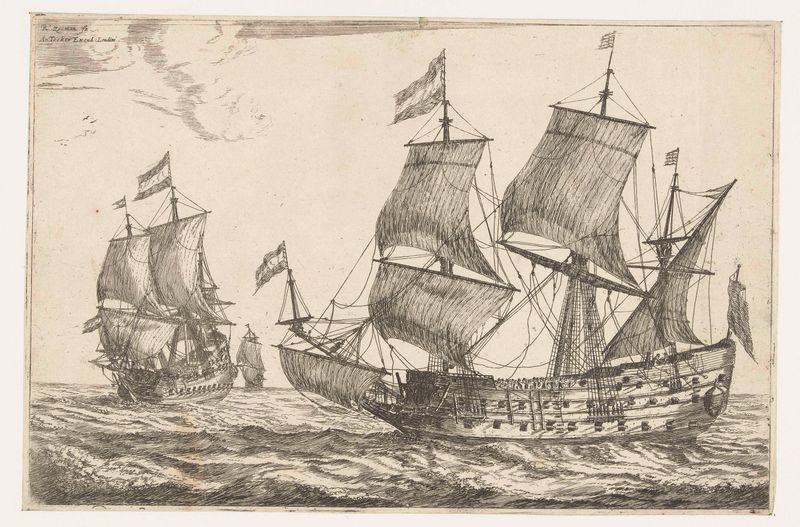
Twee grote oorlogsschepen
Reinier Nooms
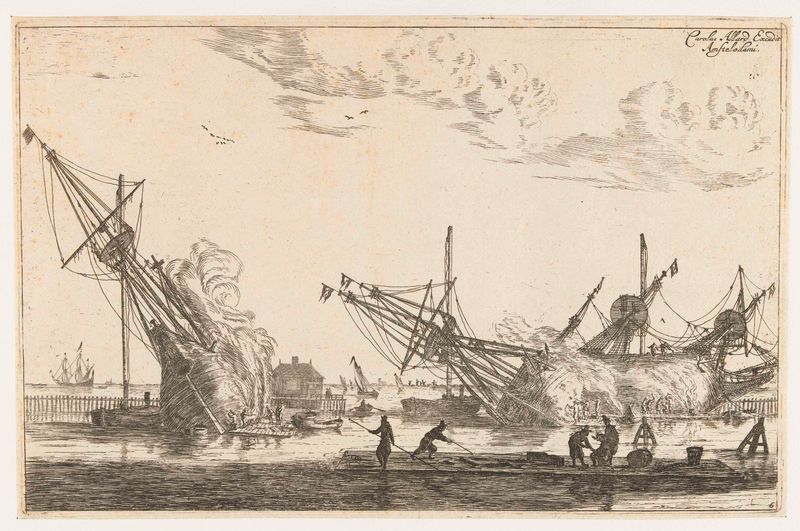
Waterdichtmaken van de rompen van drie fluitschepen
Reinier Nooms
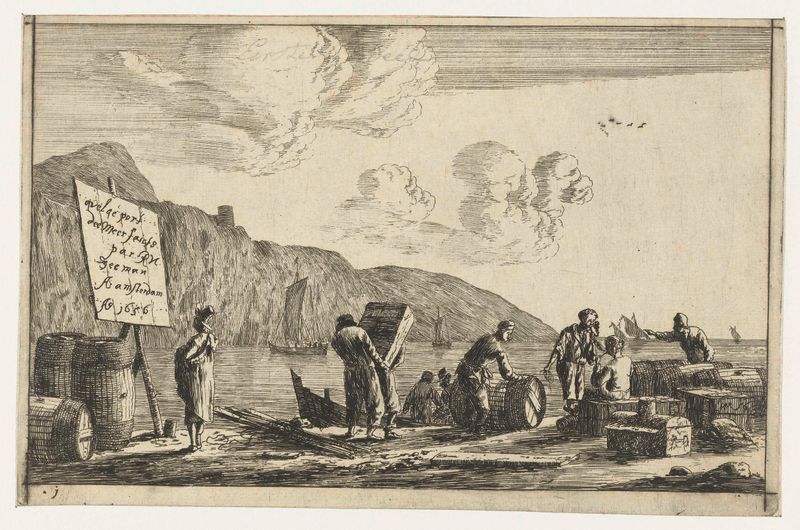
Zeelieden op een kade
Reinier Nooms
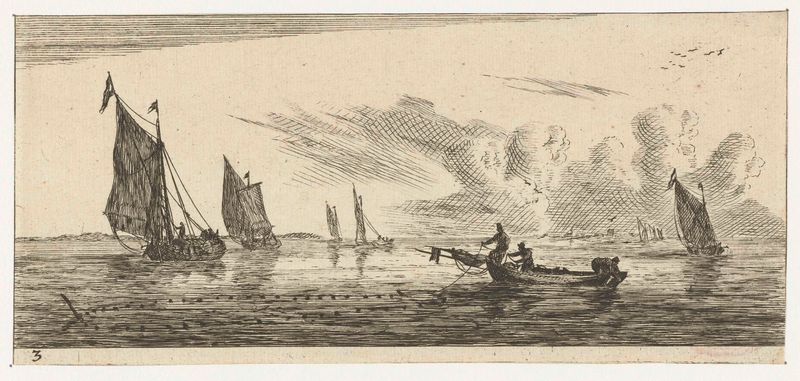
Zeegezicht met verschillende zeilschepen
Reinier Nooms
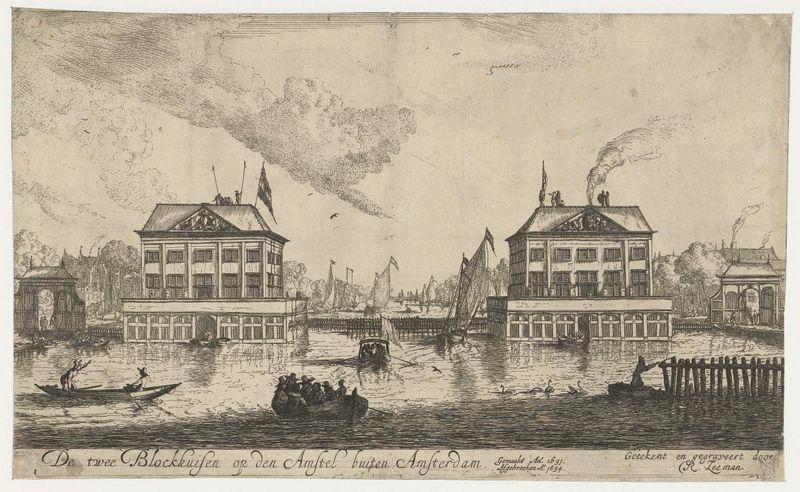
Gezicht op de twee Blokhuizen in de Amstel
Reinier Nooms





