Drie schetsen van een vogel — History & Facts
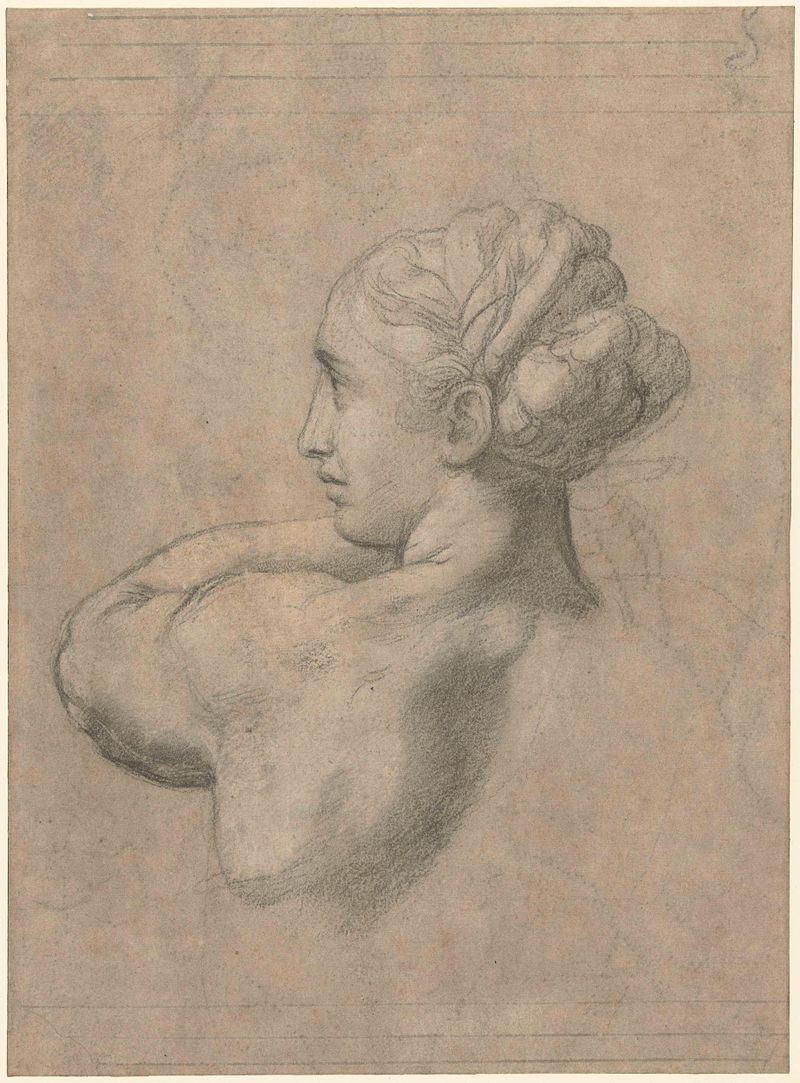
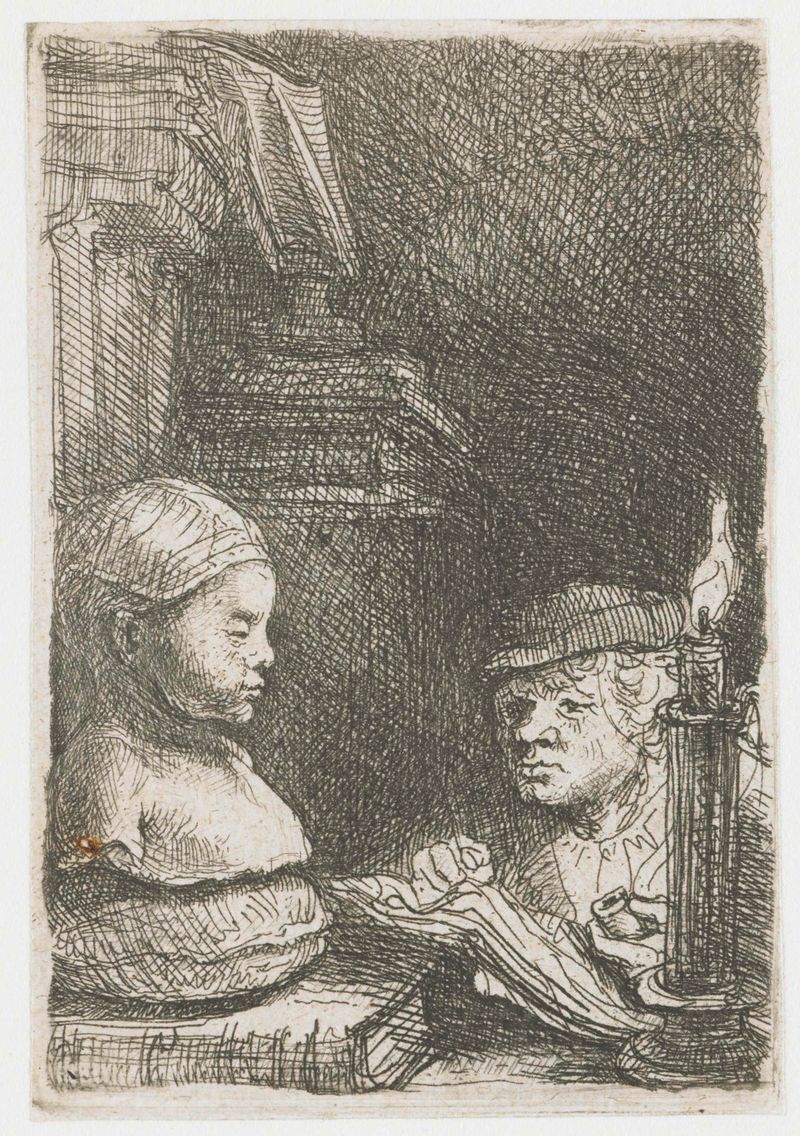
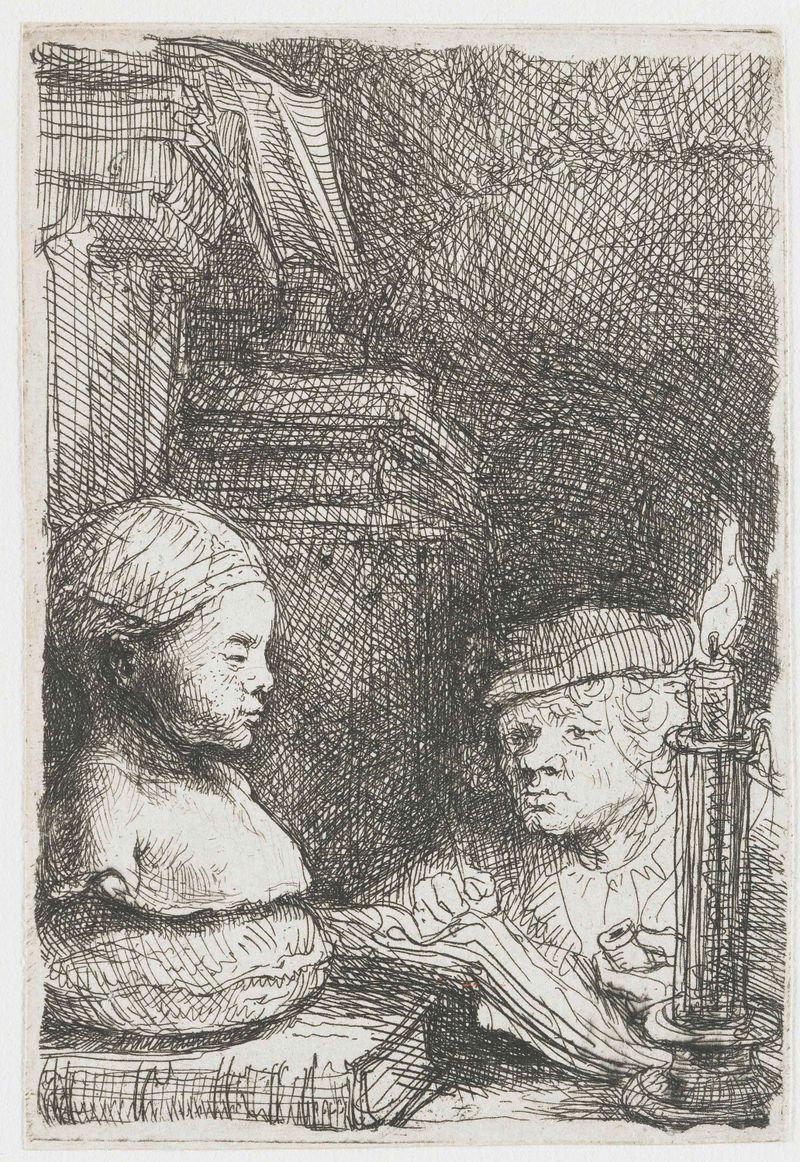
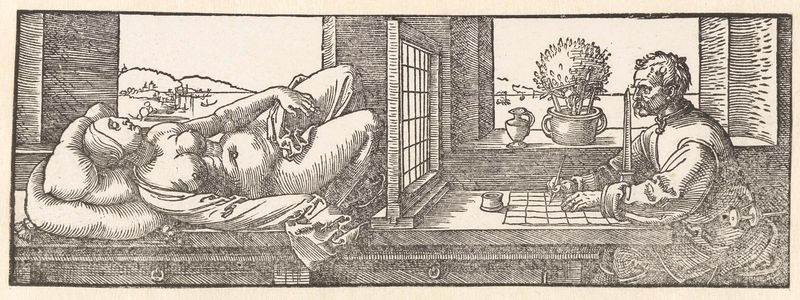
What secret hides in the quiet of the canvas? A simple yet profound connection unfolds between nature and the observer, echoing a sense of awakening that lingers throughout the years. Look closely at the delicate brushstrokes that define the forms of the birds, the ethereal quality of their presence against the backdrop of muted colors. The subtle gradations of browns and greens invite the eye to flow across the surface, revealing the artist's meticulous attention to detail. Notice how the light plays gently upon their feathers, almost as if whispering the stories of the sky and the earth they inhabit.
This softness, paired with the precise lines of each bird, creates a harmonious balance that beckons one to linger. Beneath the surface, the juxtaposition of motion and stillness offers a reflection on the transient nature of life. The birds, poised in their sketches, suggest potential flight, yet remain grounded on paper, embodying both freedom and confinement. This tension resonates with the viewer, prompting an exploration of what it means to capture fleeting moments, the essence of existence imprinted in time.
The work speaks to the artist's own journey, as he translates the vibrancy of the natural world into something eternally tangible. During the period between 1610 and 1680, the artist created this series amidst a flourishing of landscape painting in Europe. Lorrain, working in Rome, was deeply influenced by the classical ideals of beauty and harmony. This time was marked by a growing appreciation for nature in art, reflecting the broader cultural shifts of the Baroque era, which sought to evoke emotions and immerse viewers in the sublime beauty of the world.
More Artworks by Claude Lorrain
Browse all →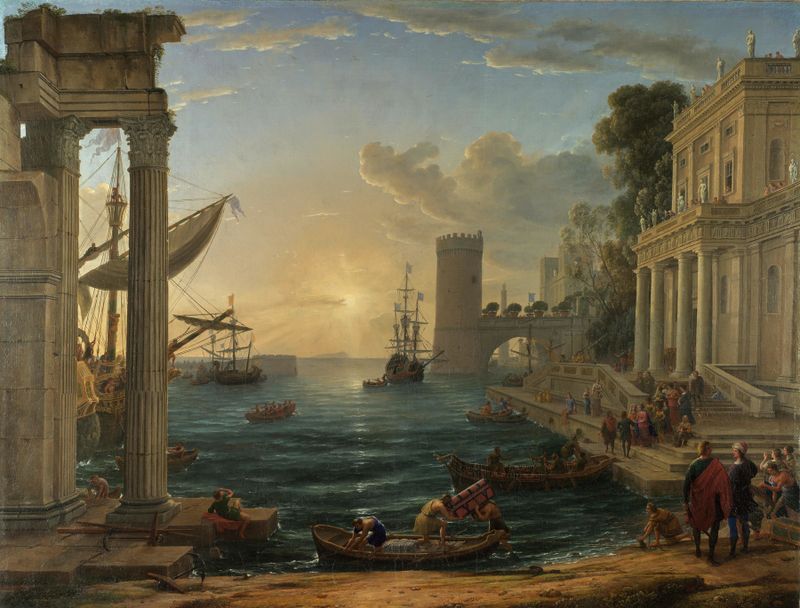
The Embarkation of the Queen of Sheba
Claude Lorrain
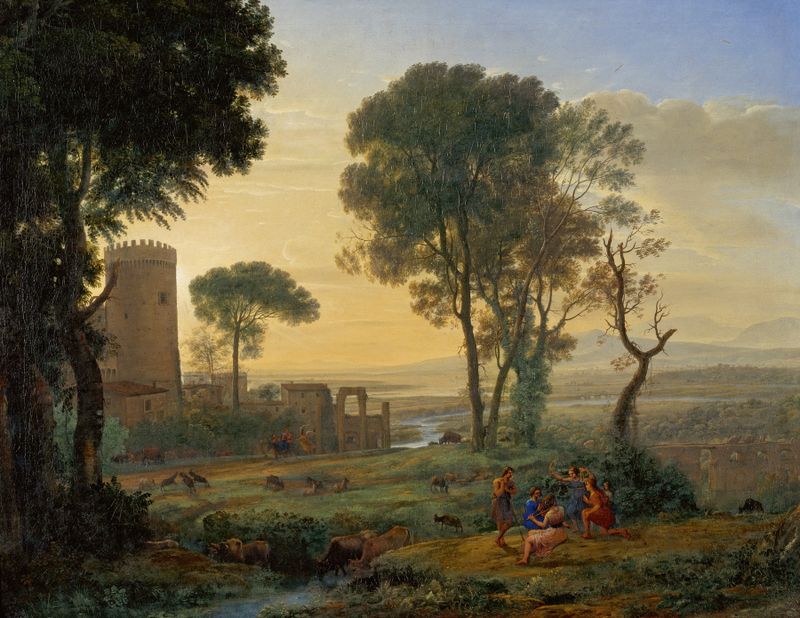
Landscape with the Flight into Egypt
Claude Lorrain
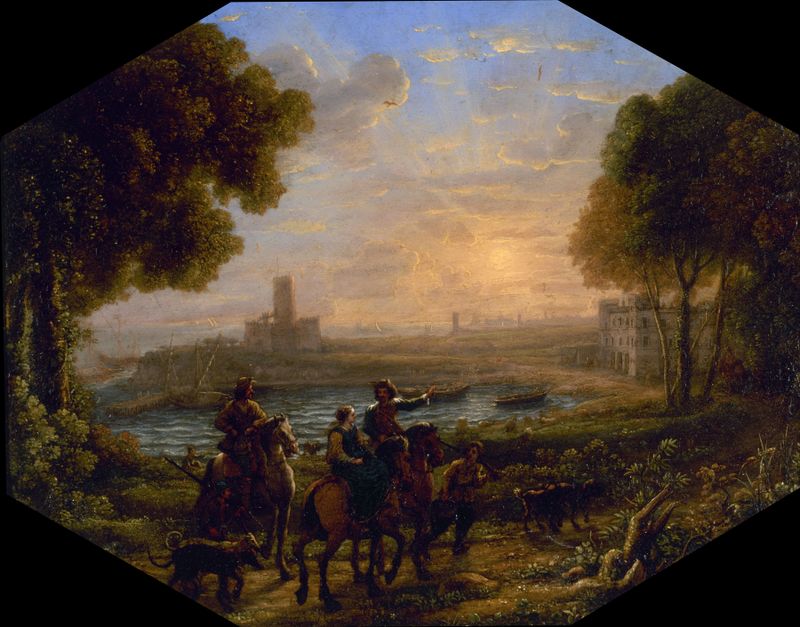
Paysage avec le port de Santa Marinella
Claude Lorrain
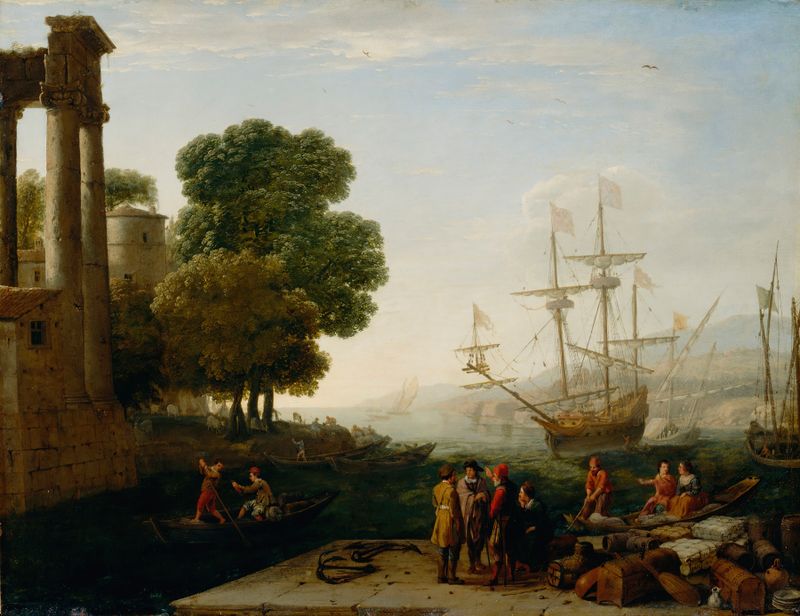
A Seaport at Sunset
Claude Lorrain
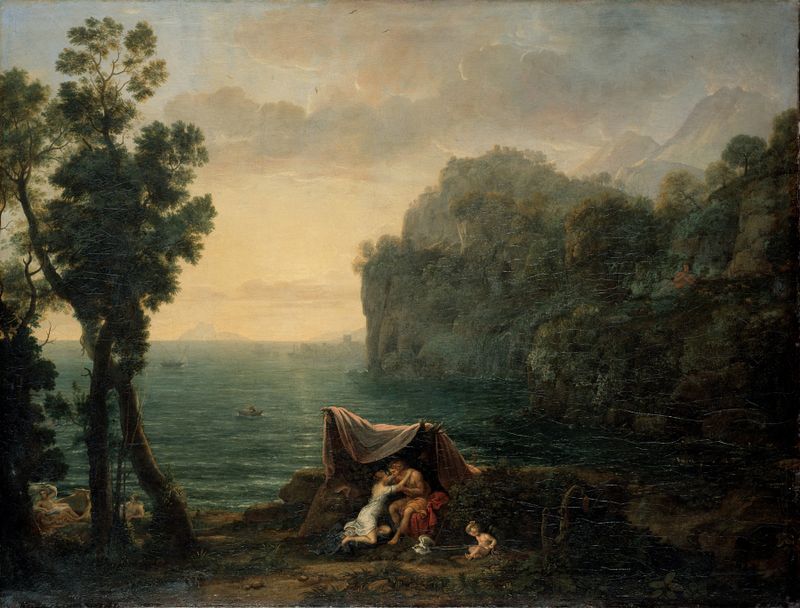
Landscape with Acis and Galatea
Claude Lorrain
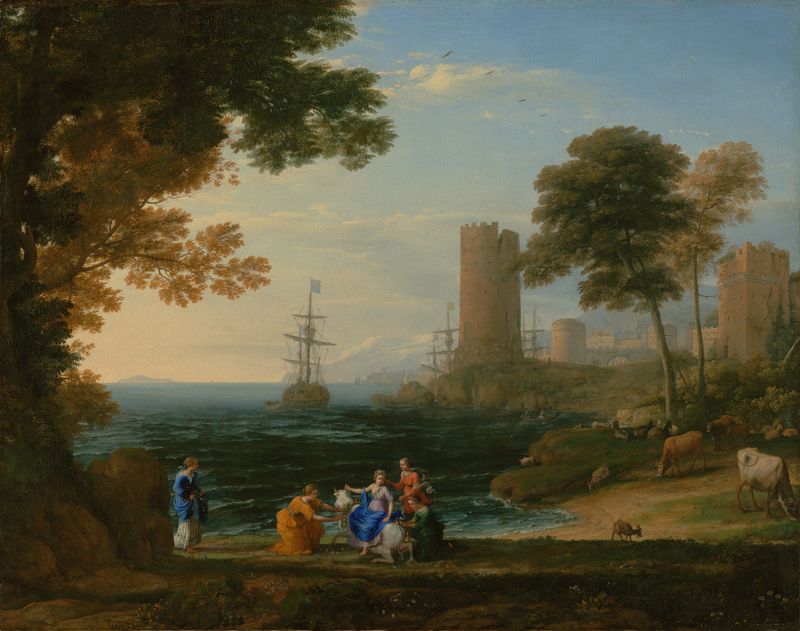
Coast View with the Abduction of Europa
Claude Lorrain
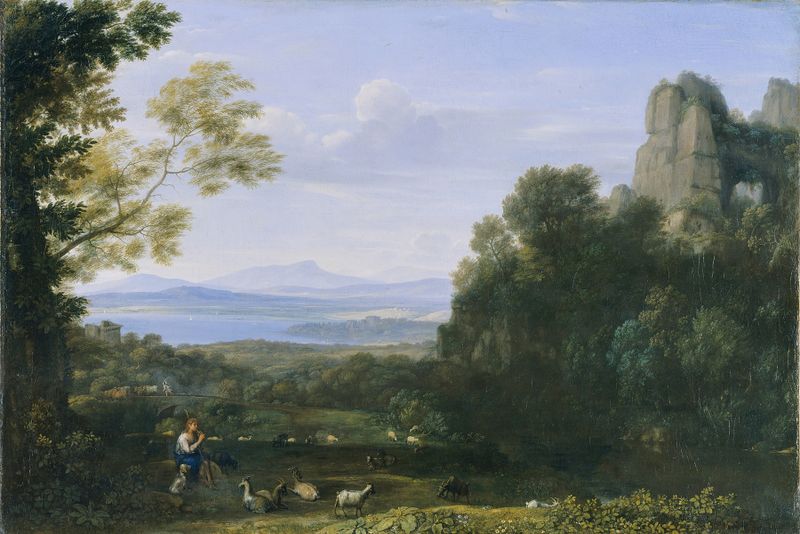
Landscape with Apollo and Mercury
Claude Lorrain
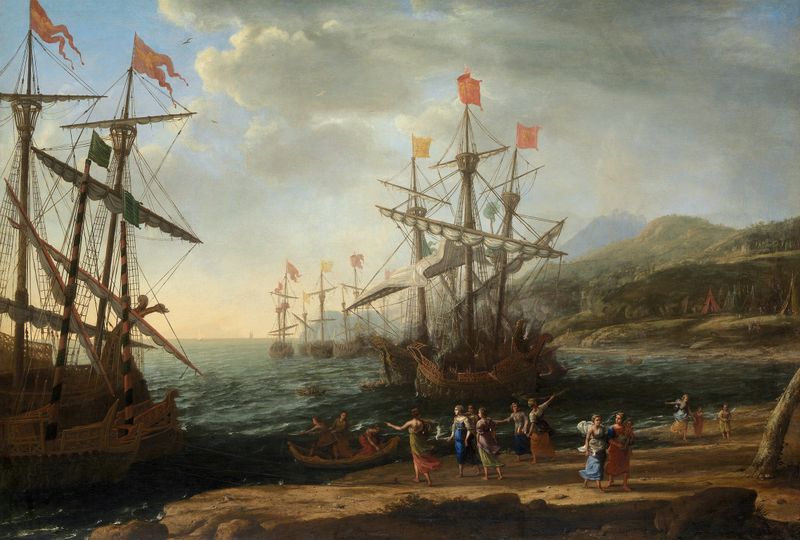
The Trojan Women Setting Fire to Their Fleet
Claude Lorrain
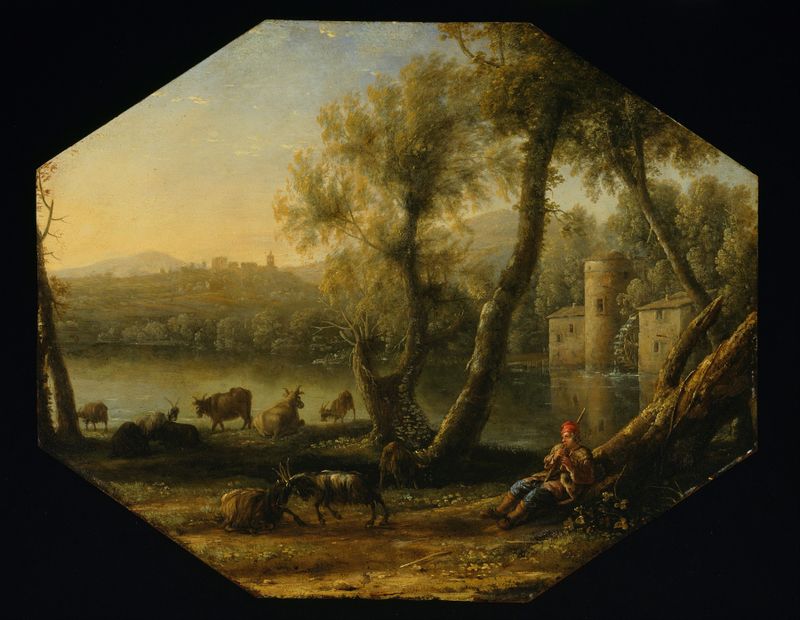
Pastoral landscape
Claude Lorrain
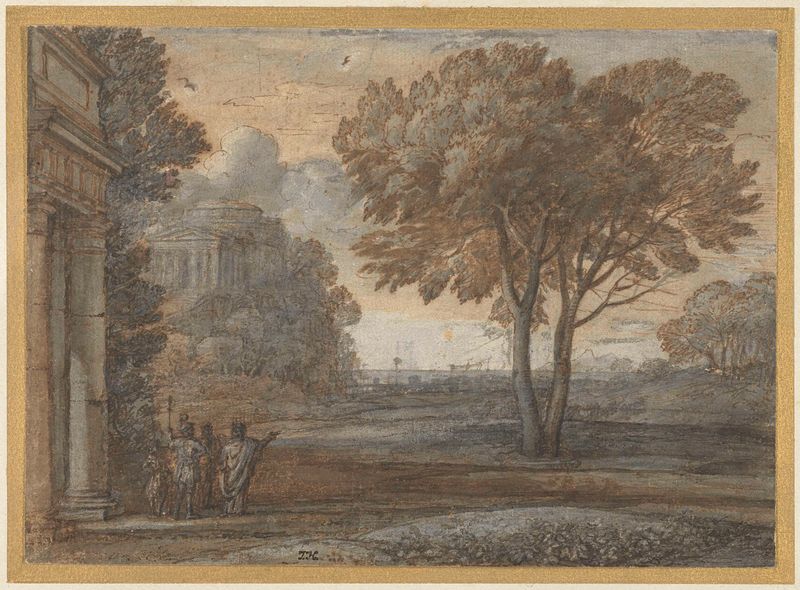
Aeneas op Delos
Claude Lorrain