
Driehoekstraat te Amsterdam — History & Facts
Can paint confess what words never could? In the quiet corners of life, where the ordinary meets the profound, the strokes of a brush whisper truths that echo long after the colors dry. Focus on the vibrant triangle formed by the converging rooftops, a geometric embrace that anchors the composition. The warm hues of orange and yellow spill across the canvas, casting a sunset glow that seems to hold time still. Notice how the shadows deepen in the alleyways, hinting at the secrets that lie hidden from view, while the light dances playfully on the surfaces of the buildings, inviting you to explore the stories behind each window. Within this urban landscape, the contrast between light and shadow reflects the transient nature of existence.
The vibrant colors symbolize life’s fleeting moments, juxtaposed with the muted tones of solitude lurking in the streets below. Each architectural detail offers a glimpse into the lives lived here, suggesting a connection between the fleetingness of beauty and the inevitability of mortality. The painting becomes a meditation on the lives that flicker like candle flames against the backdrop of the city, alive yet ephemeral. Wenckebach created Driehoekstraat te Amsterdam during the mid-20th century, a period marked by both artistic experimentation and a deepening awareness of the passage of time.
As Europe emerged from the shadows of war, the artist sought to capture the essence of urban life, blending realism with a personal interpretation of the world around him. His approach mirrored the artistic movements of the time, yet retained a distinct intimacy, reflecting his own experiences and the collective memory of resilience within the city's heart.
More Artworks by Willem Wenckebach
Browse all →
Bakkersgang te Amsterdam
Willem Wenckebach

Oude huizen aan het Markenplein te Amsterdam
Willem Wenckebach

Oude huizen aan het Waterlooplein te Amsterdam
Willem Wenckebach
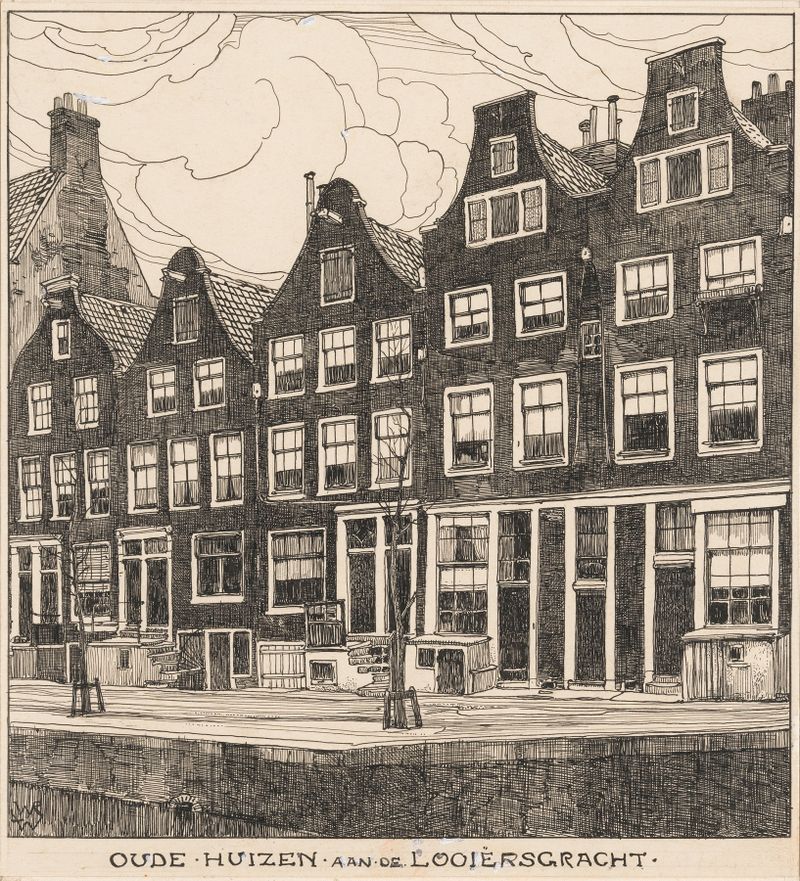
Oude huizen aan de Looiersgracht te Amsterdam
Willem Wenckebach
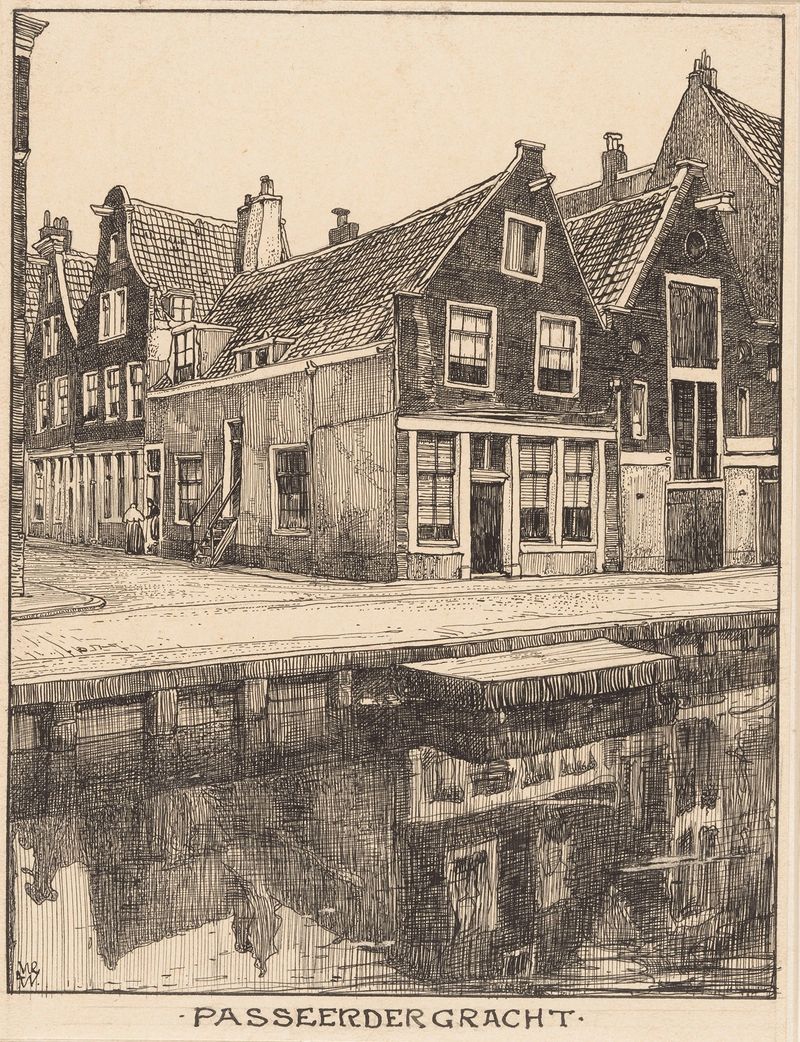
Passeerder Gracht te Amsterdam
Willem Wenckebach
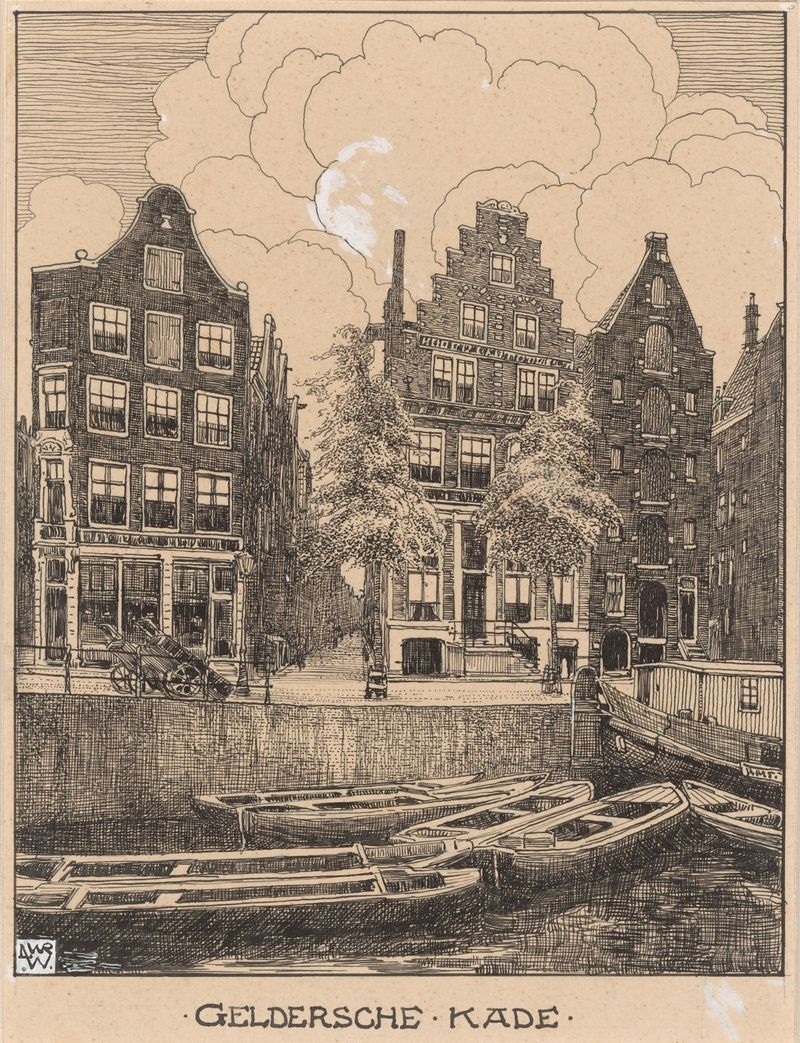
De Gelderse Kade te Amsterdam
Willem Wenckebach
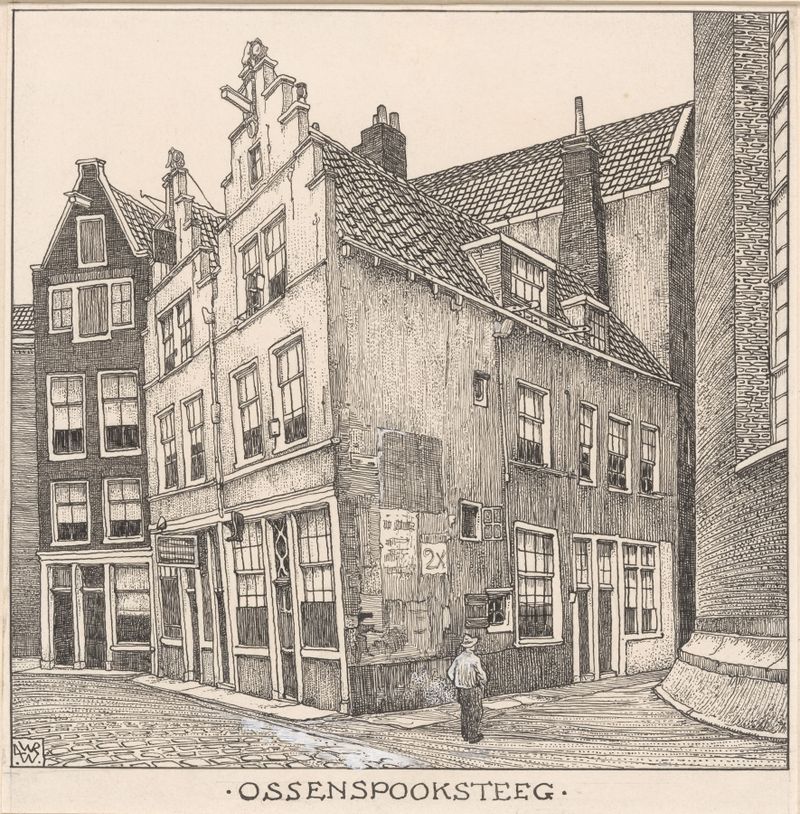
De Ossenspooksteeg te Amsterdam
Willem Wenckebach

Het Beurspleintje te Amsterdam
Willem Wenckebach
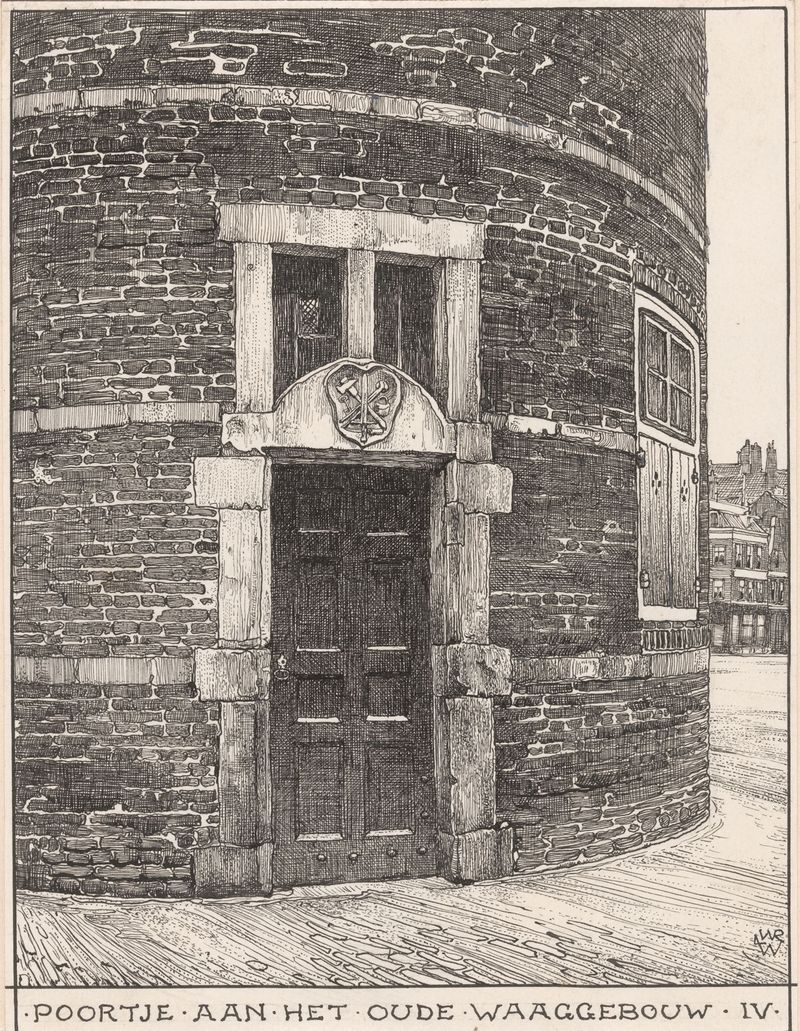
Poortje aan het oude Waaggebouw te Amsterdam
Willem Wenckebach

Torensluis te Amsterdam
Willem Wenckebach
More Architecture Art
Browse all →
The statue of Liberty
Frédéric Auguste Bartholdi

View of Houses in Delft, Known as ‘The Little Street’
Johannes Vermeer

View of Houses in Delft, Known as ‘The Little Street’
Johannes Vermeer

The Cathedral in Rouen. The portal, Grey Weather
Claude Monet

The yellow house
Vincent van Gogh

The Church in Auvers-sur-Oise, View from the Chevet
Vincent van Gogh