Droschkenhalteplatz — History & Facts
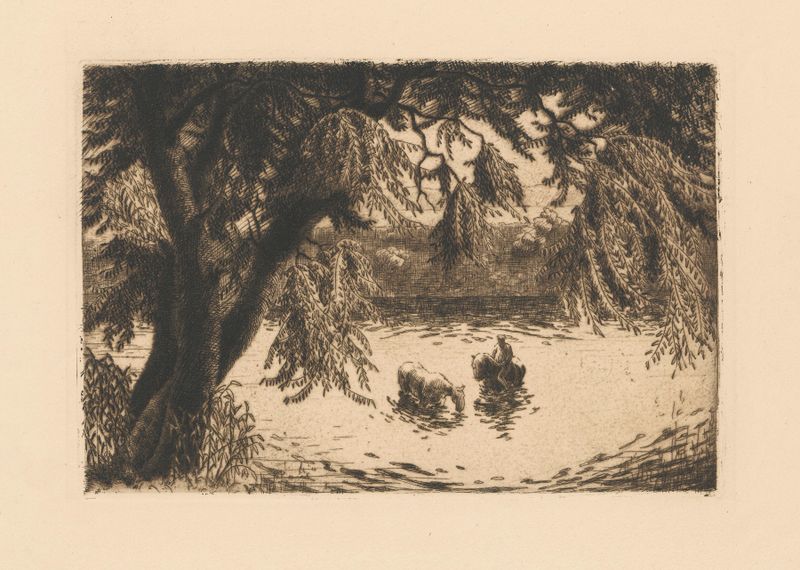
In the interplay of hues, we find a delicate reflection of faith, suspended between chaos and stillness. Focus on the gentle swirls of muted earth tones that embrace the bustling square, where figures emerge like whispers from the backdrop. To the left, the warm ochres blend seamlessly with deep browns, creating a harmonious tapestry that draws the eye into the lively gathering of horse-drawn carriages. The composition’s innate rhythm evokes the pulse of urban life, while the subtle highlights illuminate faces, hinting at untold stories flickering in the fleeting moments of the day. Notice how the contrast between the vibrancy of the crowd and the tranquil architecture sets a stage for contemplation.
The juxtaposition of movement and stillness reflects life’s dualities—the joy of connection in the crowd against the solitude that comes from moments of introspection. In this visual dialogue, the artist captures the essence of faith, suggesting that within the noise of existence lies a space for quiet reflection, for belief to take root amidst the chaos. Walter Bud painted Droschkenhalteplatz in 1909 while living in Germany, a time marked by the rise of modernism and a shift in artistic expression. The early 20th century witnessed a departure from traditional forms, as artists began to explore new ways of conveying emotion and experience.
Bud, a key figure in this movement, sought to blend everyday scenes with deeper philosophical themes, reflecting the complexities of contemporary life.