
Dürrenroth — History & Facts
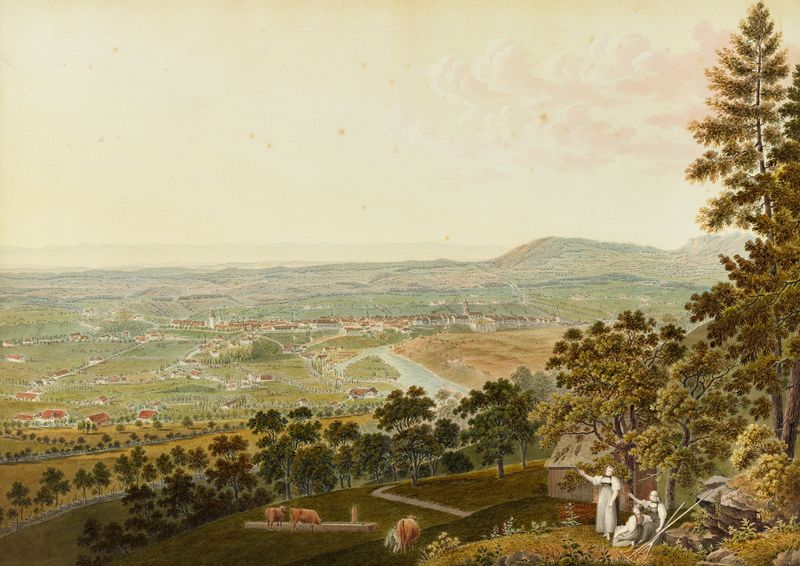
When did color learn to lie? In Jakob Samuel Weibel's Dürrenroth, hues awaken and whisper truths hidden beneath layers of perception, inviting us to question the essence of reality itself. Look to the center of the canvas where vibrant greens intertwine with deep blues, creating a mesmerizing landscape that feels both alive and dreamlike. Notice the way the brushstrokes dance across the surface, each layered application inviting the eye deeper into a world that teeters on the edge of abstract and representational. The composition draws you in, guiding your gaze through a delicate balance of light and shadow, evoking a sense of both tranquility and unrest. Amidst this vibrant interplay lies a tension between the familiar and the elusive.
The bright colors, while enticing, seem to mask a deeper emotional resonance, suggesting a moment of awakening that is both joyous and troubling. Subtle variations in tone speak to the complexities of nature, hinting at fleeting moments of beauty that can often be deceptive, reminding us that what captivates our eyes may not always reflect the truth of our experiences. Weibel created this work during a transformative period in his artistic journey, likely in the late 19th or early 20th century, as he navigated the evolving landscape of modern art. Influences from Impressionism and Symbolism were beginning to emerge, setting the stage for increased experimentation with color and form.
His exploration in Dürrenroth encapsulates the zeitgeist of an era ripe with introspection and the quest for new artistic languages.
More Artworks by Jakob Samuel Weibel
Browse all →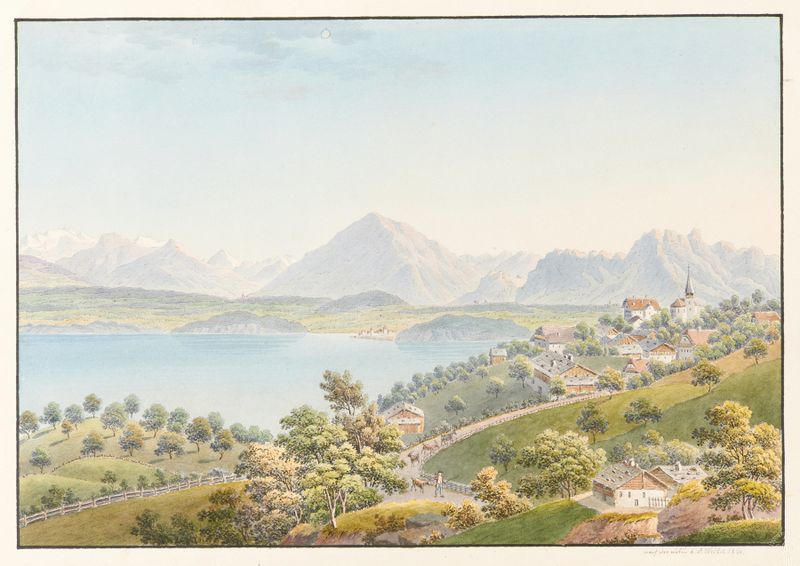
Vue dessiné depuis le Village de Sigriswil, audessus du Lac de Thoune
Jakob Samuel Weibel
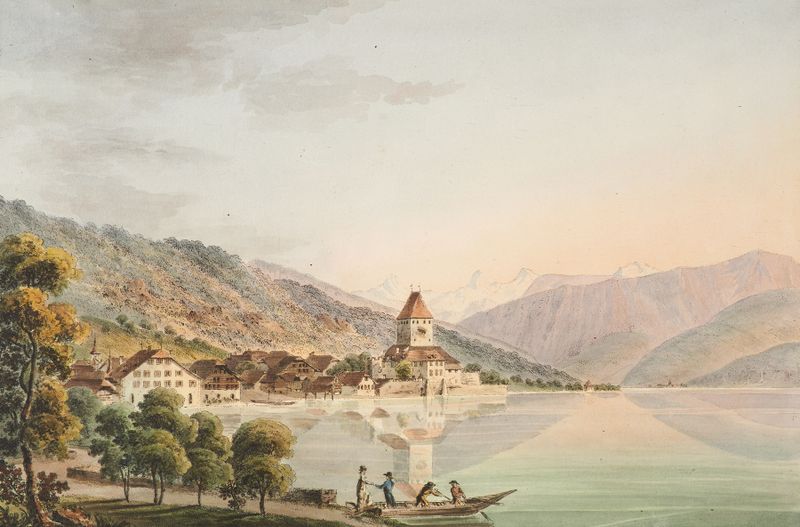
Vûe du Chateau d’Oberhofen au Lac de Thoune
Jakob Samuel Weibel
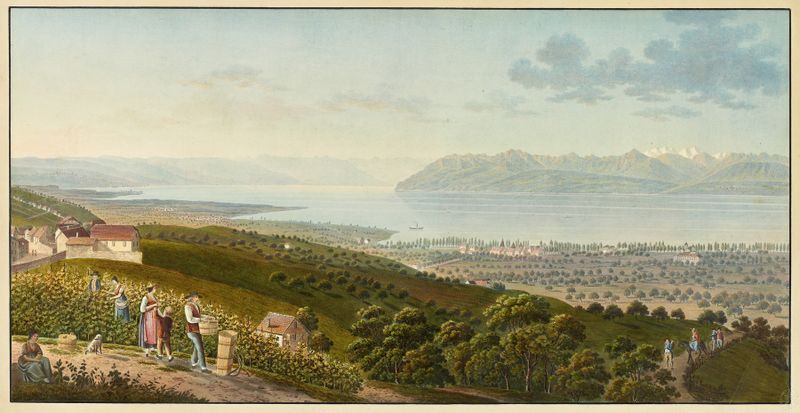
Vue genérale du Lac de Geneve
Jakob Samuel Weibel
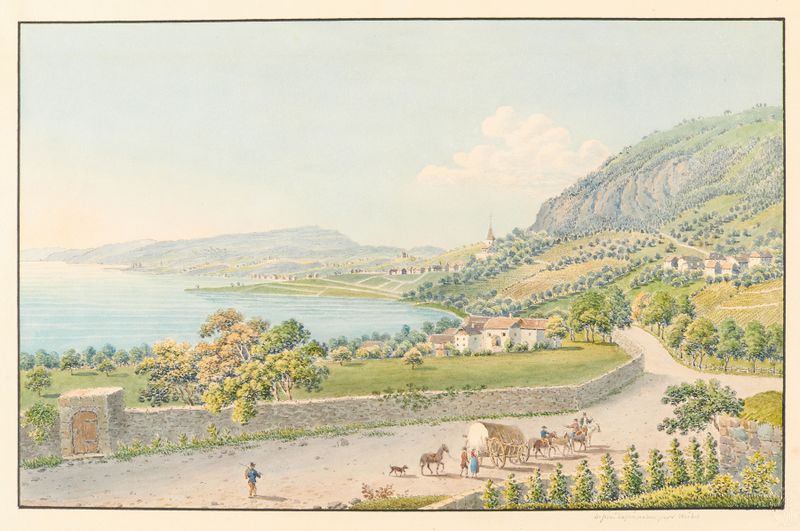
Vue des environs de Montreux et de Clarens
Jakob Samuel Weibel
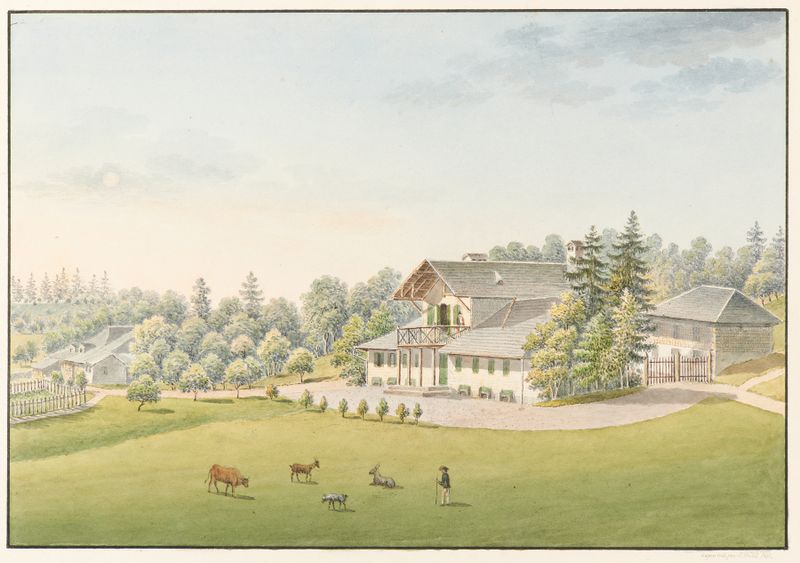
Vue du nouveau Châlet de Vernand
Jakob Samuel Weibel
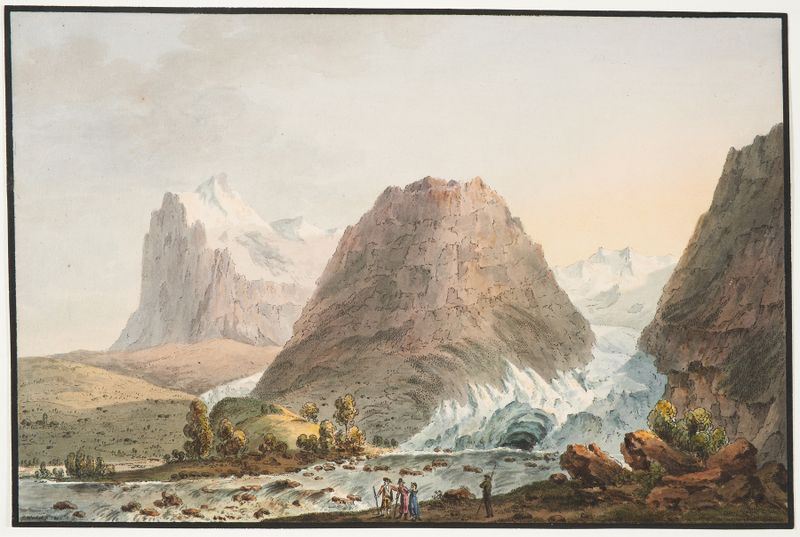
Vûe des Glacieres de Grindelwald
Jakob Samuel Weibel
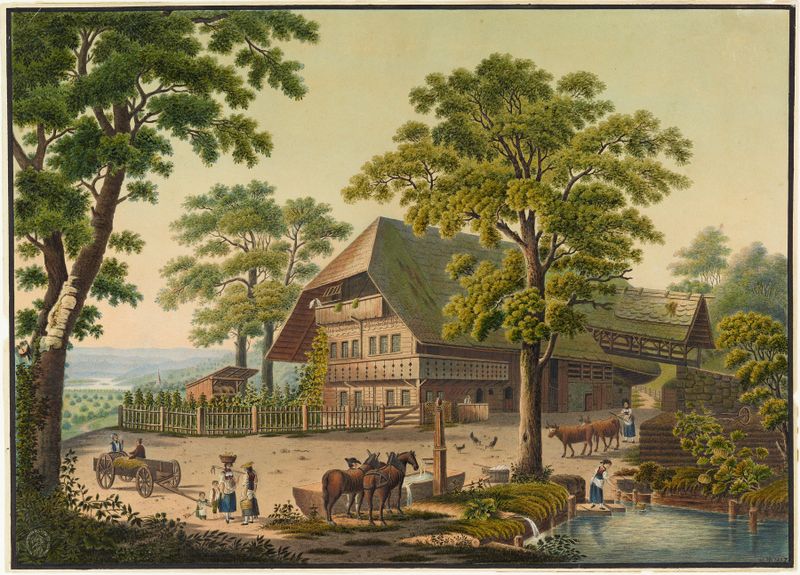
Maison de paysan près Wichtrach
Jakob Samuel Weibel
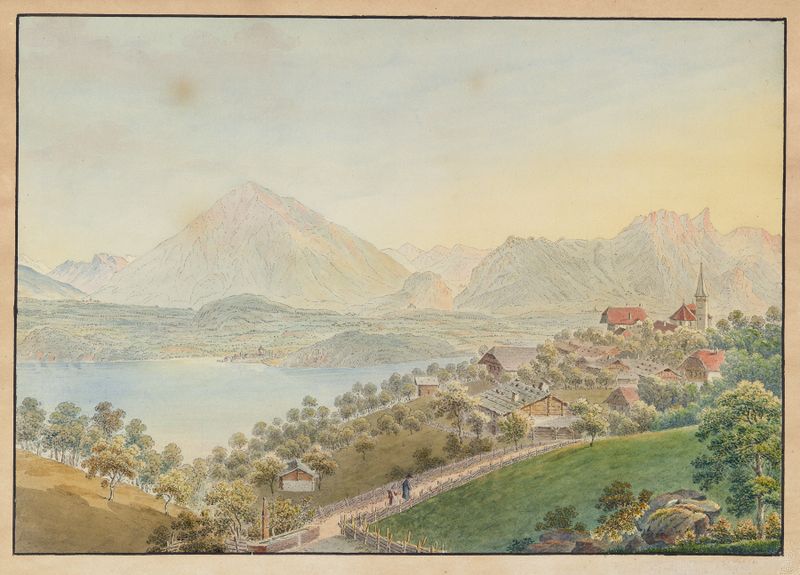
Ansicht von Sigriswil mit Niesen und Thunersee
Jakob Samuel Weibel
Ansicht Berns und der Aare vom Gurten aus
Jakob Samuel Weibel

Lausanne Ville capitale du Canton de Vaud
Jakob Samuel Weibel





