
Drumadoon — History & Facts
In Drumadoon, the landscape emerges as a transformative tapestry, where the contours of nature echo the struggles beneath the surface. Look to the bottom left, where the rugged cliffs rise abruptly, cloaked in rich greens and earthy browns, signaling strength and resilience. Notice how the soft light bathes the scene, creating a contrast between the shadowed crevices and the sunlit patches of grass above. The artist’s careful brushwork breathes life into the foliage, while the swirling clouds in the upper sky hint at the tumultuous emotions lurking just beneath the tranquil surface. Delve deeper into the painting, and you’ll discover a play of opposites: the serene beauty of the landscape set against the jagged, almost foreboding cliffs.
This juxtaposition suggests a narrative of transformation — the landscape is not merely a backdrop, but a character in its own right, embodying both tranquility and turmoil. Each stroke captures the essence of change, reminding us that beauty often emerges from struggle. David Young Cameron created Drumadoon in 1911, during a period when he was exploring the dramatic landscapes of Scotland. At this time, he was establishing his reputation as a master of watercolor and printmaking, delving deeply into the emotional resonance of rural scenes.
The world of art was transitioning, moving toward modernism, yet Cameron’s work remained deeply rooted in the romanticism of nature, reflecting both personal and universal themes of upheaval and rebirth.
More Artworks by David Young Cameron
Browse all →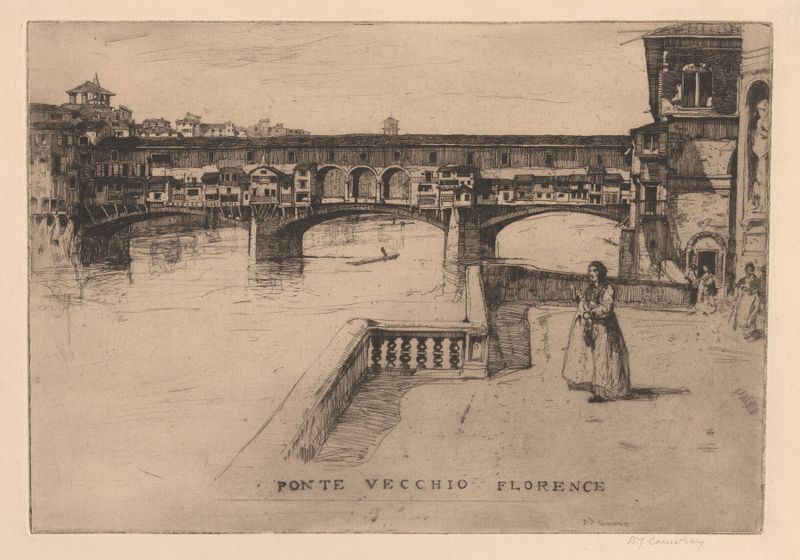
Ponte Vecchio
David Young Cameron

The Deanery, Winchester
David Young Cameron
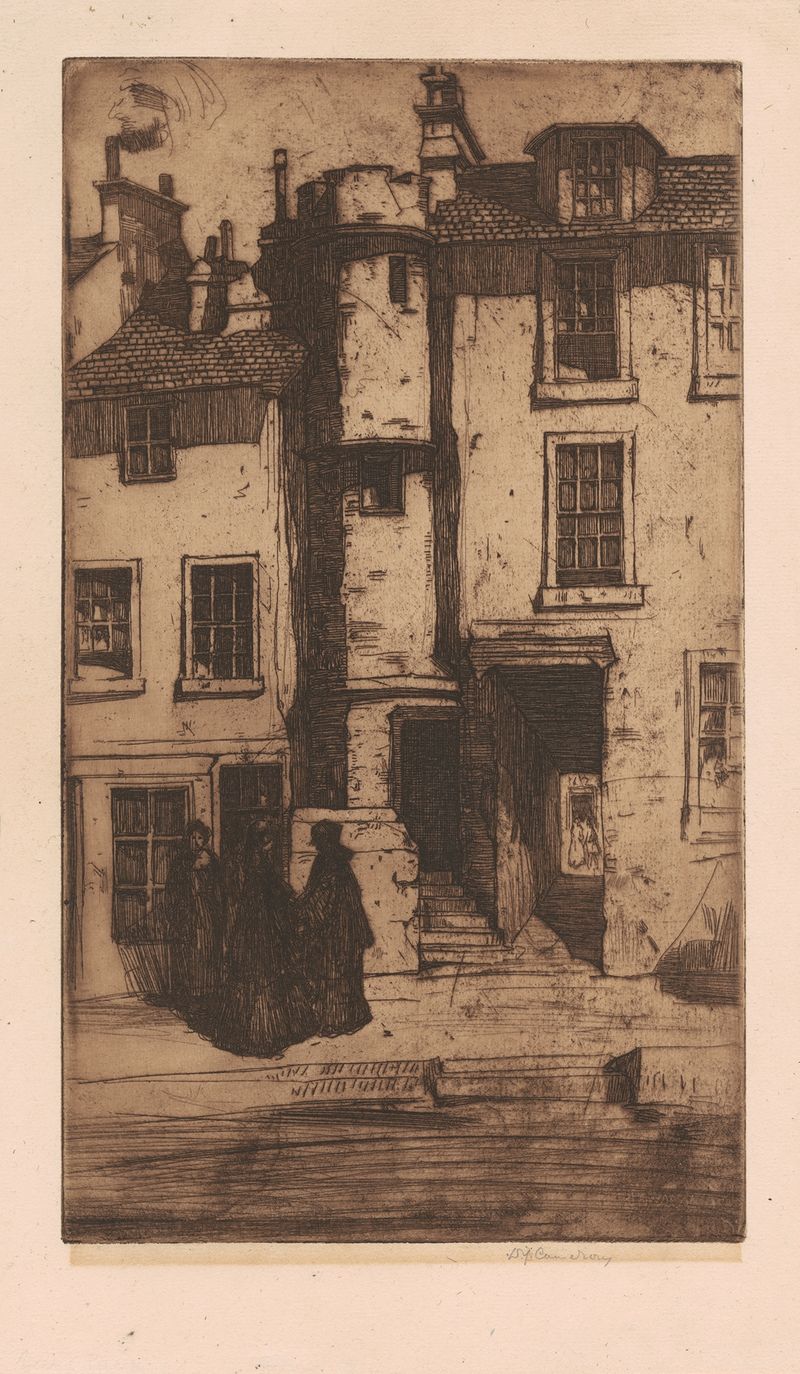
Old Houses, Stirling
David Young Cameron
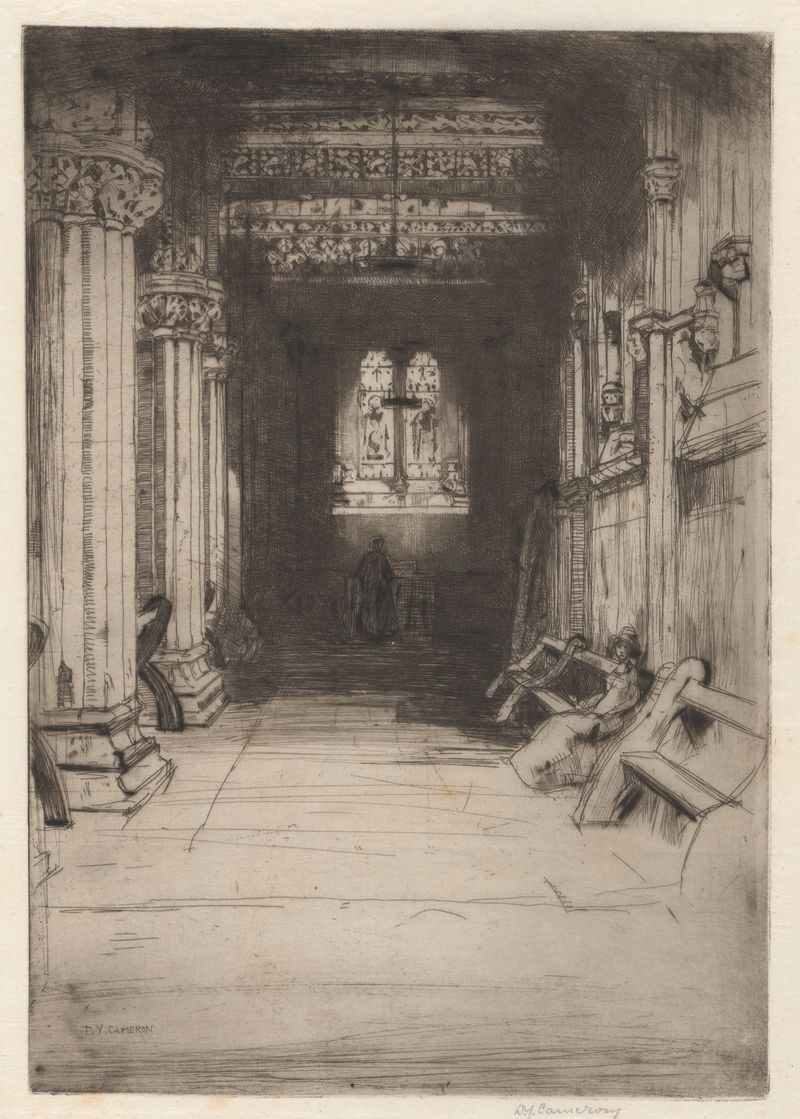
Rosslyn Chapel
David Young Cameron

The Old Museum, Beauvais
David Young Cameron
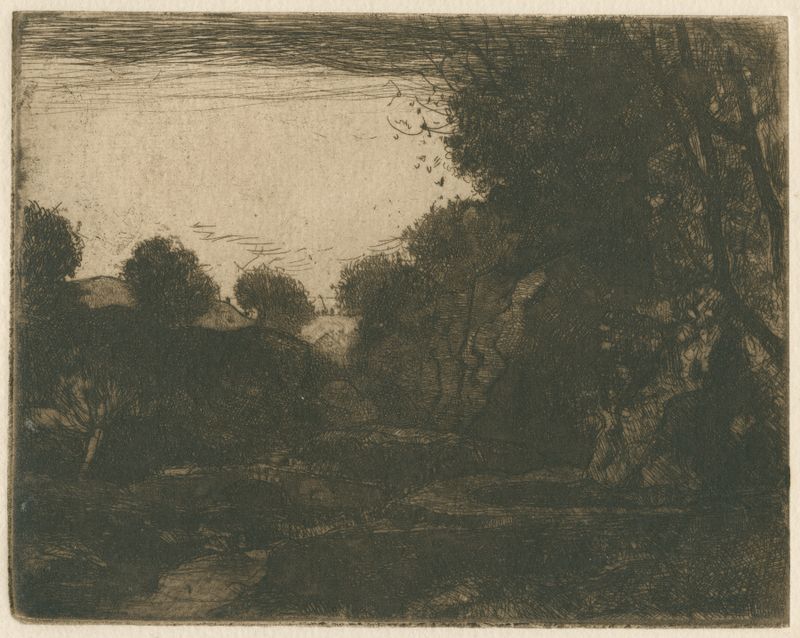
On the Bradford
David Young Cameron

The Smithy
David Young Cameron
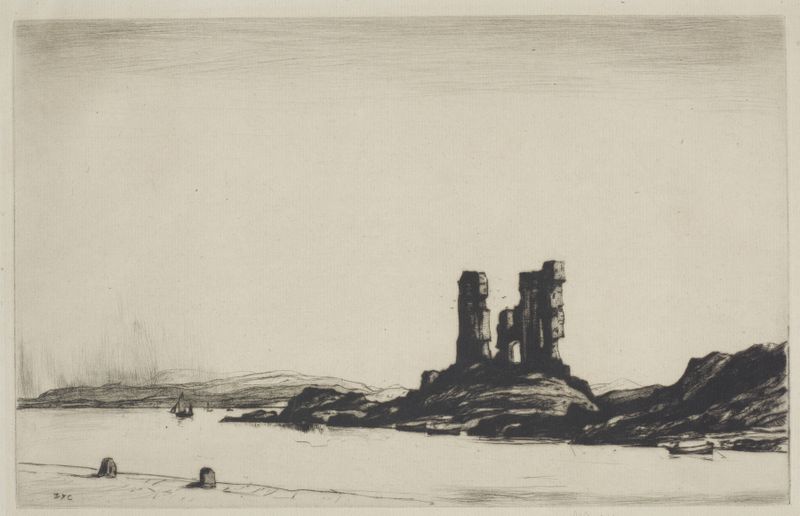
Castle Moyle
David Young Cameron
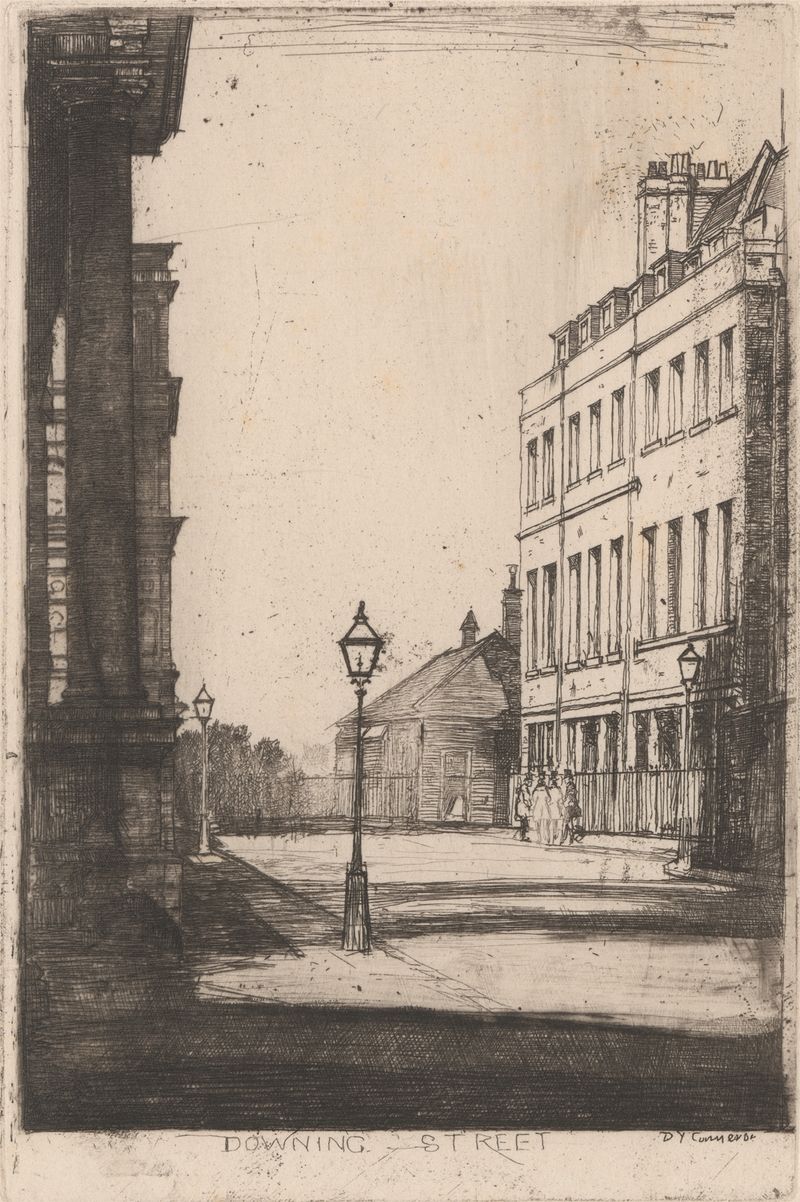
Downing Street
David Young Cameron

Glasgow Cathedral
David Young Cameron





