
Drying Skins, Sitka — History & Facts
Could beauty survive in a century of chaos? In the delicate interplay of nature and human effort, the answer emerges through the fragile yet poignant narrative depicted in Drying Skins. Look to the foreground, where the meticulously arranged animal skins are draped against wooden frames, basking in the soft light that filters through the trees. The warm browns and muted greens of the landscape contrast with the skins’ rich textures, creating a moment suspended in time. Notice how the gentle curves of the skin catch the light, suggesting a vulnerability that resonates with the viewer, inviting a deeper contemplation of the relationship between humanity and the natural world. Hidden within this composition is a juxtaposition of life and death, creation and decay.
The skins, remnants of once-vibrant beings, symbolize the cycle of existence, while the serene setting offers a stark reminder of the fragility of beauty amidst the relentless march of time. There's also a sense of industriousness entwined with reverence, a testament to the respect for nature that permeated the lives of those who inhabited the landscape. This duality enriches the scene, making it a meditation on the transient nature of both life and artistry. Theodore J.
Richardson created Drying Skins between 1880 and 1914, a period marked by significant transformation in both art and society. Working in Sitka during this era, he was deeply influenced by the indigenous cultures and the natural beauty of Alaska. This time was characterized by a growing fascination with capturing the essence of the American landscape, as well as a push toward realism that reflected the tumultuous changes occurring in the world, both environmentally and socially.
More Artworks by Theodore J. Richardson
Browse all →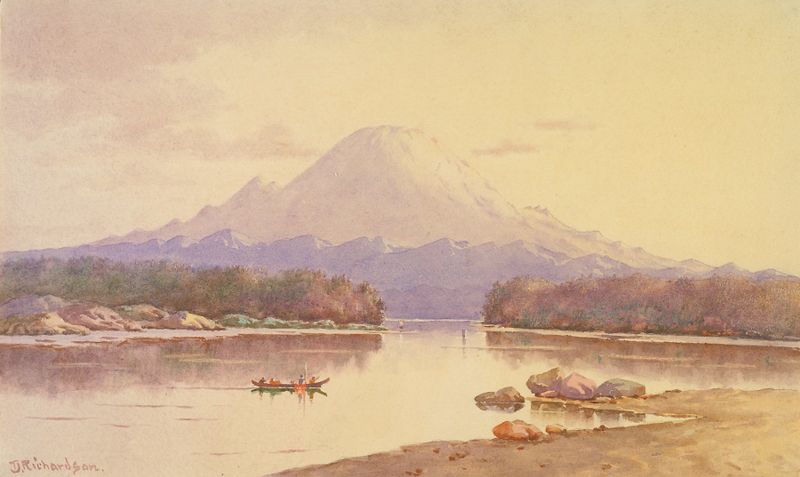
Mount Rainier
Theodore J. Richardson
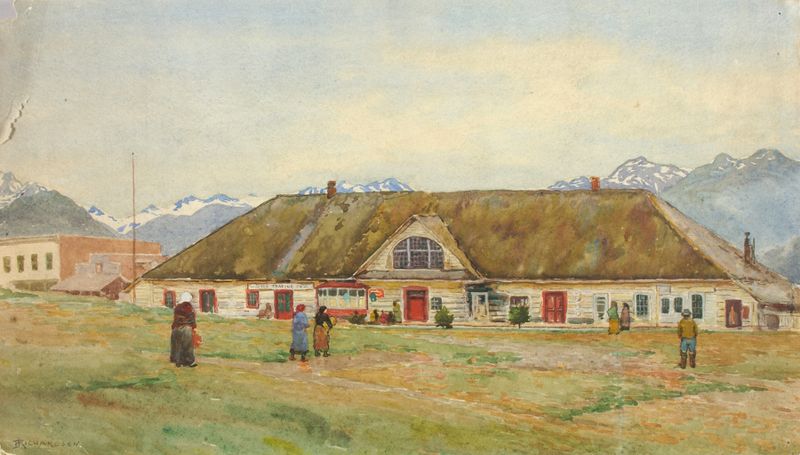
Old Russian Trading Post, Sitka
Theodore J. Richardson

The Ranch Native Village, Sitka, 1884
Theodore J. Richardson

Rear View Of Greek Church, Sitka, 1888
Theodore J. Richardson
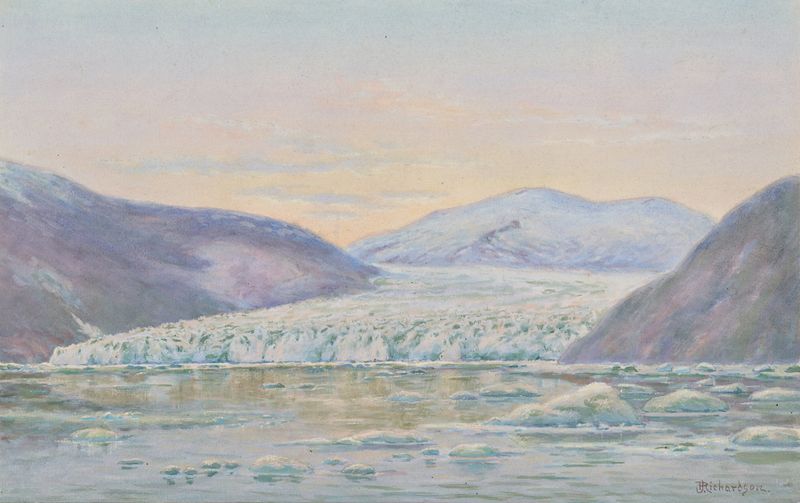
Taku Glacier, Evening
Theodore J. Richardson

St. Elias Alps
Theodore J. Richardson

Drying Blankets Over Canoes
Theodore J. Richardson

In The Old Quarter, Sitka, 1900
Theodore J. Richardson
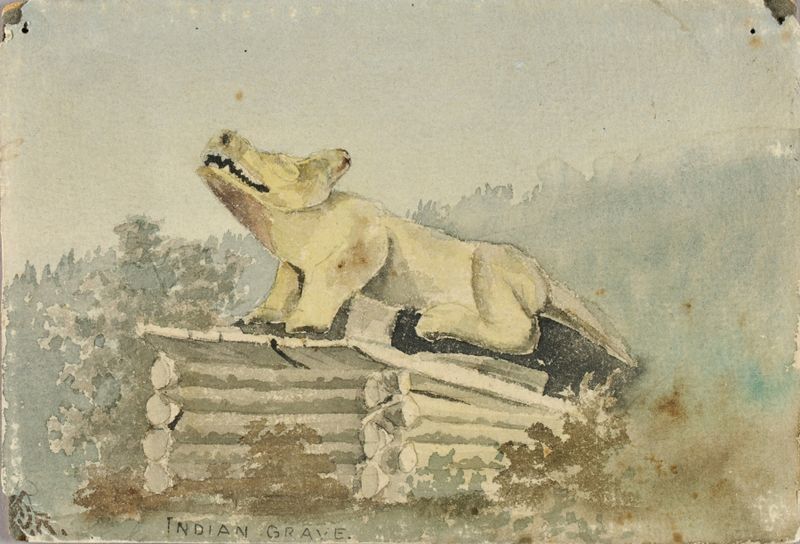
Indian Grave. Wolf Totem Over Medicine Man Grave, Wrangell
Theodore J. Richardson
Jack Mantle’s Boat
Theodore J. Richardson





