
Dugout — History & Facts
In the stillness of a moment captured, beauty resides not just in the strokes of paint, but in the silent stories evoked by each layer. Look directly at the central figures, where Sargent’s masterful brushwork breathes life into the scene. The sunlight streams through the trees, casting intricate patterns of light and shadow that dance upon the canvas, inviting you to linger. Notice how the earthy tones of the figures contrast with the vibrant greens surrounding them, a palette that evokes the tranquility of nature while hinting at the complexities of human emotion. Delve deeper into the expressions of the figures; the subtle tension in their postures communicates a world of unspoken thoughts.
Their gazes seem to intertwine, suggesting an intimate connection or a fleeting moment of shared understanding, while the surrounding foliage captures a fleeting summer afternoon, embodying the transience of life itself. This interplay between the figures and their environment offers a profound reflection on isolation, camaraderie, and the beauty found within both. In 1918, during the tumultuous final year of World War I, Sargent painted this piece amidst evolving artistic sensibilities. At this time, he was based primarily in London, grappling with the shifting landscape of art and the impact of modernity on traditional forms.
The work reflects not only Sargent's expertise but also a deeper exploration of the human condition, finding beauty amid chaos and reminding the viewer of the power of art to distill emotion into a single moment.
More Artworks by John Singer Sargent
Browse all →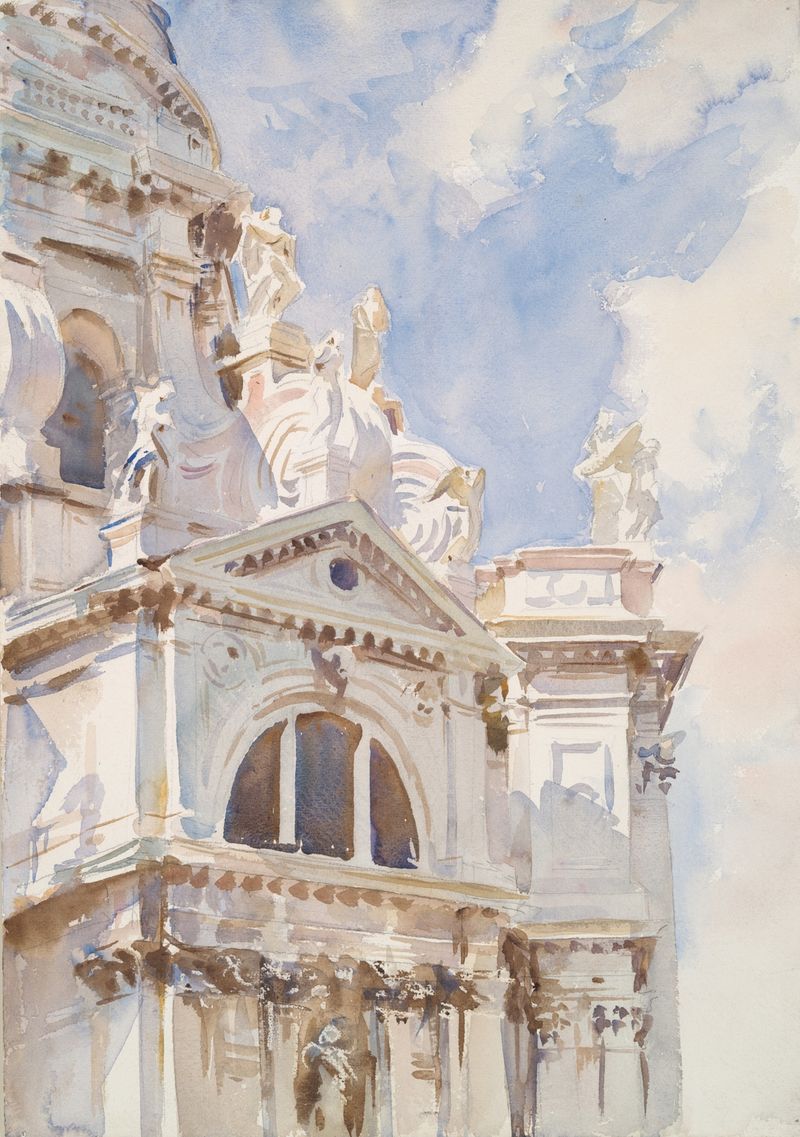
The Salute, Venice
John Singer Sargent

Mrs. Charles Deering (Marion Denison Whipple)
John Singer Sargent
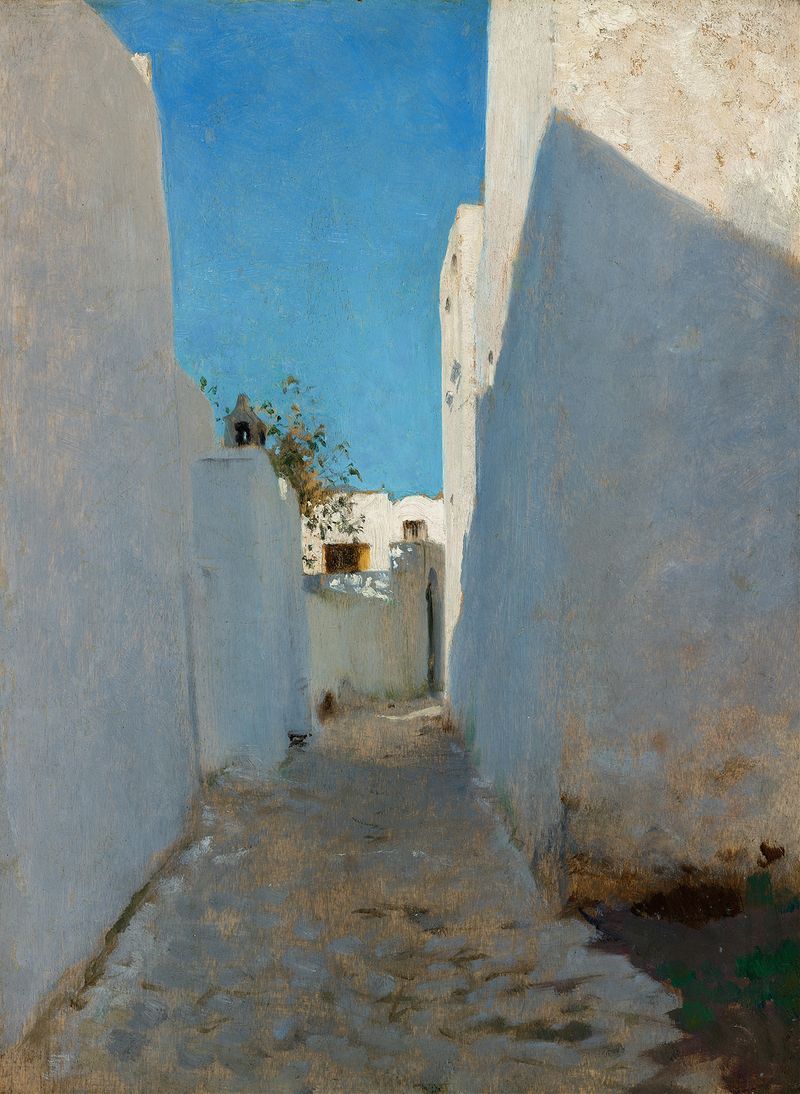
A Moroccan Street Scene
John Singer Sargent
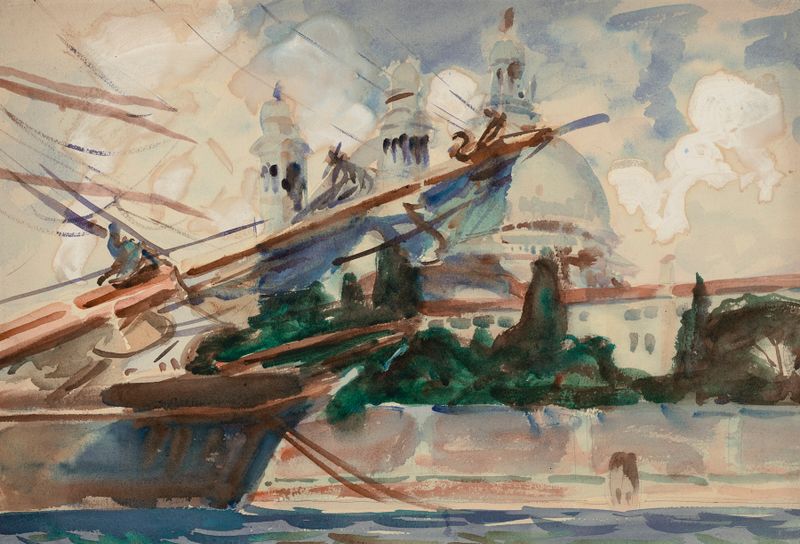
The Salute, Venice
John Singer Sargent
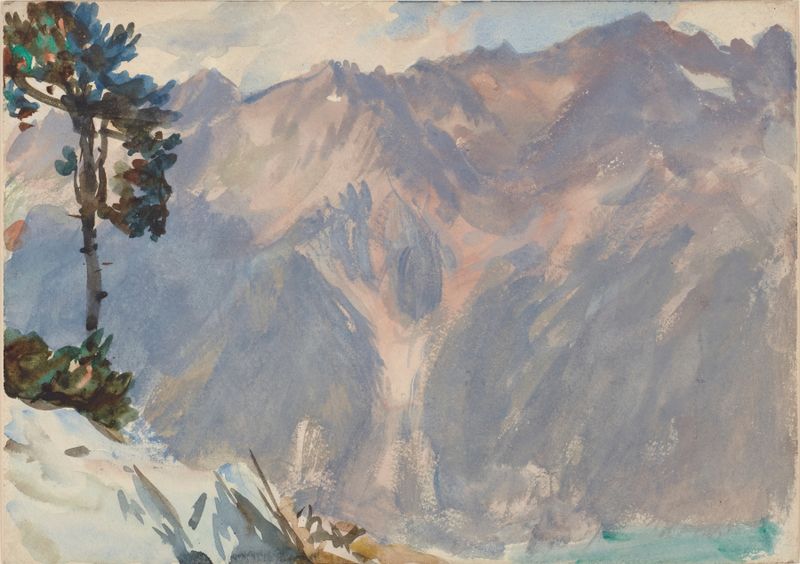
Tyrol
John Singer Sargent
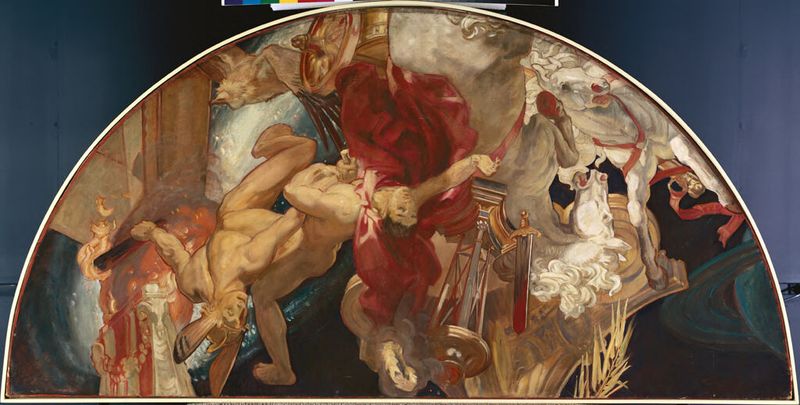
Study for "Gog and Magog," for the Boston Public Library
John Singer Sargent
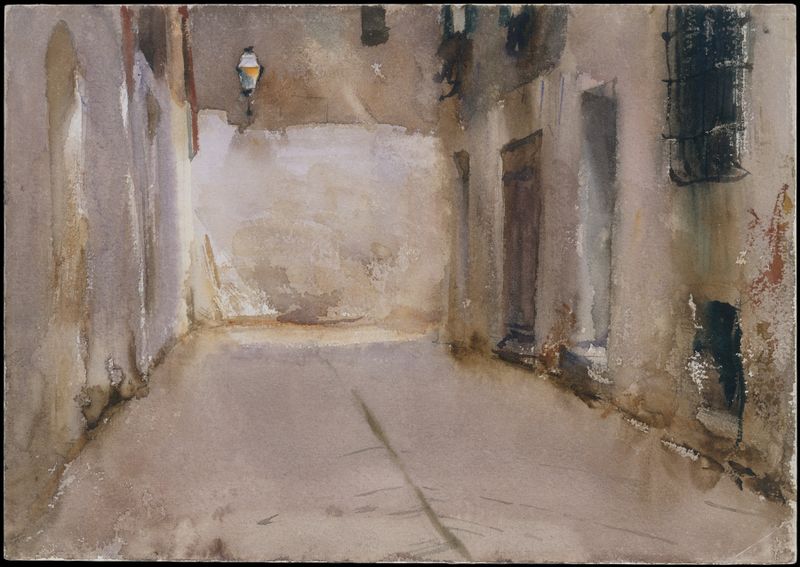
Venice
John Singer Sargent
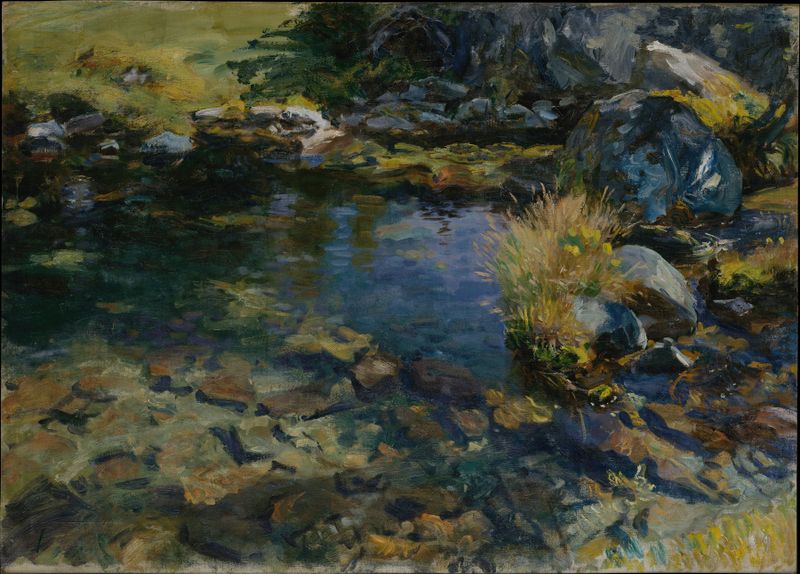
Alpine Pool
John Singer Sargent
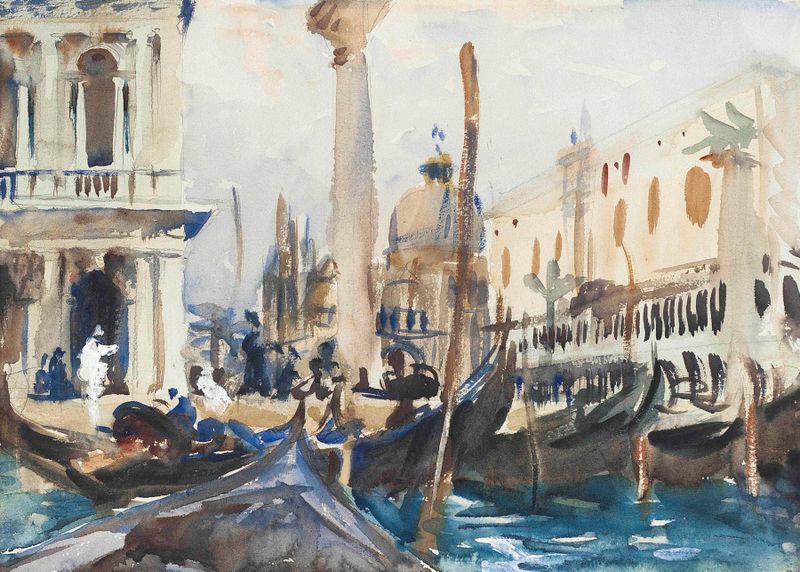
The Piazzetta with Gondolas
John Singer Sargent
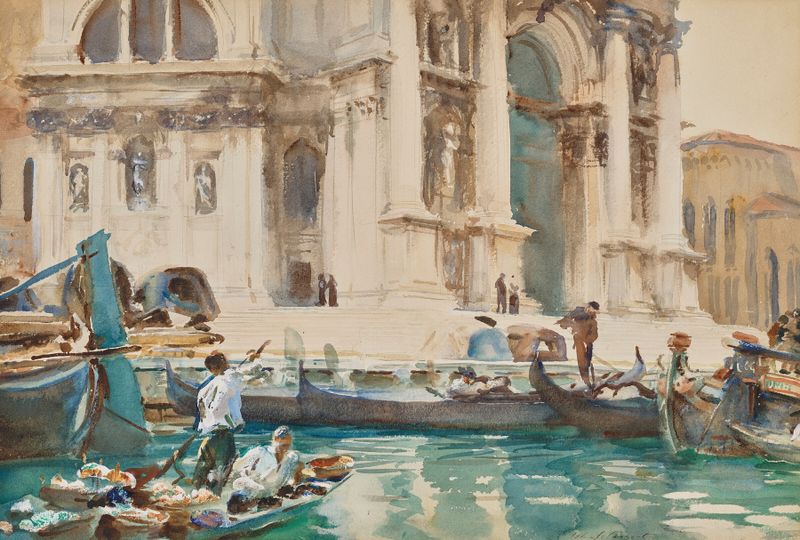
The Façade of La Salute, Venice
John Singer Sargent





