Duinlandschap — History & Facts
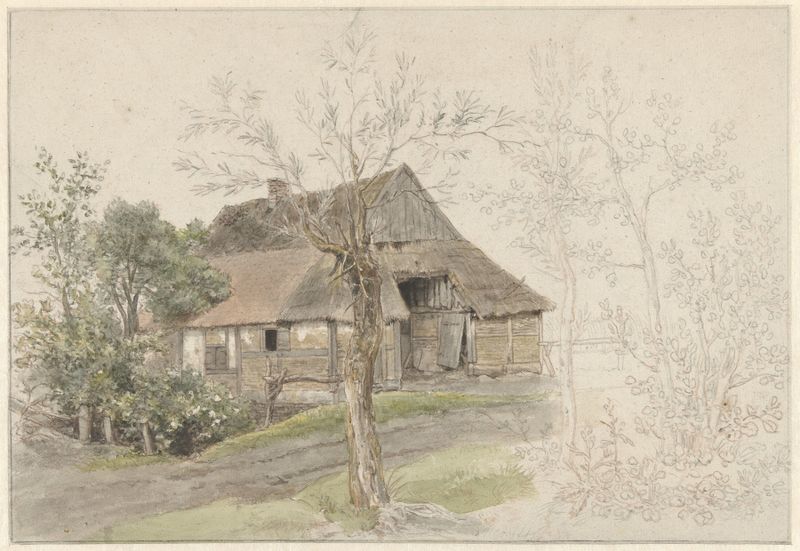
In the quiet spaces of nature, where the heart aches for what once was, lies an invitation to reflect upon time’s relentless passage. Look to the horizon, where the soft undulations of the dunes meet the sky, a muted palette of greens and browns melding into the warm blush of dusk. The composition draws you inwards, guiding your gaze along the gentle curves of the landscape, while the meticulously applied layers of paint create a rich, textured surface that evokes the tactile essence of the earth itself. Notice how the delicate interplay of light and shadow brings depth to each rise and fall, as if the land is breathing, whispering stories in the waning light. Within this serene setting, a sense of melancholy lingers.
The stark simplicity of the dunes contrasts with the vibrant hues of the sky, suggesting the fleeting nature of beauty. Amidst the tranquility, a tension emerges; what was once lush may soon fade, mirroring the human experience of loss and longing. These subtleties invite contemplation about memory—both personal and collective—and the inevitability of change in the natural world. Created between 1784 and 1826, this work reflects a period of transition for the artist, who found inspiration in the landscapes that surrounded him.
At that time, the art world was witnessing a shift towards Romanticism, emphasizing emotion and the sublime aspects of nature. As this artist navigated the evolving landscape of artistic expression, Duinlandschap became a testament to both his personal journey and the broader cultural dialogues of the era.