
Dune Landscape with a Signal Post — History & Facts
Can paint confess what words never could? Within the gentle undulations of sand and sky lies a realm waiting for revelation, a dialogue between the earthly and the ethereal. Look to the bottom left where a weathered signal post stands steadfast against the backdrop of sweeping dunes. Its muted browns and grays contrast starkly with the vibrant blues and whites of the sky, guiding the viewer’s gaze upwards. Observe how the painter skillfully employs light to create a shimmering effect on the sand, suggesting a warmth that envelops the landscape, while shadows play in the folds of the dunes, hinting at a deeper narrative. Beneath the tranquil surface, there lies an interplay of solitude and guidance.
The signal post, a symbol of direction amidst natural chaos, evokes feelings of isolation, yet its presence suggests hope. The vast, open space surrounding it reflects the human condition—a search for meaning amidst life’s uncertainties—while the serene colors evoke a peaceful resignation to nature's grandeur and indifference. Philips Wouwerman painted Dune Landscape with a Signal Post between 1651 and 1653, likely during his time in Haarlem, where he established his reputation for landscapes infused with both realism and emotional depth. This period was marked by significant developments in Dutch art, with an increasing interest in atmospheric effects and daily life, positioning Wouwerman as a pivotal figure in the evolution of landscape painting.
More Artworks by Philips Wouwerman
Browse all →
Halt of Cavaliers at an Inn
Philips Wouwerman

Halt of Travellers
Philips Wouwerman

Travelers Awaiting a Ferry
Philips Wouwerman
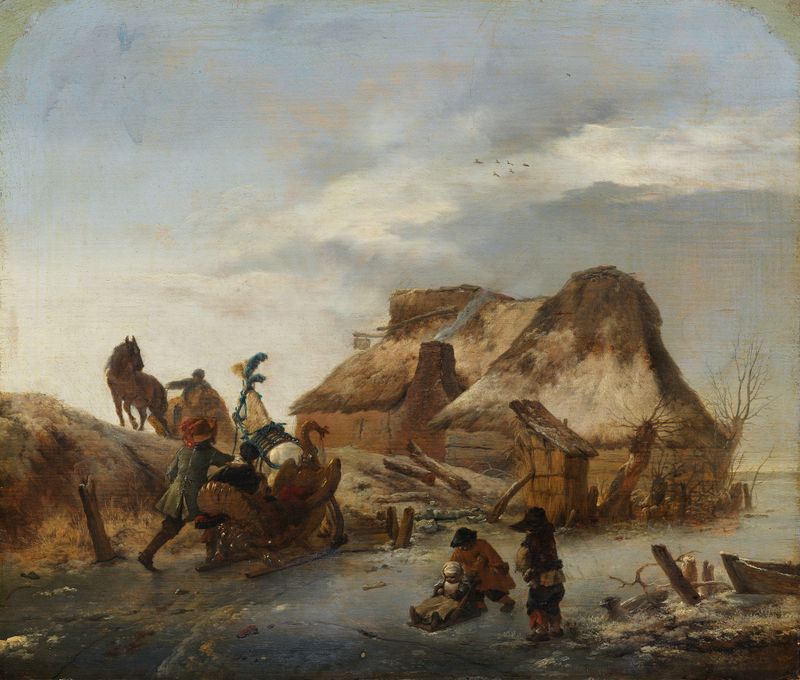
A Nobleman’s Sleigh on the Ice
Philips Wouwerman
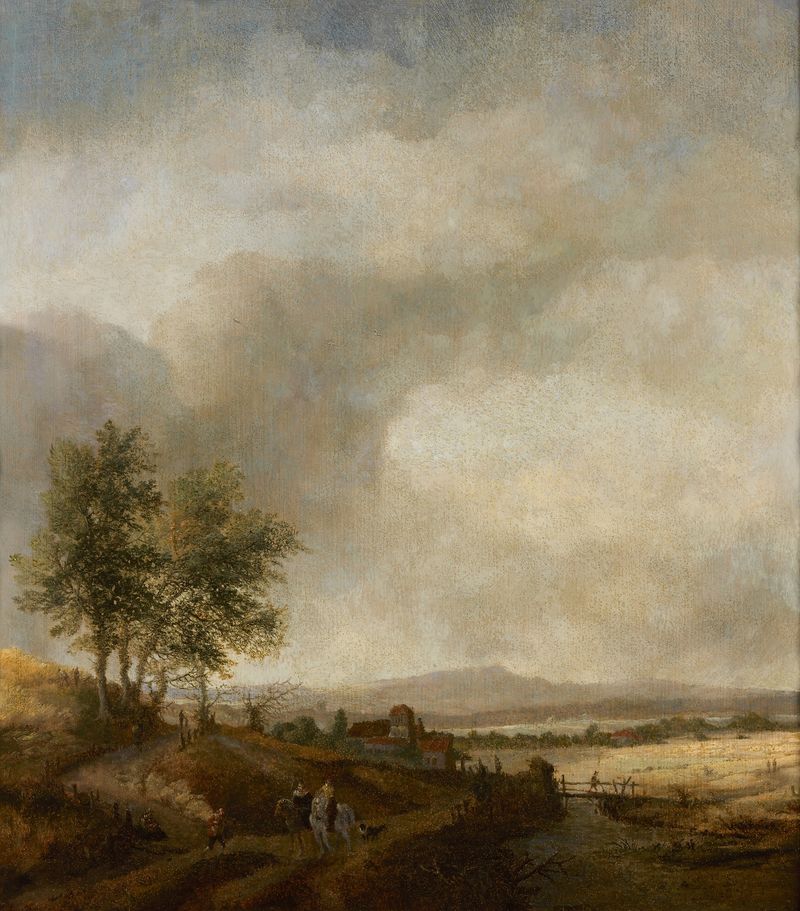
Landschap met ruiters
Philips Wouwerman
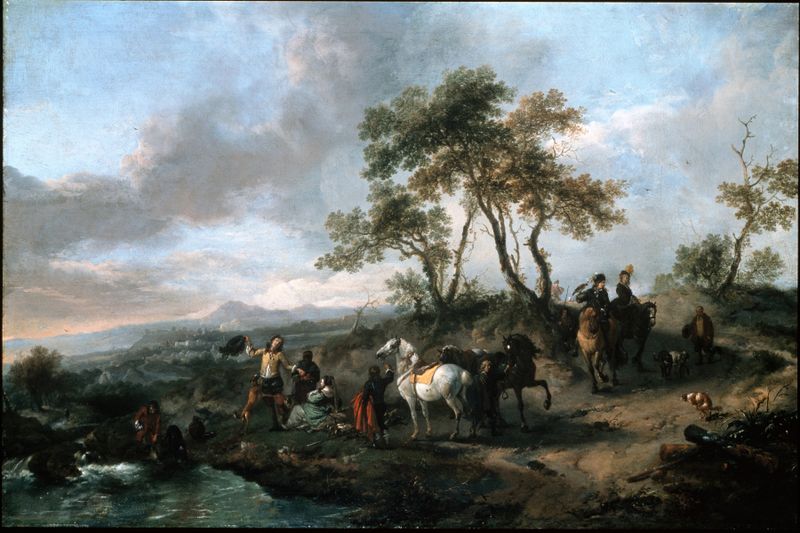
Halt of a Hunting Party
Philips Wouwerman
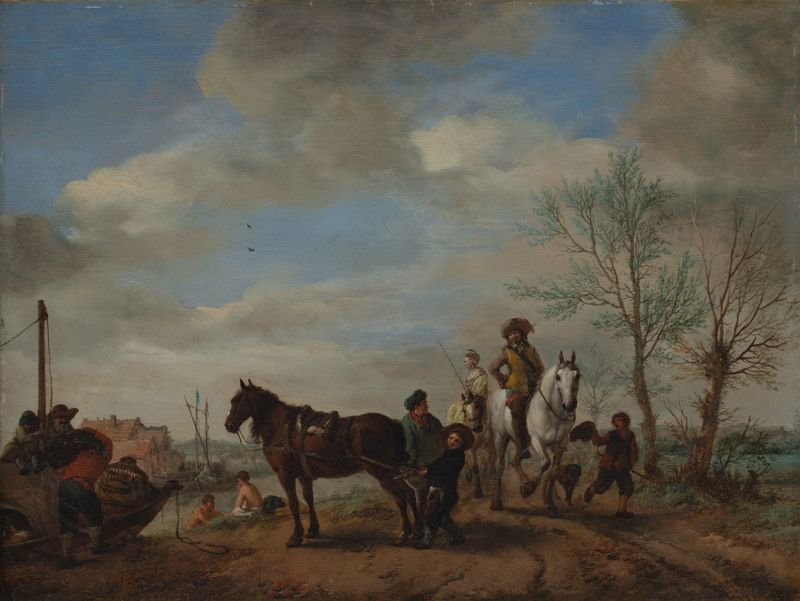
A Man and a Woman on Horseback
Philips Wouwerman
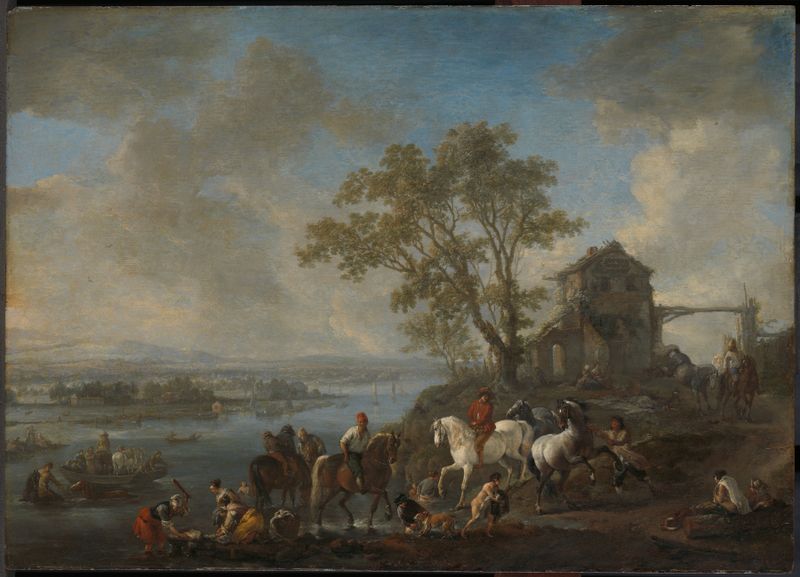
Horsepond on a River
Philips Wouwerman
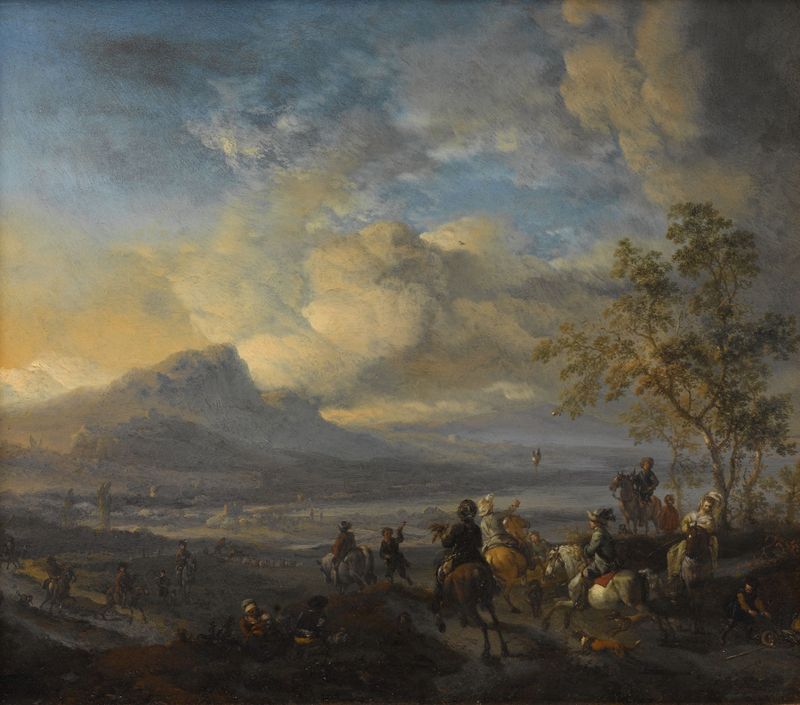
The Falcon Hunt
Philips Wouwerman

Riders at a Blacksmith’s
Philips Wouwerman





