
Dunkerswell Abbey, August 20, 1783 — History & Facts
Where does light end, and longing begin? This question lingers like a shadow over the rolling landscape portrayed in Dunkerswell Abbey. Look to the left at the soft, delicate hues of the sky, where pale blues blend seamlessly into whispers of lavender and gray. The ethereal light bathes the crumbling abbey, its ruins standing resilient yet melancholic against the backdrop of nature's embrace. Notice how the artist's brush captures the gentle undulations of the hills, leading the eye toward the structure, while dark clouds loom ominously above, suggesting an impending storm.
The composition balances tranquility with unease, inviting the viewer to linger a moment longer. The painting embodies a duality of beauty and decay, evoking emotions tinged with fear of what is lost. The crumbled walls of the abbey stand as a poignant reminder of history’s passage, while the verdant growth around it speaks to life persisting in the face of time’s relentless march. Each blade of grass and every soft shadow acts as a dialogue between the sacred and the transient, instilling a sense of both reverence and apprehension. In 1783, Francis Towne crafted Dunkerswell Abbey during a period of significant artistic evolution in England.
As a prominent figure in the landscape painting movement, his work reflected the Romantic ideals of the time, where nature was both a sanctuary and a source of profound emotion. Amidst the backdrop of a shifting cultural landscape, Towne's attention to the interplay of light and shadow reveals his deep engagement with the world around him, embodying the uncertainties and hopes of an era on the cusp of change.
More Artworks by Francis Towne
Browse all →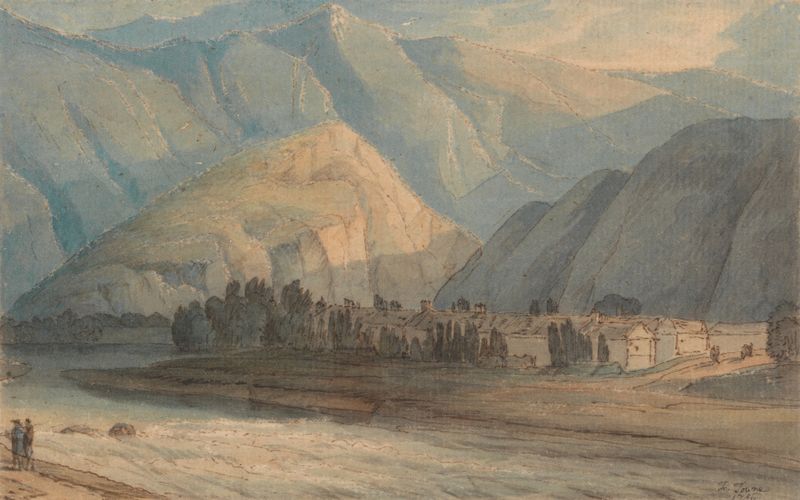
The Grange at the Head of Keswick Lake
Francis Towne

Vauxhall Stairs, from Millbank, July 5, 1797
Francis Towne

View in Borrowdale of Eagle Crag and Rosthwaite
Francis Towne

View of Lake Como with Monte Leoni
Francis Towne
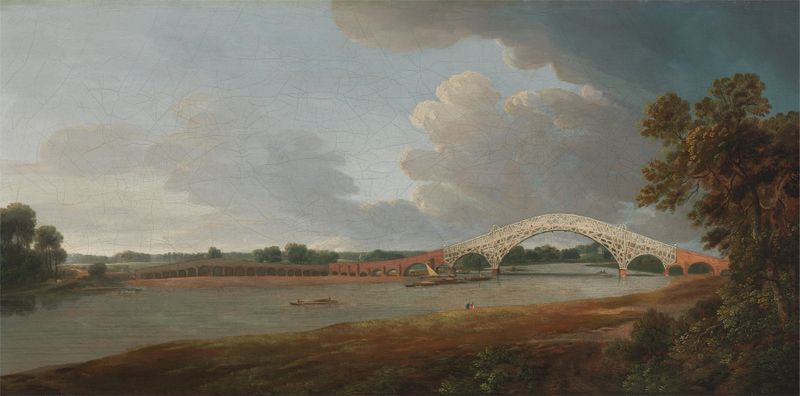
Old Walton Bridge
Francis Towne
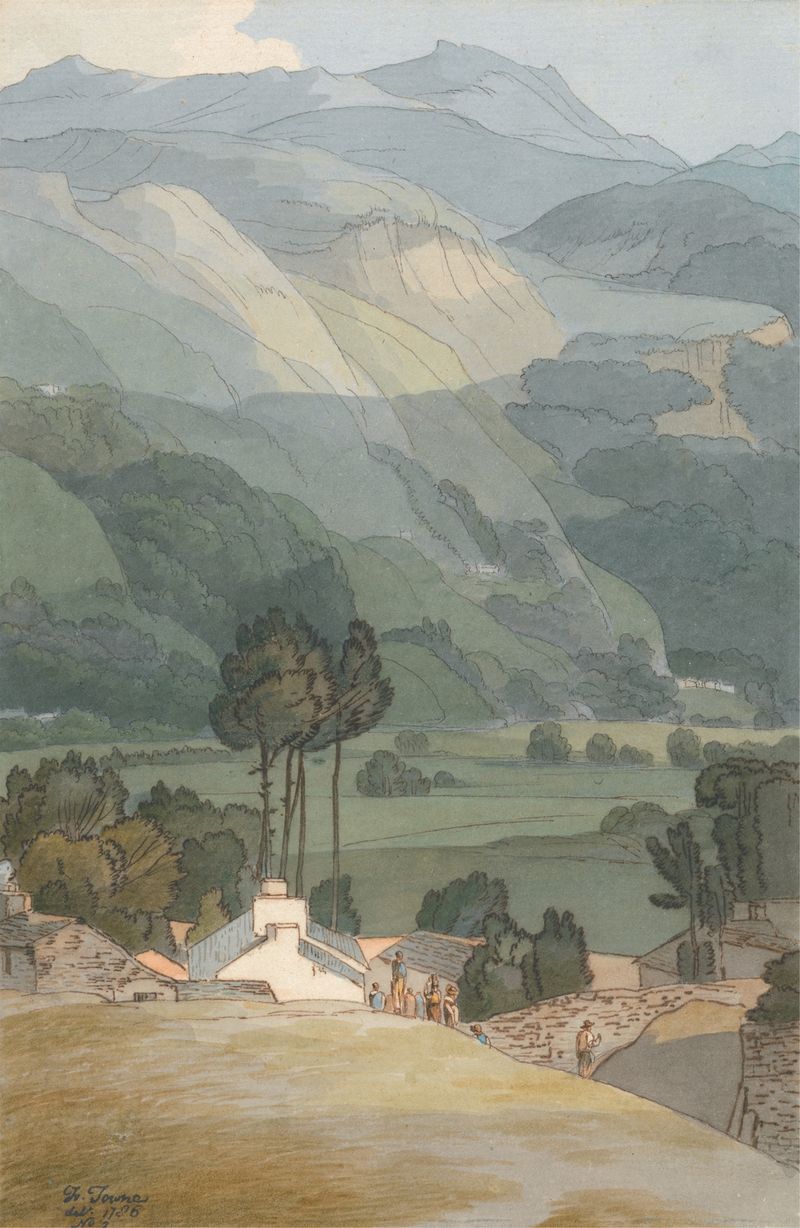
Ambleside
Francis Towne
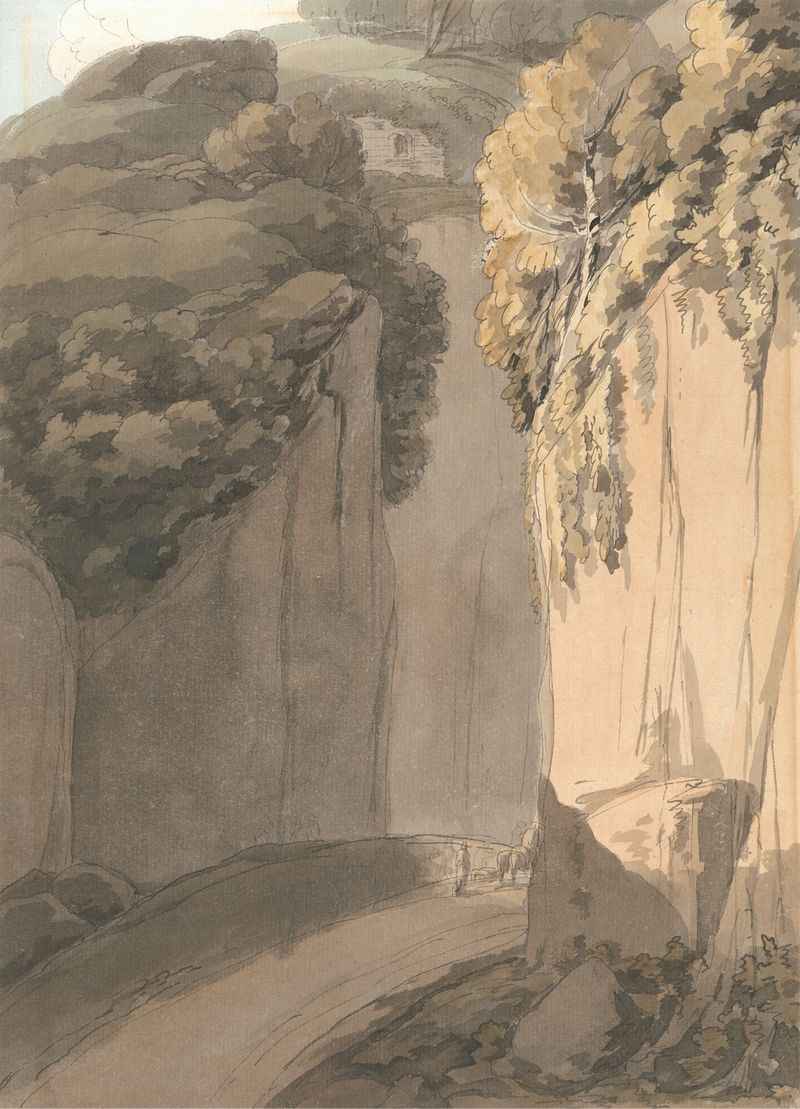
Entrance to the Grotto at Posilippo, Naples
Francis Towne

The Claudian Aquaduct, Rome
Francis Towne

A View Near the Arco Scuro, Looking Towards the Villa Medici, Rome
Francis Towne

View of the Rhydaer
Francis Towne





