
Dusk — History & Facts
In Dusk, the haunting interplay of twilight hues envelops the canvas, concealing emotions beneath its serene surface while hinting at underlying violence and tumult. Look to the center, where deep blues and bruised purples meld into the softening sky, a transition that captures the ephemeral nature of day giving way to night. Notice how the contrasting warm glow of the horizon fights against the encroaching darkness, creating a dynamic tension that suggests both calm and foreboding. The brushstrokes are deliberate yet fluid, reflecting the artist's mastery in evoking emotion through color and form, as if each stroke carries the weight of unspoken stories. As you explore the edges, find glimpses of shadowy silhouettes, their forms fading into obscurity.
The juxtaposition of light and shadow creates a sense of unease, whispering of conflicts beneath the surface of tranquil beauty. This duality speaks not only of nature’s quiet moments but also of the violence that often brews within, a reminder of life’s fragility and the chaos that lurks just beyond the frame. In 1897, while residing in Stampa, Giovanni Giacometti was navigating both personal and artistic transformations. At this time, the Symbolist movement was gaining traction, encouraging artists to delve deeper into emotional and psychological realms.
This work is a reflection of Giacometti’s exploration of color as a means of conveying complex feelings, capturing the essence of dusk as a metaphor for both a literal and emotional descent into darkness.
More Artworks by Giovanni Giacometti
Browse all →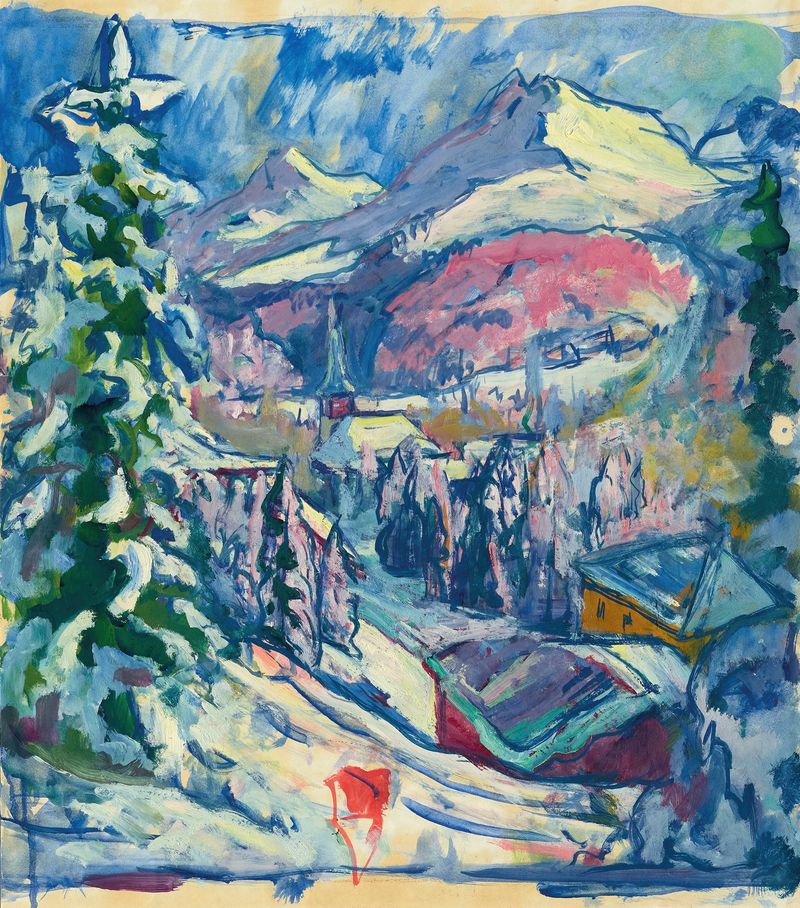
Davos im Winter
Giovanni Giacometti
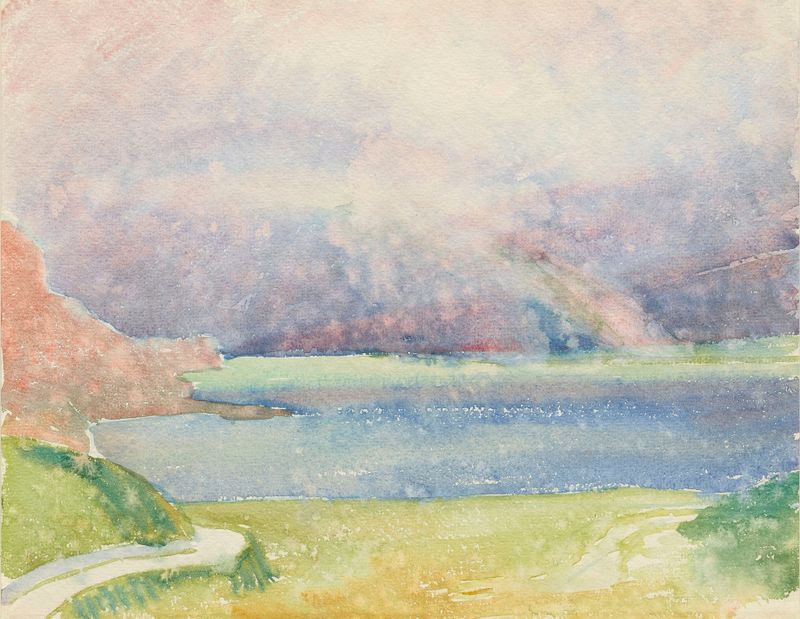
Blick von Maloja auf den Silsersee mit Regenbogen
Giovanni Giacometti
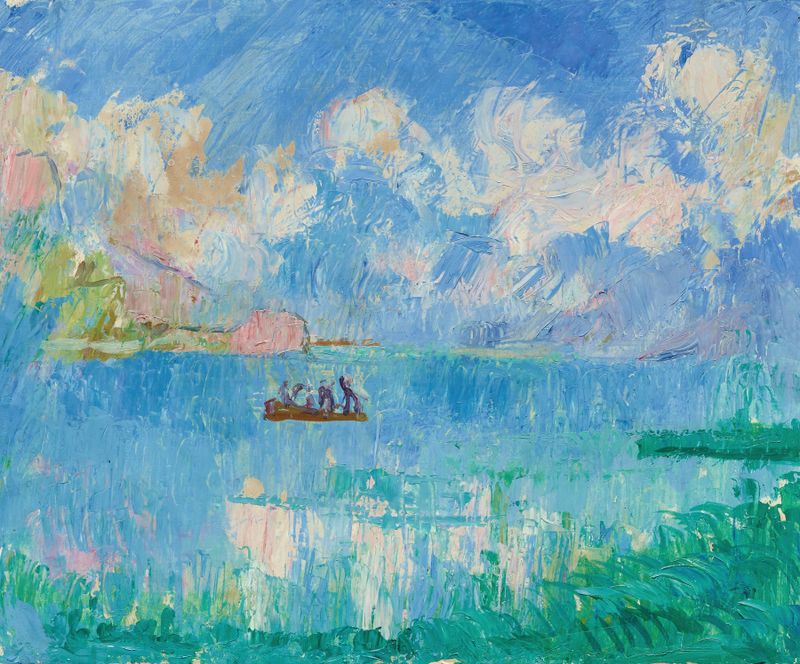
i Pescatori
Giovanni Giacometti
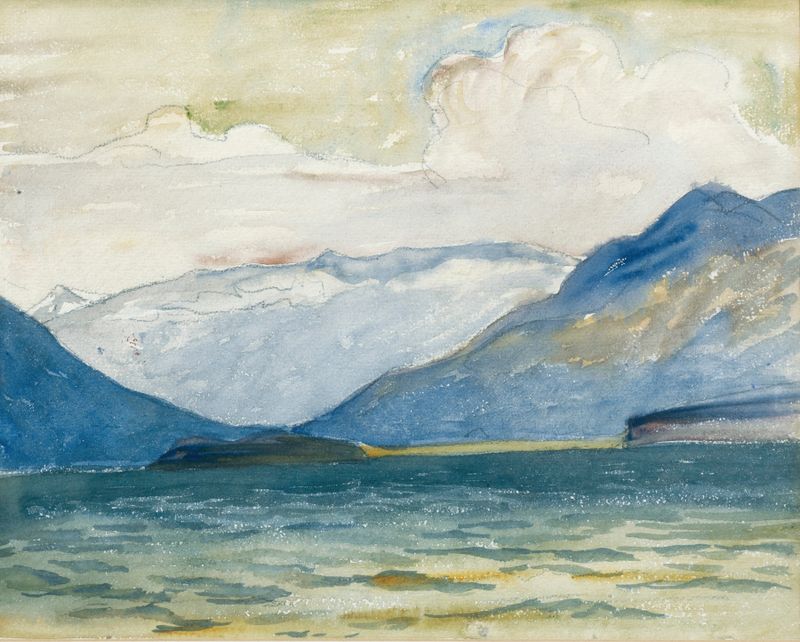
View From Plaun Da Lej Towards Chasté Peninsula
Giovanni Giacometti
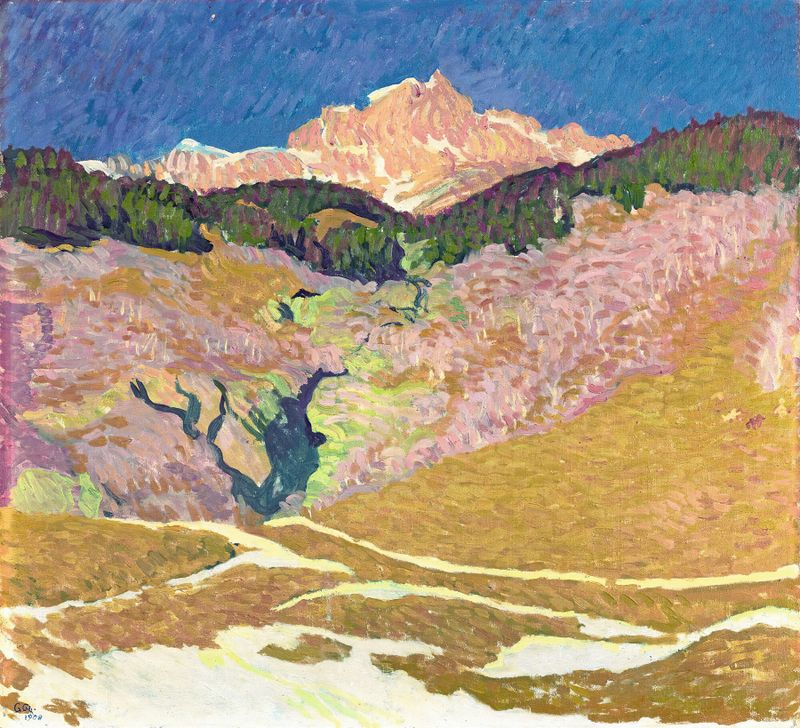
Piz Duan
Giovanni Giacometti
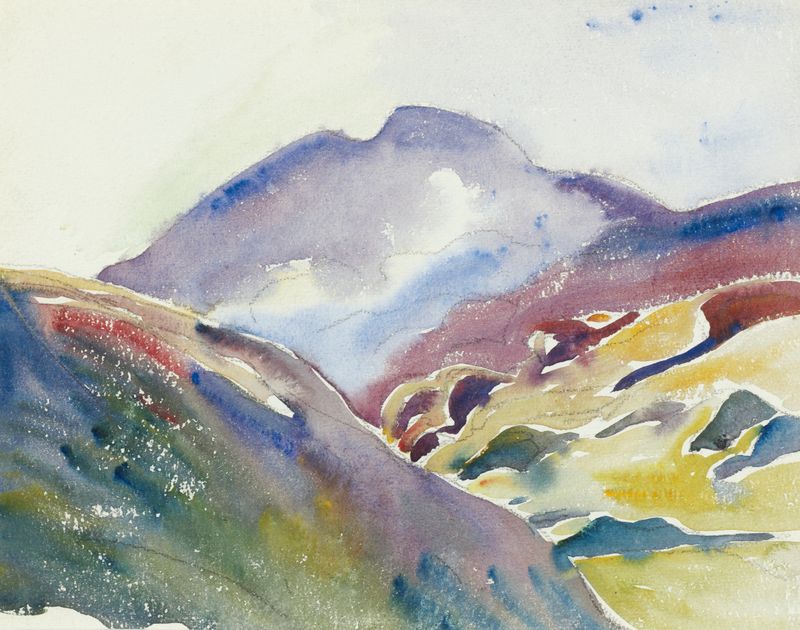
Alpine Landscape
Giovanni Giacometti
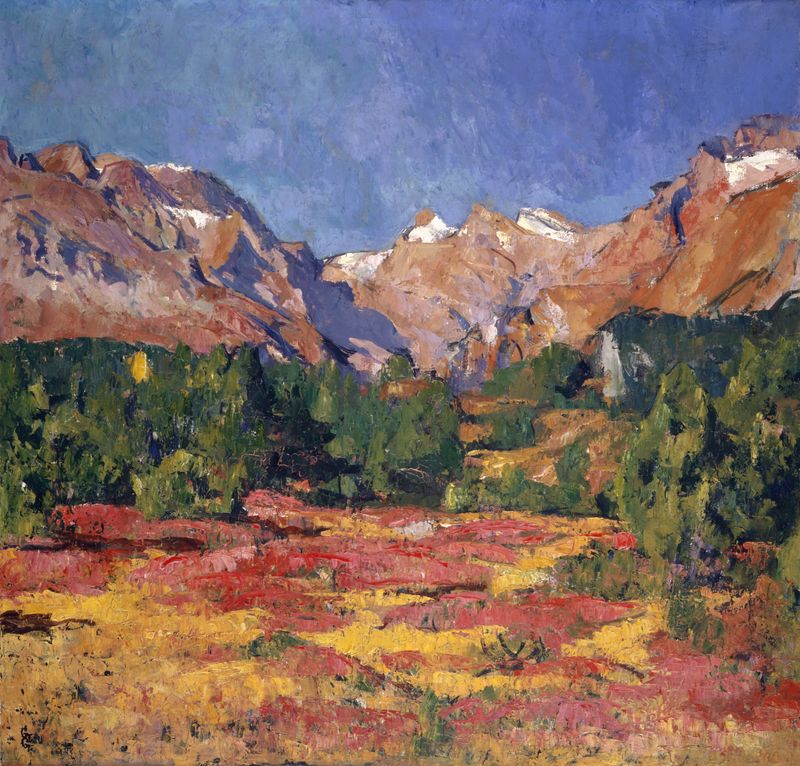
Autumn Landscape (Maroz Valley With Piz Duan And Gletscherhorn)
Giovanni Giacometti
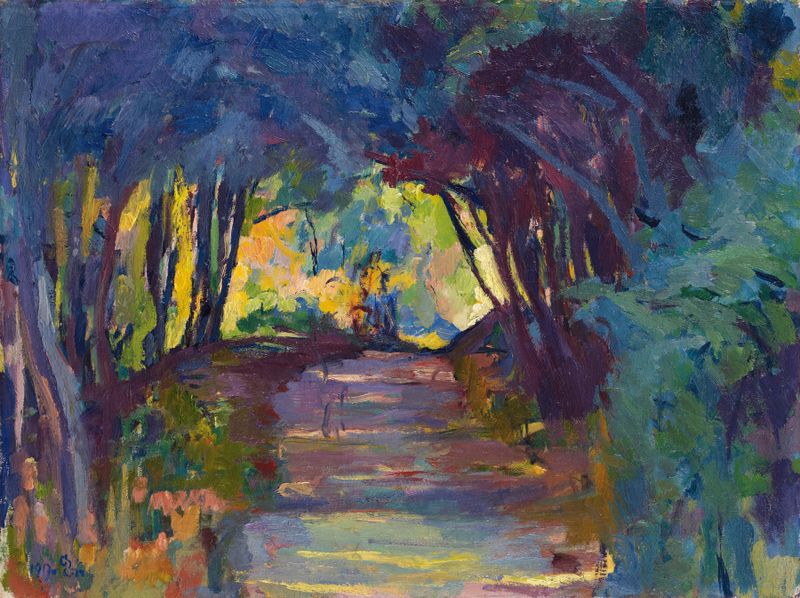
Forest Track
Giovanni Giacometti
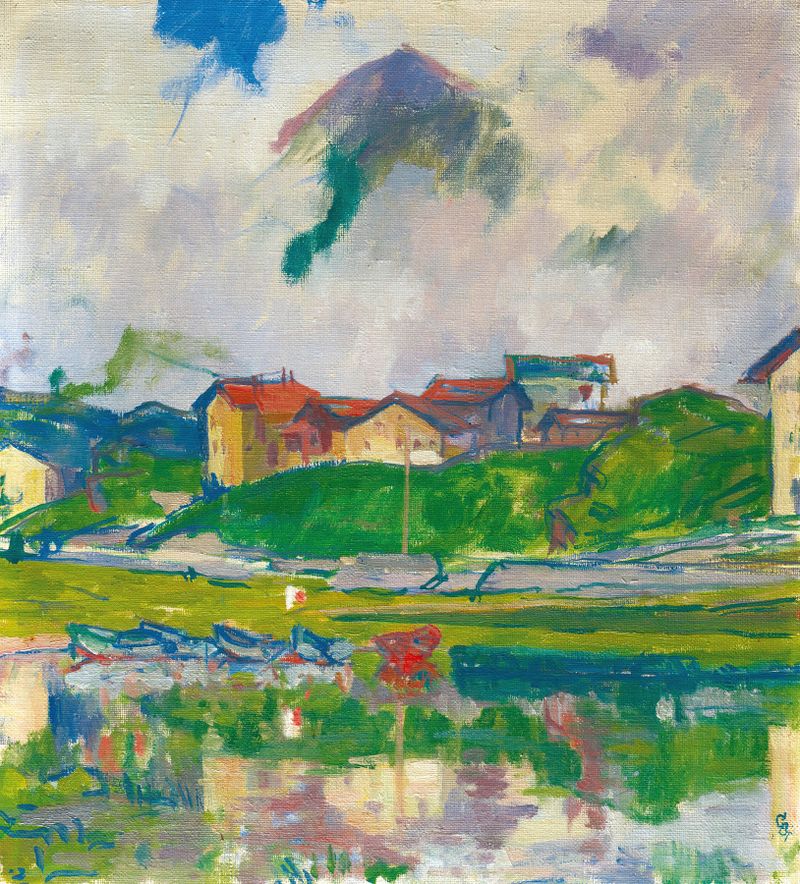
Maloja
Giovanni Giacometti
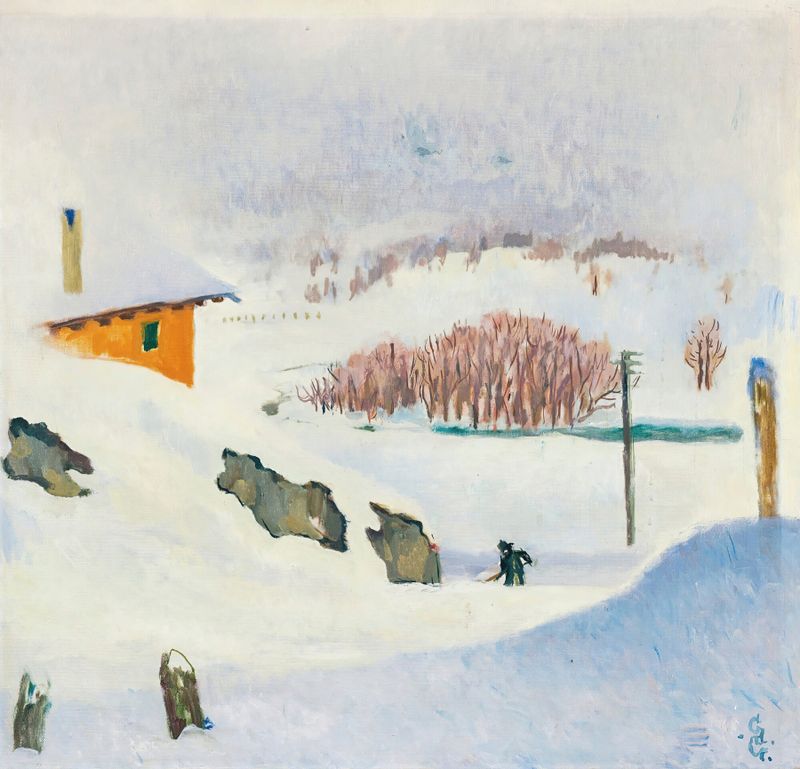
Inverno
Giovanni Giacometti





