
Dusk — History & Facts
Who listens when art speaks of silence? In the stillness of Dusk, a hushed moment unfolds, beckoning viewers to engage with the delicate interplay of light and shadow that dances across the canvas. Focus first on the horizon, where deep blues and purples merge seamlessly, creating a twilight gradient that evokes the transition between day and night. The clouds, rendered with soft, feathery strokes, draw the eye upward, inviting contemplation of the vastness above. Notice how the muted palette suggests a dreamlike quality, the illusion of fading light accentuated by the gentle glimmers scattered throughout, hinting at a world just beyond reach. This painting encapsulates the tension between presence and absence, where the fading light symbolizes both the end of a day and the onset of introspection.
The subtle layering of colors can be seen as a metaphor for unspoken emotions, while the emptiness of the foreground invites viewers to project their own thoughts and feelings into the silence. Such contrasts create a space that feels simultaneously intimate and infinite, challenging the audience to find meaning within its stillness. Created between 1900 and 1910, the artist worked during a period marked by the rise of modernist movements that sought to redefine artistic expression. Living in Europe amidst rapid industrial change, he experimented with color and form to evoke emotion over realism, reflecting society's shift towards abstraction and the exploration of inner experiences.
This context fueled his artistic journey, allowing Dusk to emerge as a poignant dialogue between the tangible and the ethereal.
More Artworks by Ferdinand Katona
Browse all →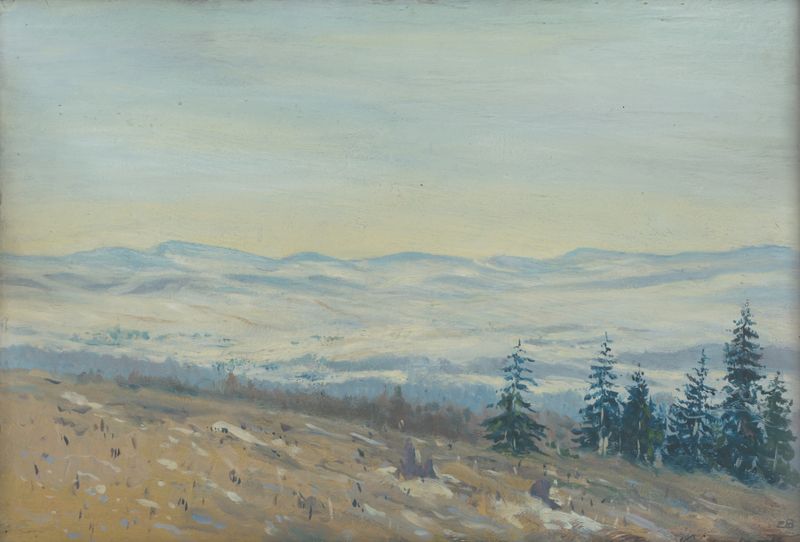
High Tatras
Ferdinand Katona
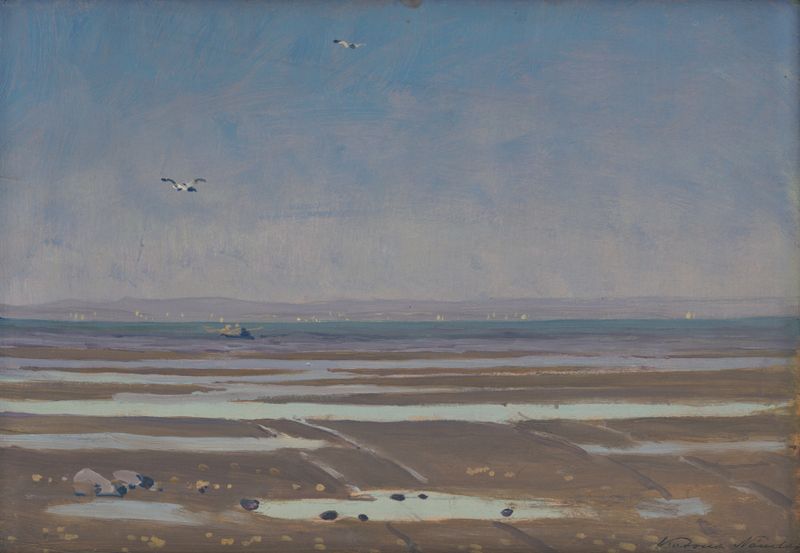
Early spring
Ferdinand Katona
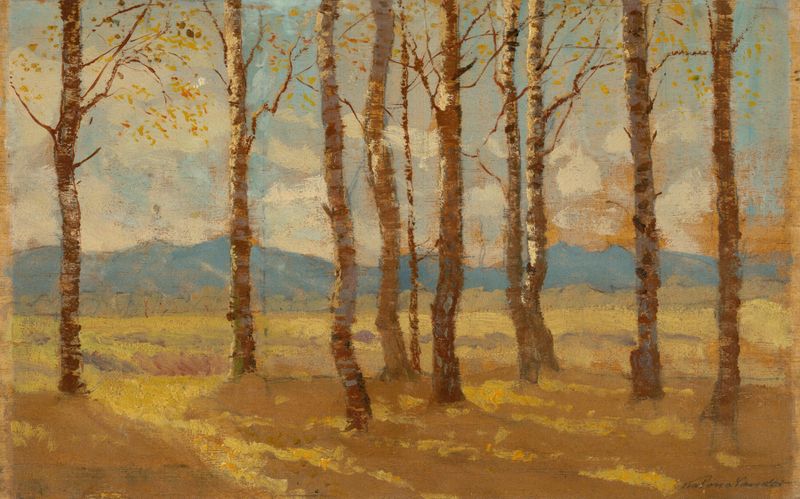
Birches in Autumn
Ferdinand Katona
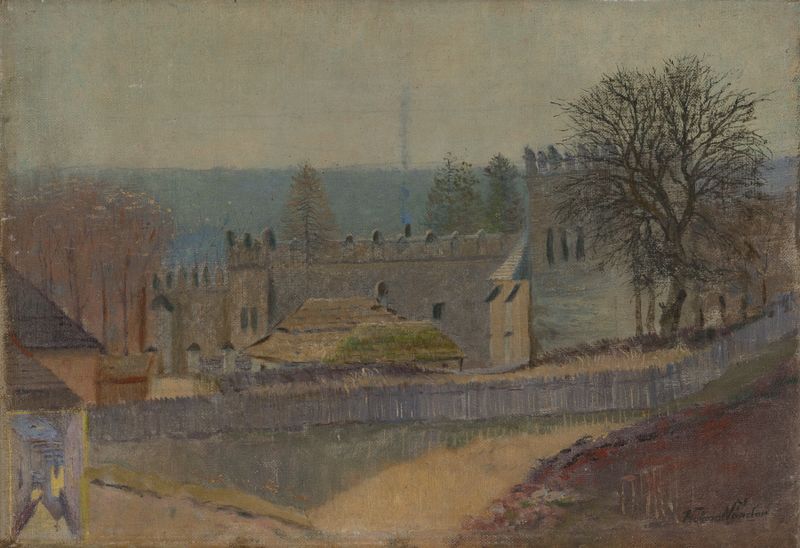
View of Strážky
Ferdinand Katona
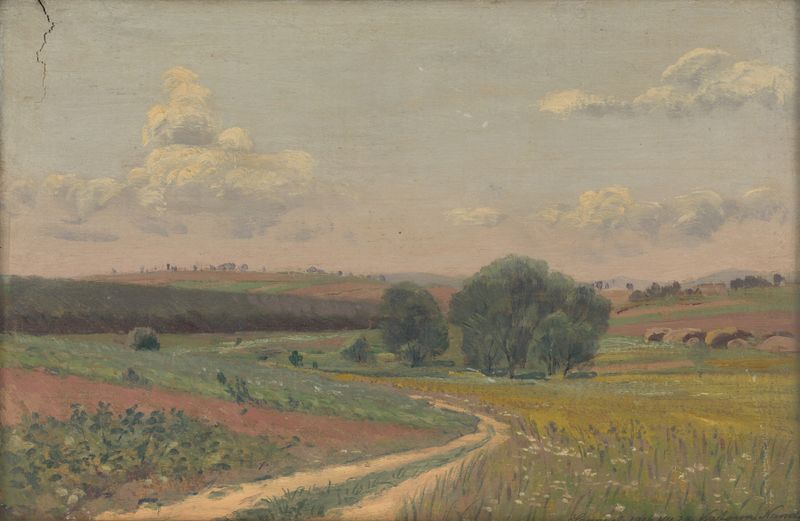
Landscape with a dirt road
Ferdinand Katona
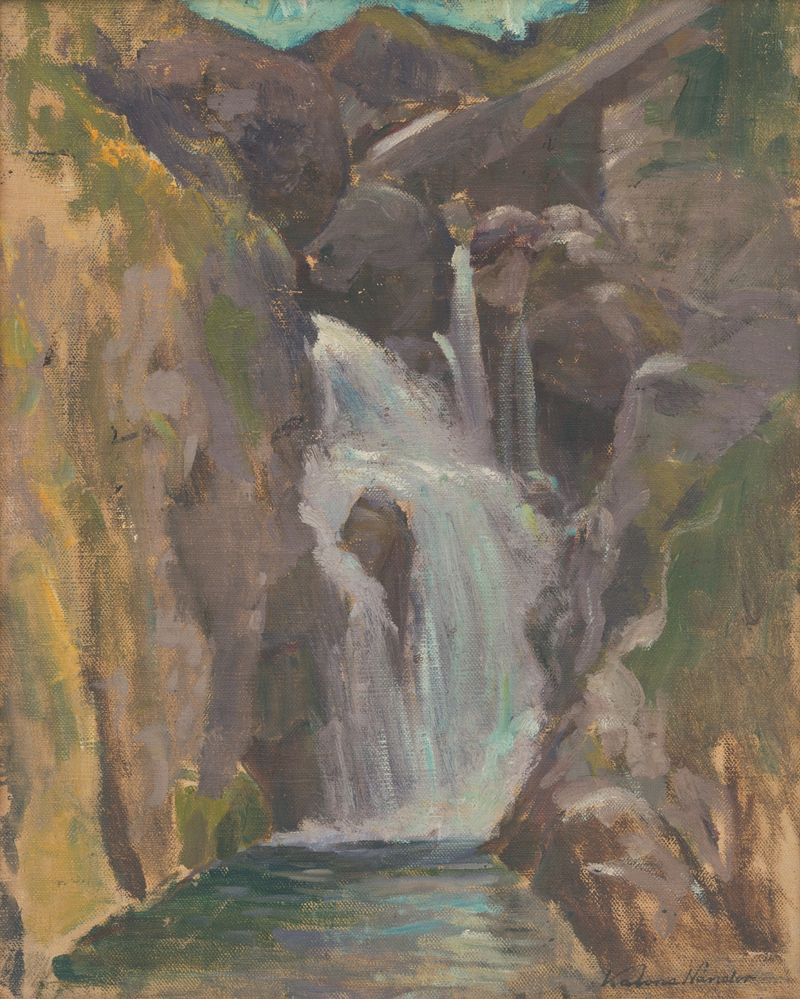
Waterfall
Ferdinand Katona
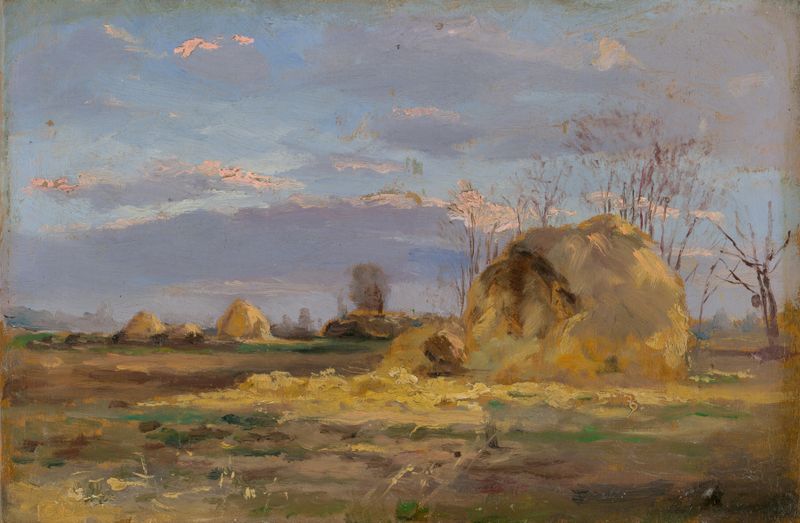
Autumn Landscape with Trees
Ferdinand Katona
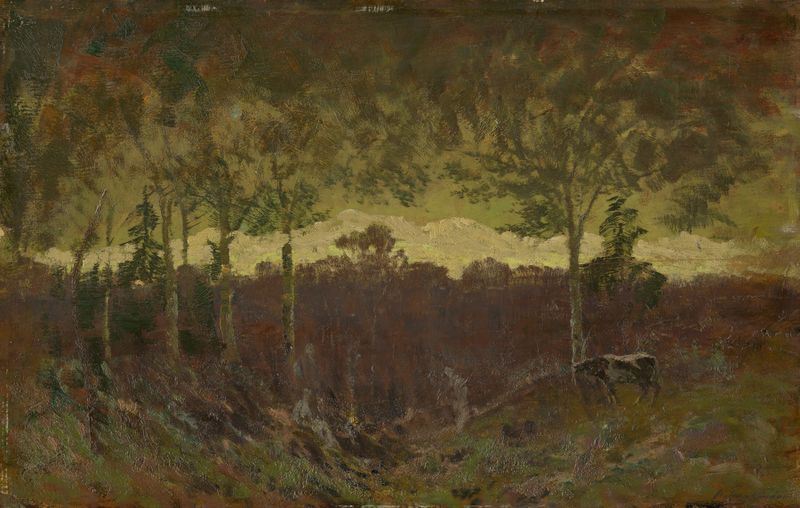
Early Evening Tatras Landscape
Ferdinand Katona
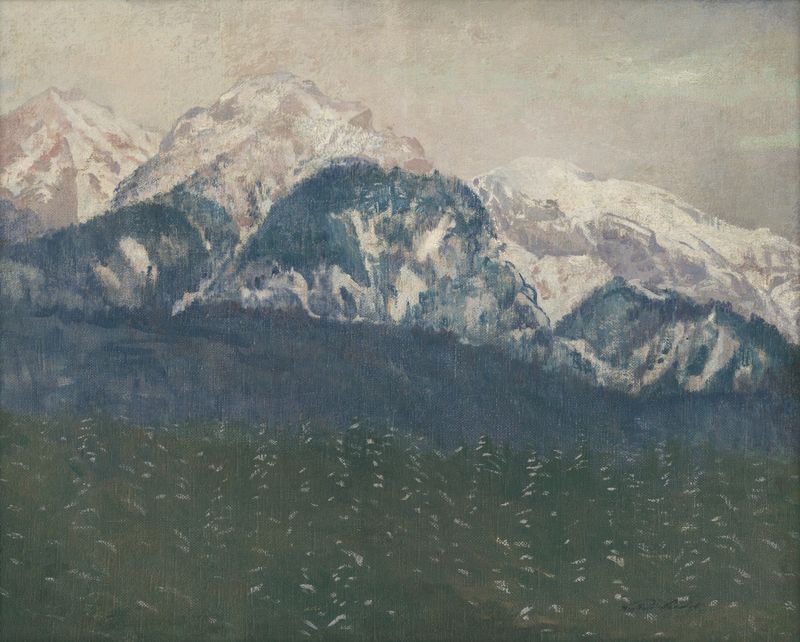
View of the High Tatras
Ferdinand Katona
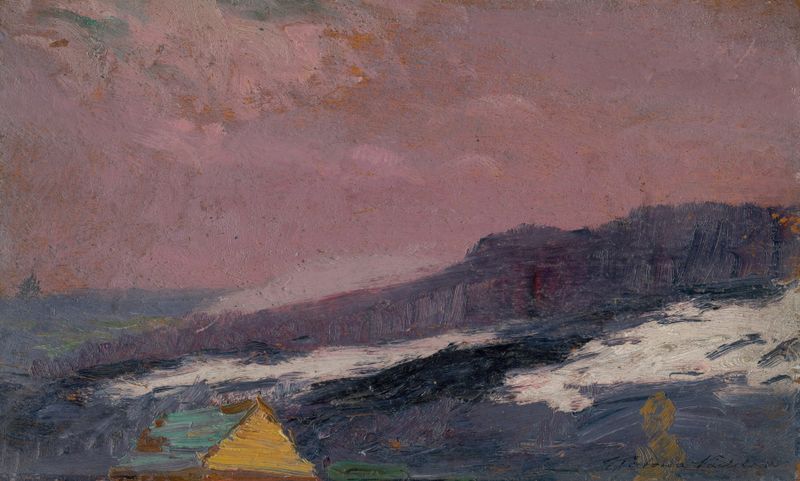
Early Spring
Ferdinand Katona





