
Eagle Street and Woodland Avenue — History & Facts
Is this a mirror — or a memory? In Eagle Street and Woodland Avenue, the boundaries between reality and nostalgia blur, inviting the viewer into a moment suspended in time. Look to the right at the cobblestone street, where the light dances upon the surface, illuminating the intricate textures that evoke a sense of place and history. Notice how the trees arch gracefully overhead, their leaves rendered in varying shades of green, creating a lush canopy that frames the serene scene below. The warm hues of the buildings juxtapose against the cooler shadows cast by the foliage, guiding your gaze deeper into the composition, while the subtle brushwork lends a delicate sense of movement, as if the world is gently breathing. Bacher captures not just a moment but an emotional landscape of urban life.
The juxtaposition of the sturdy architecture and the soft, organic forms of nature highlights a tension between civilization and the wild, suggesting a coexistence often overlooked. The figures, small and almost ghostly in their presence, hint at stories untold, invoking a sense of both solitude and community within this vibrant setting. In 1878, Otto Henry Bacher was navigating the transition from academic training to a more independent artistic voice. Having relocated to the United States, he was profoundly influenced by the landscapes and everyday life around him.
This painting reflects not only his evolving style but also the burgeoning American art scene, blending elements of realism with the charm of impressionistic techniques as new artistic movements began to take shape.
More Artworks by Otto Henry Bacher
Browse all →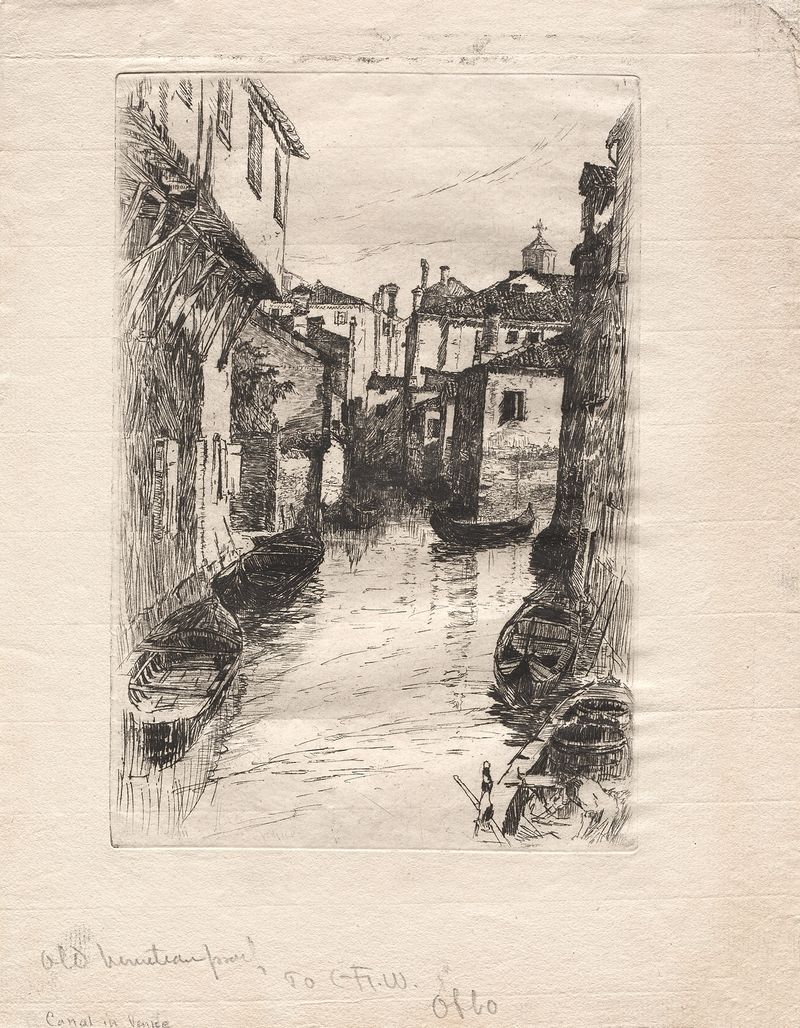
Canal in Venice
Otto Henry Bacher
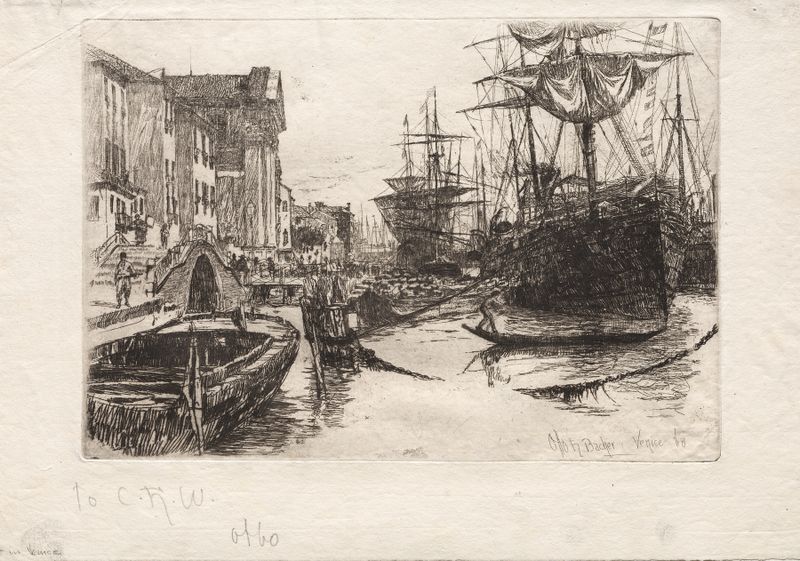
View in Venice
Otto Henry Bacher
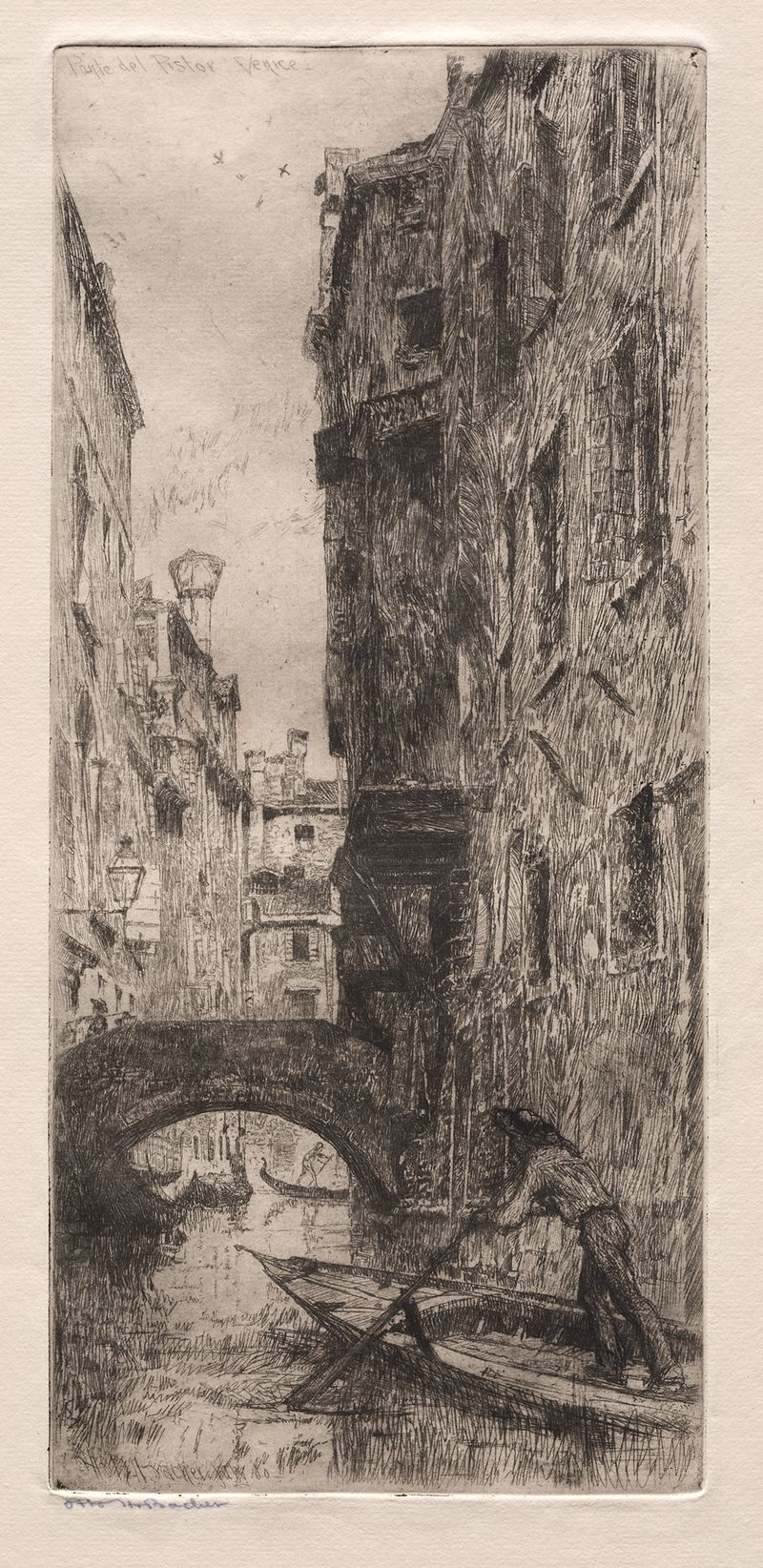
Ponte del Pistor, Venice
Otto Henry Bacher
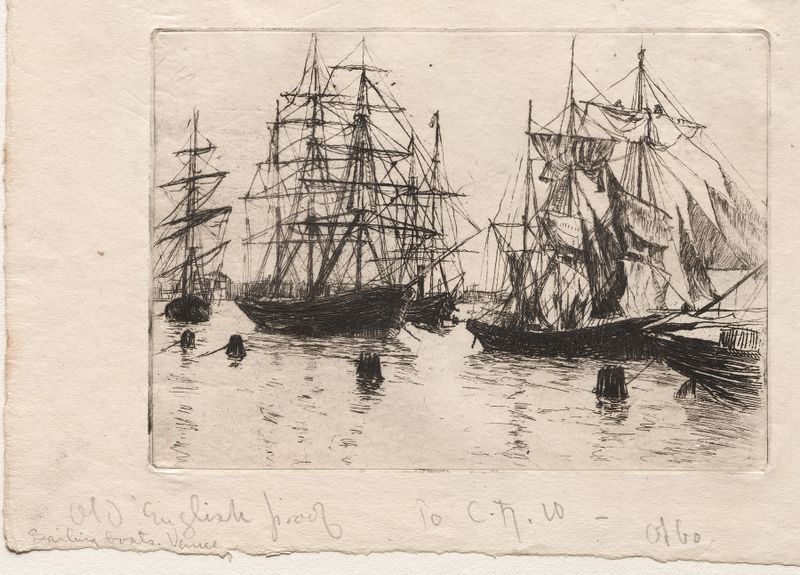
Sailing Boats, Venice
Otto Henry Bacher
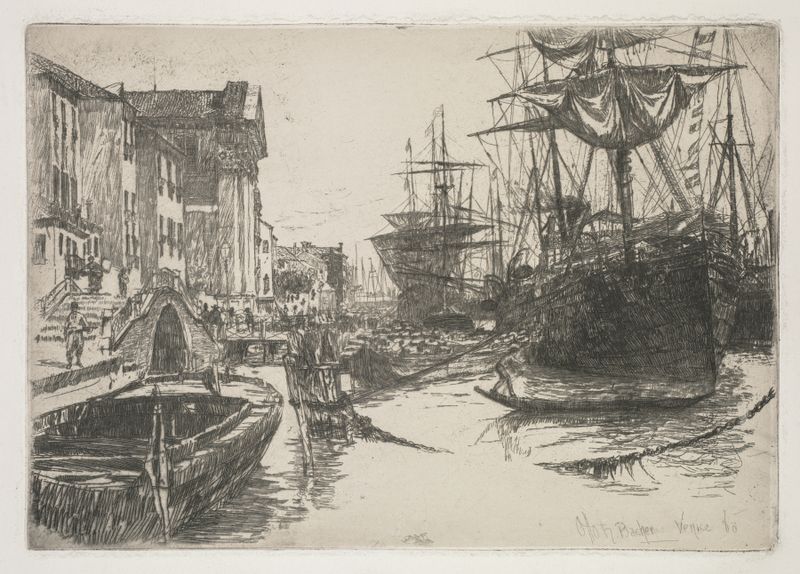
Fondamenta della Zattere
Otto Henry Bacher
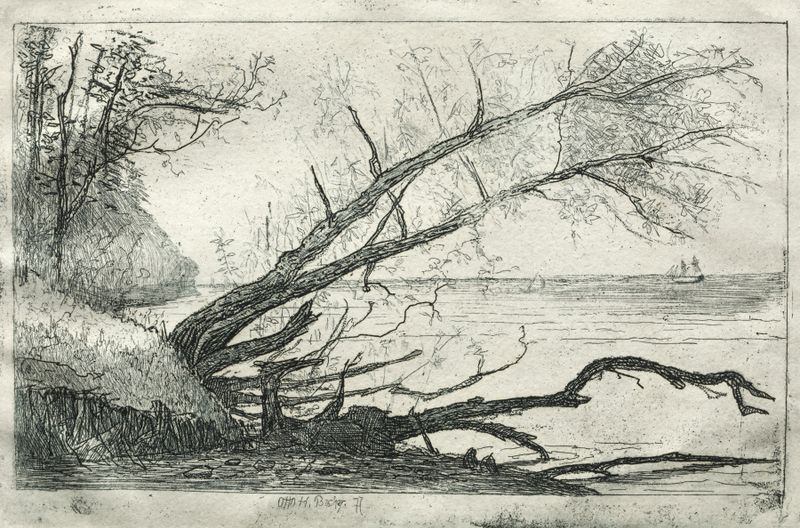
Old Sycamore
Otto Henry Bacher
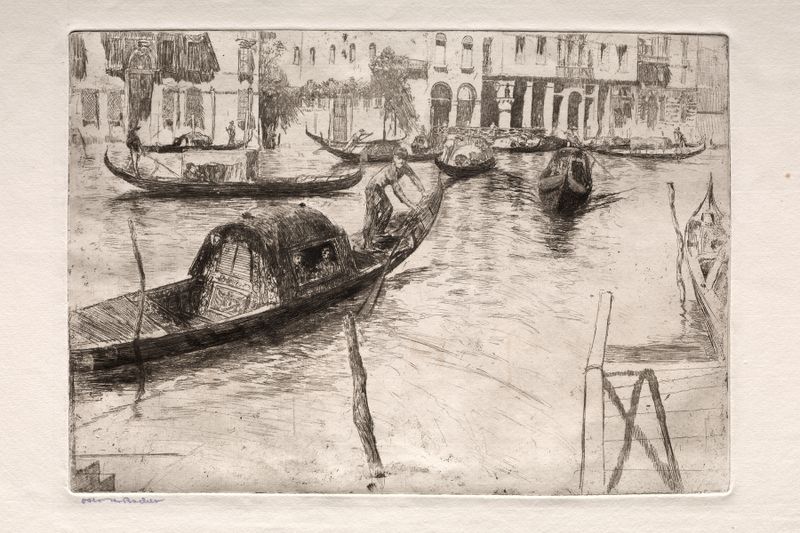
Traghetto San Felice
Otto Henry Bacher
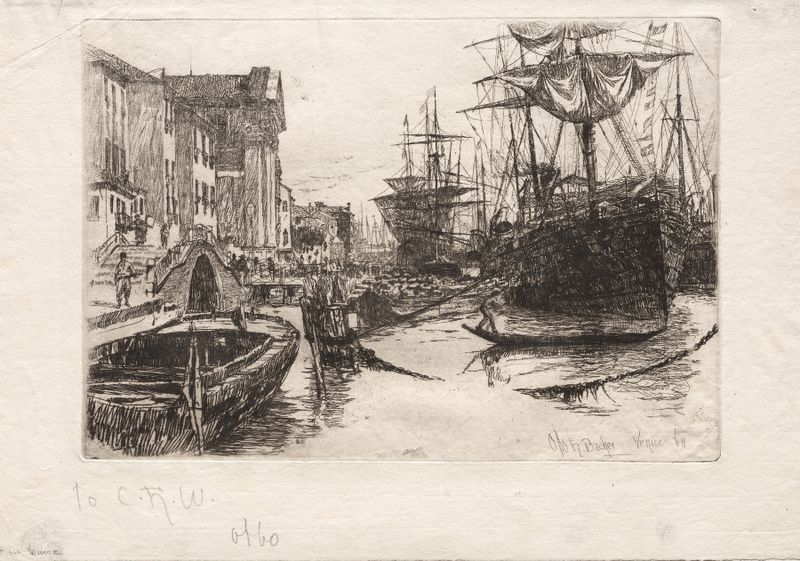
View in Venice
Otto Henry Bacher
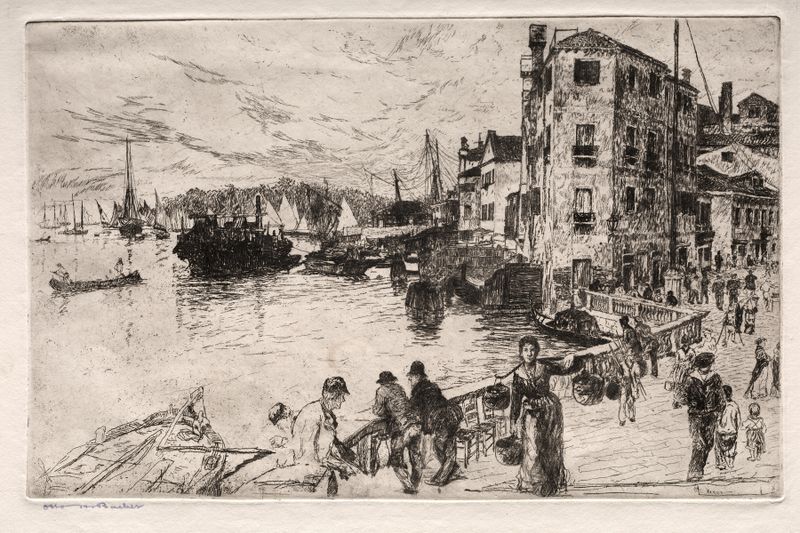
Castello Quarters, Riva
Otto Henry Bacher
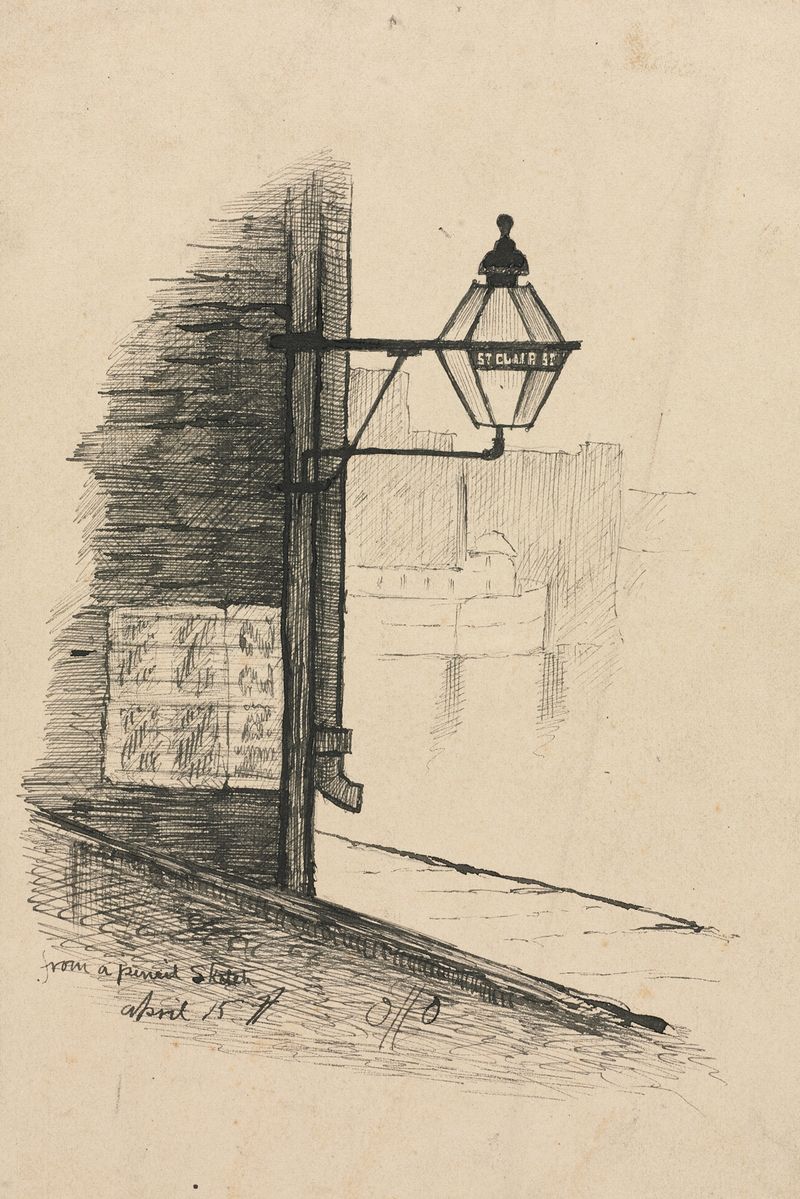
St. Clair Street, Cleveland
Otto Henry Bacher





