
Early Autumn, New York — History & Facts
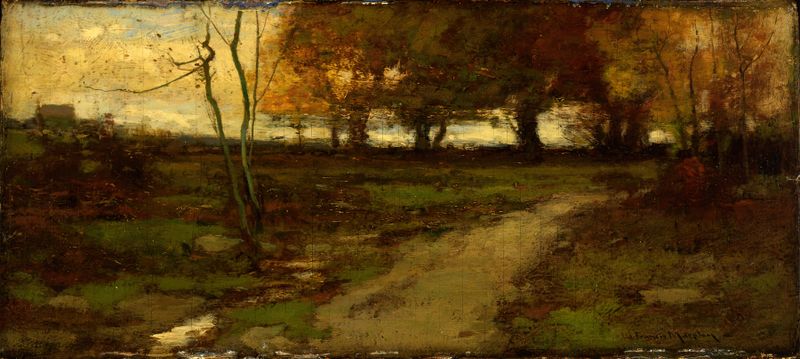
When did color learn to lie? The vibrant hues of autumn can deceive the heart, masking the sorrow of fleeting days beneath a facade of beauty. Look to the left at the fiery reds and golden yellows that blaze across the canvas, capturing the essence of a New York autumn. The trees stand tall, their branches adorned with leaves like jewels, creating a canopy that filters the sunlight into a soft, amber glow. The skyline peeks through, a hint of urban structure intermixed with nature's splendor, and the brushstrokes are dynamic yet serene, reflecting a moment suspended in time. Beneath this radiant display lies a tension between the transient beauty of nature and the inevitable march of time.
The contrasting play of light and shadow reveals not only the landscape but also the fleeting nature of life itself; each vibrant leaf, a reminder of the inevitable decay that follows. The distant buildings suggest human ambition, overshadowed by the vastness of the natural world that surrounds them. This duality invites contemplation about the balance between progress and preservation. Murphy painted this piece during a period in his life when he began to embrace the Impressionist movement, likely in the early 20th century while living in New York.
The rise of urbanization was reshaping America, influencing his artistic perspective as he sought to capture the beauty of American landscapes. His work reflects a desire to document a world in transition, merging the vibrancy of nature with the burgeoning cityscape that framed his reality.
More Artworks by John Francis Murphy
Browse all →
October
John Francis Murphy
Landscape
John Francis Murphy
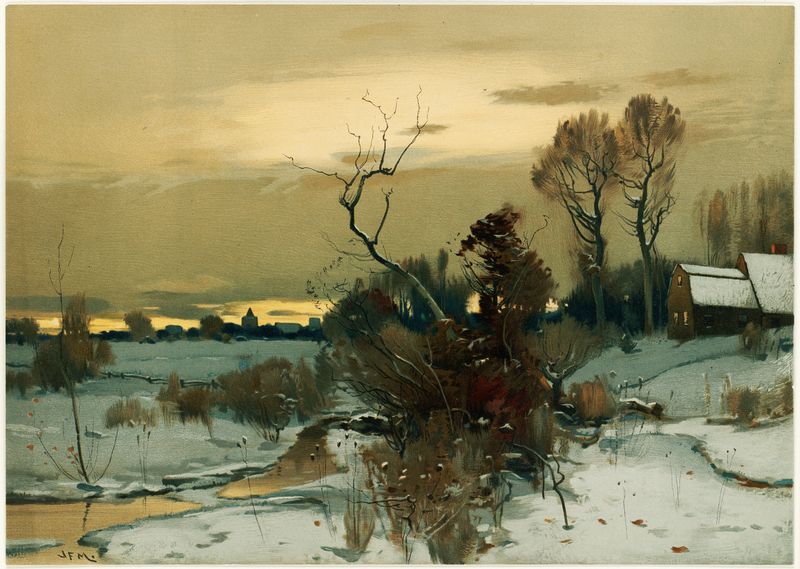
Winter landscape
John Francis Murphy

The Road Home
John Francis Murphy

Indian Summer
John Francis Murphy
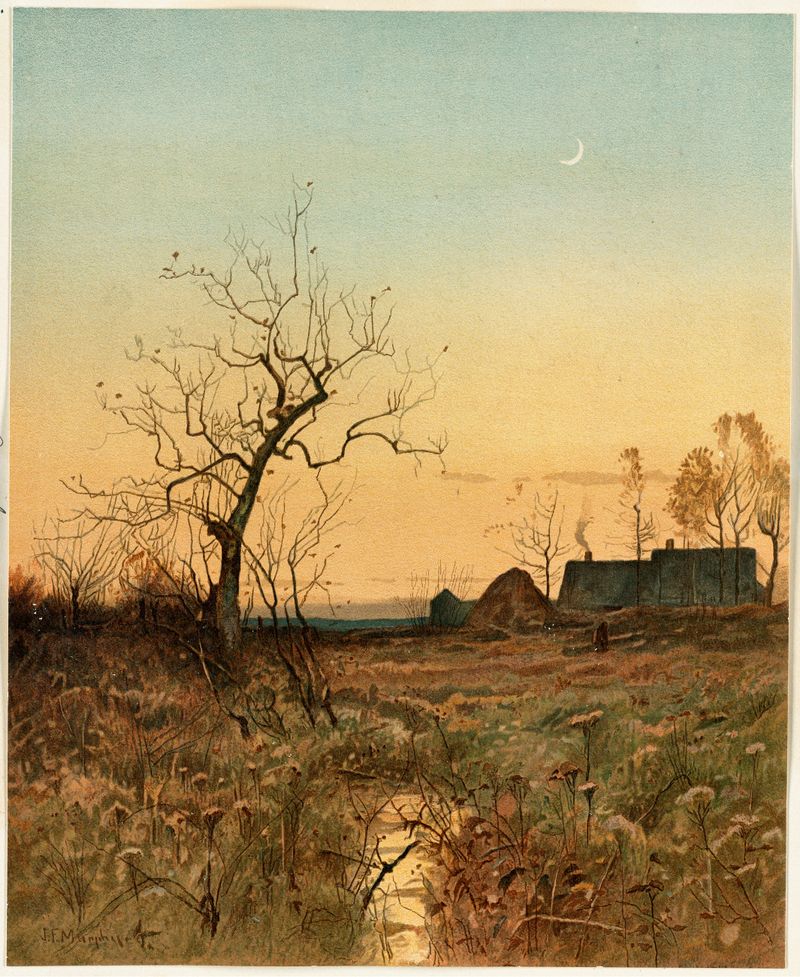
November
John Francis Murphy

Small Landscape
John Francis Murphy
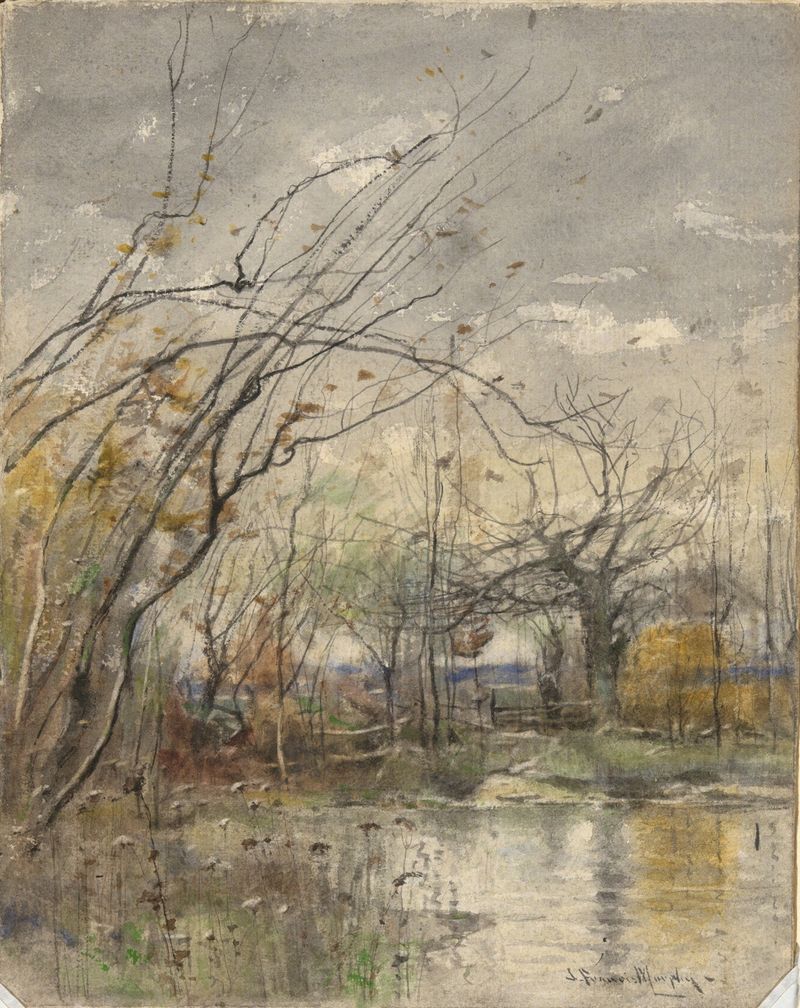
Landscape
John Francis Murphy

The Meadow
John Francis Murphy

After the Storm
John Francis Murphy





