
Winter landscape — History & Facts
Who listens when art speaks of silence? The stillness of a winter landscape reveals more than mere frost and snow; it invites introspection, a revelation in whispers. Focus on the foreground where a delicate blanket of white envelops the ground, softly textured and inviting the viewer to step into the chill. Notice how the muted palette of grays and blues contrasts with the ethereal glow of the horizon, hinting at the sun's reluctant rise. The trees, skeletal and bare, reach upward, their branches etched against the vast expanse of sky, drawing the eye toward the depth of the scene.
Each brushstroke conveys the gentle caress of the cold, creating an atmosphere steeped in tranquil solitude. Hidden amidst the serenity are emotional tensions — the contrast between the starkness of the landscape and the warm hues of dawn suggesting hope or change. The subtle interplay of light and shadow hints at the fleeting nature of winter, a reminder that seasons, like emotions, are transient. The vastness evokes feelings of isolation yet also invites contemplation, making the viewer ponder not only the beauty of nature but also their place within it. Painted during the latter part of the 19th century, the artist created this piece in a time when American art was beginning to embrace realism and impressionism.
Living in New York, Murphy sought to capture the essence of natural beauty, responding to a growing appreciation for landscapes that reflected the American experience. His works, including this one, embody a pivotal moment where art began to intertwine with deeper emotional landscapes.
More Artworks by John Francis Murphy
Browse all →
October
John Francis Murphy
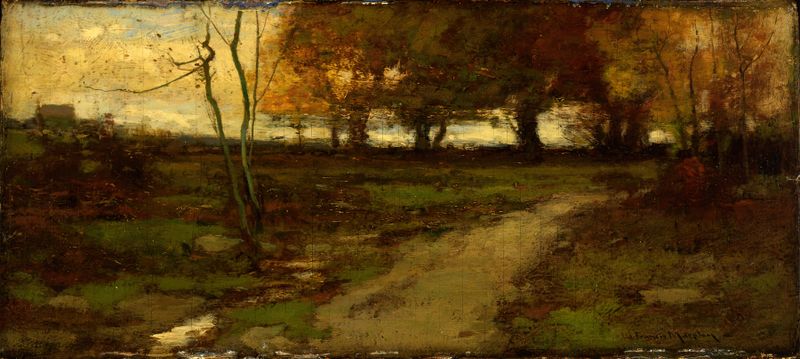
Landscape
John Francis Murphy

The Road Home
John Francis Murphy

Indian Summer
John Francis Murphy
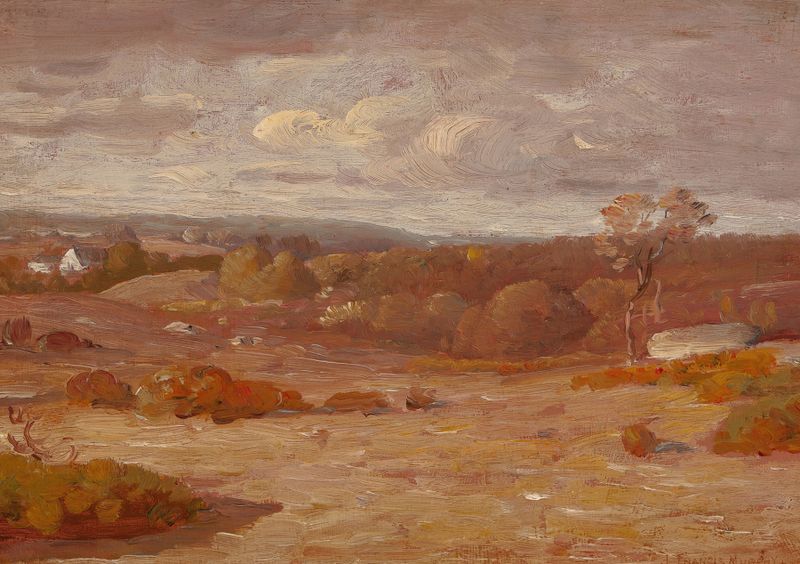
Early Autumn, New York
John Francis Murphy
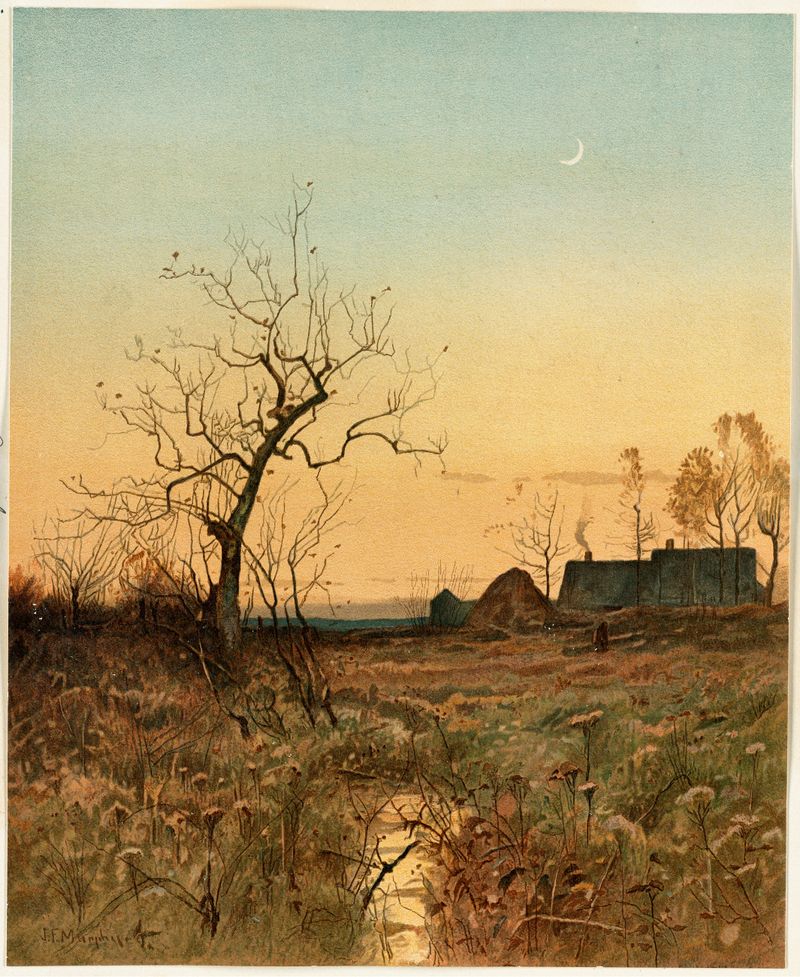
November
John Francis Murphy

Small Landscape
John Francis Murphy
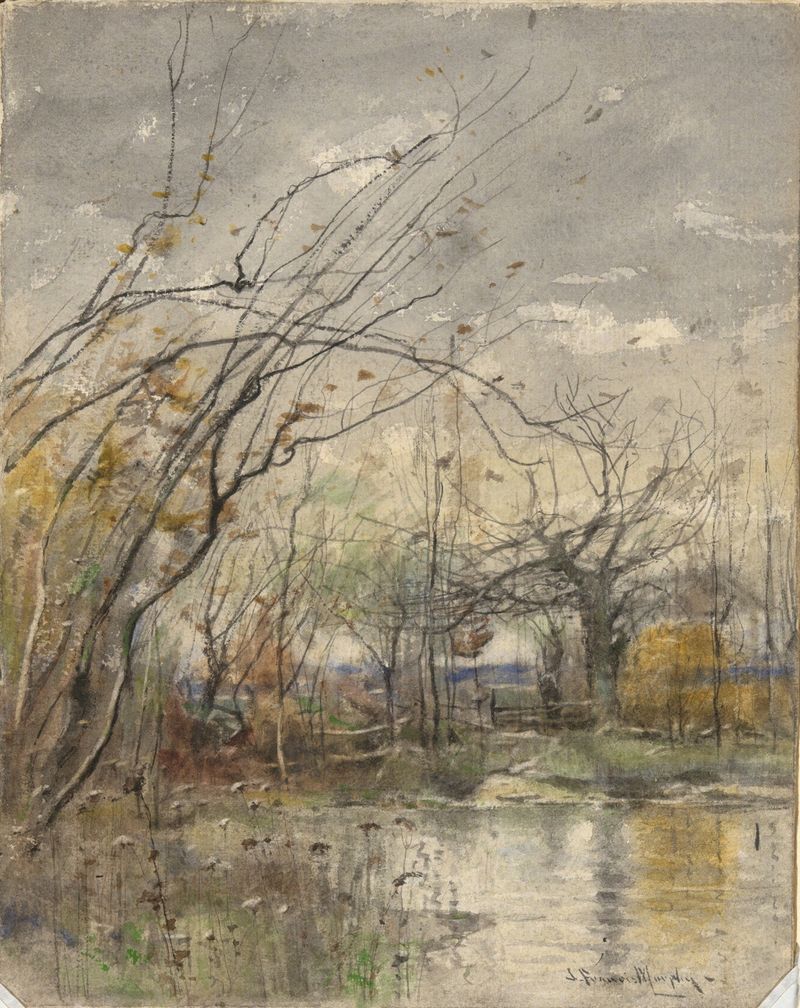
Landscape
John Francis Murphy

The Meadow
John Francis Murphy

After the Storm
John Francis Murphy





