
Landscape — History & Facts
In the quietude of the landscape, where nature breathes softly, echoes of betrayal linger in the air, unspoken yet palpably felt. Look to the bottom left at the gentle curve of the river, where the water reflects muted greens and blues, drawing your eye towards the horizon. Notice how the artist uses dappled sunlight to illuminate the trees, their leaves rendered in an array of yellows and greens that contrast starkly with the shadowed undergrowth. The composition is open and inviting, yet the darker patches in the foreground whisper secrets—an unsettling tension beneath the serene beauty. The interplay of light and shadow reveals more than mere aesthetics; it hints at hidden narratives.
The bright areas symbolize hope and innocence, while the looming shadows evoke feelings of loss and regret. The viewer is left to ponder whether the landscape is a sanctuary or a bittersweet reminder of what once was, each brushstroke a testament to fleeting moments and unfulfilled promises. In the years between 1880 and 1890, John Francis Murphy painted this work during a time of personal and professional growth. As he honed his skill in the dynamic artistic community of America, his style evolved, reflecting both the burgeoning impressionist influence and his deep connection to the natural world.
This period marked a significant transition as he grappled with his artistic identity while observing the shifting landscapes of nature and emotion.
More Artworks by John Francis Murphy
Browse all →
October
John Francis Murphy
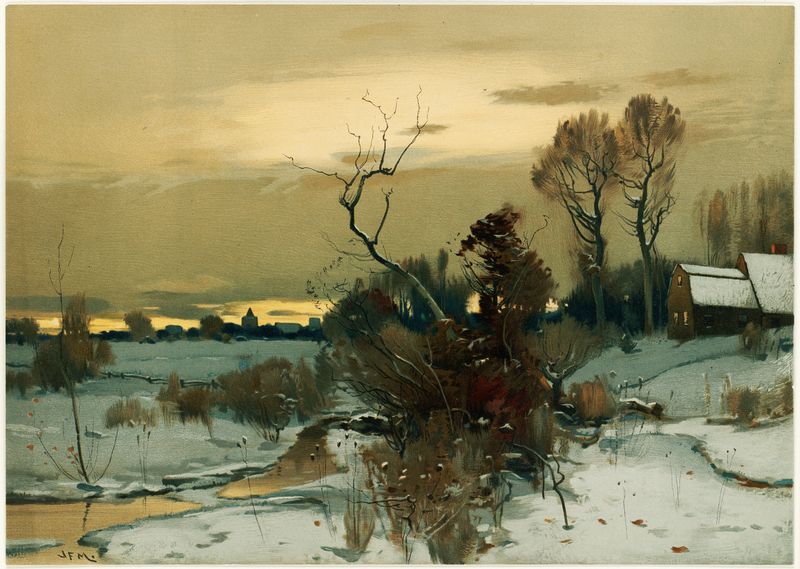
Winter landscape
John Francis Murphy

The Road Home
John Francis Murphy

Indian Summer
John Francis Murphy
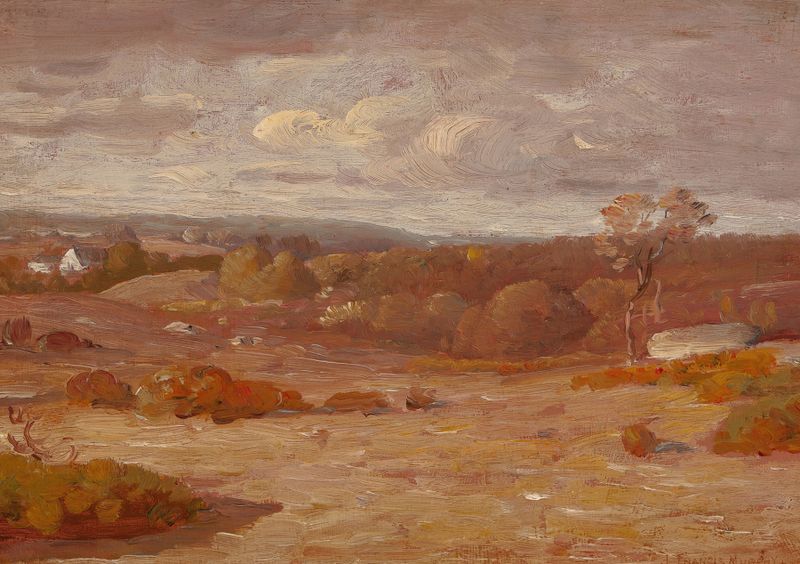
Early Autumn, New York
John Francis Murphy
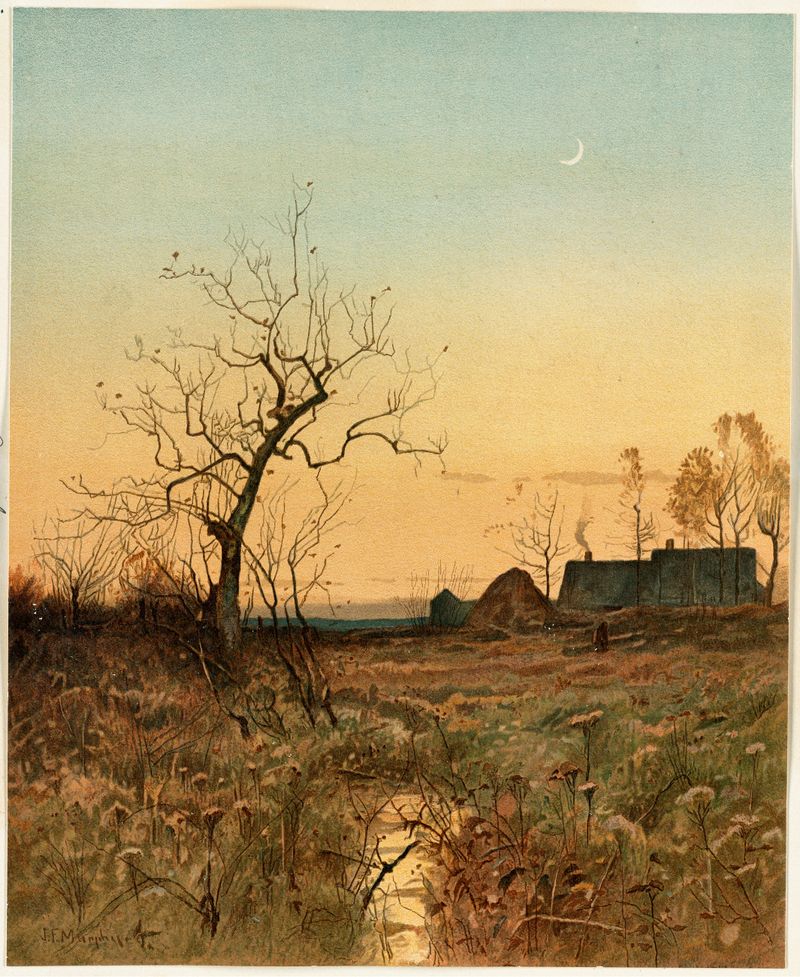
November
John Francis Murphy

Small Landscape
John Francis Murphy
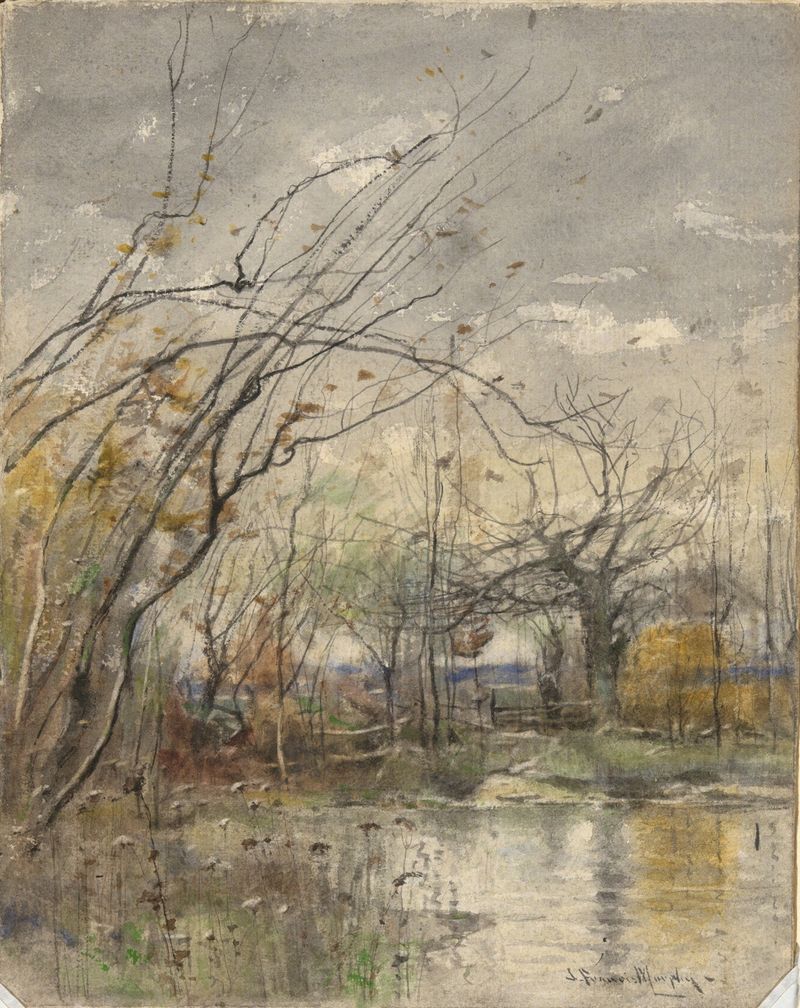
Landscape
John Francis Murphy

The Meadow
John Francis Murphy

After the Storm
John Francis Murphy





