
Early Spring in the Tatras — History & Facts
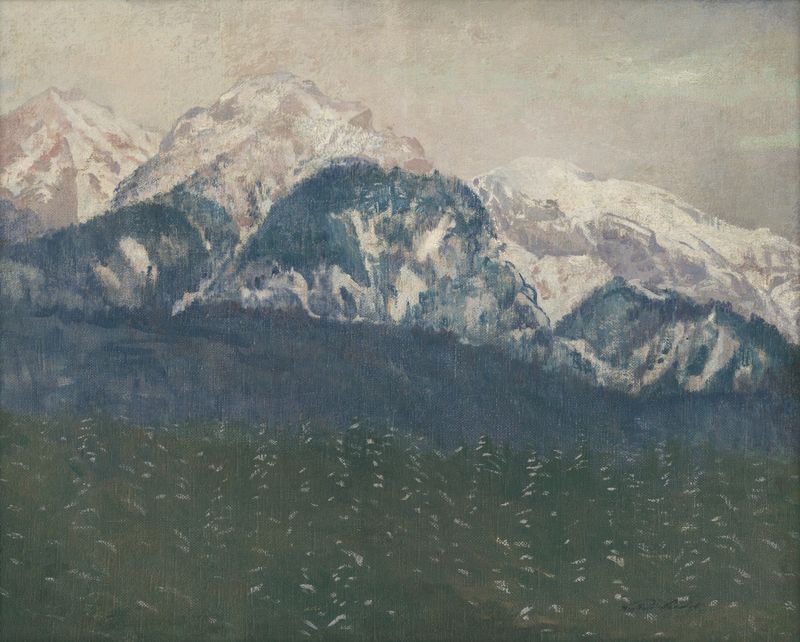
Can paint confess what words never could? In Early Spring in the Tatras, the silence of the landscape speaks volumes, as nature awakens with a quiet intensity that resonates beyond the canvas. Look to the left, where the snow-clad peaks rise majestically, their craggy forms softened by the lingering mists of winter. The palette is a delicate balance of muted greens and soft whites, reflecting the gentleness of a season on the cusp of rebirth. Notice how the light filters down through the clouds, casting an ethereal glow over the valley, illuminating the budding life below.
The trees stand like sentinels, their branches yearning towards the sky, while the crispness of the air is almost palpable in this serene tableau. Yet, there lies an undercurrent of tension in this harmonious scene. The contrast between the harshness of the mountains and the delicate hints of spring suggests a struggle between the thawing earth and the lingering chill of winter. Each brushstroke captures the fleeting essence of time, reminding us that these moments of transition are both beautiful and fragile.
The serenity of the composition belies an emotional depth, evoking a yearning for change that resonates in the viewer's heart. During the period between 1910 and 1930, Ferdinand Katona painted this work amidst the backdrop of a world grappling with change and upheaval. As a prominent figure in the art scene of Central Europe, he was influenced by the shifting artistic currents of the time, including impressionism and a growing interest in capturing the natural world. This painting reflects both his personal journey and the broader cultural context, embodying the spirit of renewal while echoing the silent tensions of an era in transition.
More Artworks by Ferdinand Katona
Browse all →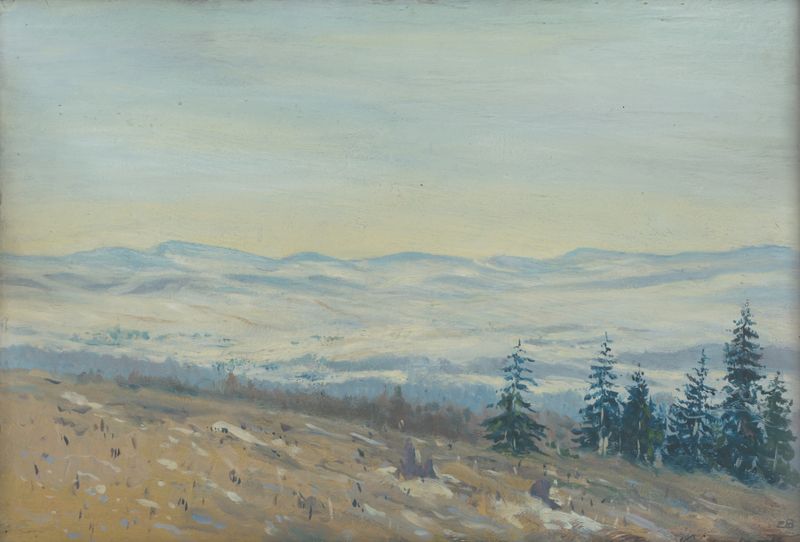
High Tatras
Ferdinand Katona
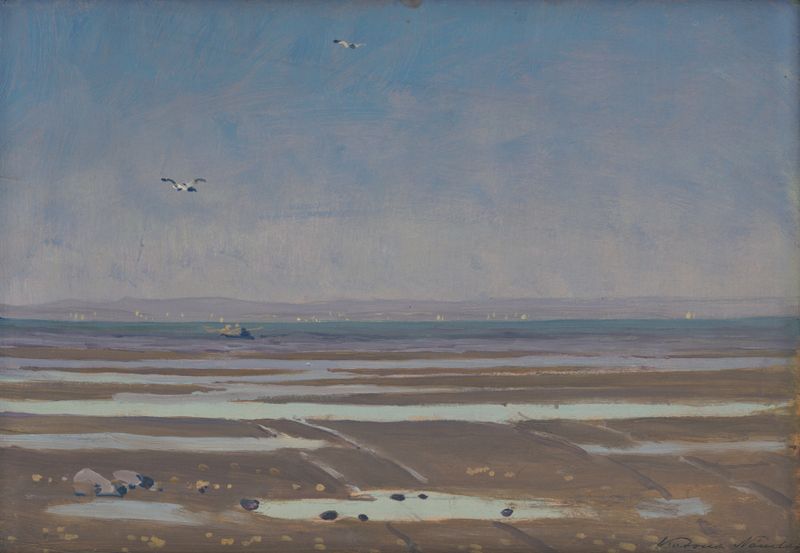
Early spring
Ferdinand Katona
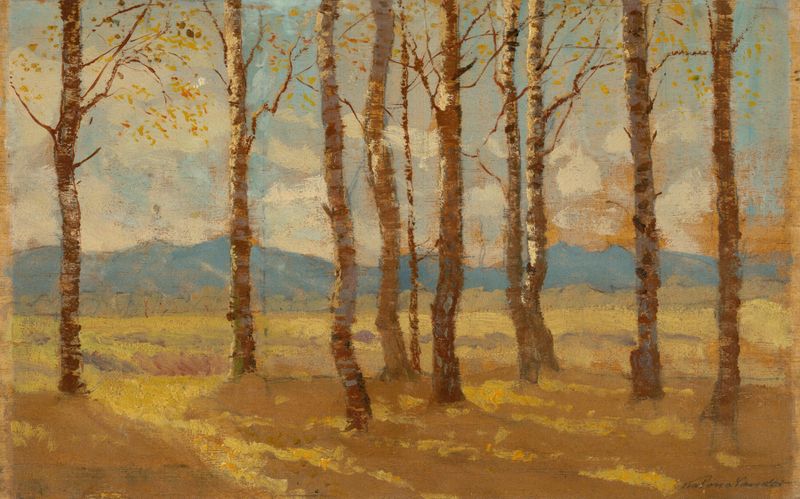
Birches in Autumn
Ferdinand Katona
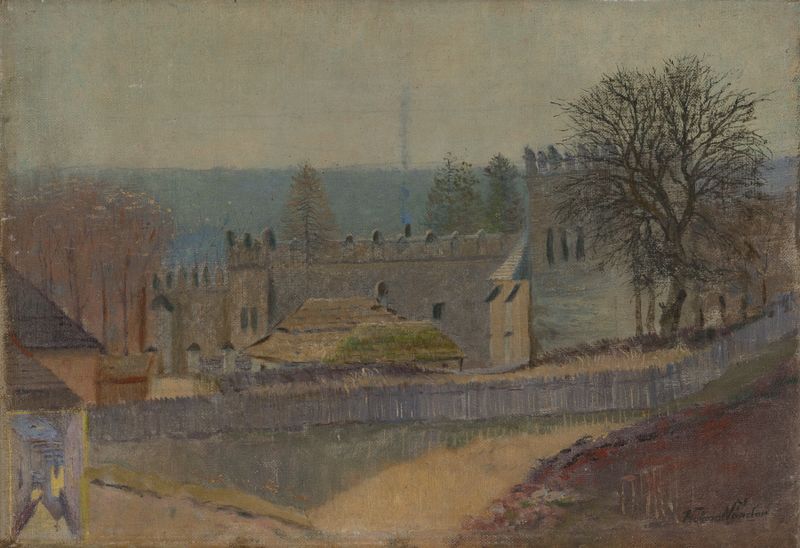
View of Strážky
Ferdinand Katona
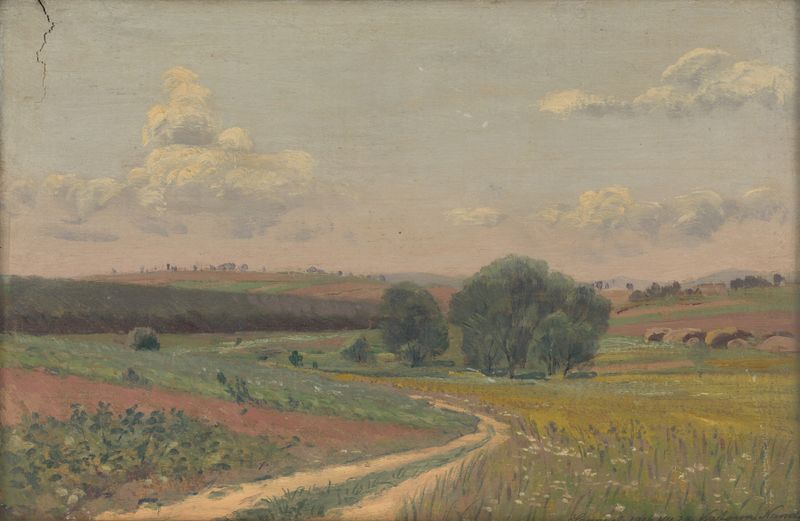
Landscape with a dirt road
Ferdinand Katona
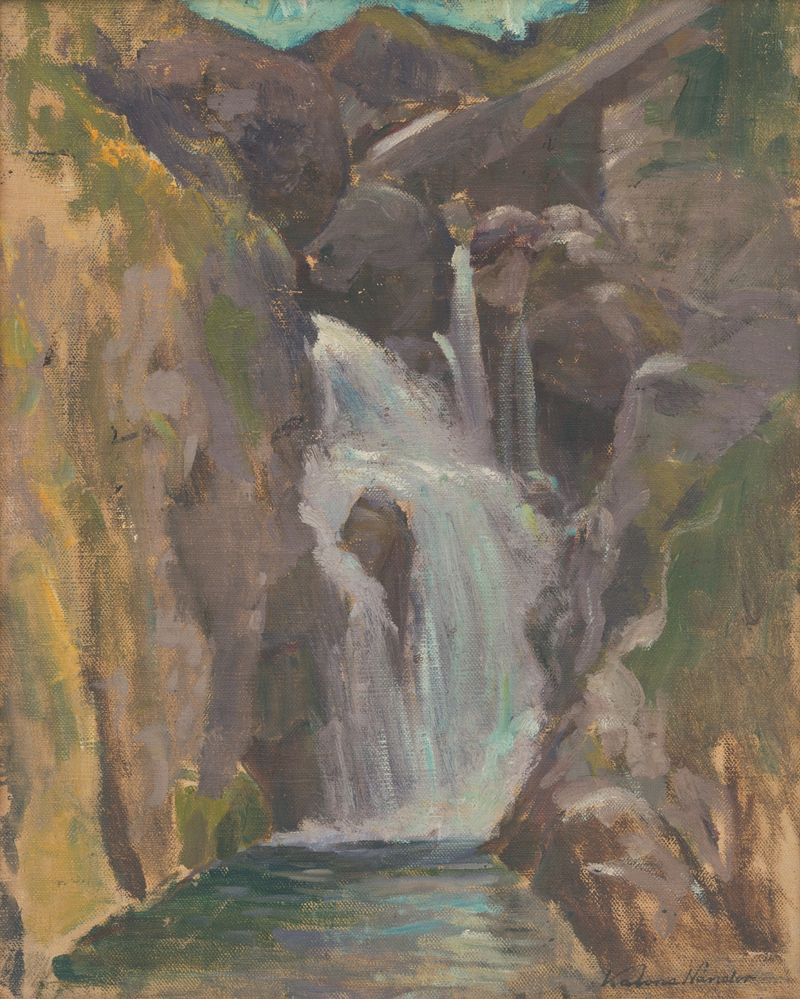
Waterfall
Ferdinand Katona
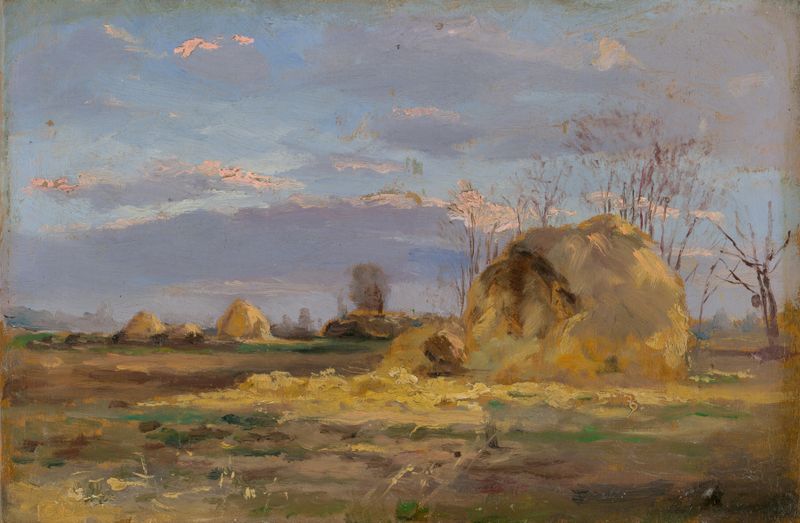
Autumn Landscape with Trees
Ferdinand Katona
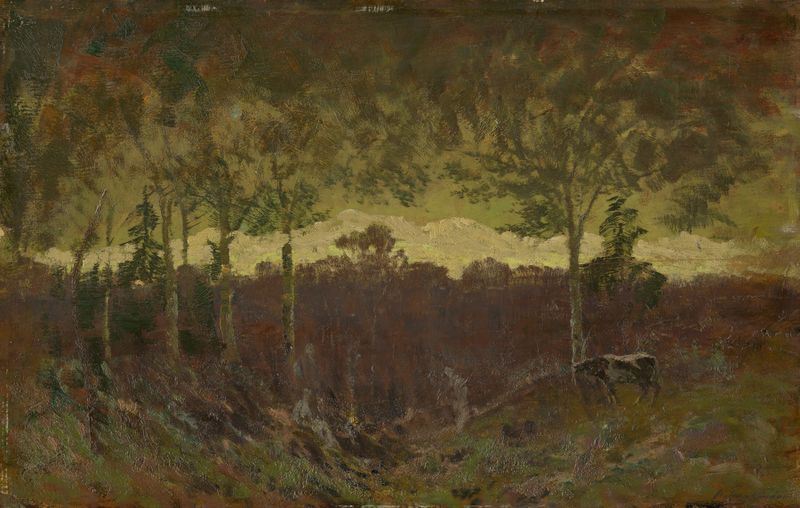
Early Evening Tatras Landscape
Ferdinand Katona
View of the High Tatras
Ferdinand Katona
Early Spring
Ferdinand Katona





