East Hampton Meadows — History & Facts
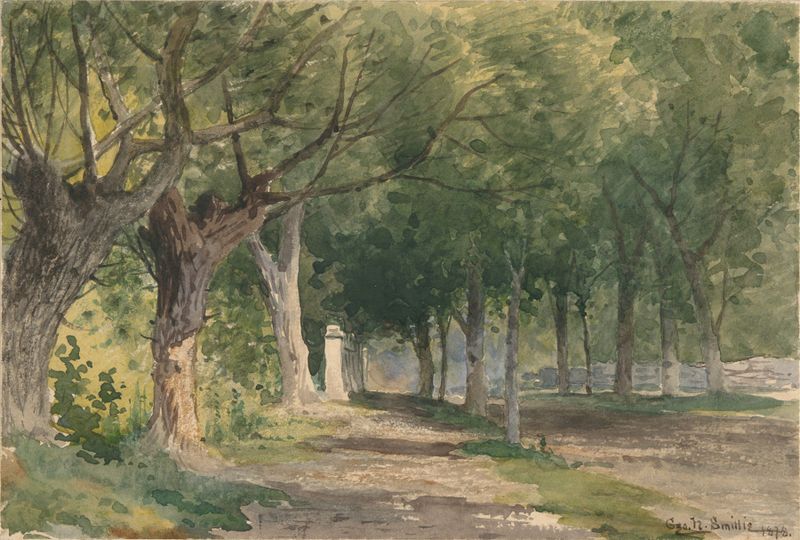
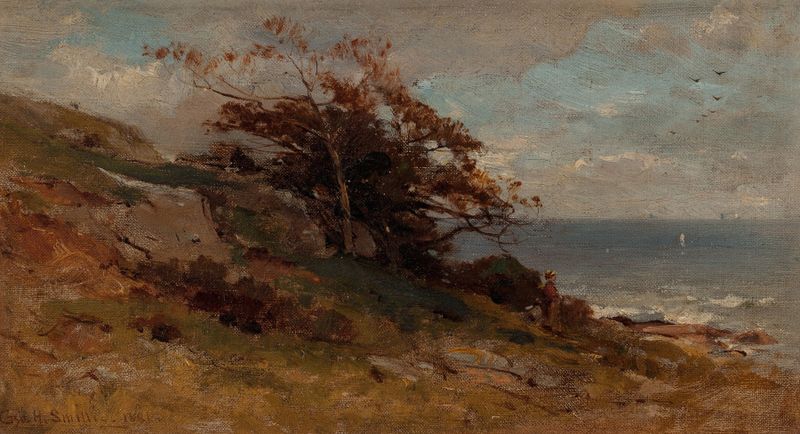
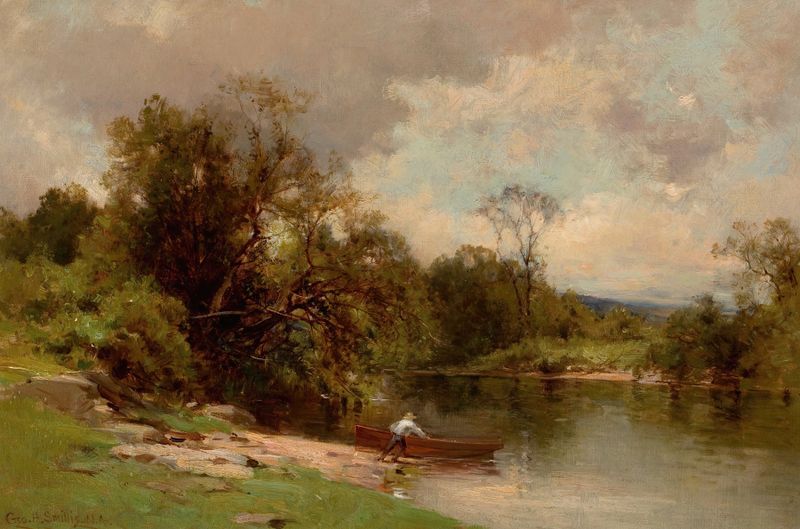
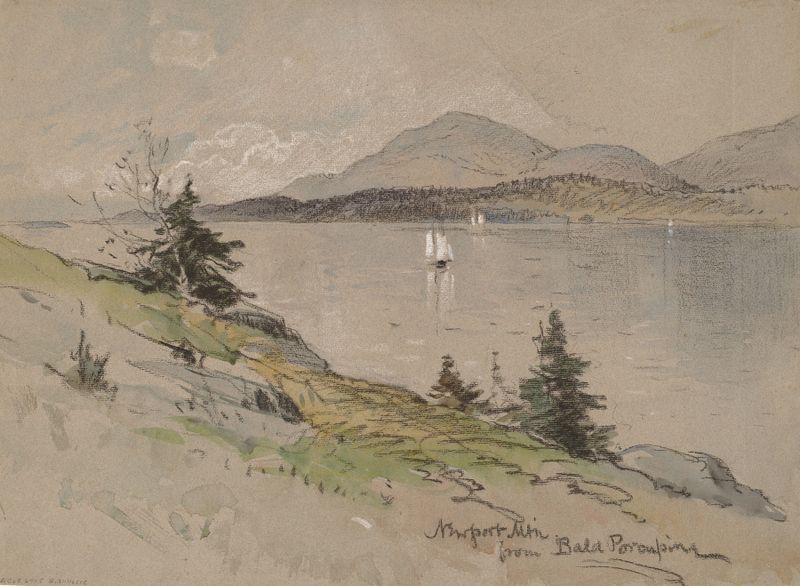
Is this a mirror — or a memory? The serene beauty of a landscape can often conceal the violence that shapes its existence, echoing the struggles of nature and humanity alike. Focus on the gentle hues that embrace the canvas, drawing your gaze across the broad expanse of meadows kissed by golden sunlight. Notice how the soft greens intermingle with the warm yellows, creating a harmonious coexistence that belies the undercurrents of tension. The brushwork is fluid, inviting the viewer to walk through the tranquil fields, yet the darkened horizon hints at an unsettling shift.
Each blade of grass seems to whisper the stories of the land, both serene and tumultuous. As you explore further, observe the play of light and shadow across the landscape; it reveals the dynamic between peace and unrest. The distant clouds loom with an ominous presence, suggesting that beauty can come with an inherent threat. This duality speaks to the fragility of moments; what appears idyllic on the surface may hide conflicts beneath.
The scene captures not only the lushness of the meadows but also the potential for upheaval in nature’s cycle. In 1883, while painting this work, the artist was immersed in the burgeoning American impressionist movement, based in a rapidly changing world. Smillie was in East Hampton, New York, where the allure of the natural environment provided both inspiration and reflection. This period marked a time of artistic exploration, as artists sought to depict the essence of American landscapes, simultaneously capturing their beauty and underlying complexities.