Landscape Near Sea — History & Facts
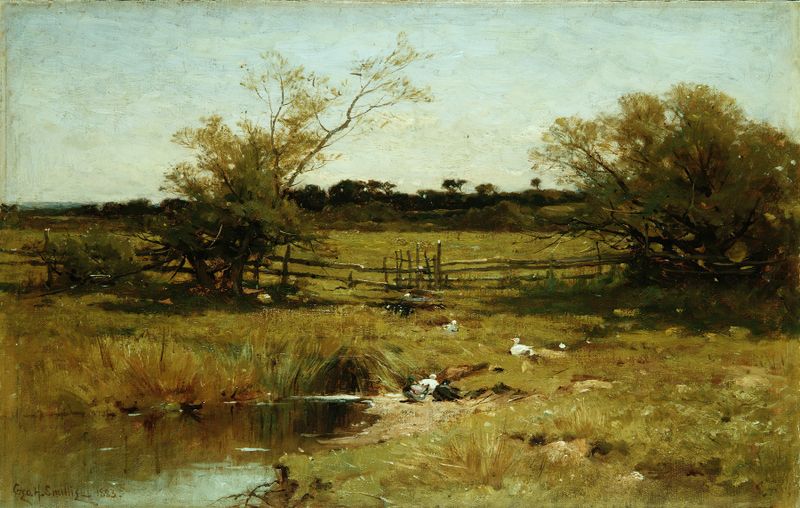
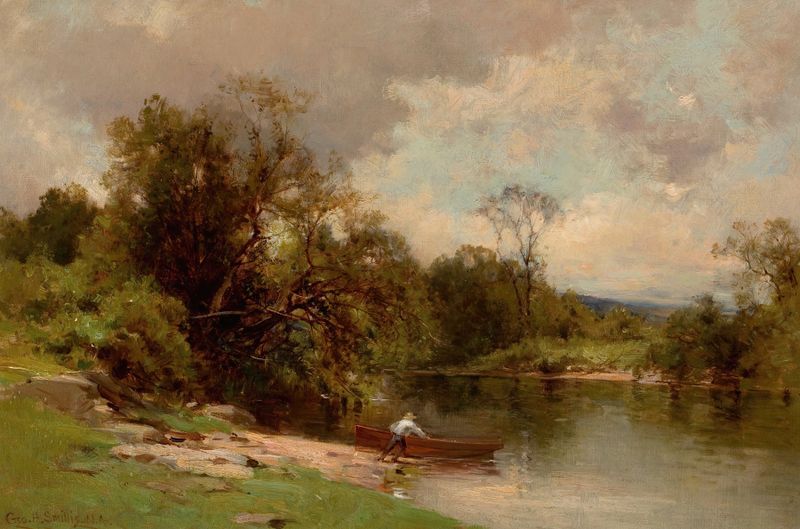
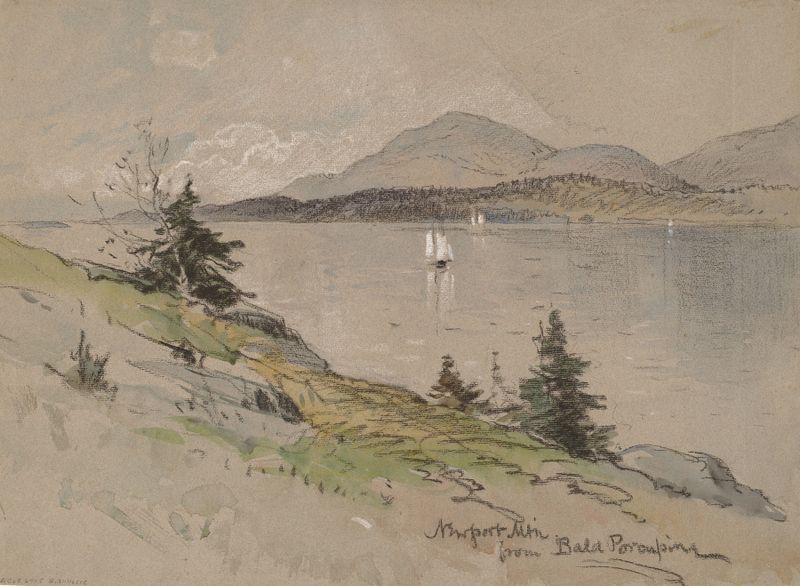
Where does light end, and longing begin? In the delicate interplay of blues and greens, Landscape Near Sea beckons the viewer to ponder the horizon where earth meets sky, where every brushstroke whispers of a deeper yearning. Look to the left at the vibrant, verdant hills that rise gently, crowned by wisps of clouds caught in a soft embrace of sunlight. Notice how the shimmering surface of the sea glistens under the late afternoon sun, reflecting a kaleidoscope of colors that dance together in harmony. The careful layering of paint creates a textured depth that invites exploration, while the horizon line stretches infinitely, blurring the boundary between reality and imagination. As you delve deeper into the work, consider the contrasts: the calm serenity of the water against the restless energy of the windswept grasses.
The interplay of light and shadow speaks to the fleeting nature of beauty, as if time itself is suspended in this moment. Each element harmonizes with the others, weaving a tapestry of tranquility imbued with an underlying sense of longing—a yearning for transcendence and connection with the vast world beyond. Smillie painted Landscape Near Sea in 1881, during a period when Impressionism was gaining traction in the art world, emphasizing the effects of light and atmosphere. Living in New York, he was influenced by the natural beauty surrounding him and sought to capture the essence of landscapes.
This work reflects both his personal artistic exploration and the broader movement towards celebrating the ephemeral qualities of light and nature in painting.