
East India House — History & Facts
Can paint confess what words never could? In the stillness of East India House, there's a whisper of madness lurking beneath the meticulous detail, a tension that invites scrutiny beyond the canvas. Look to the right at the sweeping façade of the grand structure, its intricate architecture framed against a cloudy sky. The delicate brushstrokes breathe life into the stone, while the play of light casts shadows that dance across the surface, hinting at stories hidden within its walls. The muted palette, punctuated by the bursts of color from bustling figures and their carriages, draws the eye into a world bustling with economic ambition and colonial enterprise. Yet, amidst the grandeur, there’s an unsettling balance between beauty and chaos.
The figures, though lively, seem oddly detached, as if caught in a game they do not fully understand. The two-dimensionality of their forms contrasts sharply with the depth of the structure, underscoring a tension between ambition and despair that mirrors the broader historical narrative of imperial pursuits. Every detail, from the billowing clouds overhead to the bustling market scene below, becomes a metaphor for the madness of human endeavor. This artwork emerged during a significant period for the artist, who was active in late 18th-century England when the Royal Academy was flourishing, and the complexities of colonialism shaped the socio-political landscape.
Malton's work was often focused on architectural depiction, yet East India House represents a pivotal moment where the artist confronts the duality of progress amidst an empire's haunting legacy.
More Artworks by Thomas Malton the Younger
Browse all →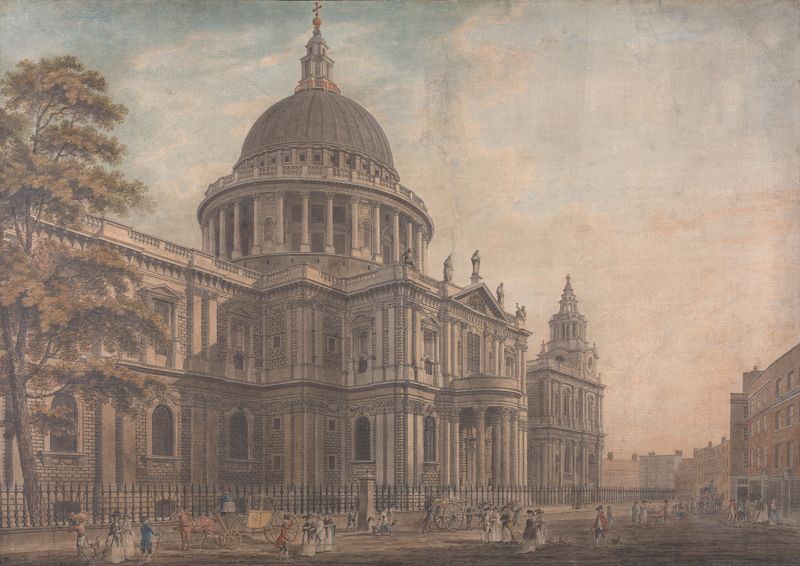
The North Front of St. Paul’s
Thomas Malton the Younger
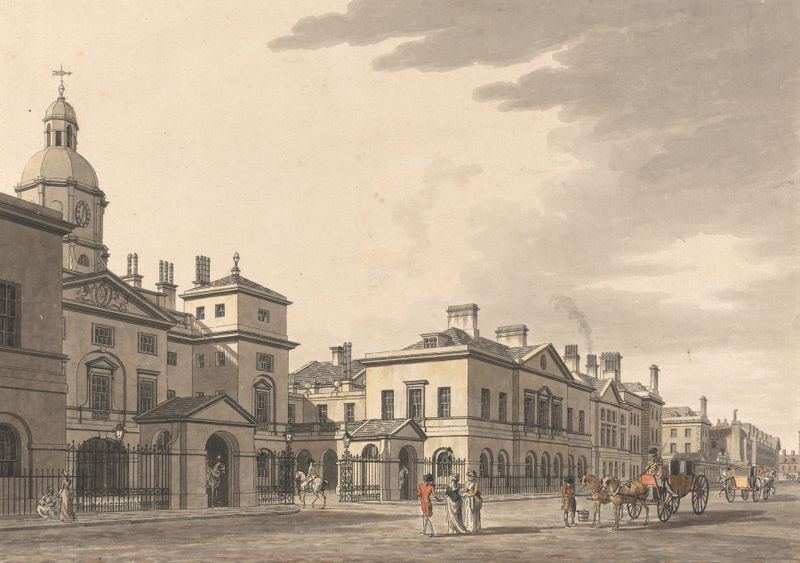
Horse Guards, Whitehall
Thomas Malton the Younger

Interior of St. Paul’s Cathedral
Thomas Malton the Younger
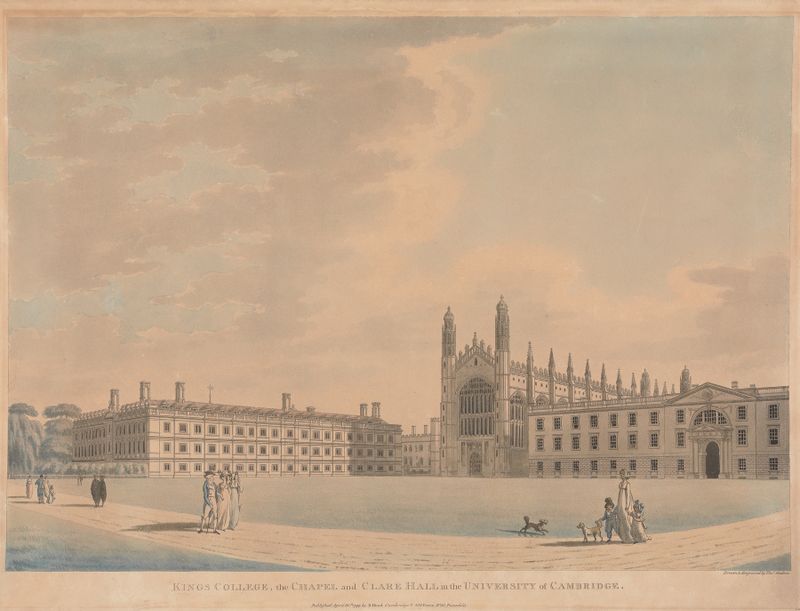
Kings College, the Chapel and Clare Hall in the University of Cambridge
Thomas Malton the Younger

Cambridge University; Jesus College
Thomas Malton the Younger
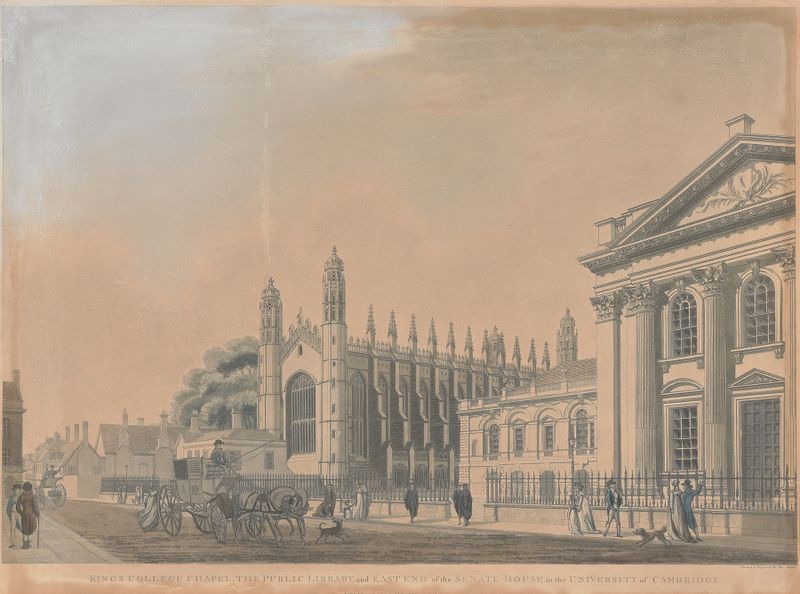
Cambridge University; Kings College Chapel
Thomas Malton the Younger
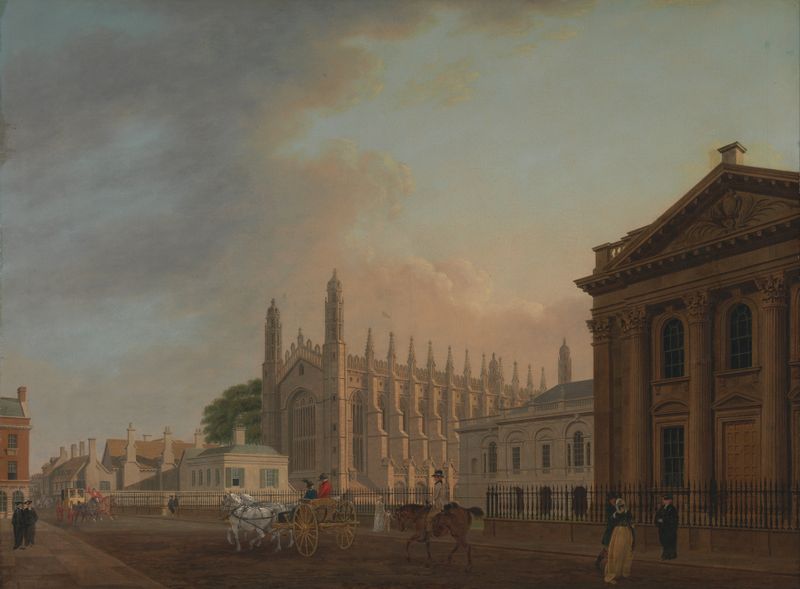
King’s Parade, Cambridge
Thomas Malton the Younger

Cambridge University; Queens College
Thomas Malton the Younger
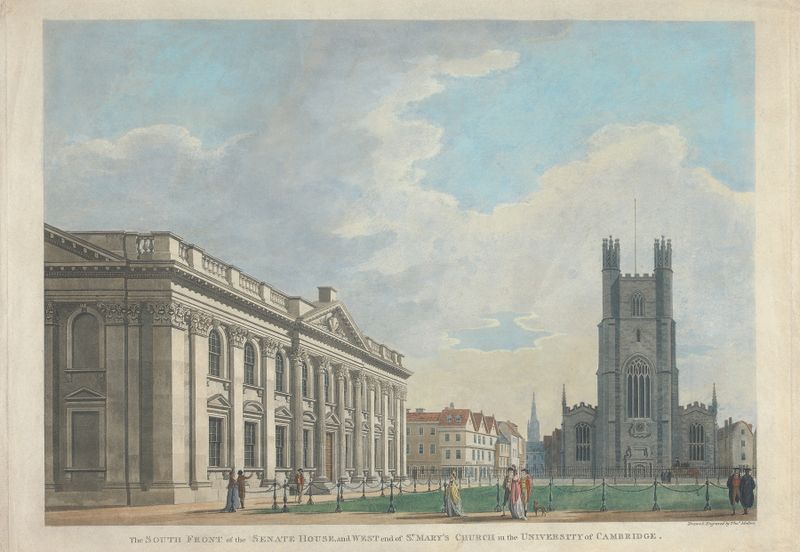
The South Front of the Senate House, and West End of St Mary’s Church in the University of Cambridge
Thomas Malton the Younger
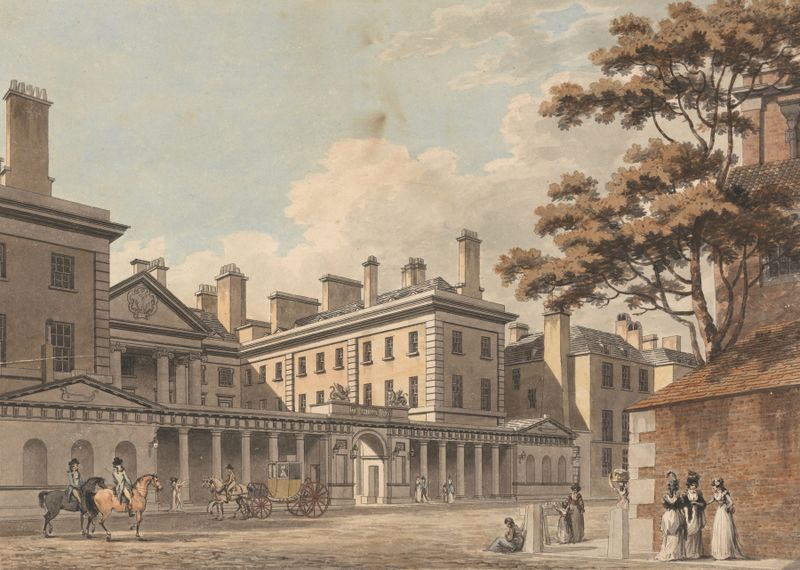
The Admiralty
Thomas Malton the Younger
More Architecture Art
Browse all →
The statue of Liberty
Frédéric Auguste Bartholdi

View of Houses in Delft, Known as ‘The Little Street’
Johannes Vermeer

View of Houses in Delft, Known as ‘The Little Street’
Johannes Vermeer

The Cathedral in Rouen. The portal, Grey Weather
Claude Monet

The yellow house
Vincent van Gogh

The Church in Auvers-sur-Oise, View from the Chevet
Vincent van Gogh