
East Kilbride — History & Facts
It holds the remnants of past life, whispering the stories of decay and ruin that time cannot erase. Look to the center, where the dilapidated structure stands resolute against a turbulent sky. Notice how the muted grays and browns intermingle with dabs of ochre, evoking a sense of nostalgia and loss. The artist expertly captures the play of light, casting long shadows that stretch like fingers across the ground, highlighting the crumbling brick and overgrown vegetation.
Every brushstroke feels deliberate, inviting you to explore the depth of the scene, where nature and architecture grapple for dominance. As you shift your gaze, observe the delicate interplay between the natural and the man-made. The wildflowers peeking through the ruins symbolize resilience amidst decay, reminding us of life’s tenacity. The looming clouds reflect an emotional tension, suggesting an impending storm, while the stillness of the landscape captures a poignant moment suspended in time.
This contrast enriches the work, speaking to the transience of human endeavor against the backdrop of nature’s relentless march. In 1893, the artist was deeply engaged in capturing the changing landscapes of Scotland, reflecting a society witnessing the decline of its industrial past. The late 19th century was a period marked by rapid transformation, as the rise of urbanization juxtaposed the serenity of traditional settings. Through this piece, the artist not only documented the physical decay of East Kilbride but also engaged with broader themes of change and memory in the art world.
More Artworks by David Young Cameron
Browse all →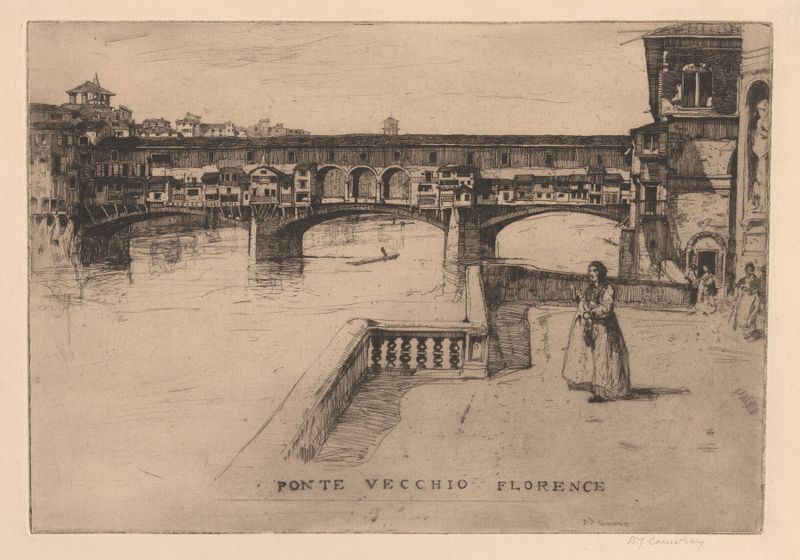
Ponte Vecchio
David Young Cameron

The Deanery, Winchester
David Young Cameron
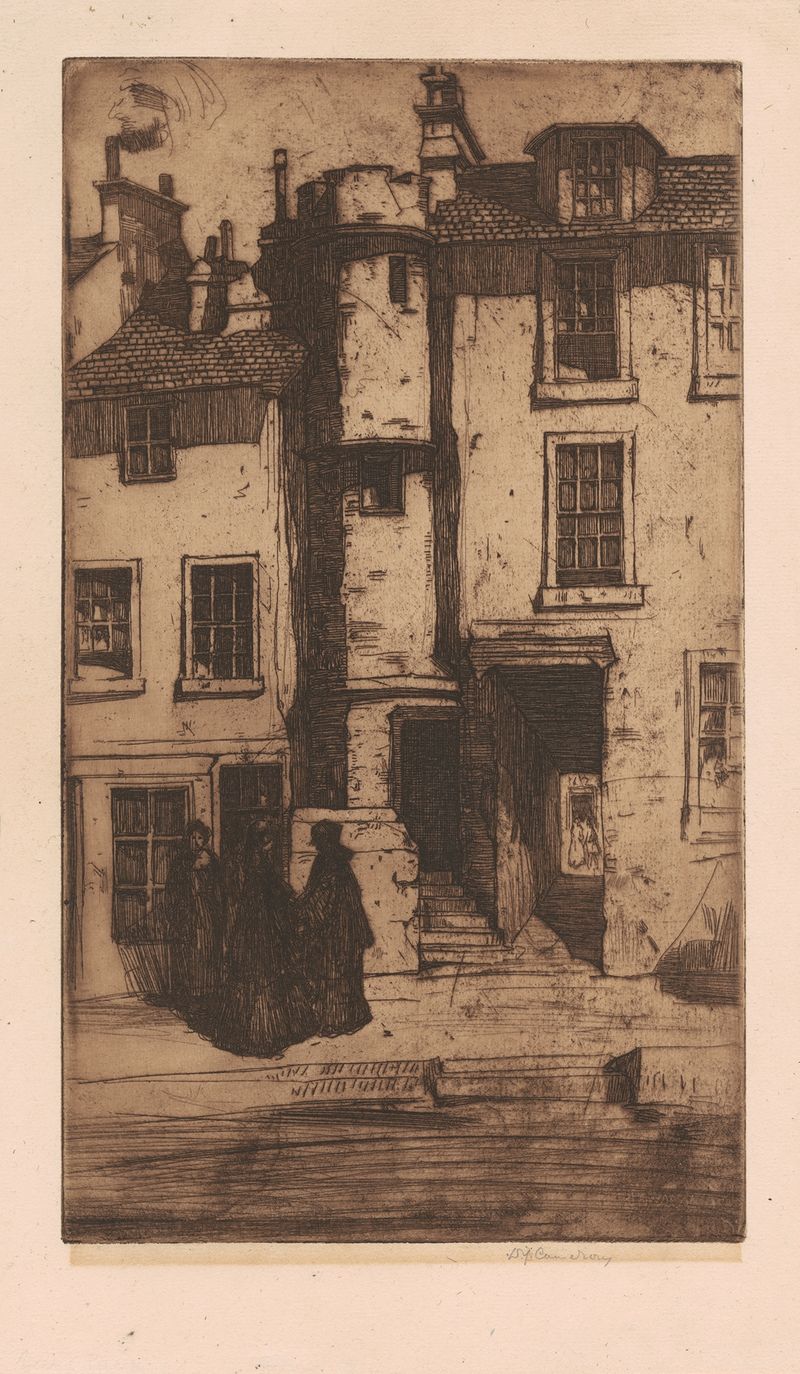
Old Houses, Stirling
David Young Cameron
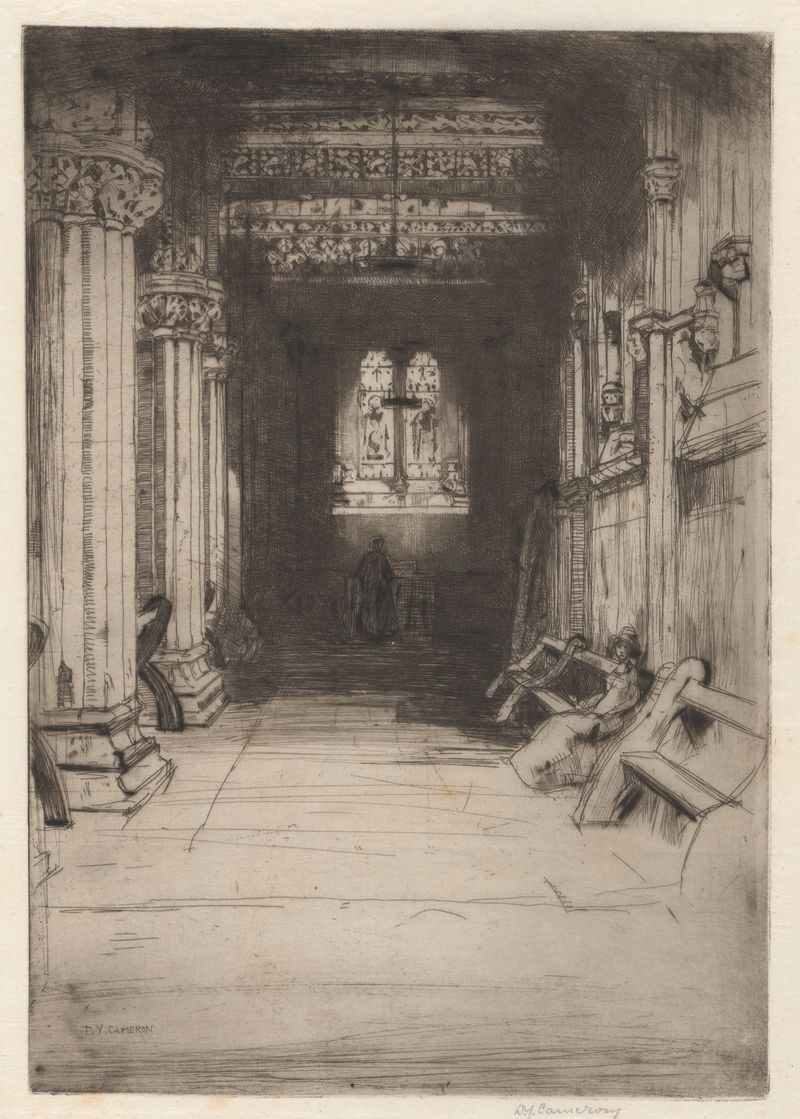
Rosslyn Chapel
David Young Cameron

The Old Museum, Beauvais
David Young Cameron
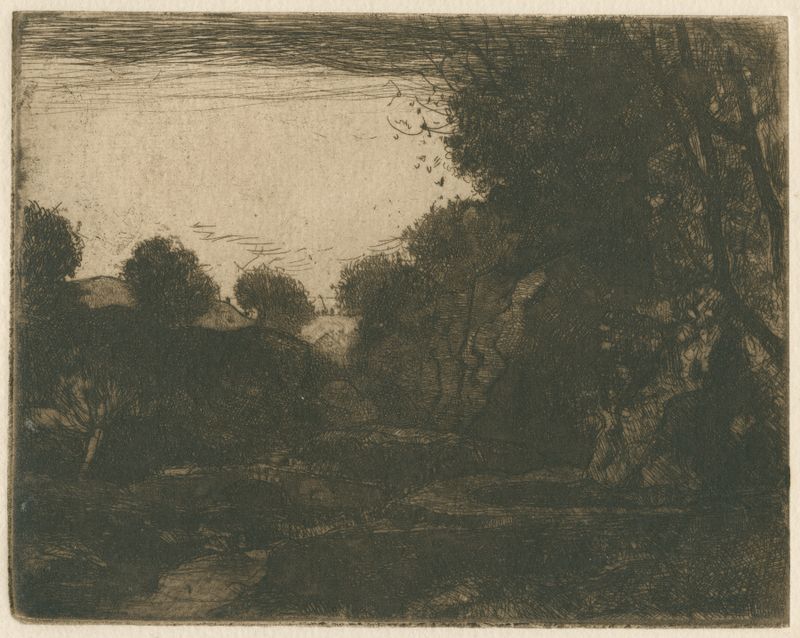
On the Bradford
David Young Cameron

The Smithy
David Young Cameron
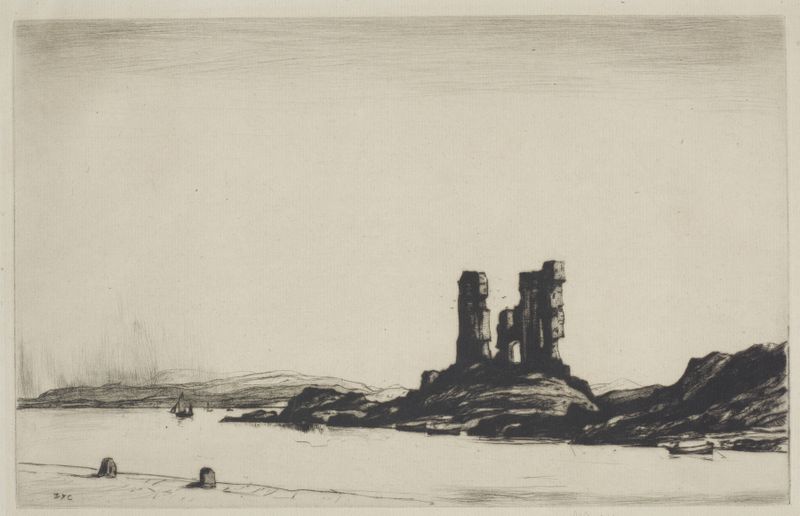
Castle Moyle
David Young Cameron
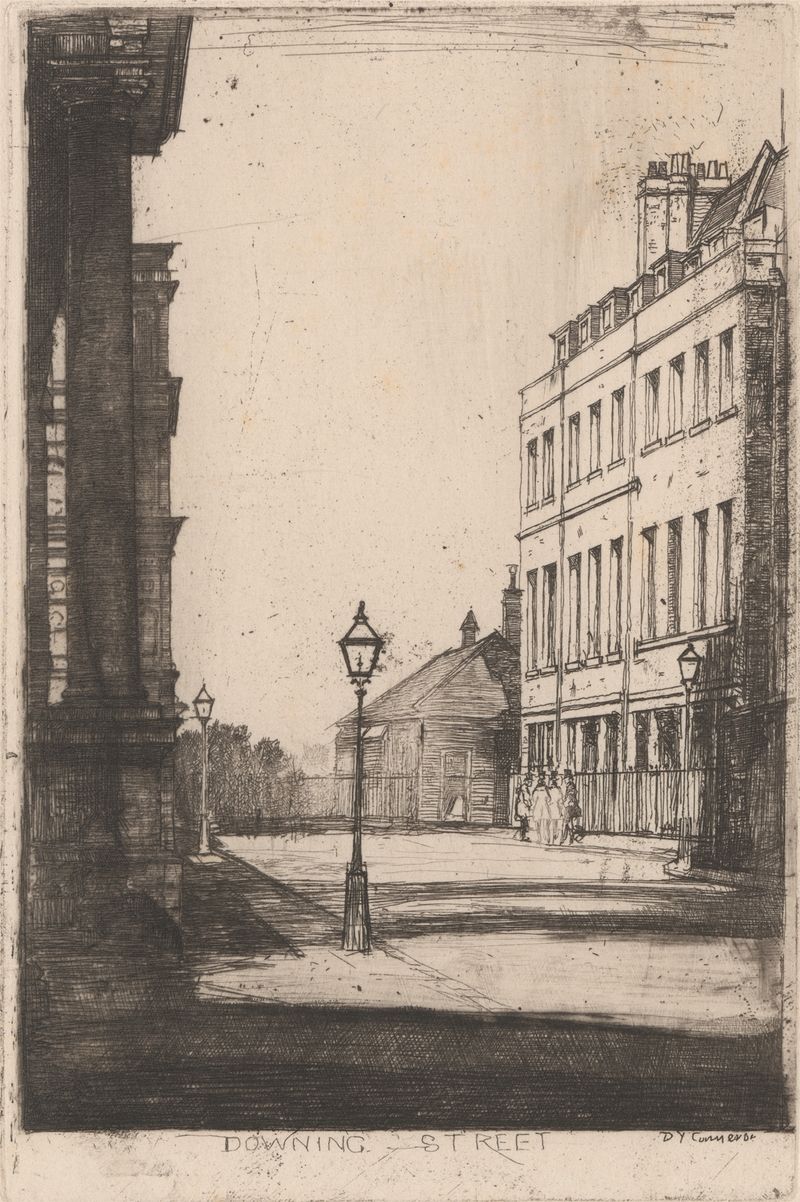
Downing Street
David Young Cameron

Glasgow Cathedral
David Young Cameron





