
Edelfelt, Haikon selkä — History & Facts
The first thing to catch the eye in Haikon selkä by Albert Edelfelt is the shimmering play of light across the water, where the breeze seems to ripple not just the surface but the very mood of the scene. The foreground is claimed by a small white sailboat, its crisp sails catching the wind, while larger ships anchor quietly in the background, their masts pricking the sky. The artist guides us from the intimacy of the boaters—three figures intent on their course—out toward the stately silhouettes of steamers and schooners, each flying a different flag, marking a crossroads of journeys and nations.
The water’s shifting colors, from milky turquoise to deeper blue, draw the viewer’s gaze in gentle arcs, suggesting both movement and calm. Edelfelt’s brushwork is loose yet precise, capturing the fleeting quality of light and the easy rhythm of a summer day on the Finnish coast. Painted in 1889, this work belongs to a moment when Nordic artists were turning their attention to the changing face of their own landscapes, often balancing national pride with a fascination for modernity. Maritime scenes like this were not mere records of ships or harbors; they spoke to the growing importance of trade, travel, and leisure in late 19th-century Finland.
Haikon selkä was acquired from the Finnish Art Society’s exhibition for the imperial residence in Lappeenranta, before finding its way to the Presidential Palace in Helsinki around 1920—a journey that echoes the flow of the water it depicts. History has kept few traces of the individual stories behind these ships, but Edelfelt’s painting invites us to imagine the world of possibility that once sailed these waters.
More Artworks by Albert Edelfelt

The Day of Rest
Albert Edelfelt
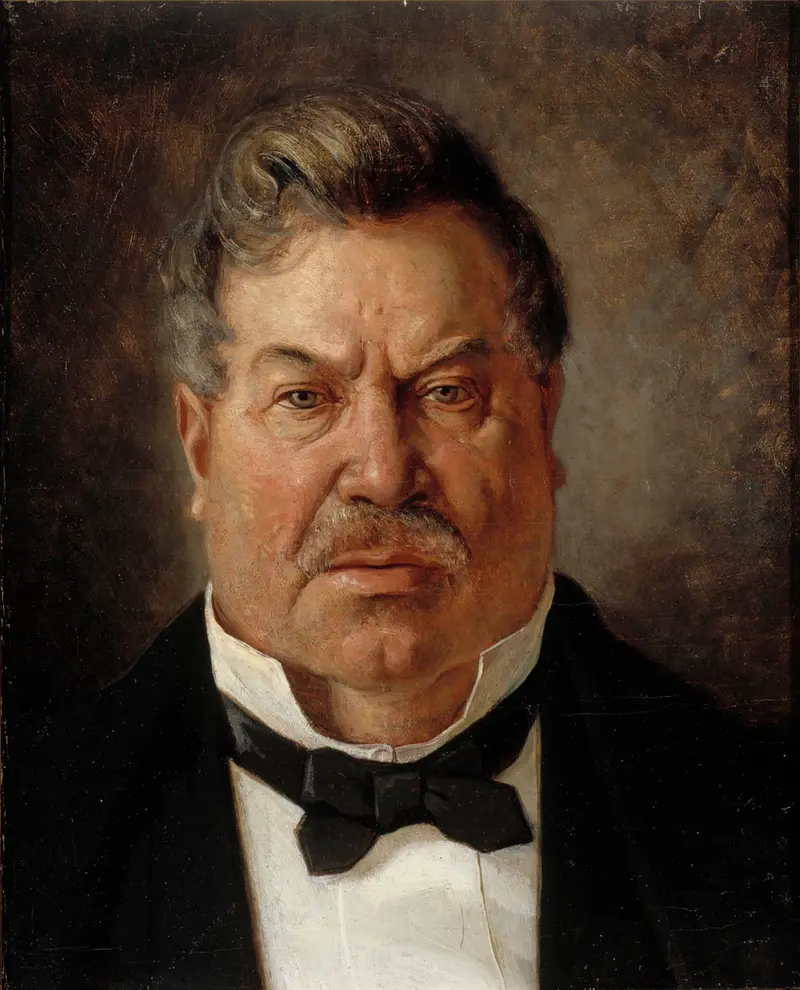
Portrait of August Streng
Albert Edelfelt
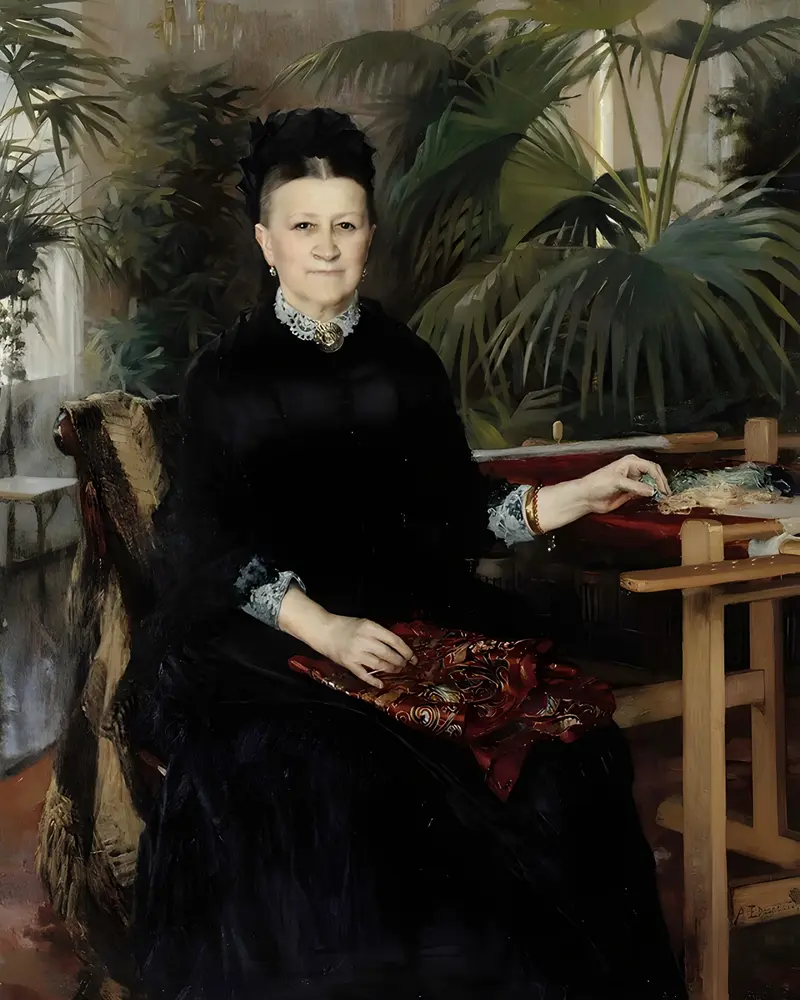
Portrait Of Mrs. Anna Sinebrychoff
Albert Edelfelt

The Poet, Larin Paraske
Albert Edelfelt

Parisian lady in a Peignoir
Albert Edelfelt
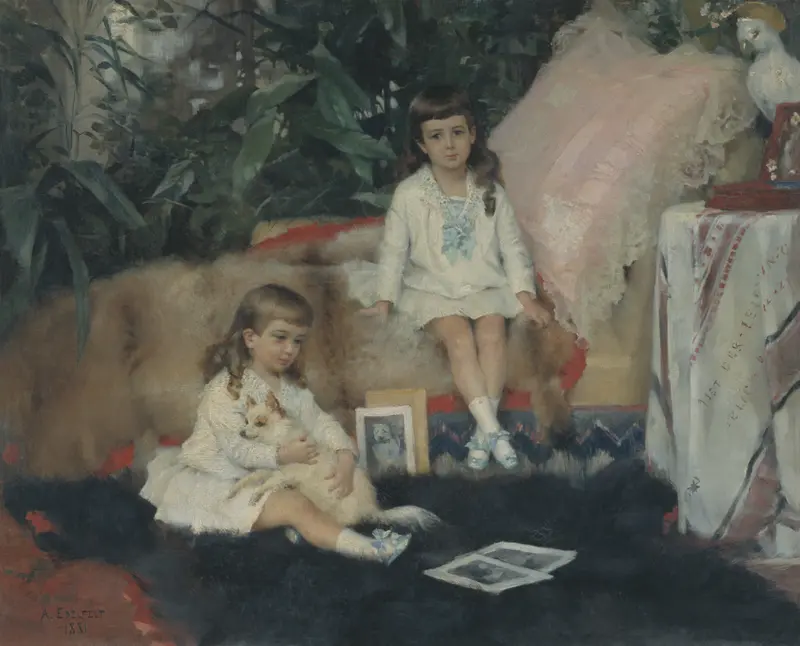
The Grand Dukes Boris and Kirill Vladimirovich as Children
Albert Edelfelt
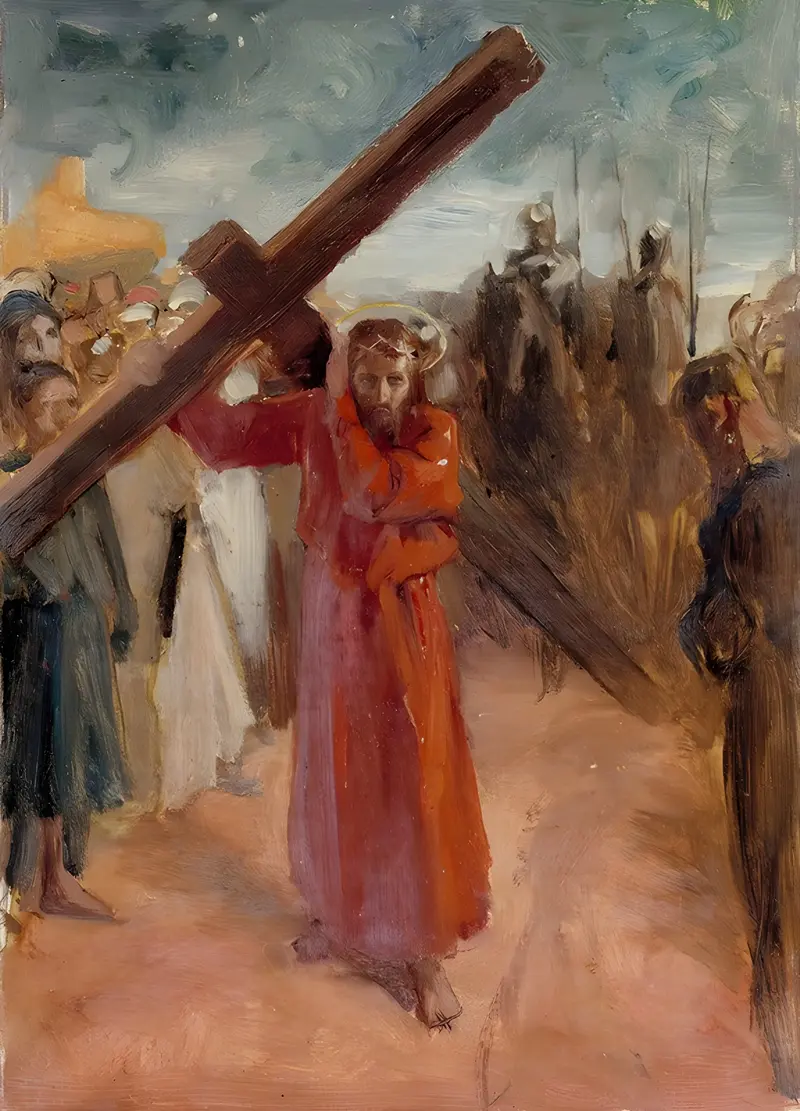
Christ Bears The Cross
Albert Edelfelt
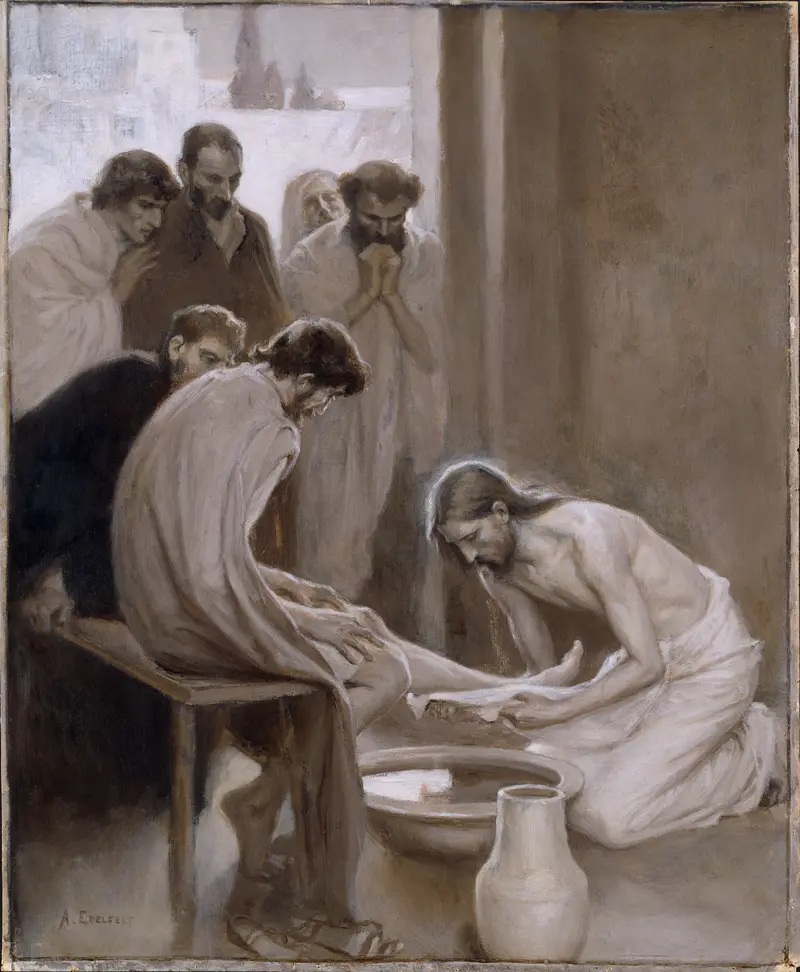
Jesus Washing the Feet of his Disciples
Albert Edelfelt

Larin Paraske with Kantele
Albert Edelfelt
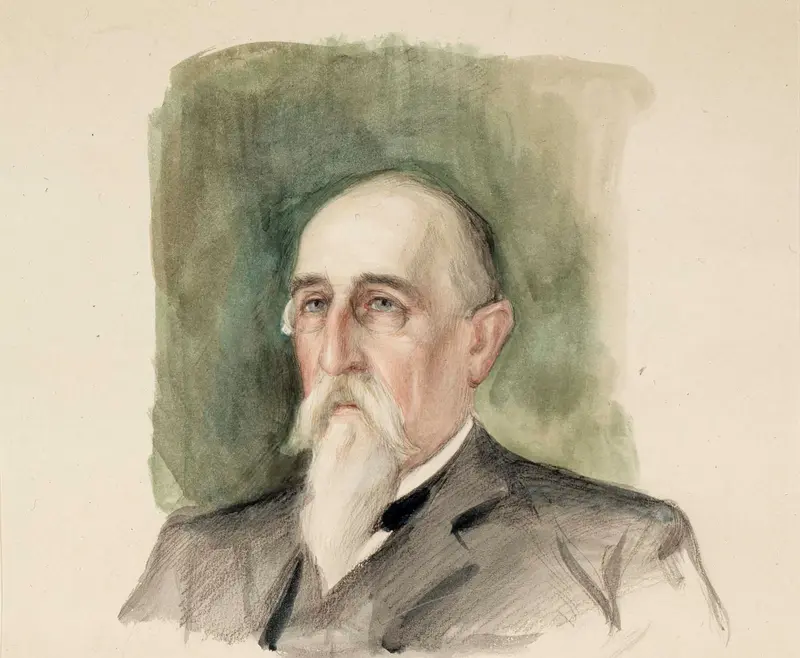
Leo Mechelin, Portrait Study
Albert Edelfelt





