
Edo nihonbashi — History & Facts
In the subtle dance of hues, one can uncover the layers of existence that often go unnoticed. Look to the left where the vibrant blues of the water whisper against the delicate structure of the bridge. Hokusai employs a masterful gradient, transforming deep indigos into gentle aquas, drawing the eye into the scene's tranquility. Notice how the warm earth tones of the buildings contrast sharply with the cool serenity of the river, suggesting a harmonious coexistence between nature and human endeavor.
The composition is a serene balance that invites contemplation, with the bridge serving as a pivotal focal point. In this captivating piece, the interplay of color speaks volumes about the essence of Edo period life. The bridge symbolizes not just a physical connection, but also the bridging of tradition and progress. The delicate lines of the architecture, underscored by the flowing water, evoke a sense of ephemeral beauty, hinting at the fleeting nature of life itself.
Shadows dance softly, hinting at the lives of those who traverse this space, drawing the observer into a deeper reflection on connection and transience. During the time Edo nihonbashi was created, Katsushika Hokusai was exploring new techniques in ukiyo-e, blending traditional methods with his innovative vision. Although the exact date remains uncertain, it reflects a period where Japan was on the cusp of modernization, and Hokusai was establishing himself as a leading artist in the vibrant world of Edo. This artwork captures not only a moment in time but also the rich tapestry of cultural evolution unfolding around him.
More Artworks by Katsushika Hokusai
Browse all →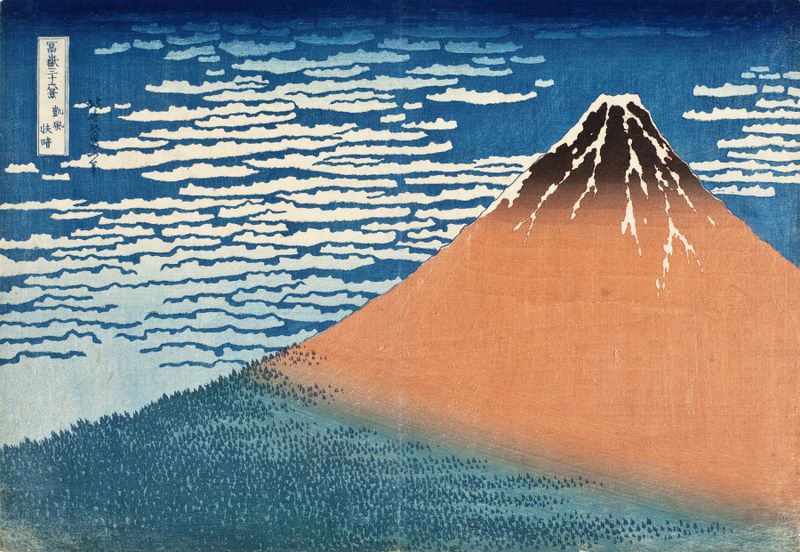
South Wind, Clear Dawn
Katsushika Hokusai

South Wind, Clear Weather
Katsushika Hokusai

Clear Weather with a Southerly Wind
Katsushika Hokusai
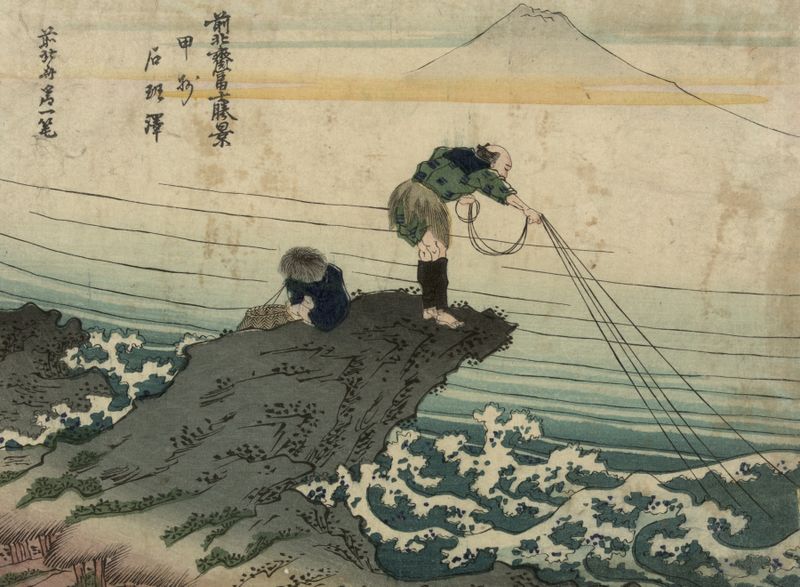
Kōshū kajikazawa
Katsushika Hokusai

Rainstorm beneath the Summit (Sanka Haku-u)
Katsushika Hokusai

Kōshū kajikazawa 2
Katsushika Hokusai
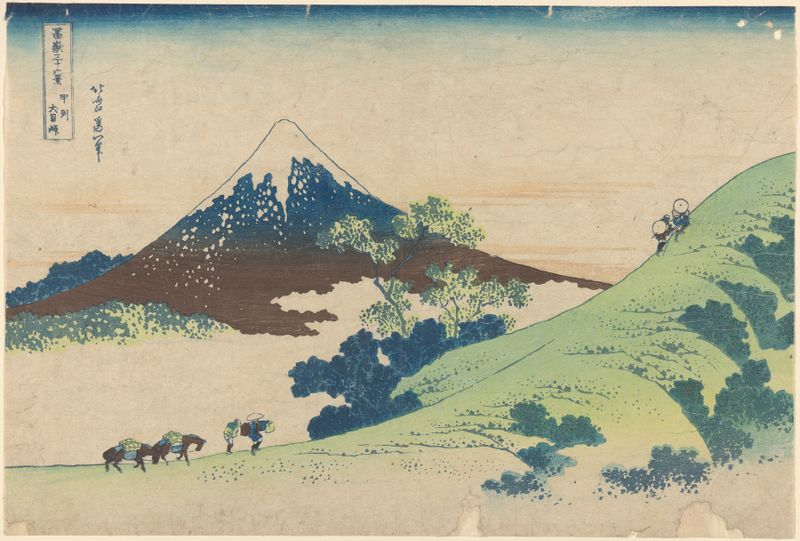
Inume Pass in Kai Province (Kôshû inume-tôge)
Katsushika Hokusai

Yoro Falls in Mino Province (Mino no Yoro no taki), from the series "A Tour of Waterfalls in Various Provinces (Shokoku taki meguri)"
Katsushika Hokusai
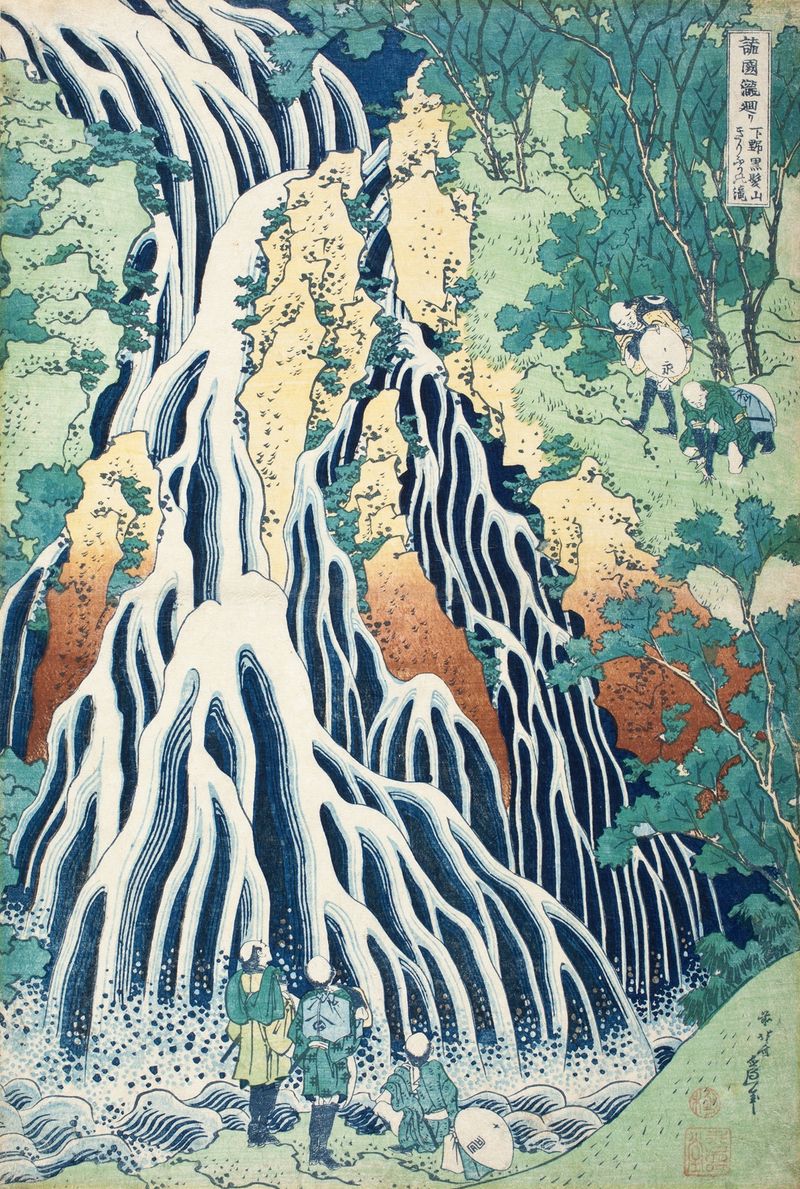
Falls of Kirifuri at Mt. Kurokami, Shimotsuke Province
Katsushika Hokusai
Onden no suisha
Katsushika Hokusai
More Architecture Art
Browse all →
The statue of Liberty
Frédéric Auguste Bartholdi

View of Houses in Delft, Known as ‘The Little Street’
Johannes Vermeer

View of Houses in Delft, Known as ‘The Little Street’
Johannes Vermeer

The Cathedral in Rouen. The portal, Grey Weather
Claude Monet

The yellow house
Vincent van Gogh

The Church in Auvers-sur-Oise, View from the Chevet
Vincent van Gogh