
Edward Kenny — History & Facts
What if silence could speak through light? In the stillness of a moment captured, we find ourselves enveloped in an atmosphere steeped in melancholy, longing, and introspection. Look to the center of the canvas where the soft glow bathes the figure in muted tones, inviting the viewer to contemplate the emotions swirling in this contemplative space. The delicate brushwork combines gentle strokes of blue and gray, creating an intimate portrayal that evokes both fragility and strength. The light, carefully orchestrated, casts subtle shadows that breathe life into the composition, drawing our gaze to the character's downcast eyes, which seem to harbor unspoken thoughts and dreams. As you explore further, notice the serene expression juxtaposed against the weight of the surrounding silence.
This contrast brings forth an emotional tension that resonates deep within—an understanding of solitude that is both comforting and isolating. The muted palette not only reflects the physical world but also mirrors the internal landscape of the figure's soul, suggesting an invisible connection to the heartache of existence. Denman Waldo Ross painted this work in the transitional period between the 19th and 20th centuries, a time marked by rapid changes in art and society. As he navigated his own artistic journey in Boston, Ross was influenced by the evolving movements surrounding him, yet he retained a focus on personal expression and emotional depth, as evidenced in this striking piece.
This era was one of introspection for many artists, who grappled with capturing the complexities of the human experience, a theme that resonates profoundly in Edward Kenny.
More Artworks by Denman Waldo Ross
Browse all →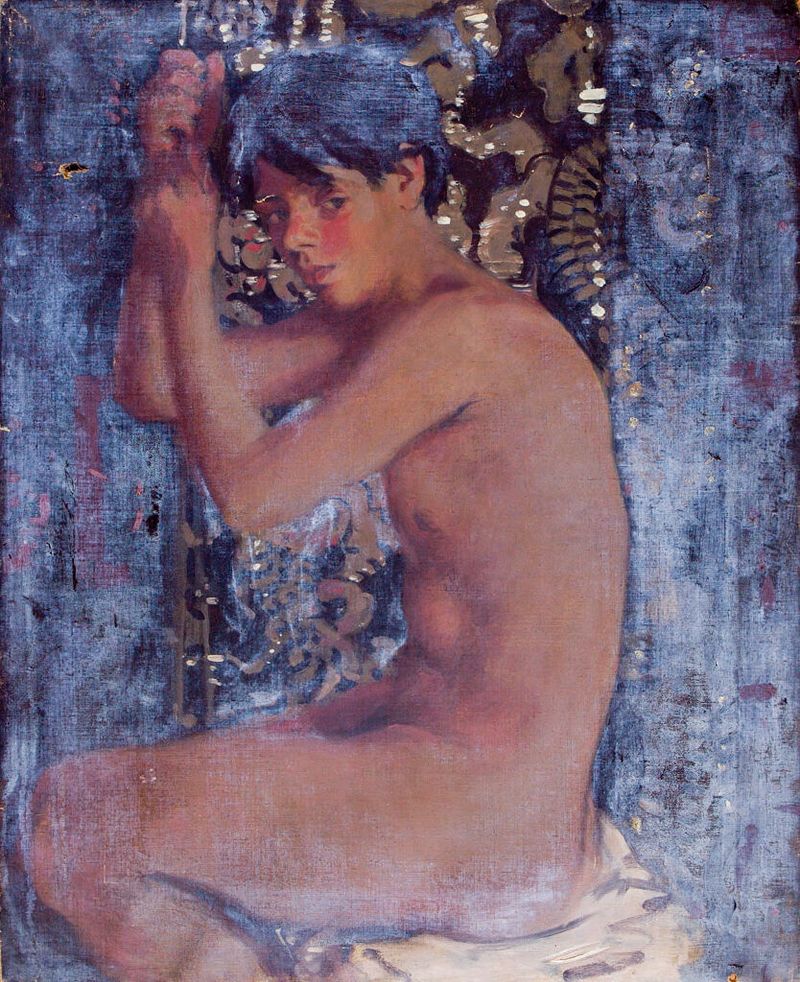
Portrait of a Seated Young Man
Denman Waldo Ross
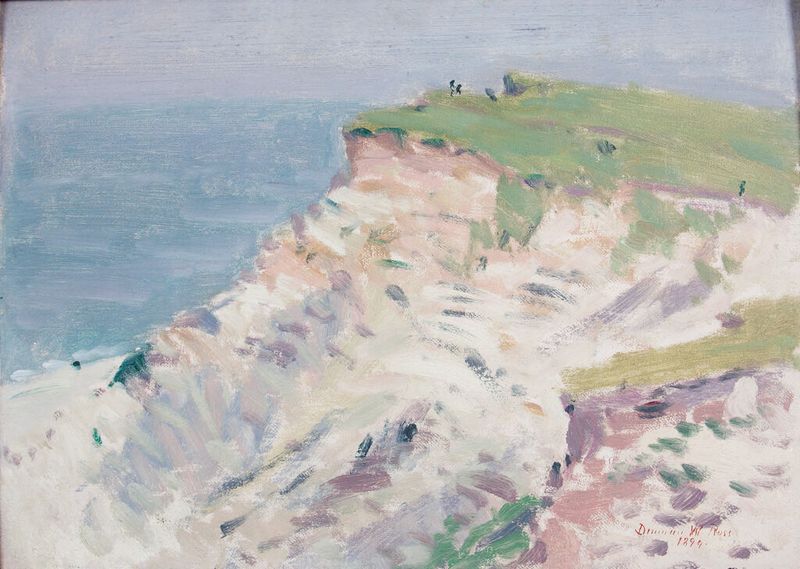
Highland Light, North Truro, Massachusetts
Denman Waldo Ross
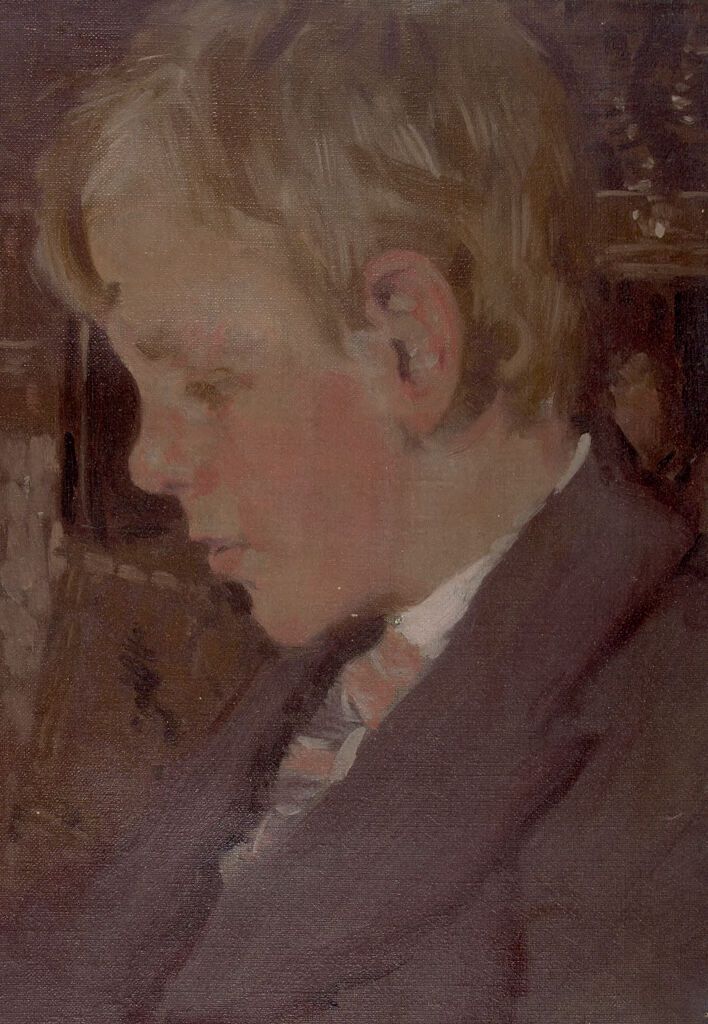
Profile Portrait of a Boy in Suit and Tie
Denman Waldo Ross
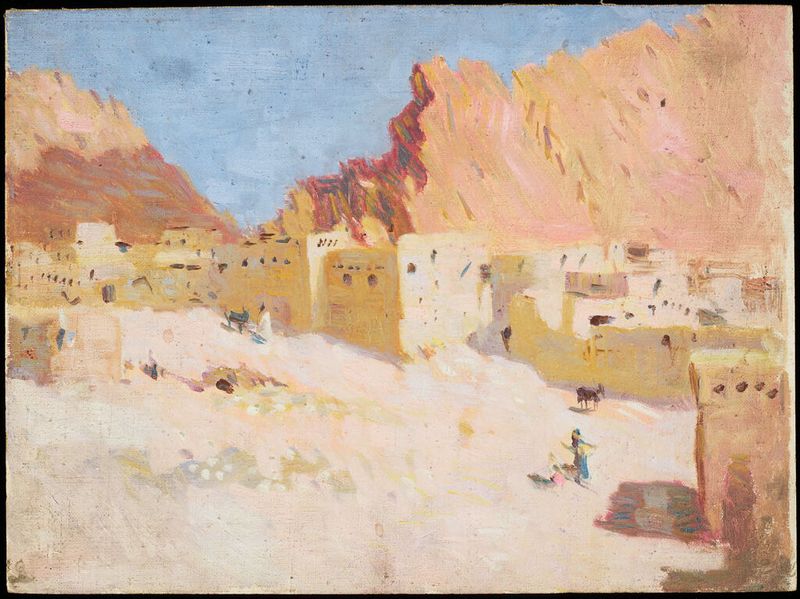
El Kantara, Near Biskra, Algeria
Denman Waldo Ross
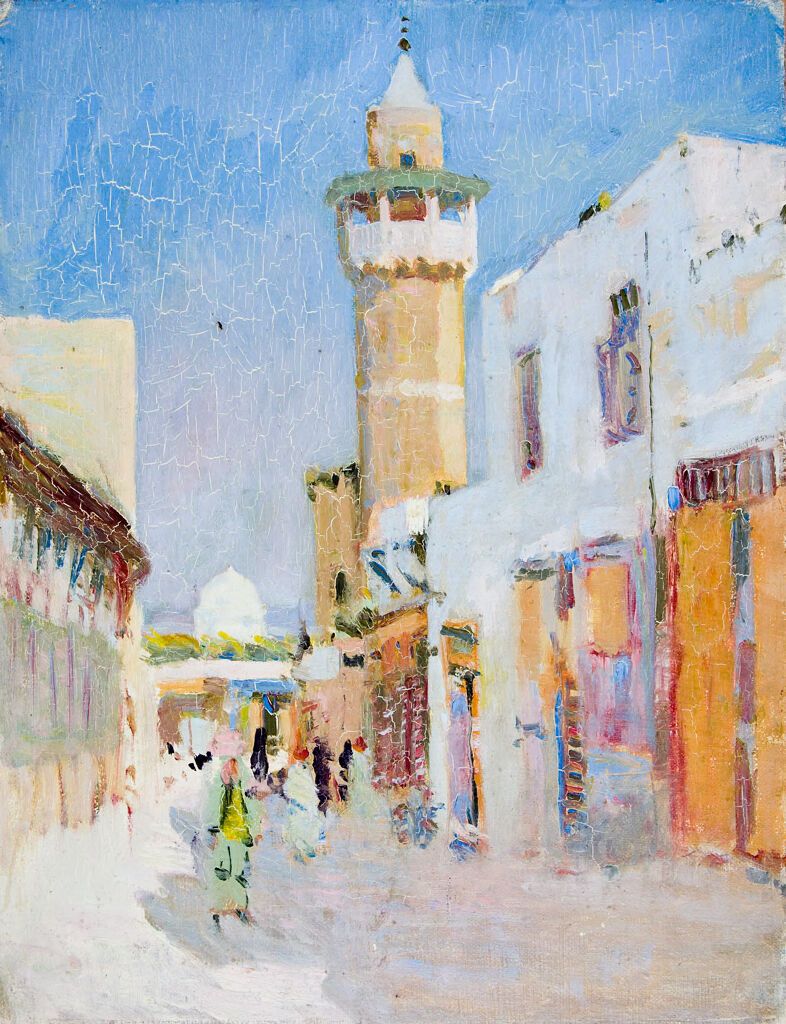
Tunis Street Scene
Denman Waldo Ross
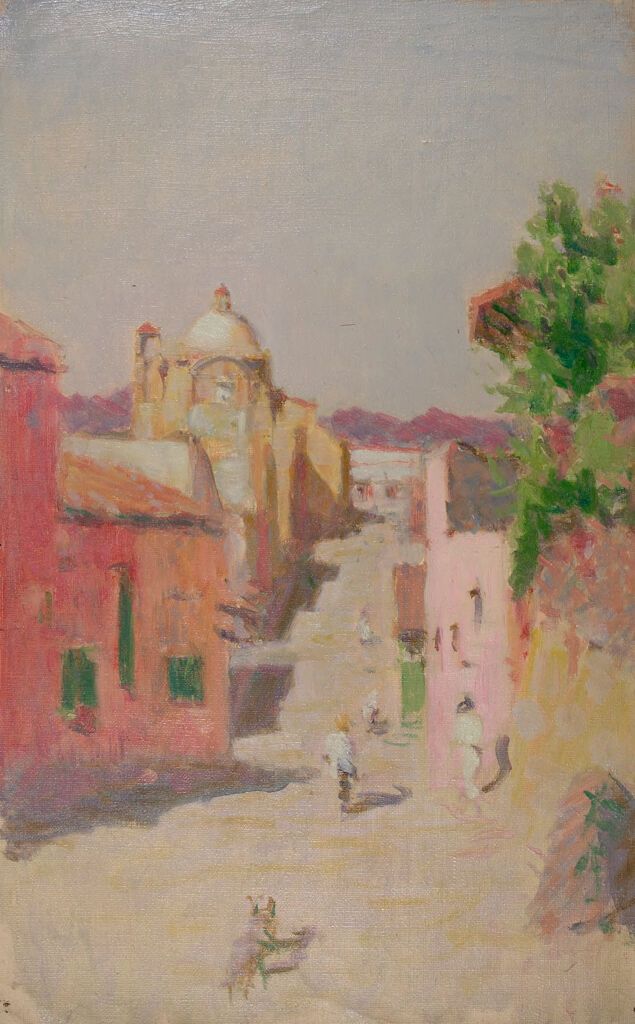
Street Scene with Animal and Figures
Denman Waldo Ross
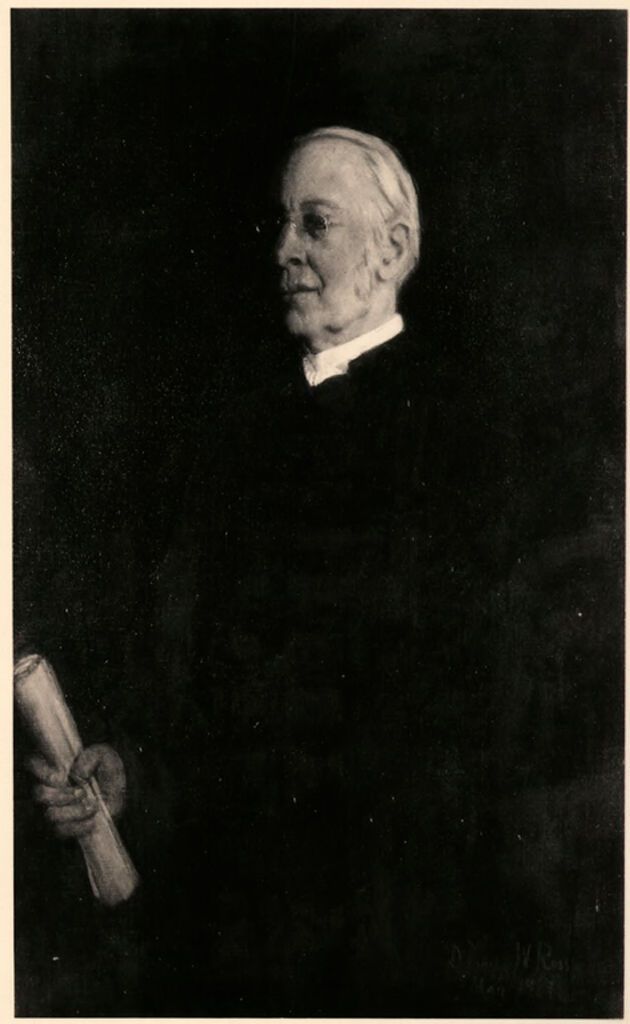
Charles William Eliot (1834-1926)
Denman Waldo Ross
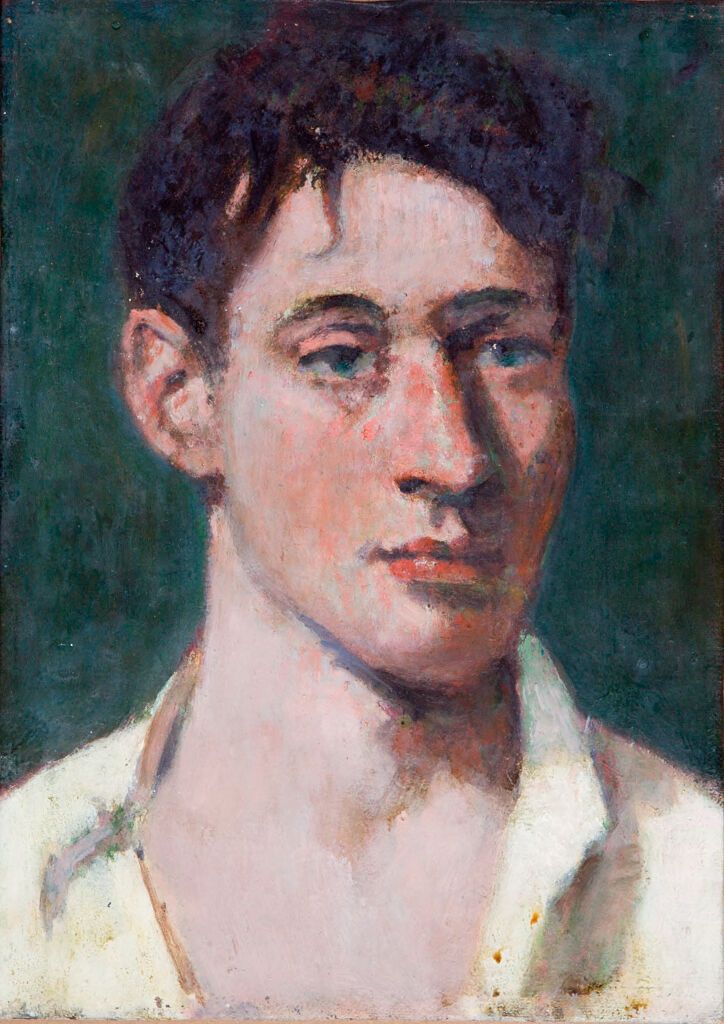
Portrait of a Young Man in White Shirt
Denman Waldo Ross
Village Near Arequipa, Peru
Denman Waldo Ross

York Harbor, Maine
Denman Waldo Ross





