
Een verlaten klooster bij Gerona — History & Facts
When did color learn to lie? In the stillness of a deserted monastery, hues whisper stories of decay and resurrection, challenging our perceptions of beauty and truth. Look to the left at the weathered stones, tinged with earthy browns and muted greens. They hold the weight of time, each crack and crevice revealing a narrative of neglect and resilience. Notice how the light spills through the broken arches, casting soft shadows that dance across the ground, almost inviting you to step into a forgotten past.
The muted palette of this piece reflects a somber yet hopeful atmosphere, suggesting that even decay can cradle the seeds of revival. Delve deeper, and you’ll find a contrast between the monastery's stark architecture and the surrounding nature. While the structure speaks of abandonment, the lush flora encroaching upon it symbolizes the relentless march of life. This interplay suggests a dialogue between past and present, decay and renewal—an embodiment of nature's unfaltering will to reclaim its territory.
Each element serves not merely as a visual component but as a poignant reminder of life's cyclical nature. Otto Howen painted this work during a time when the art world was undergoing significant shifts, though the exact date remains uncertain. Operating amidst the late 19th to early 20th century, artists grappled with themes of modernity and nostalgia. The solitude captured in the monastery mirrors Howen’s exploration of the transition from rigid tradition to a more introspective, personal expression in art.
It reflects both his surroundings and a broader cultural yearning for reawakening through the lens of history.
More Artworks by Otto Howen
Browse all →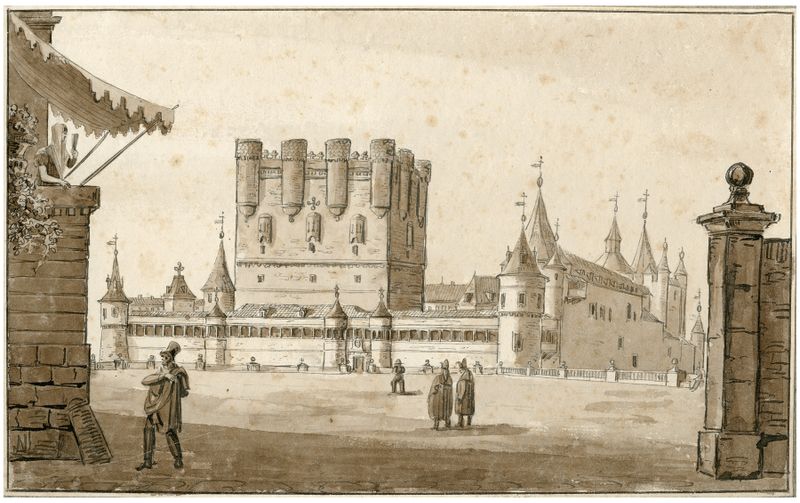
Het Alcazar te Segovia
Otto Howen
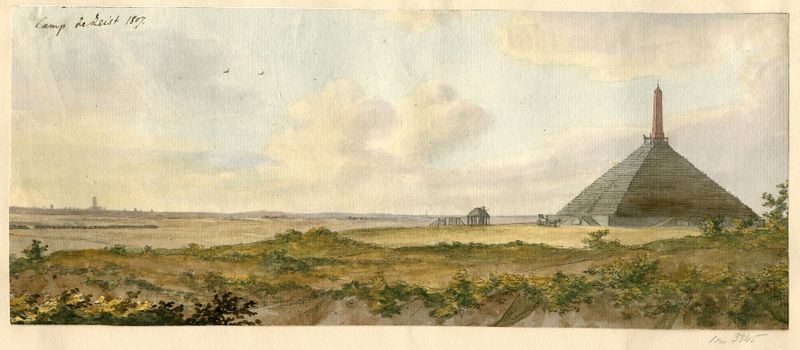
De piramide van Austerlitz bij Zeist
Otto Howen
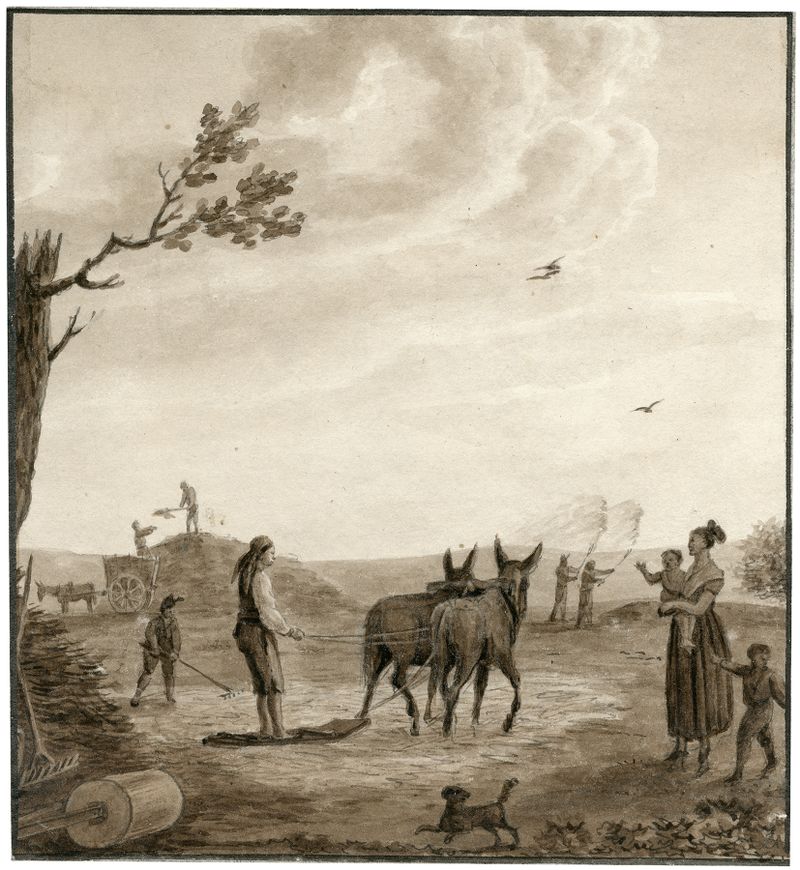
Het dorsen van het graan
Otto Howen
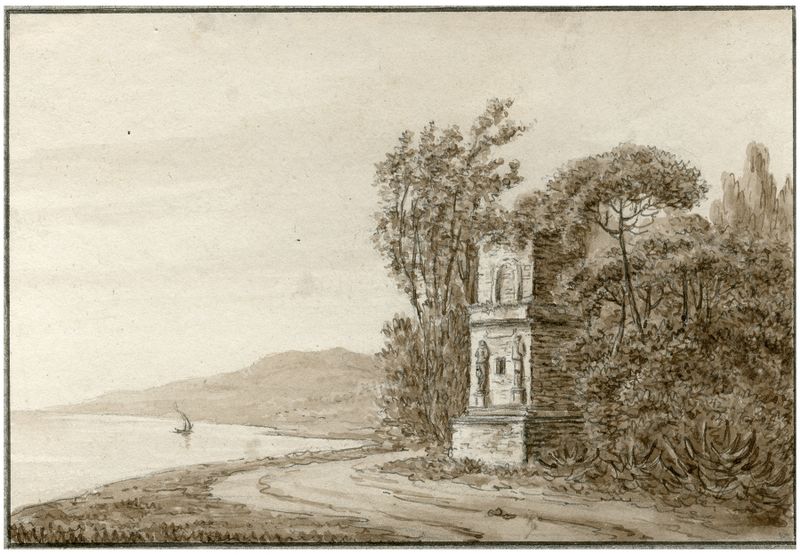
Een antiek monument in de omgeving van Taragone
Otto Howen
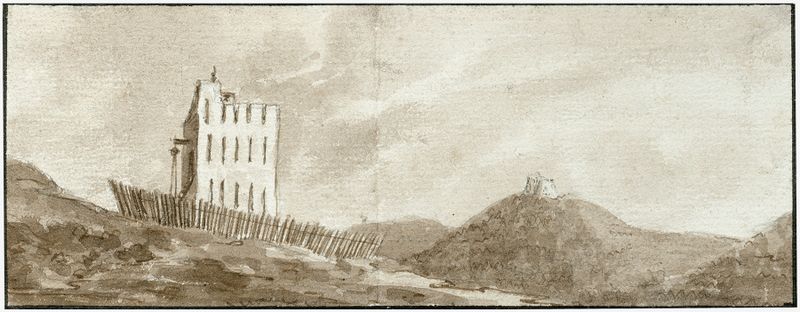
Gezicht in de omgeving van Gerona
Otto Howen
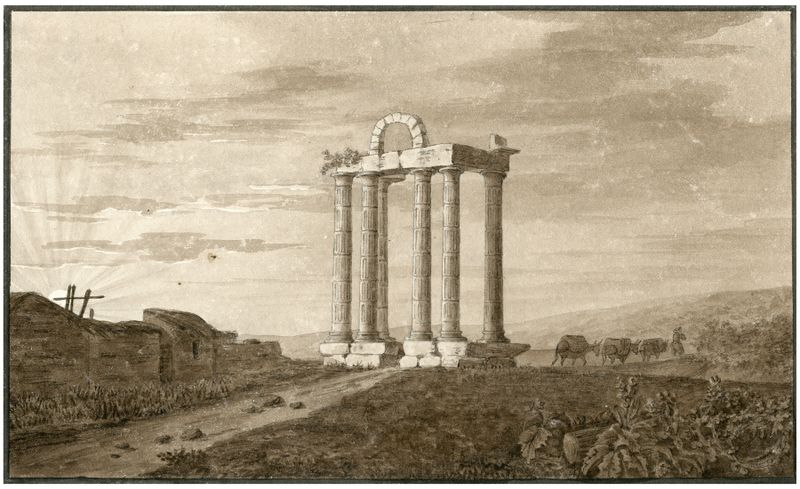
Antieke Ruïnes bij Talavera in Castillie
Otto Howen
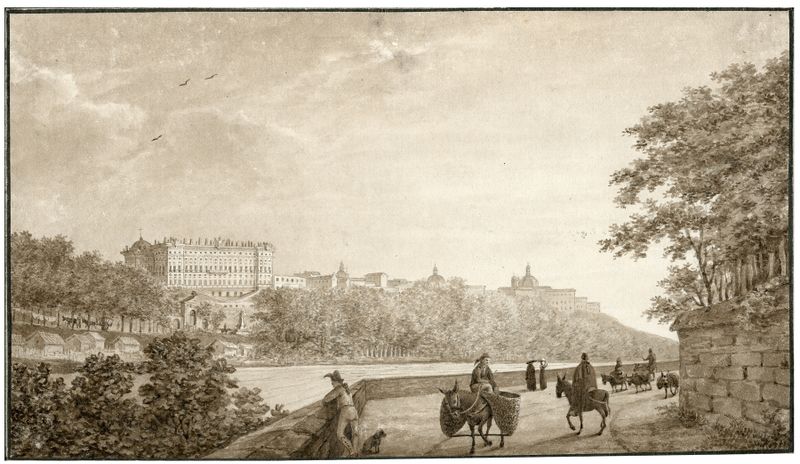
Het Koninklijke Paleis te Madrid
Otto Howen
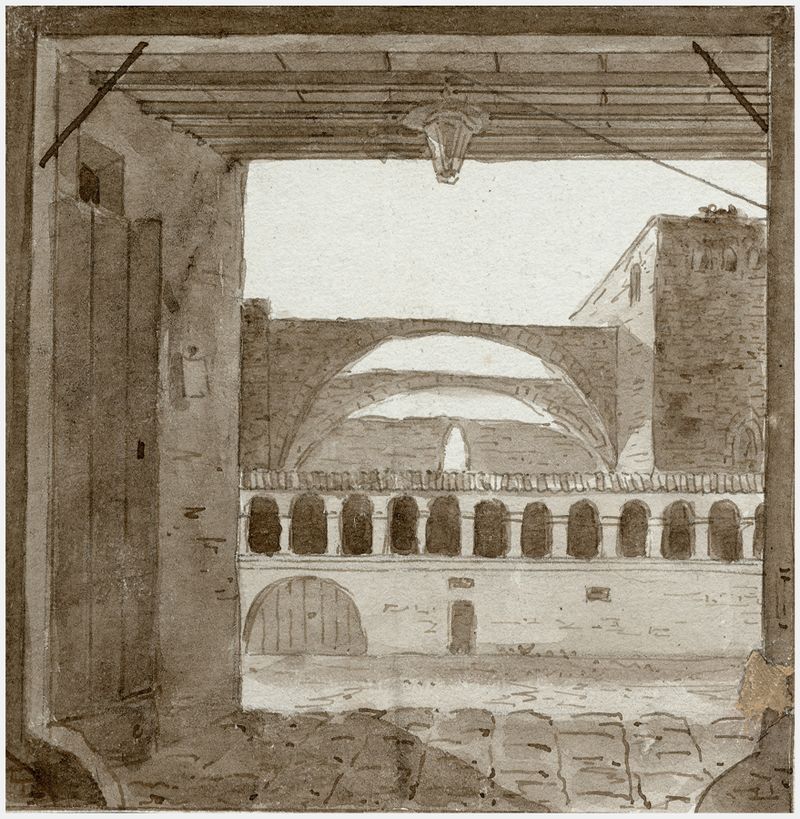
Ruïne van een klooster te Barcelona
Otto Howen
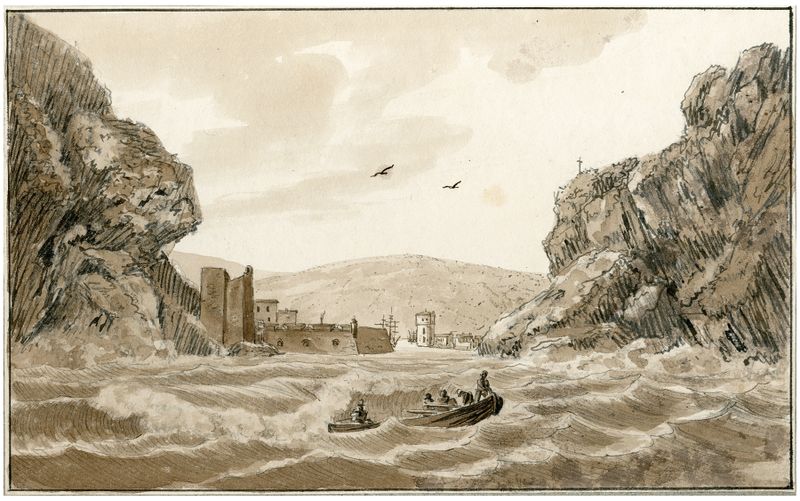
Een havenplaats in Spanje, Port de Passage
Otto Howen
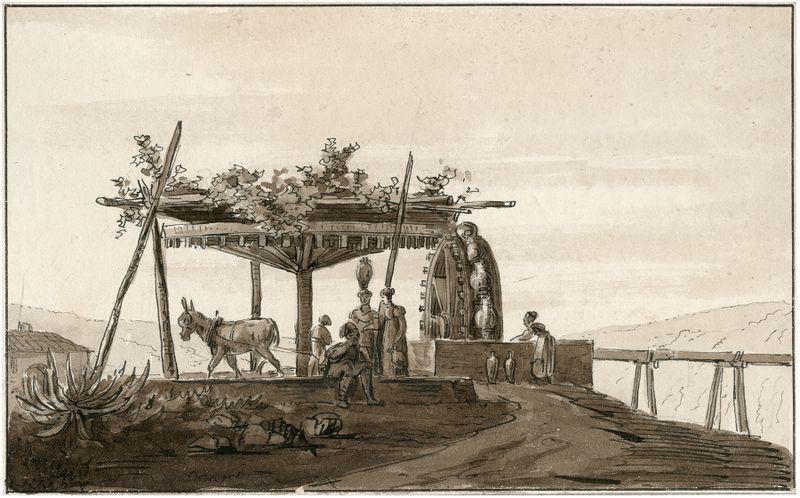
Een waterput met raderwerk en trekezel
Otto Howen
More Architecture Art
Browse all →
The statue of Liberty
Frédéric Auguste Bartholdi

View of Houses in Delft, Known as ‘The Little Street’
Johannes Vermeer

View of Houses in Delft, Known as ‘The Little Street’
Johannes Vermeer

The Cathedral in Rouen. The portal, Grey Weather
Claude Monet

The yellow house
Vincent van Gogh

The Church in Auvers-sur-Oise, View from the Chevet
Vincent van Gogh