
Een waterput met raderwerk en trekezel — History & Facts
In a world awash with life, does the pursuit of sustenance overshadow our fragility? Look to the center where the water well stands, a sturdy yet melancholic structure, its mechanical parts whispering of toil and perseverance. Observe how muted earth tones blend seamlessly, evoking the weight of history and the passage of time. The smooth contours of the well contrast with the stark angularity of the wheel, inviting you to explore the tension between nature's beauty and man's industriousness.
Soft light illuminates the scene, casting gentle shadows that breathe life into the composition, hinting at the stories and struggles embedded within the very earth that surrounds it. As you delve deeper, notice the delicate interplay between hope and despair. Water, a symbol of life, emerges from the depths, yet the well's sturdy facade hints at the relentless effort required to draw it forth. The trekezel, an emblem of human ingenuity, stands as both a tool and a burden, reminding us of the labor that often accompanies our most basic needs.
This duality speaks to our own existence; as we strive for sustenance, we are met with the inevitability of mortality and the fleeting nature of fulfillment. The artist created this piece during a time when he was exploring themes of utility and the human experience. Working in the late 19th century, Howen was part of a movement that sought to depict the synergy between man and nature, reflecting the growing industrial landscape of his day. This painting encapsulates a moment of introspection, grappling with the dualities of existence while celebrating the connection between labor and life.
More Artworks by Otto Howen
Browse all →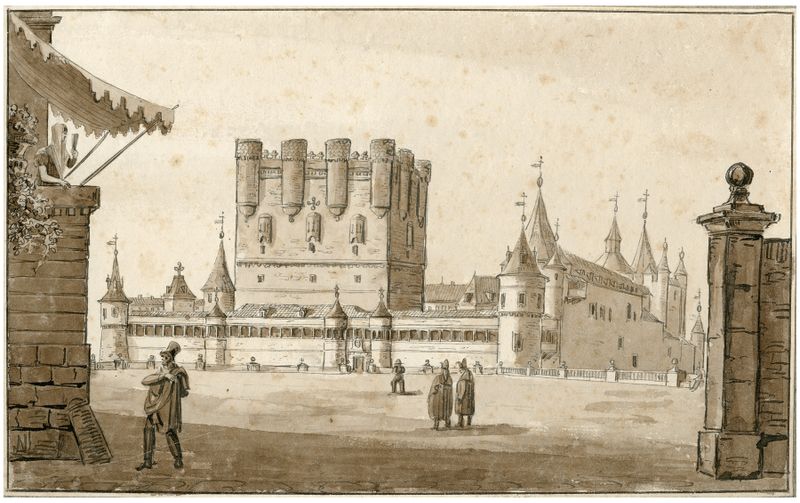
Het Alcazar te Segovia
Otto Howen
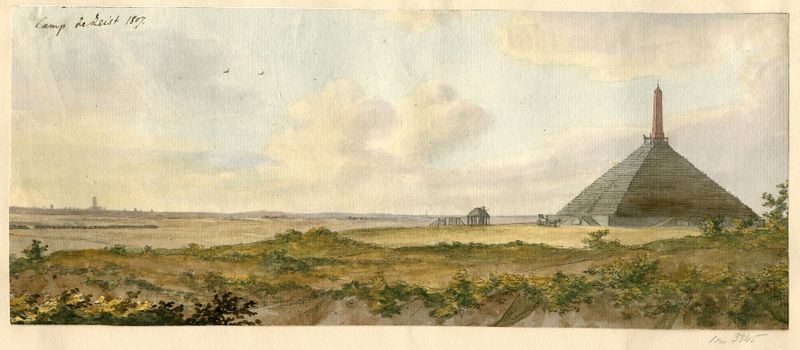
De piramide van Austerlitz bij Zeist
Otto Howen
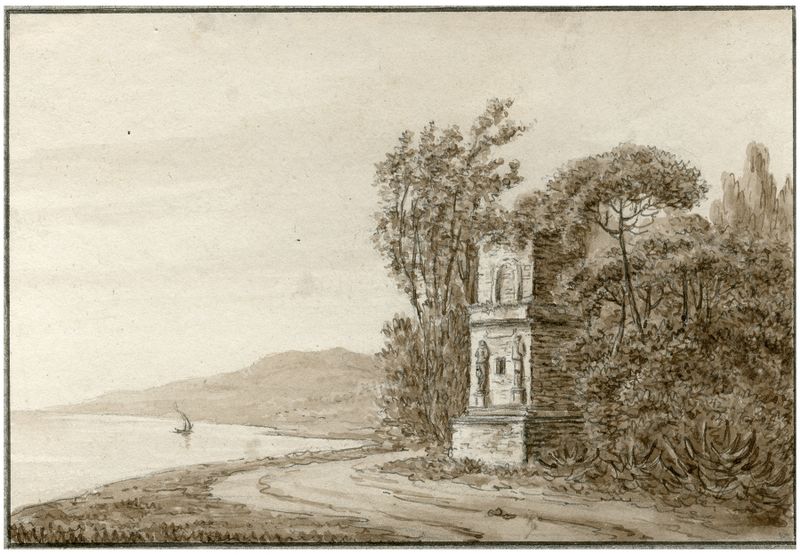
Een antiek monument in de omgeving van Taragone
Otto Howen
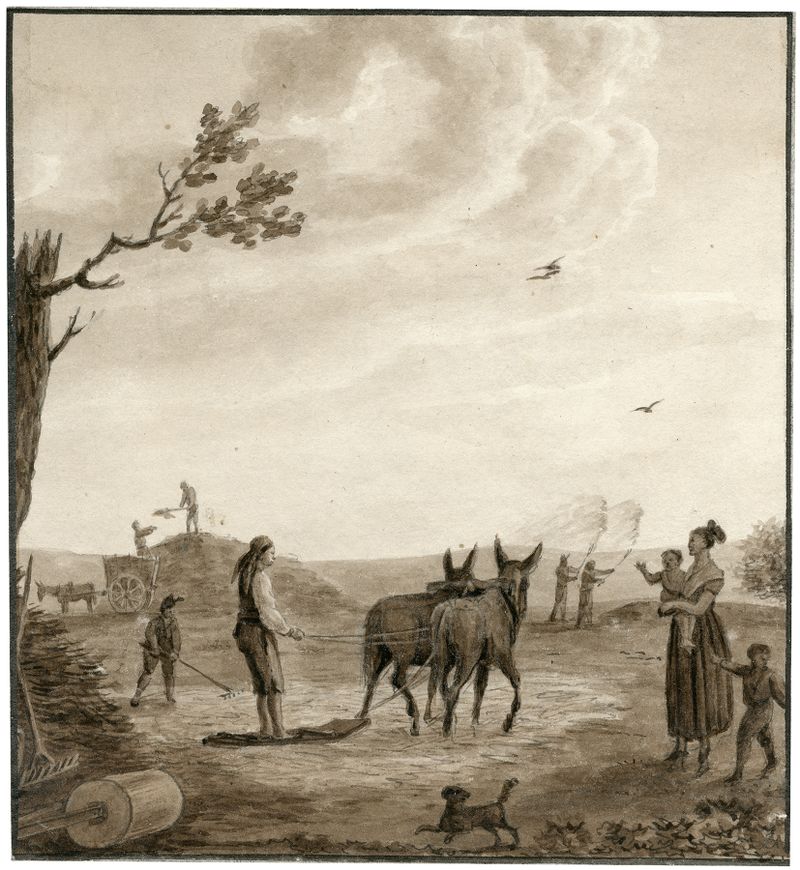
Het dorsen van het graan
Otto Howen
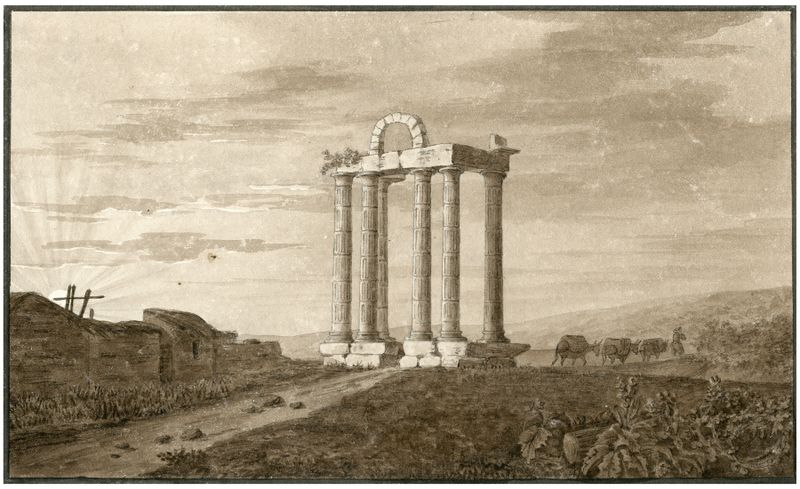
Antieke Ruïnes bij Talavera in Castillie
Otto Howen
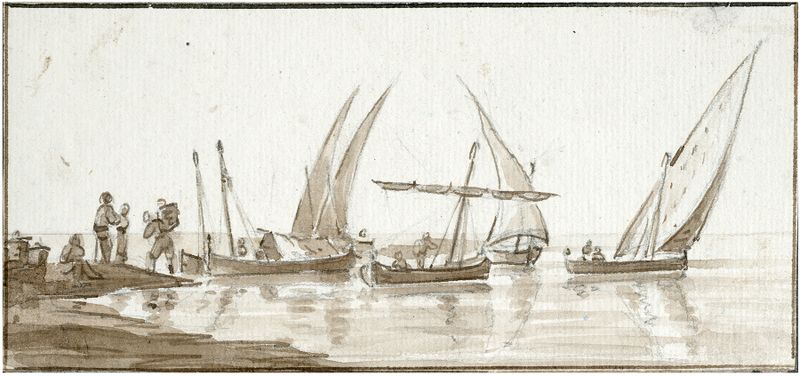
Zeilscheepjes bij een kust
Otto Howen
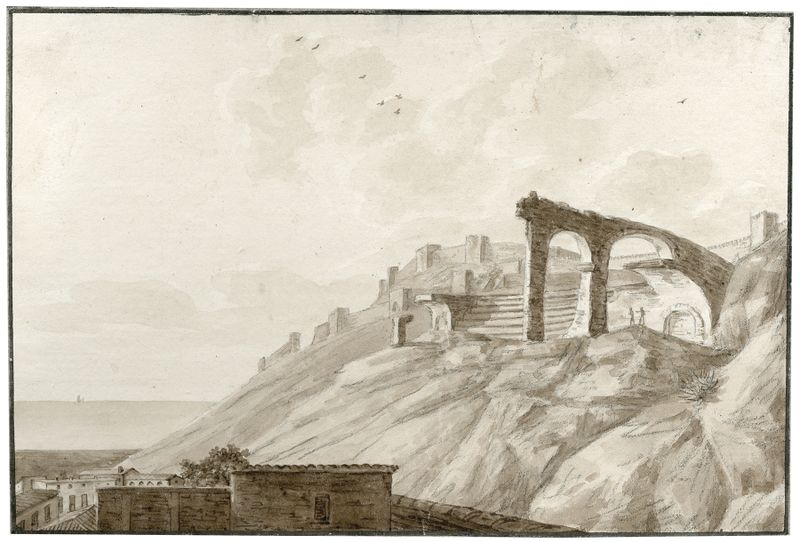
Ruïnes van het amfitheater te Sagonte
Otto Howen
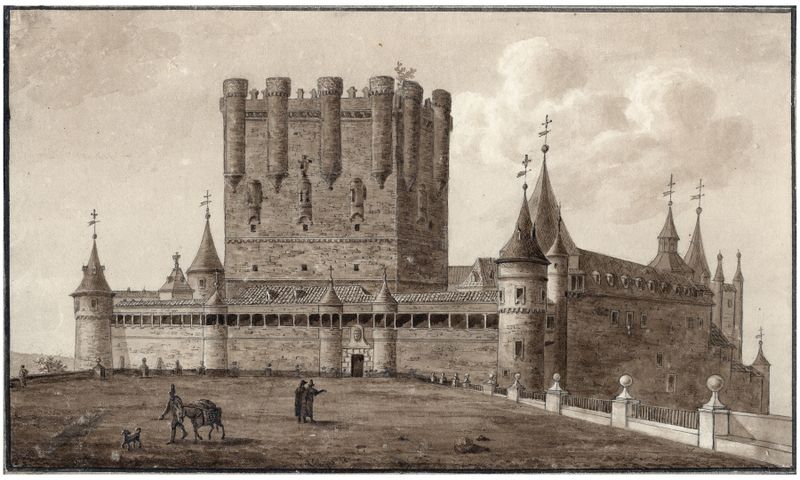
Het Alcazar te Segovia
Otto Howen
Gezicht op de haven van Barcelona
Otto Howen
Gezicht in de omgeving van Gerona
Otto Howen





