
Een waterput met raderwerk en trekezel — History & Facts
What if beauty was never meant to be finished? In a world where art, like life, is fraught with tension and raw edges, one can find unsettling beauty in the unfinished and the broken. Look closely at the intricate mechanism depicted in this work; the water well stands at the center, surrounded by a web of gears and levers. Notice how the light pools in the shadows cast by the raderwerk, highlighting the delicate interplay between precision and chaos. The stark contrast of earthy browns against muted greens draws your gaze to the trekezel, suggesting both functionality and fragility in its design.
Each stroke of paint reveals an artist's intention to capture movement, yet hints at the underlying violence of nature's unyielding forces. Within this composition lies a duality of purpose; the well is both a source of sustenance and a reminder of the laborious effort required to draw water. The twisting lines of machinery evoke an almost mechanical violence, emphasizing humanity’s struggle against nature's raw unpredictability. This tension speaks to a deeper philosophical inquiry about humanity's relationship with technology and the relentless pursuit of progress at the cost of harmony. Otto Howen created this piece during a time when industrialization was transforming landscapes and lives.
The exact date remains unknown, yet it resonates with the growing complexity of the human experience amidst rapid change. Howen's work reflects both the promise and peril of innovation, capturing a moment where beauty intertwines with the inherent violence of existence.
More Artworks by Otto Howen
Browse all →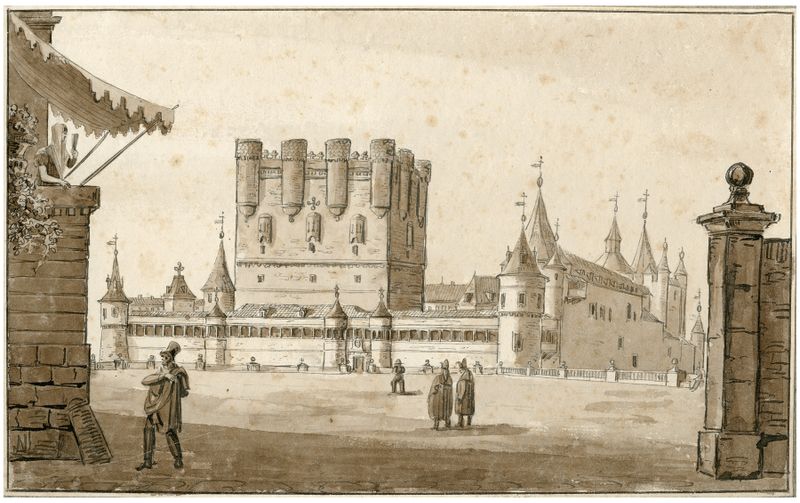
Het Alcazar te Segovia
Otto Howen
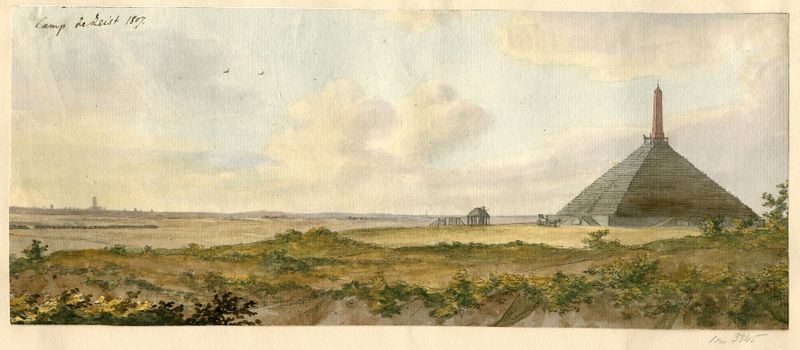
De piramide van Austerlitz bij Zeist
Otto Howen
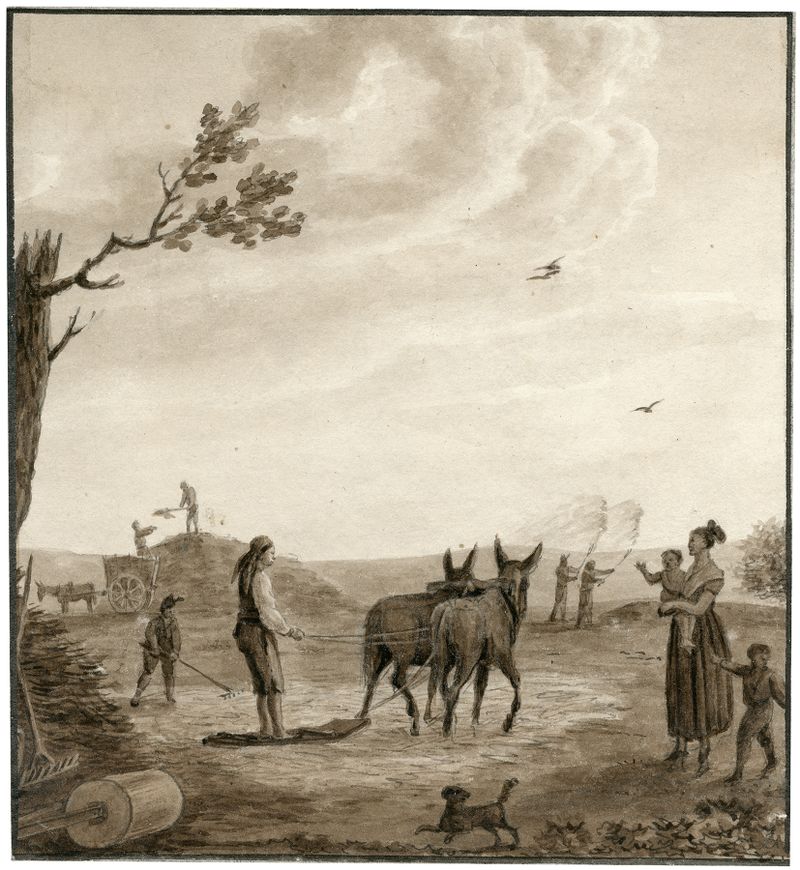
Het dorsen van het graan
Otto Howen
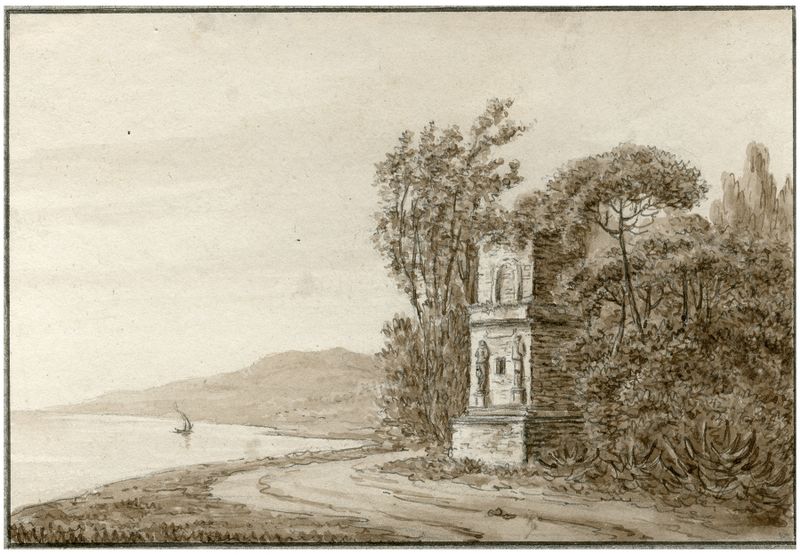
Een antiek monument in de omgeving van Taragone
Otto Howen
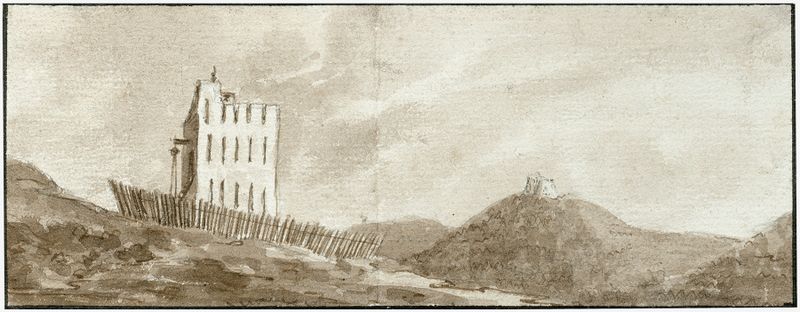
Gezicht in de omgeving van Gerona
Otto Howen
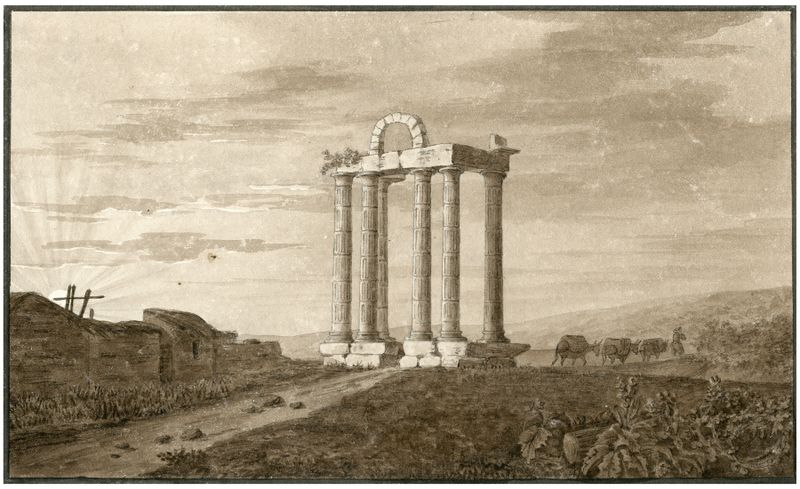
Antieke Ruïnes bij Talavera in Castillie
Otto Howen
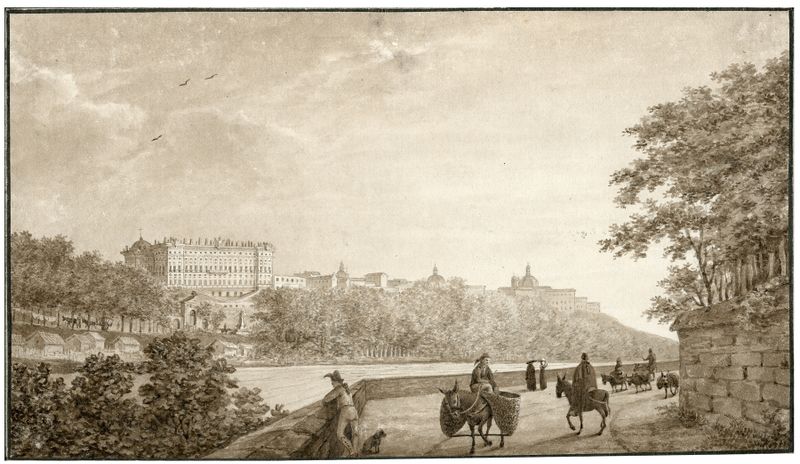
Het Koninklijke Paleis te Madrid
Otto Howen
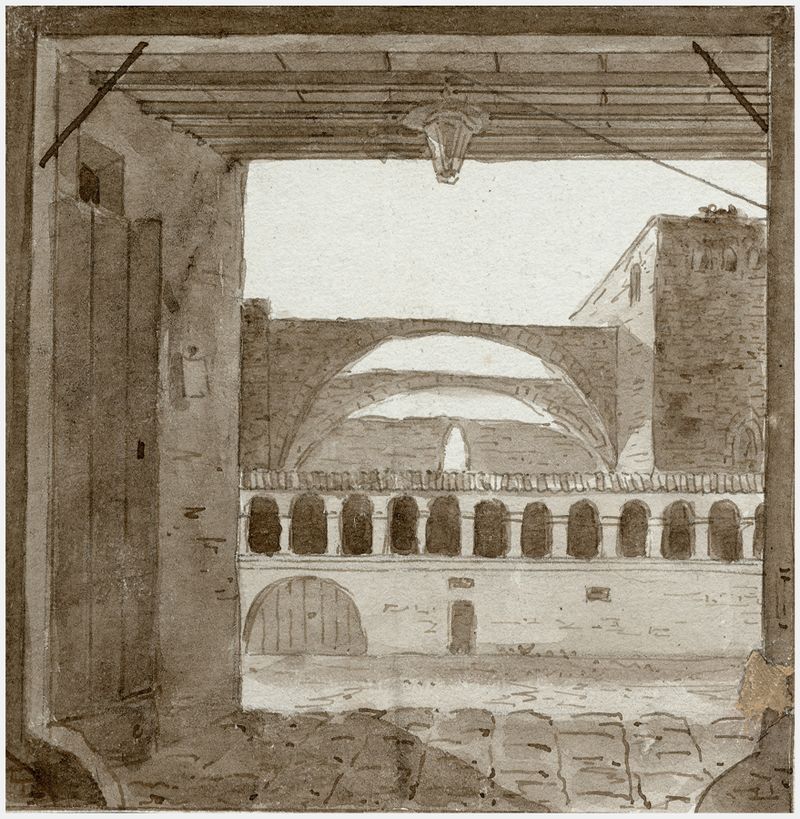
Ruïne van een klooster te Barcelona
Otto Howen
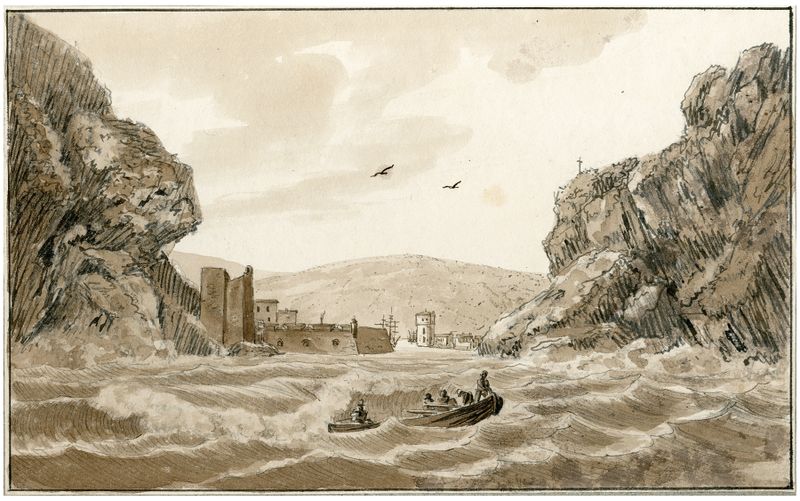
Een havenplaats in Spanje, Port de Passage
Otto Howen
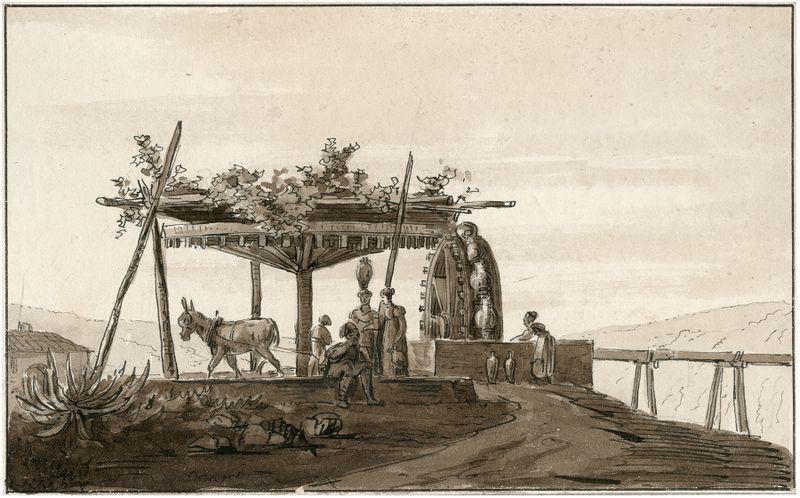
Een waterput met raderwerk en trekezel
Otto Howen
More Architecture Art
Browse all →
The statue of Liberty
Frédéric Auguste Bartholdi

View of Houses in Delft, Known as ‘The Little Street’
Johannes Vermeer

View of Houses in Delft, Known as ‘The Little Street’
Johannes Vermeer

The Cathedral in Rouen. The portal, Grey Weather
Claude Monet

The yellow house
Vincent van Gogh

The Church in Auvers-sur-Oise, View from the Chevet
Vincent van Gogh