Effets de lumière sur la mer — History & Facts
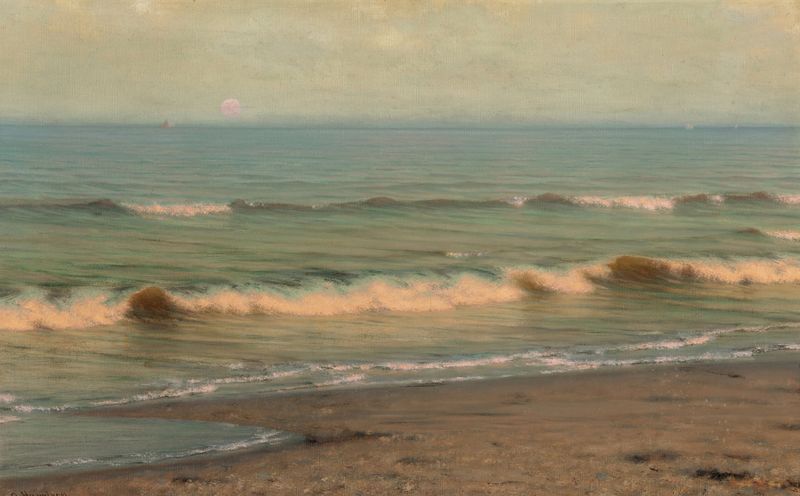
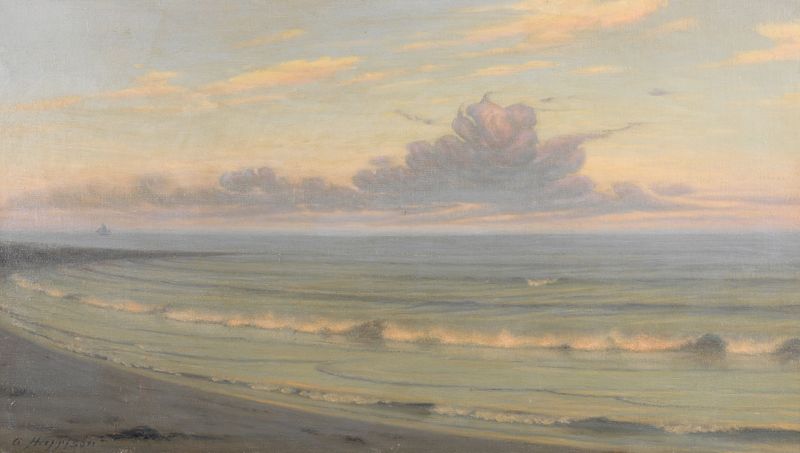
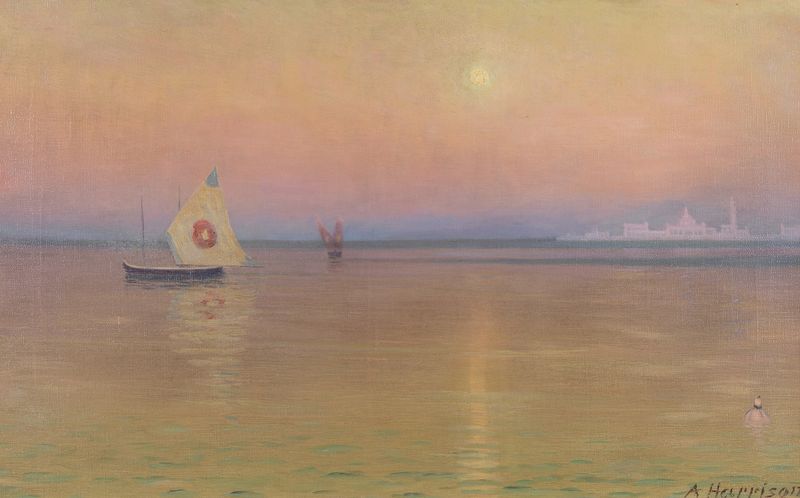
What secret hides in the quiet of the canvas? In the shimmering blues and golds of Effets de lumière sur la mer, a longing pulses beneath the surface, inviting the viewer to dive deeper into its reflective depths. Look to the horizon, where gentle waves embrace the light — flecks of sunlight dance upon the water’s surface, creating a mosaic of brilliance that captivates the eye. The artist employs soft brushwork and varied color palettes to evoke both the tranquility and restlessness of the sea, while the subtle gradations of blue hint at the vast unknown. Notice how the strokes become more spirited near the foreground, suggesting movement and life, contrasting against the calmness of the deeper waters. This painting encapsulates a profound yearning, reflecting humanity's eternal quest for connection and understanding.
The interplay of light and shadow not only illuminates the surface of the water but also metaphorically explores the depths of emotion — the desire for clarity amid confusion. The ethereal quality of the piece invites contemplation, drawing the viewer into a moment that feels simultaneously transient and everlasting. During the period when this artwork was created, little is known about the specific circumstances of Thomas Alexander Harrison’s life. However, his work reflects the broader Impressionist movement's fascination with light and its effects on nature, a pursuit that resonated deeply in the late 19th century.
As artists sought to break free from traditional forms, Harrison’s exploration of color and impression conveyed both beauty and a profound sense of yearning, encapsulating the spirit of his time.