
Efterårslandskab — History & Facts
In Efterårslandskab, the lush hues of autumn foliage reveal a powerful narrative of transformation and rebirth, inviting us to contemplate the duality of nature's beauty and sorrow. Look to the left at the vibrant trees, their leaves ablaze in shades of orange and gold. The painter employs a rich palette that dances with light, creating a striking contrast against the cool blues of the sky. Notice how the sweeping brushstrokes give texture to the leaves, whispering tales of change and the passage of time.
The composition leads your gaze across the landscape, guiding you through the gentle undulations of the hills, while a serene river reflects the day's soft light, enhancing the sense of tranquility amid the season's inevitable decay. Delve deeper into the canvas, where elements of life and death intertwine. The bright foliage symbolizes the beauty of life, yet the onset of autumn foreshadows the barrenness of winter. This cyclical interplay evokes a bittersweet emotion, reminding us that even in the moments of greatest splendor, the specter of loss lingers.
Each brushstroke subtly conveys the artist’s reverence for nature’s resilience, highlighting the ephemeral nature of existence and the promise of renewal that follows decay. Fritz Syberg painted this work between 1900 and 1901 during a time of personal and artistic exploration. Living in Denmark, he was drawn to the natural world, reflecting the Symbolist movement's emphasis on emotional depth and symbolism. His works from this period often reveal a profound connection to the changing seasons, echoing the broader cultural shifts and artistic movements that sought to capture the essence of human experience and the beauty found within it.
More Artworks by Fritz Syberg
Browse all →
Vinteren er kommet. Landskab med skøjteløbere
Fritz Syberg

Ved forårstid
Fritz Syberg

Udsigt Over Sommerlandskab
Fritz Syberg

A Rye Field near Svanninge
Fritz Syberg
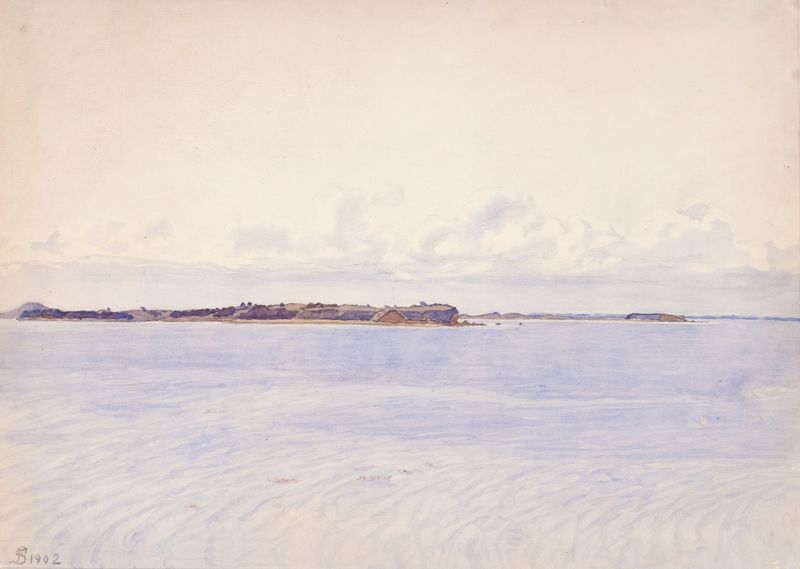
Ved Fyns Hoved
Fritz Syberg
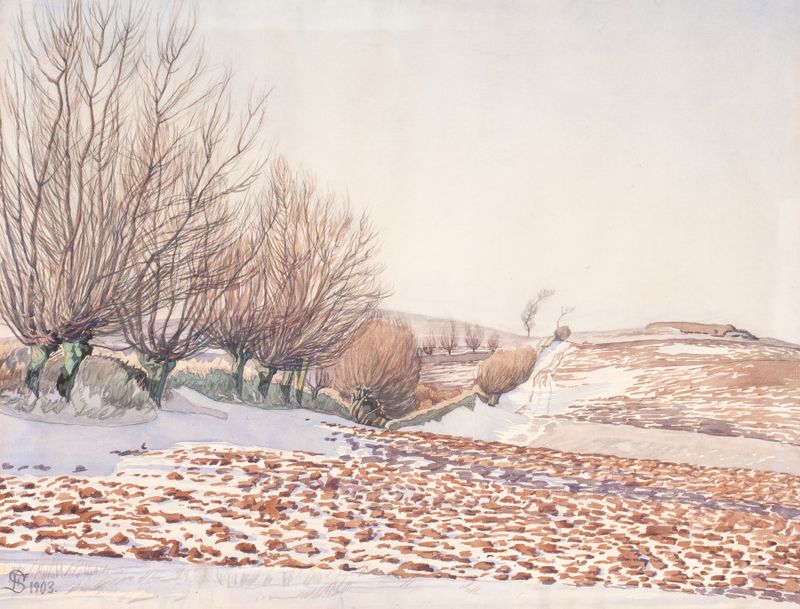
Landskab med piletræer og pløjemark i sne
Fritz Syberg

Marine. Fyns Hoved
Fritz Syberg

Farmhands fetching Ice
Fritz Syberg

Snow-Covered Highroad in the Sunshine
Fritz Syberg
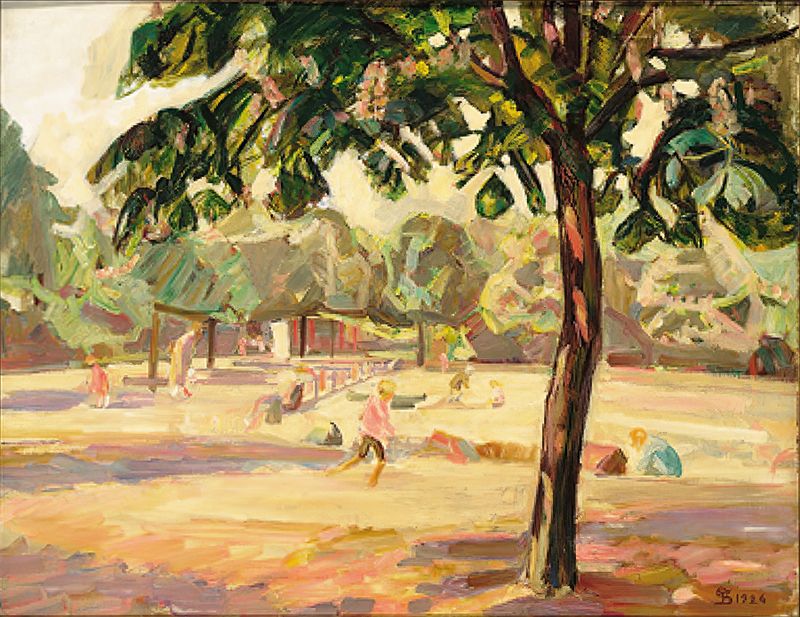
Legende Børn I Fælledparken
Fritz Syberg





