
Egger Lienz Der Mann hinter dem Kreuzträger (Das Kreuz) — History & Facts
The first thing that grips the viewer in Egger Lienz Der Mann hinter dem Kreuzträger (Das Kreuz) is the man's gaze—intense, sidelong, almost wary—anchoring the entire composition in a moment of silent tension. His weathered face and rough clothing speak of a life shaped by hardship, while the large, dark hat and the red scarf at his neck lend him a certain gravity. The cross he holds is not an ornament but a burden, its shaft gripped tightly in a hand that seems both strong and tired.
The light falls across his chest and face, drawing the eye to the crucifix that hangs from his neck, a quiet echo of the larger cross he bears, and to the veins in his hand, which pulse with effort and resolve. Every brushstroke seems to weigh the cost of duty and faith, the palette earthy and somber, as if the very soil of his world clings to him. Painted in 1899, this work by Albin Egger Lienz belongs to a period when artists across Europe were turning their attention to the dignity and struggle of rural life. In the late nineteenth century, such images were often created for local patrons or church communities, meant to honor the everyday heroism of ordinary people.
The artist’s focus on the lone figure, stripped of any grand narrative or overt religious spectacle, reflects a broader movement toward realism and empathy in art. This reproduction, preserved in an artbook, is one of the few traces left to us of a world where the cross was not only a symbol but a daily reality. The man’s steady resolve invites us to linger, to wonder what burdens we carry unseen.
More Artworks by Albin Egger Lienz
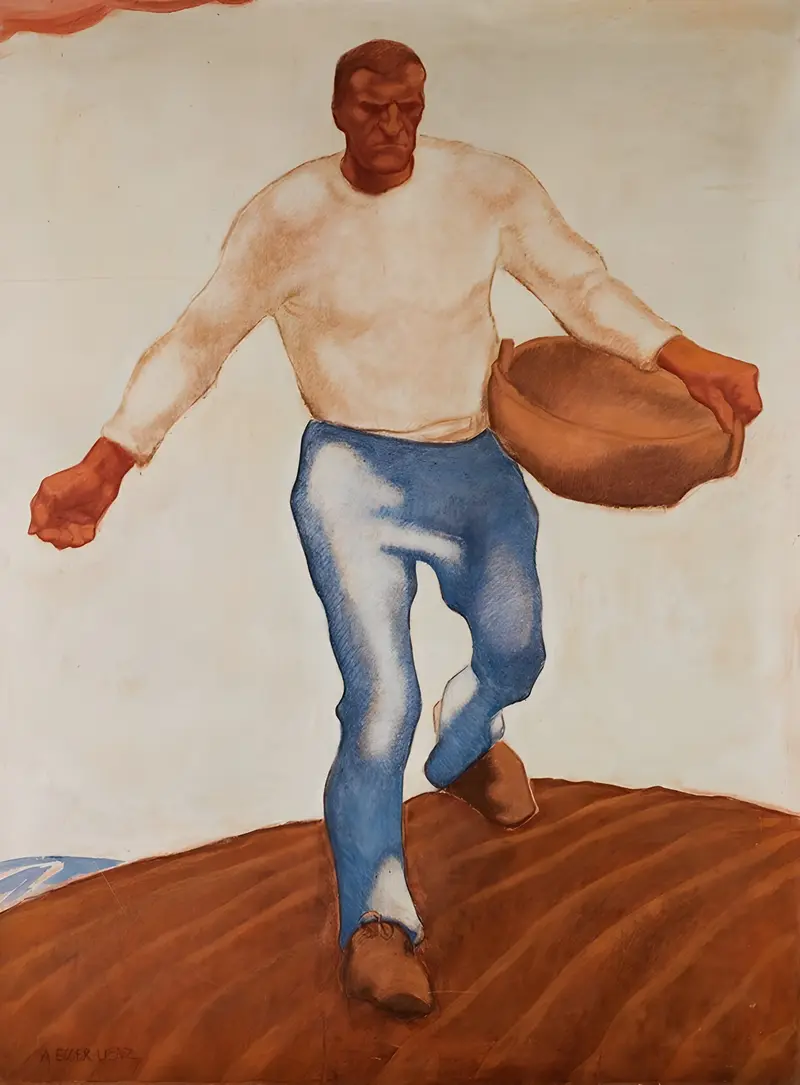
Der Sämann (The Sower)
Albin Egger Lienz
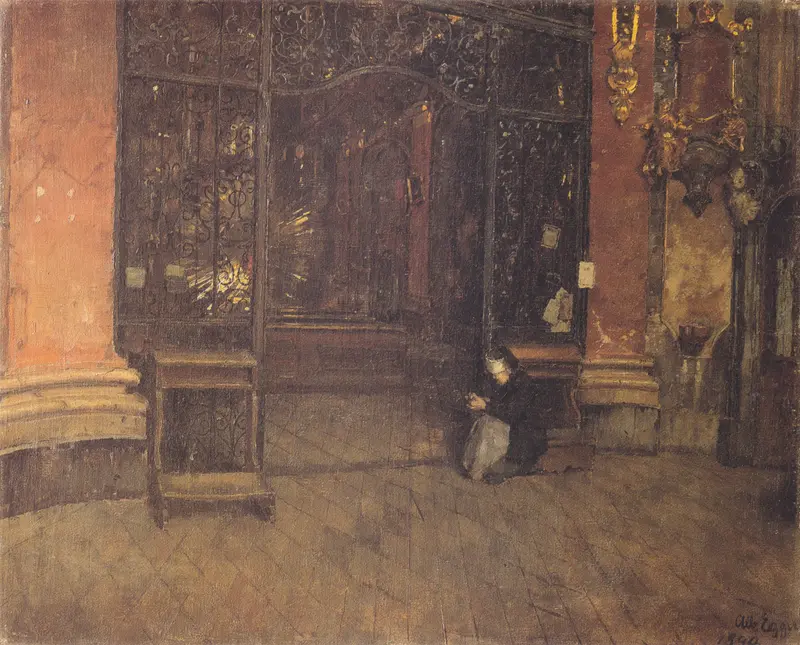
Inneres Der Johanneskirche In München
Albin Egger Lienz
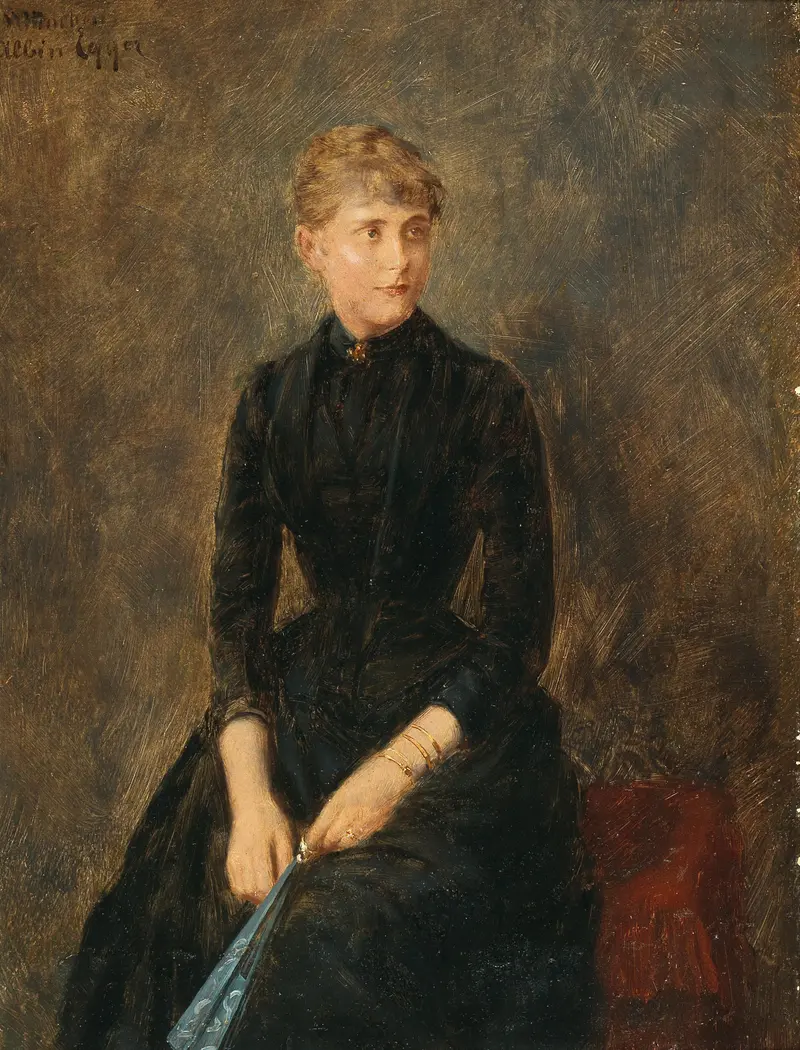
Portrait of the singer Hedwig Helbig
Albin Egger Lienz
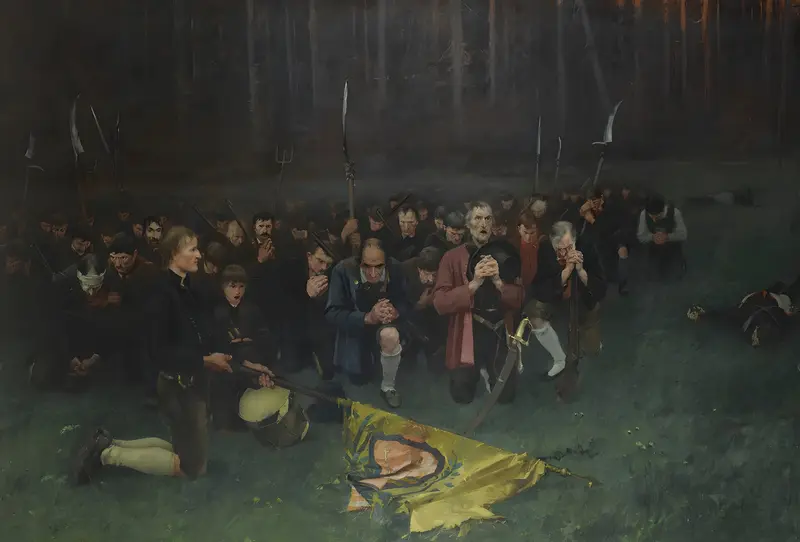
Prayer after the battle of Bergisel
Albin Egger Lienz
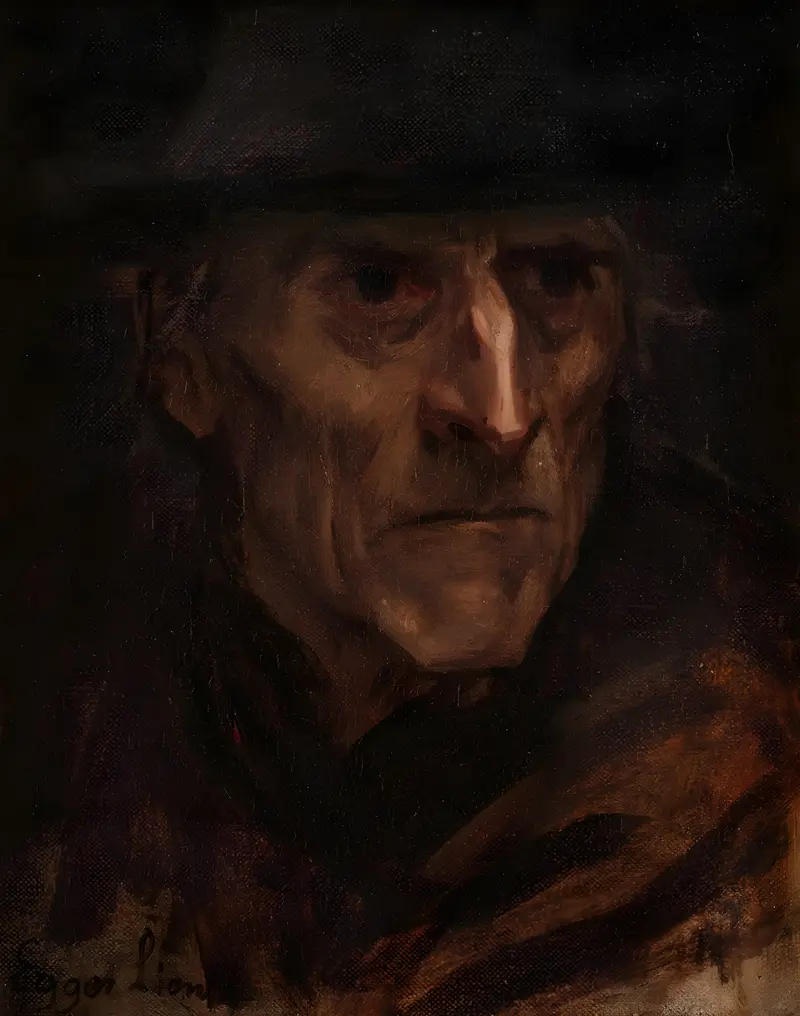
Study for the ‘Sensenmann’ in the ‘Das Kreuz’
Albin Egger Lienz
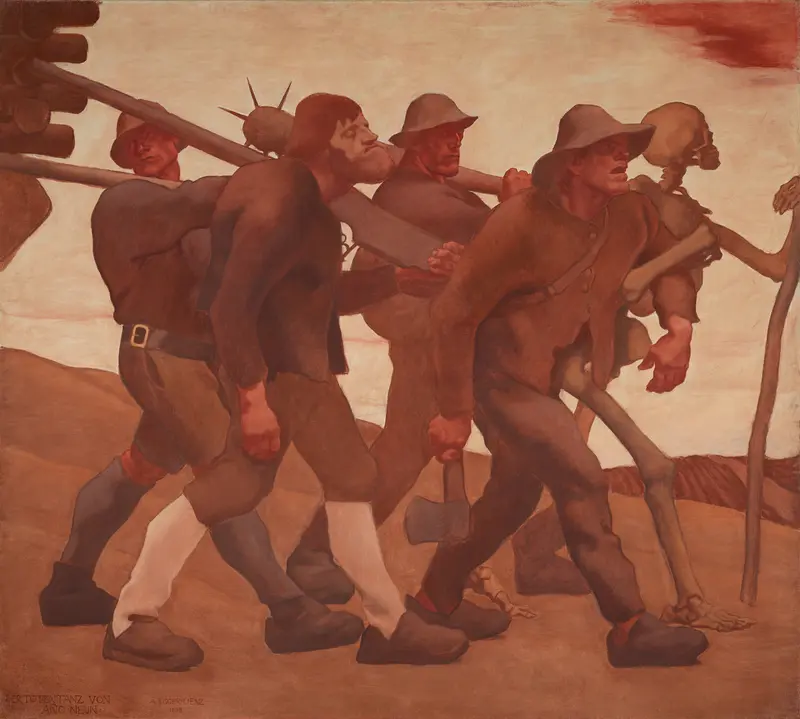
Der Totentanz Von Anno Neun
Albin Egger Lienz
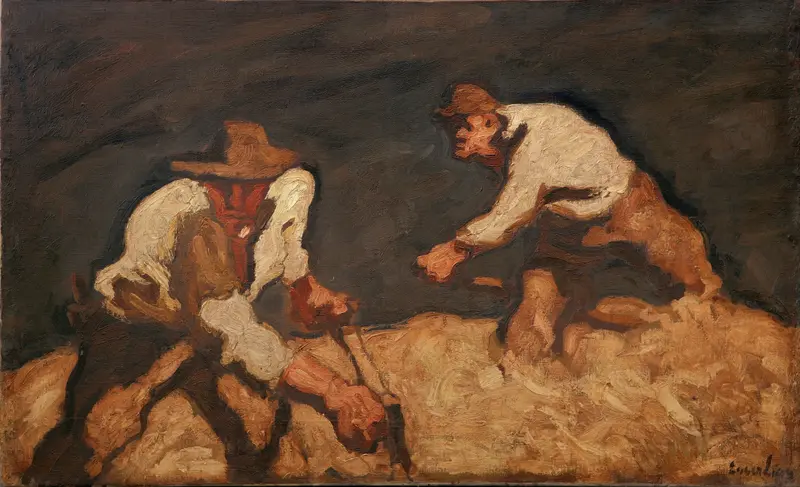
Reapers in a GatheringStorm
Albin Egger Lienz
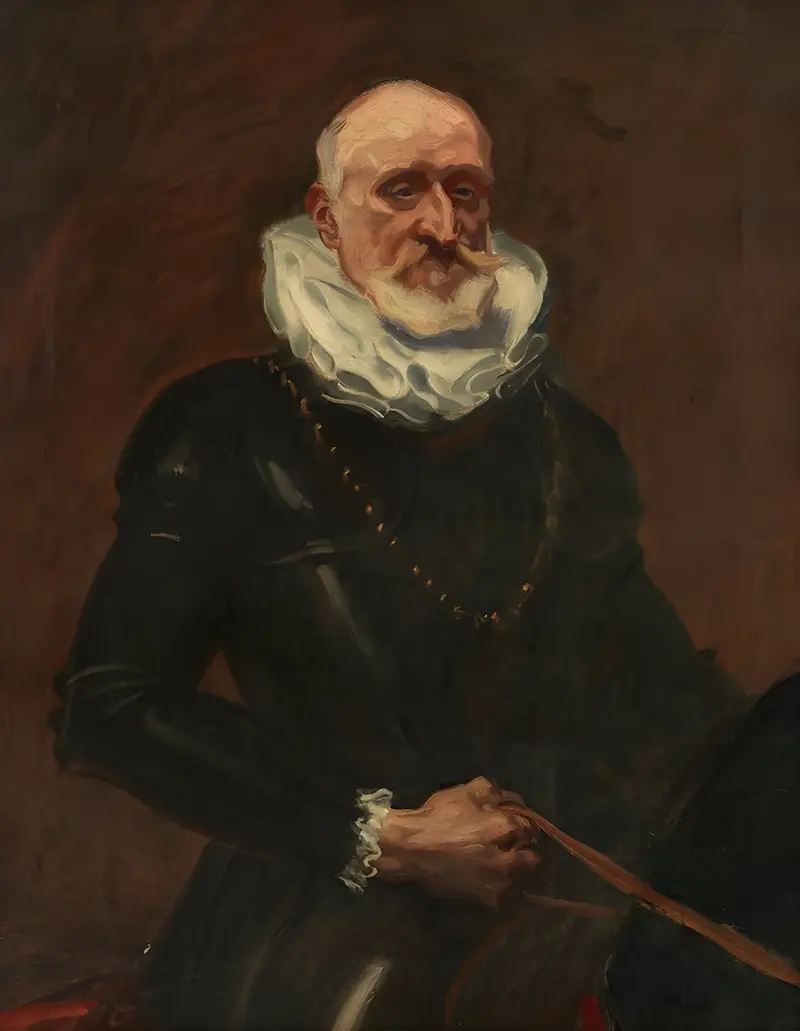
Carl Costenoble (Bildhauer und Stadtrat von Wien)
Albin Egger Lienz
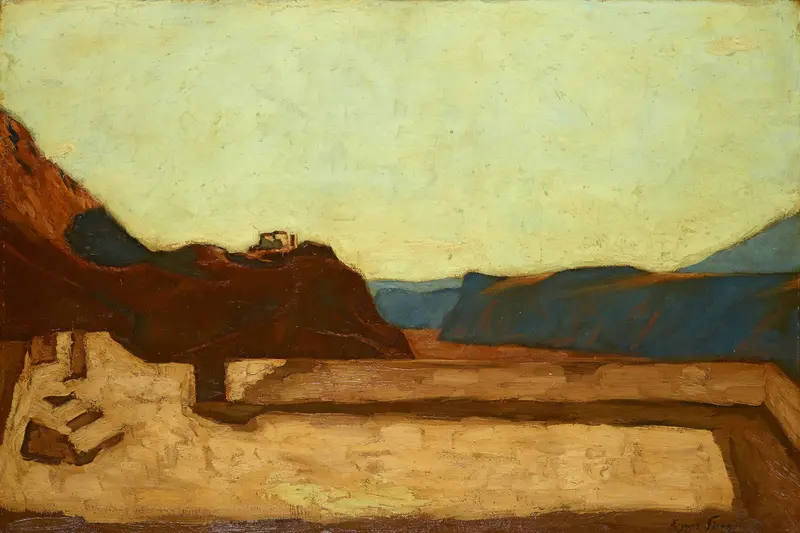
Am Kalvarienberg In Bozen
Albin Egger Lienz
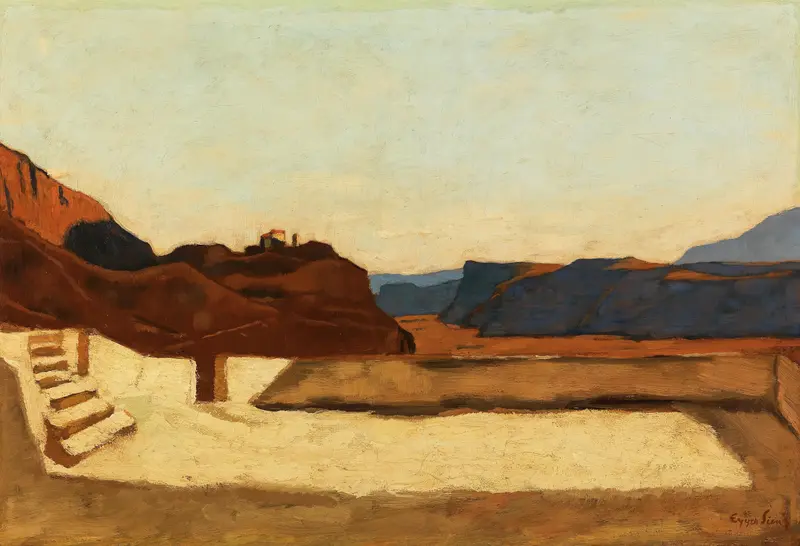
Kalvarienberg bei Bozen
Albin Egger Lienz



