Egger Lienz Der tote Christus — History & Facts
What first grips the viewer in Der tote Christus is the stark, almost sculptural presence of the body, laid out in a space stripped of all distraction. The figure dominates the canvas, foreshortened so that the viewer confronts the weight and finality of death head-on. The clenched fists and splayed feet, rendered in thick, earthy brushstrokes, insist on the physical reality of the scene.
There is no crowd, no overt sign of mourning—just the solitary form, the light falling coldly across flesh and cloth, demanding that we reckon with both the suffering and the silence that follows. Painted in 1926, Egger Lienz’s vision belongs to a moment when European artists were wrestling with the aftermath of war and the meaning of sacrifice. The work’s stripped palette and monumental form recall the tradition of religious painting, yet it is unmistakably modern in its unflinching directness. Such images, especially in the interwar years, often served as meditations on loss and the enduring question of human dignity.
While history has kept few traces of this particular painting beyond its reproduction in an artbook, its raw immediacy draws us back, urging us to look again at what remains when all else is stripped away.
More Artworks by Albin Egger Lienz
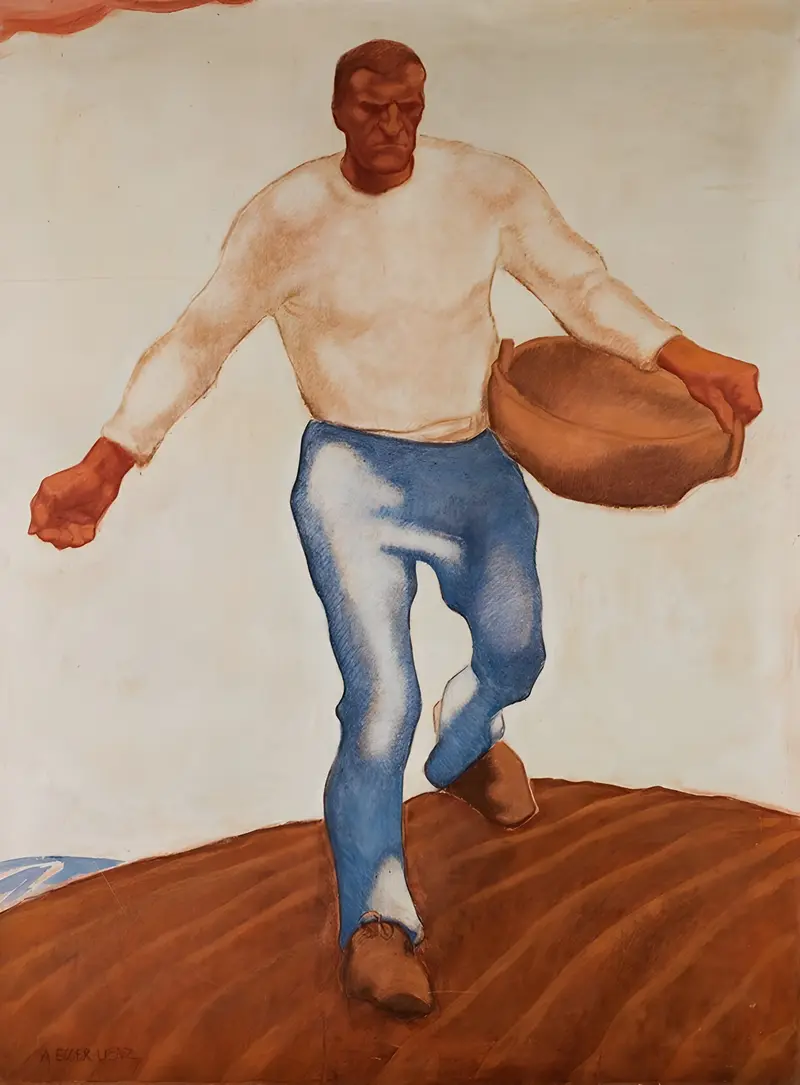
Der Sämann (The Sower)
Albin Egger Lienz
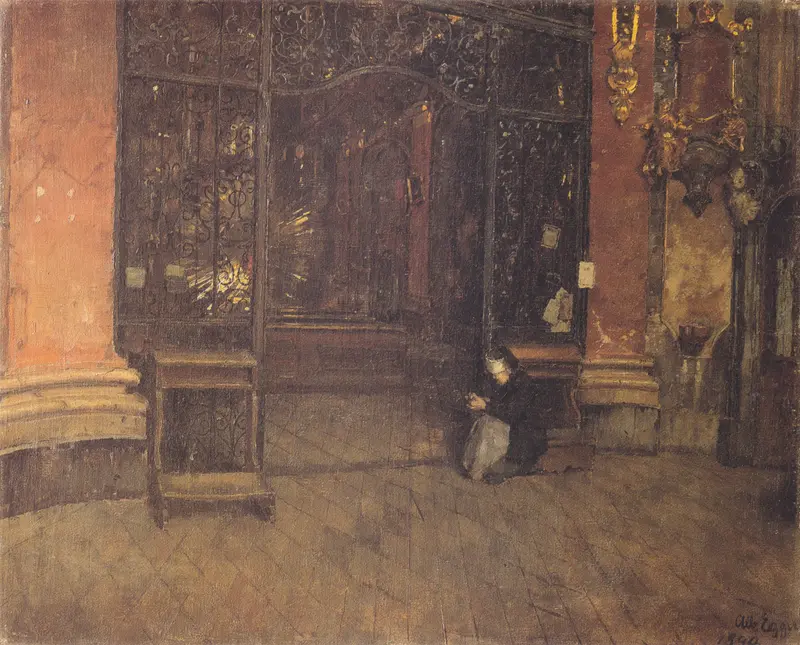
Inneres Der Johanneskirche In München
Albin Egger Lienz
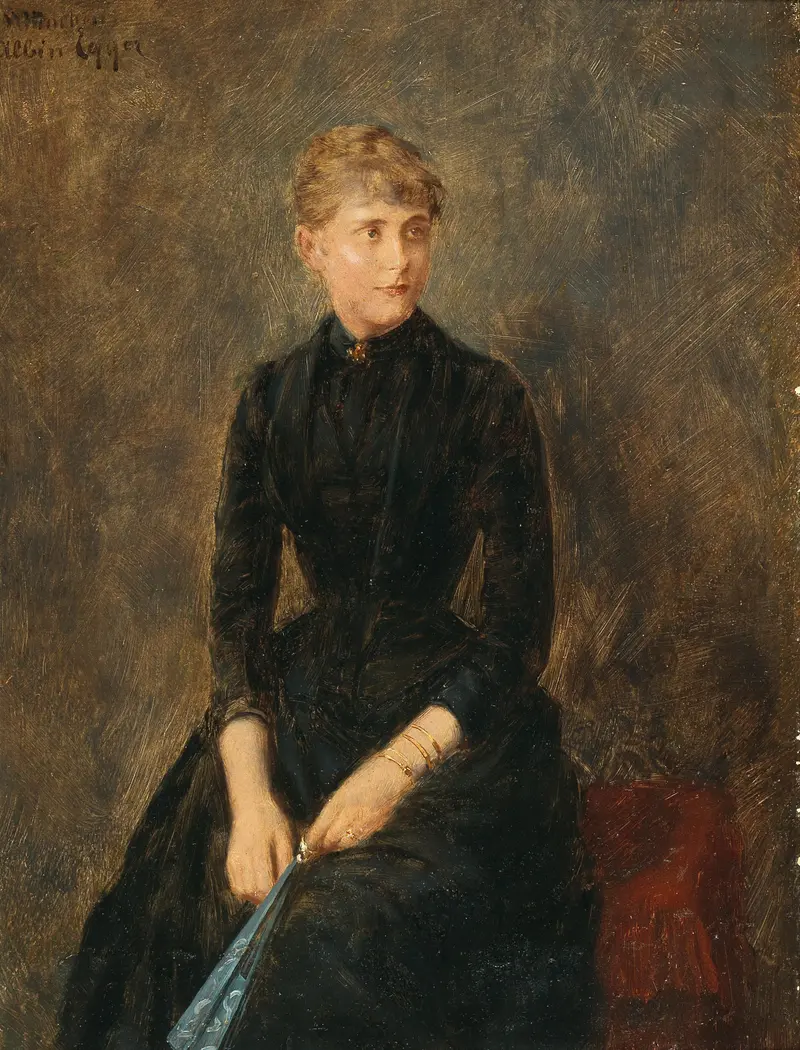
Portrait of the singer Hedwig Helbig
Albin Egger Lienz
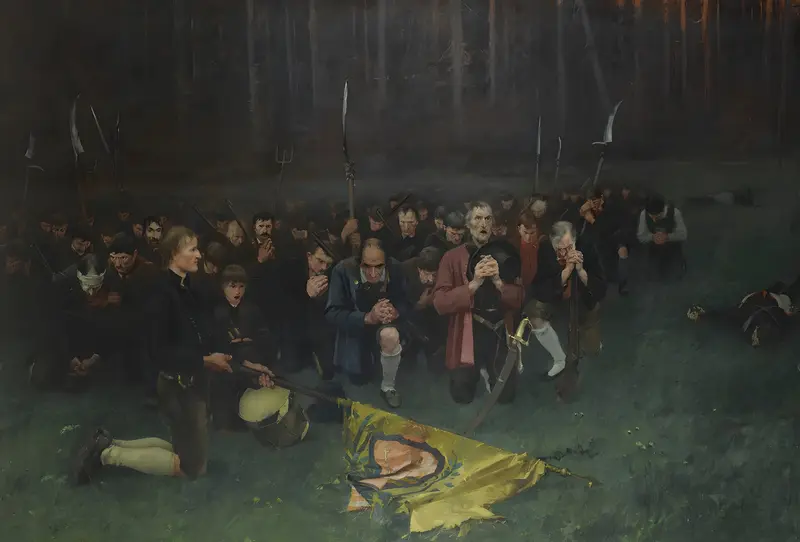
Prayer after the battle of Bergisel
Albin Egger Lienz
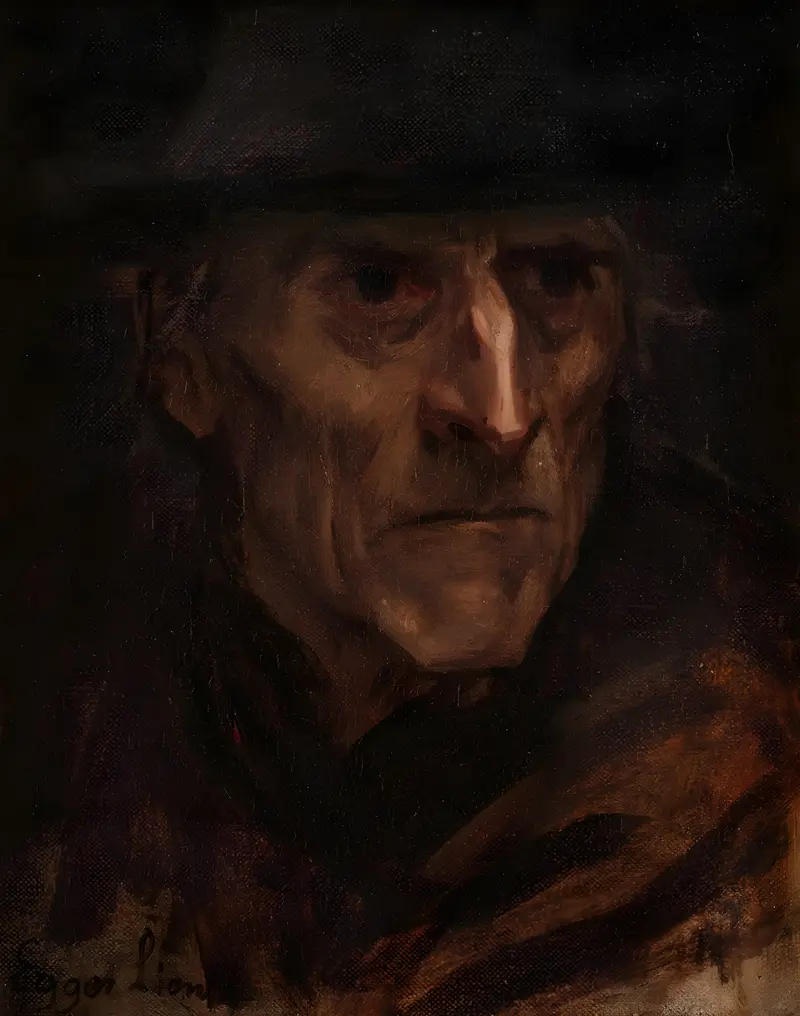
Study for the ‘Sensenmann’ in the ‘Das Kreuz’
Albin Egger Lienz
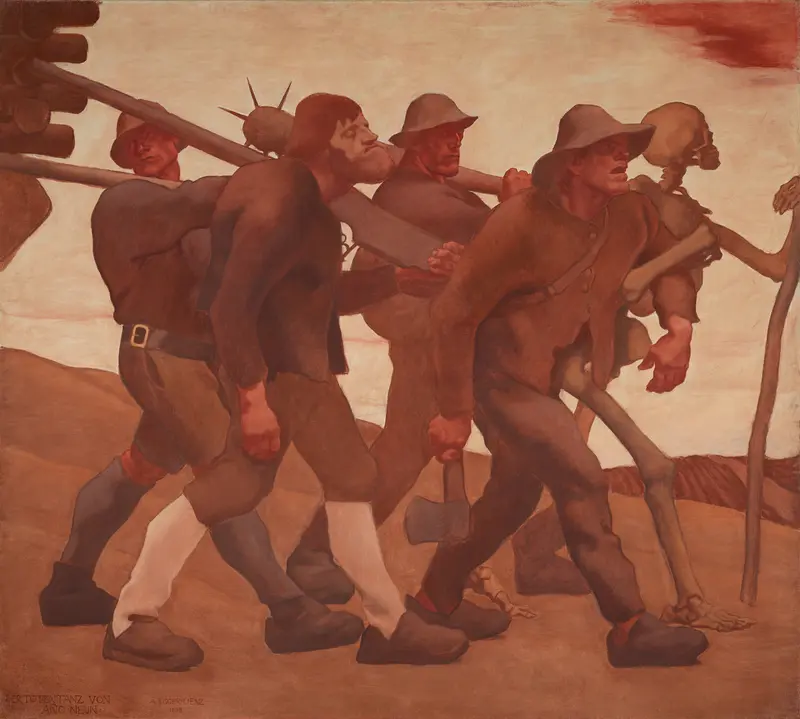
Der Totentanz Von Anno Neun
Albin Egger Lienz
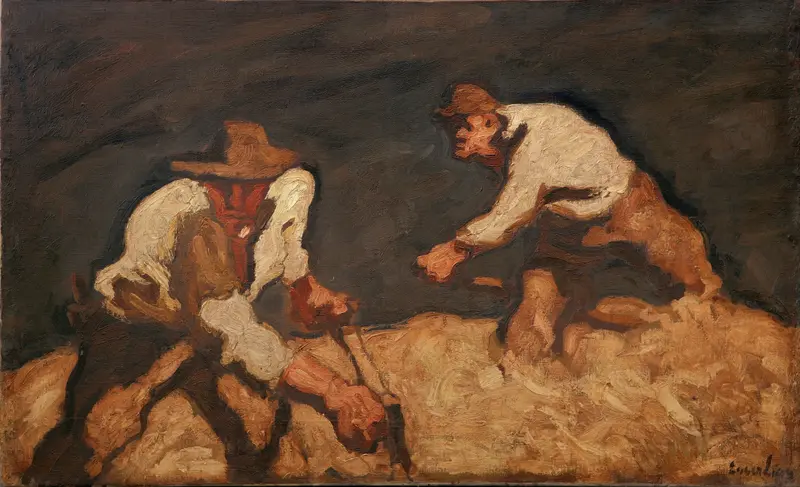
Reapers in a GatheringStorm
Albin Egger Lienz
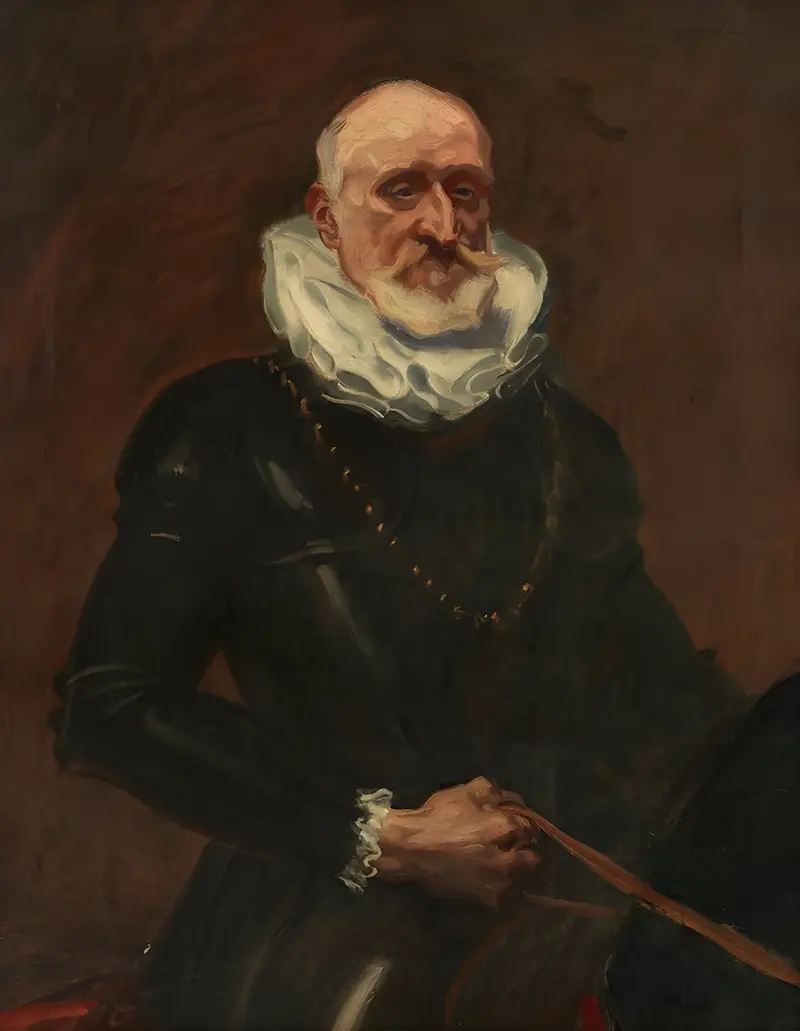
Carl Costenoble (Bildhauer und Stadtrat von Wien)
Albin Egger Lienz
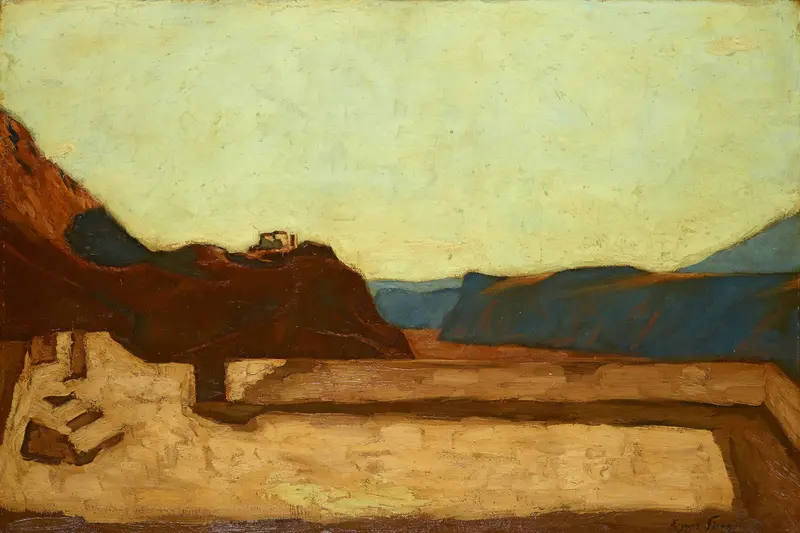
Am Kalvarienberg In Bozen
Albin Egger Lienz
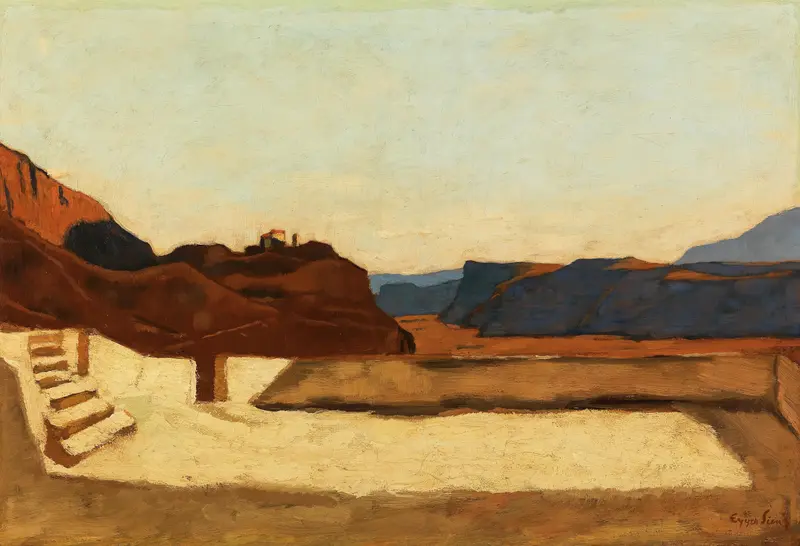
Kalvarienberg bei Bozen
Albin Egger Lienz