
Egger Lienz Hulda — History & Facts
What first catches the eye in Egger Lienz Hulda is the hush of anticipation hovering above the sleeping figure—a young man, shepherd’s staff still in hand, lost in a dream as a crowned vision leans over him. The woman, crowned with flowers and swathed in a pale, translucent veil, holds a golden crown just above his brow, her finger pressed to her lips in a gesture that demands silence. The scene is staged atop a mound of vivid red blossoms, the color echoing the intensity of the dream or vision, while the arc of yellow above suggests a rising sun or a celestial dome, enclosing the moment in a world apart.
The painter draws the viewer’s gaze from the grounded, earthbound sleeper to the ethereal figure above, inviting us to wonder if this is a blessing, a warning, or a promise. The palette, with its clear blue sky and bursts of floral color, sets a mood of quiet revelation, where the ordinary and the extraordinary meet. Painted in 1903, this work belongs to a world on the cusp of modernity, when artists like Albin Egger Lienz often turned to allegory and folklore to explore questions of destiny, reward, and the mysterious workings of fate. At the turn of the twentieth century, such images were popular among collectors and public institutions alike, valued for their blend of narrative clarity and symbolic ambiguity.
While little is recorded about this specific painting beyond its reproduction in an artbook, its style and subject speak to the broader currents of its era, when the boundaries between dream and reality, myth and daily life, were being redrawn on canvas. The viewer is left to decide: is the crown a promise of greatness, or merely a fleeting vision that will vanish with the dawn?
More Artworks by Albin Egger Lienz
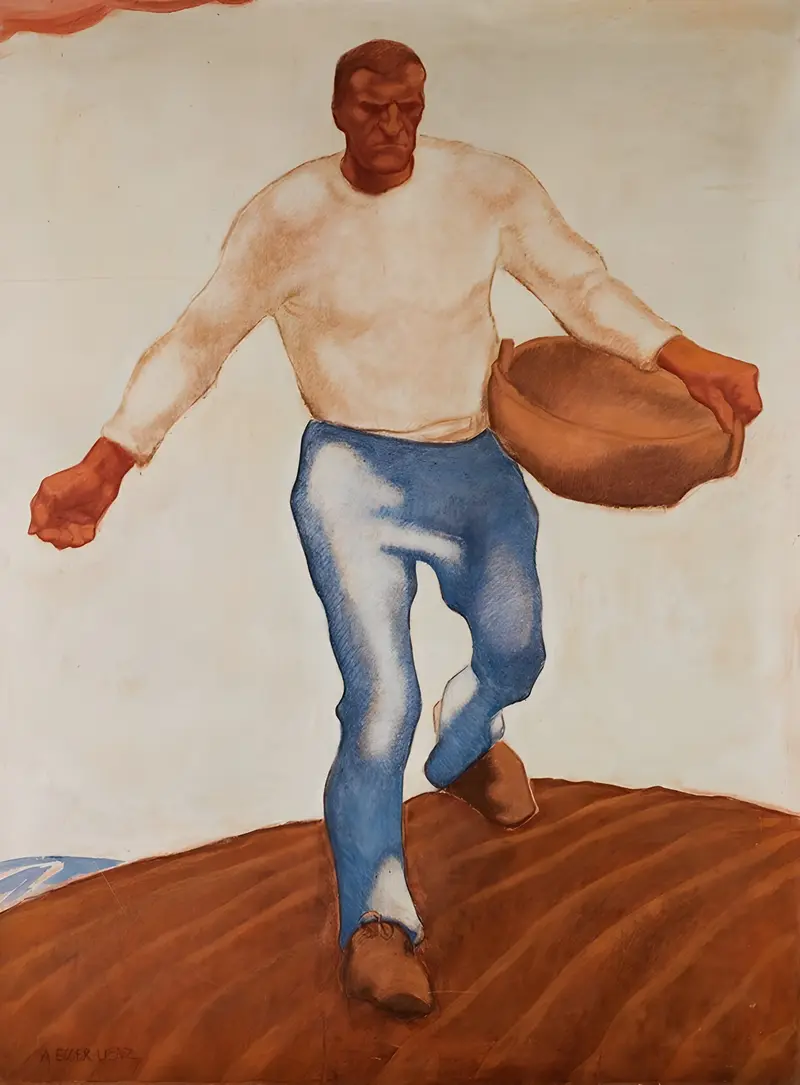
Der Sämann (The Sower)
Albin Egger Lienz
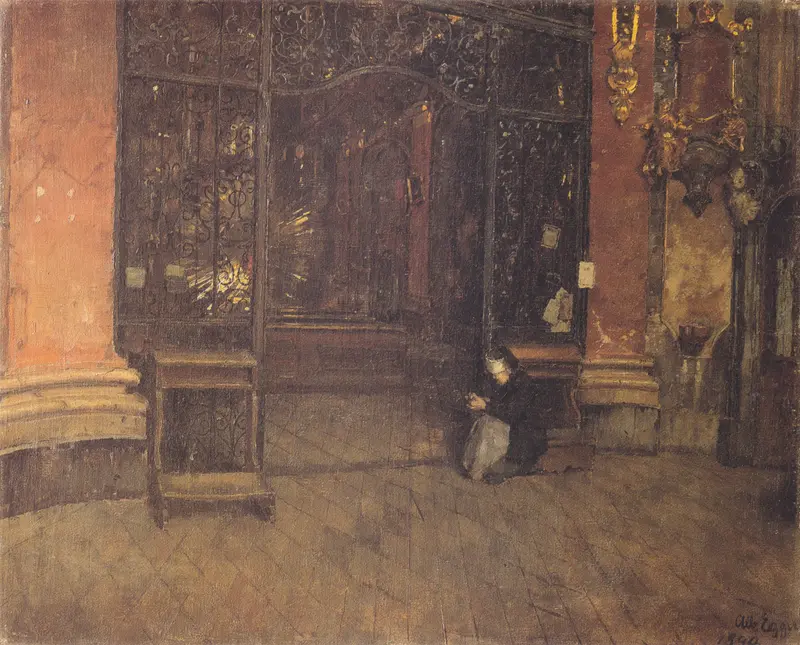
Inneres Der Johanneskirche In München
Albin Egger Lienz
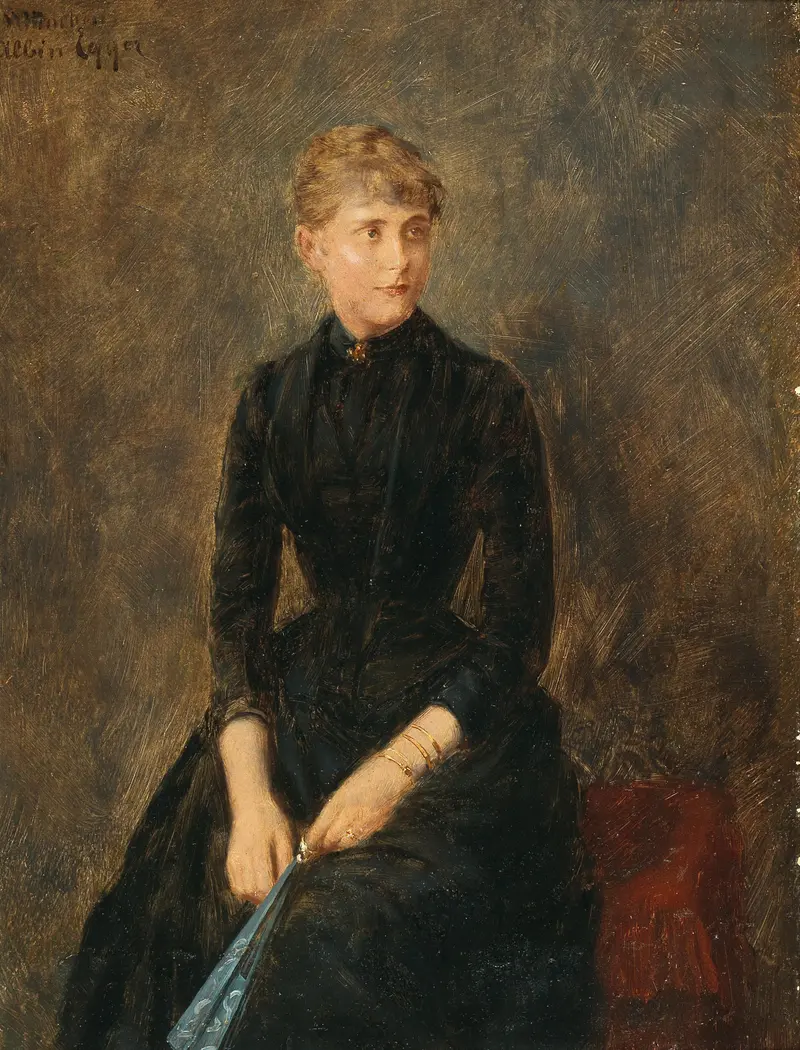
Portrait of the singer Hedwig Helbig
Albin Egger Lienz
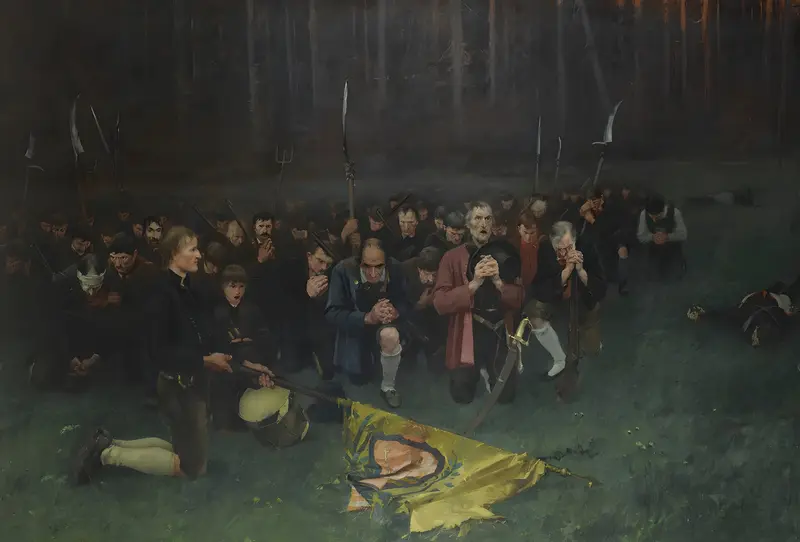
Prayer after the battle of Bergisel
Albin Egger Lienz
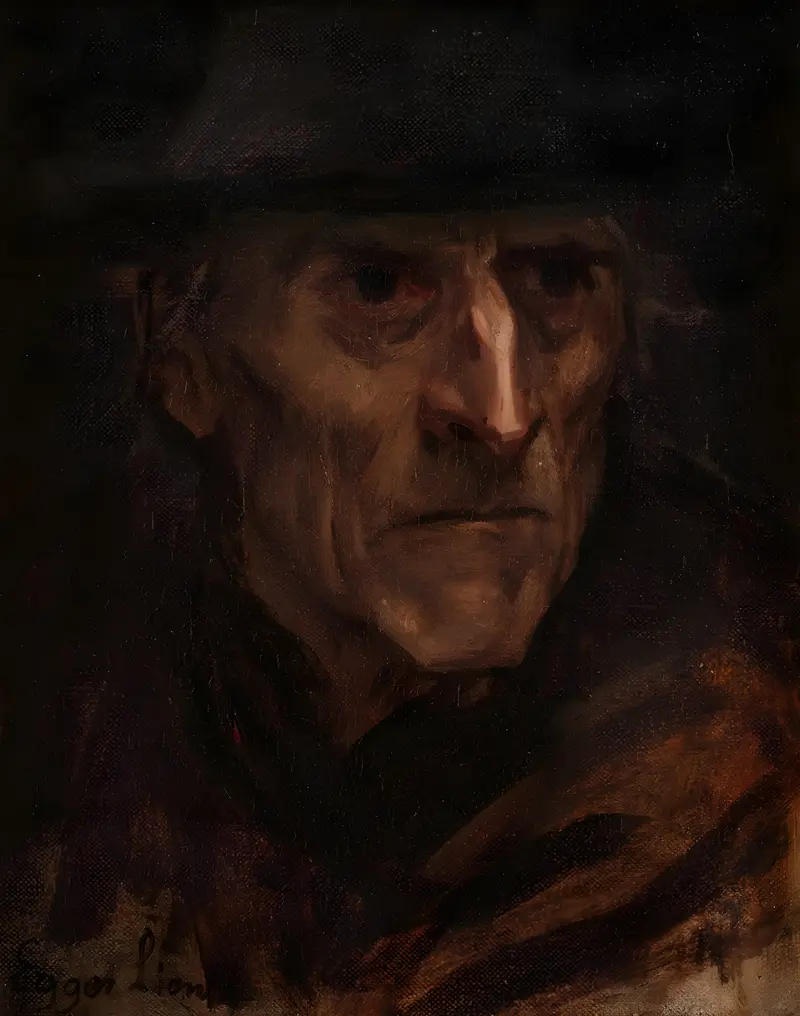
Study for the ‘Sensenmann’ in the ‘Das Kreuz’
Albin Egger Lienz
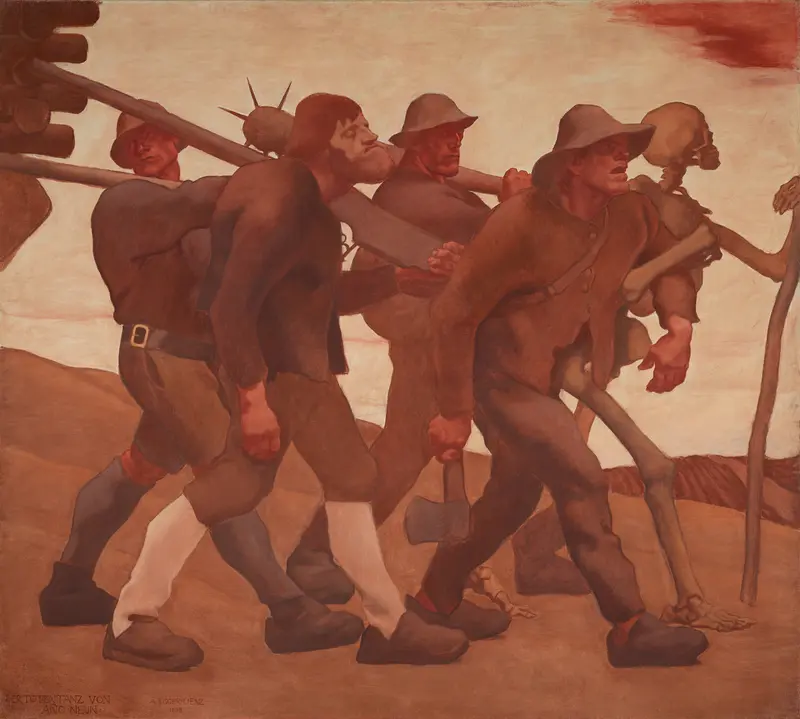
Der Totentanz Von Anno Neun
Albin Egger Lienz
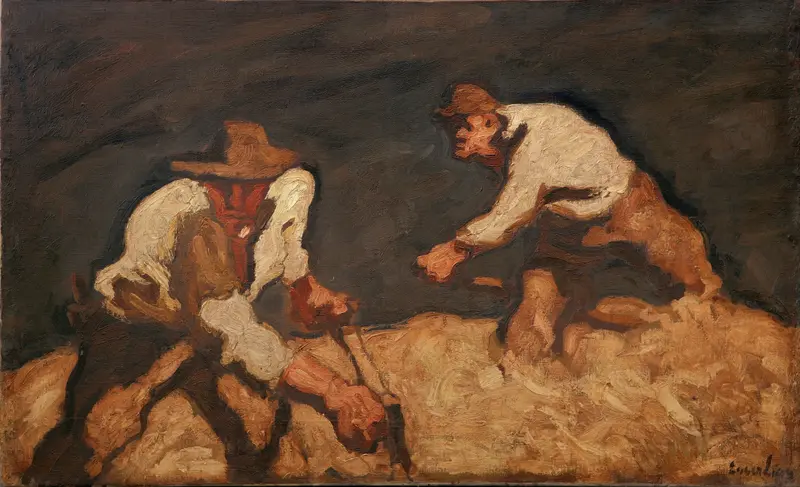
Reapers in a GatheringStorm
Albin Egger Lienz
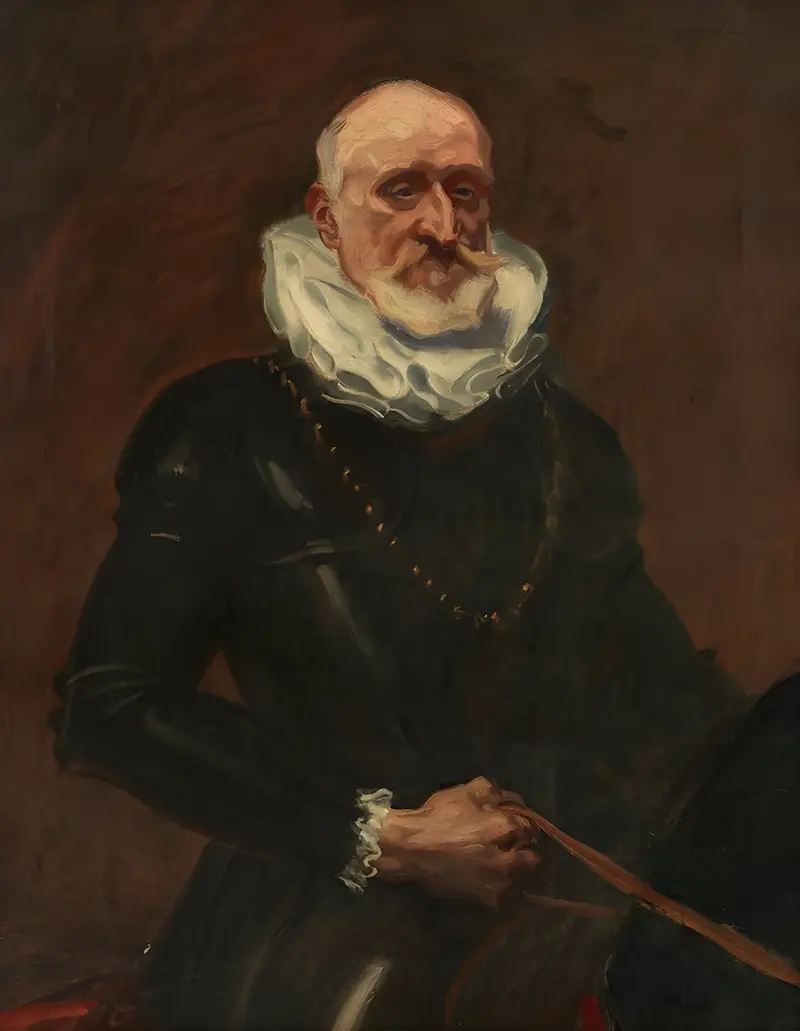
Carl Costenoble (Bildhauer und Stadtrat von Wien)
Albin Egger Lienz
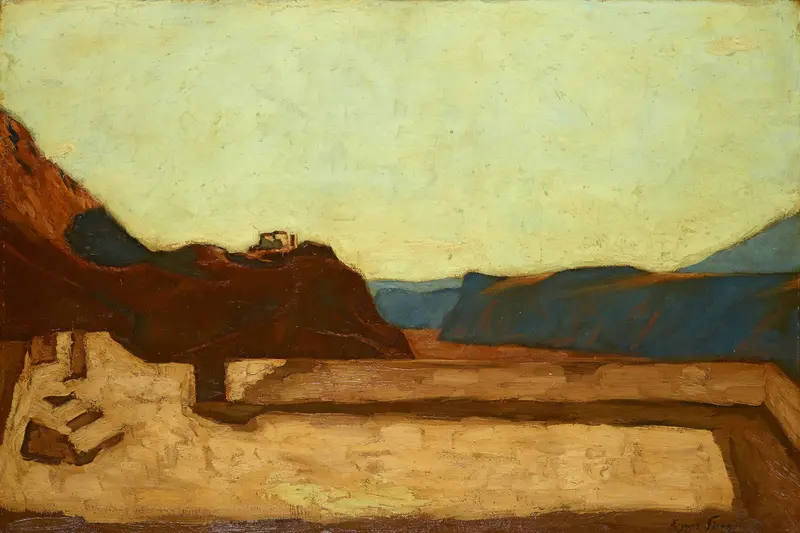
Am Kalvarienberg In Bozen
Albin Egger Lienz
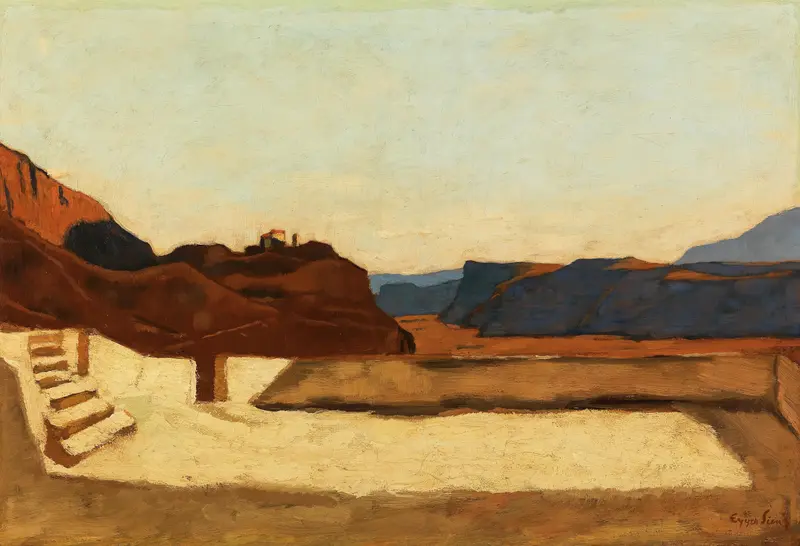
Kalvarienberg bei Bozen
Albin Egger Lienz





