
Egger Lienz Männerkopf 1895 — History & Facts
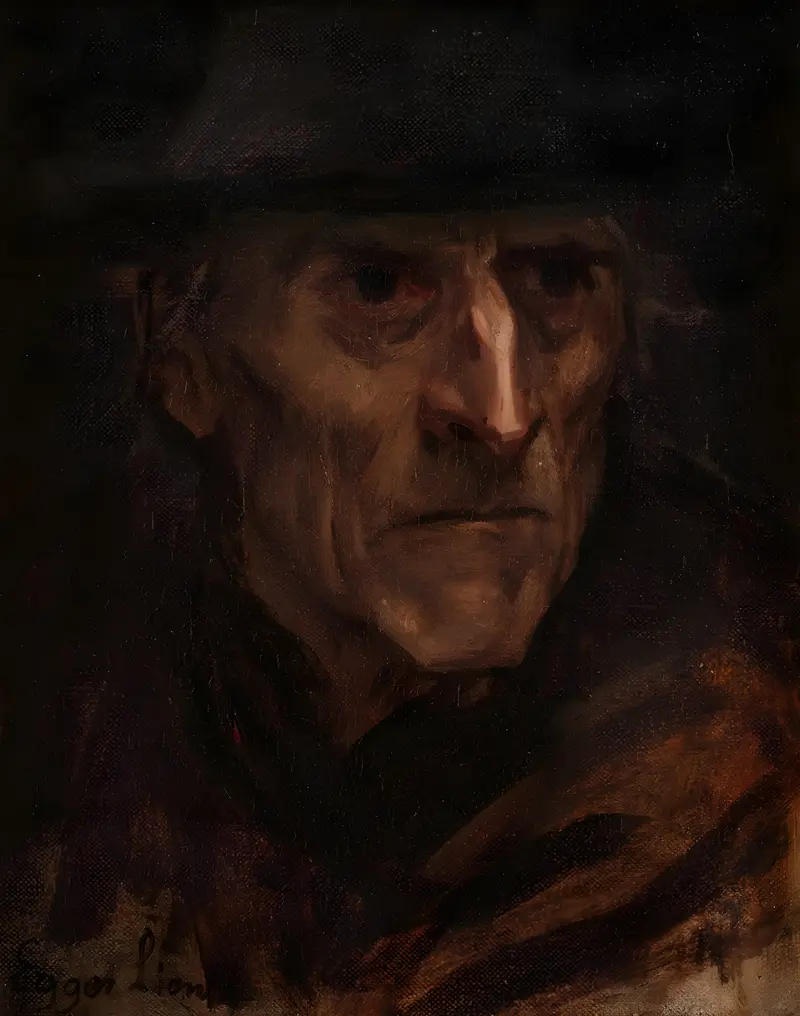
What draws the eye first in this portrait is the sheer presence of the sitter’s profile—etched with years, rendered with a sculptor’s care, and set against a halo of warm, swirling brushwork. The round format focuses attention on the man’s craggy features: the furrowed brow, the bristling white beard, the nose reddened by age or weather. Light falls from above, catching the ridges and valleys of his face, while the shadows gather beneath his cheekbones and chin, giving the head a weight and dignity that feels almost monumental.
The artist’s signature curves along the lower edge, a quiet assertion of authorship that does not distract from the subject’s silent gravity. Created between 1895 and 1899, this work belongs to a period when artists across Europe were turning their gaze to the ordinary and the everyday, searching for truth in the faces of workers, elders, and neighbors. Albin Egger Lienz was known for his deep interest in rural life and the people of his native Tyrol, and this head study—reproduced here from an artbook—captures something of that era’s respect for lived experience. Portraits like this were rarely grand commissions; more often, they served as exercises in observation or tributes to local character, sometimes destined for private collections or artist’s studios.
History has kept few traces of this specific painting’s journey, but its presence invites us to linger on the humanity carved into every line and shadow.
More Artworks by Albin Egger Lienz
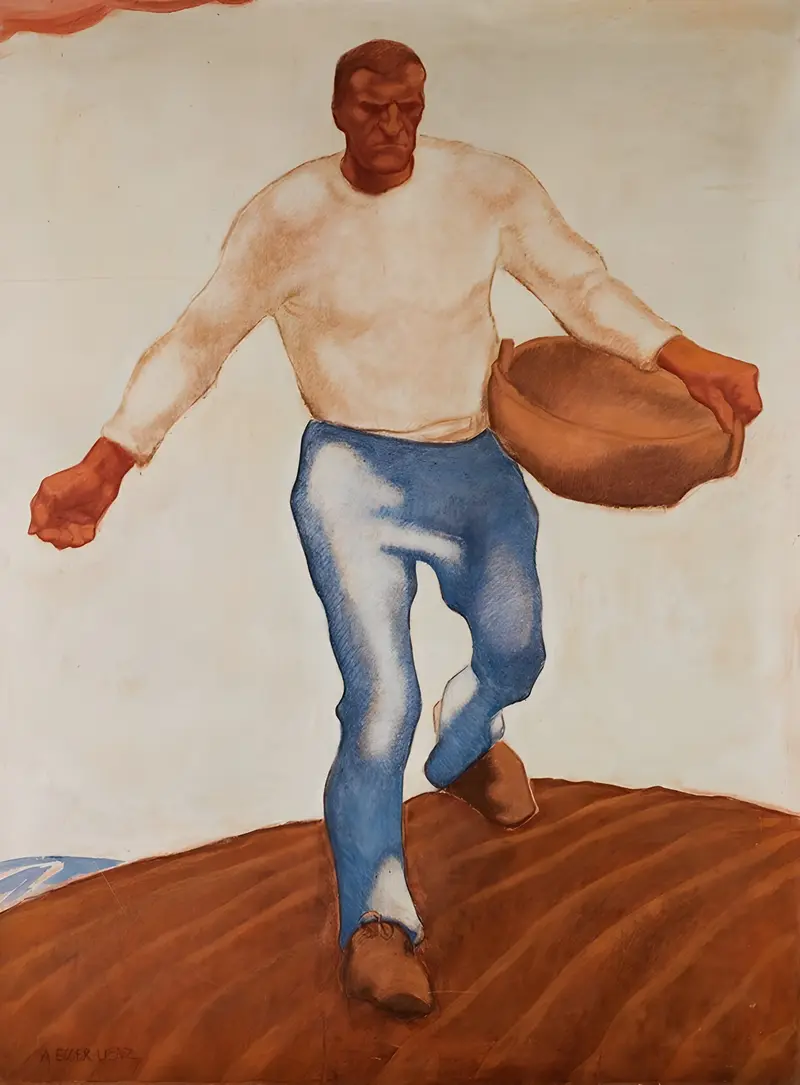
Der Sämann (The Sower)
Albin Egger Lienz
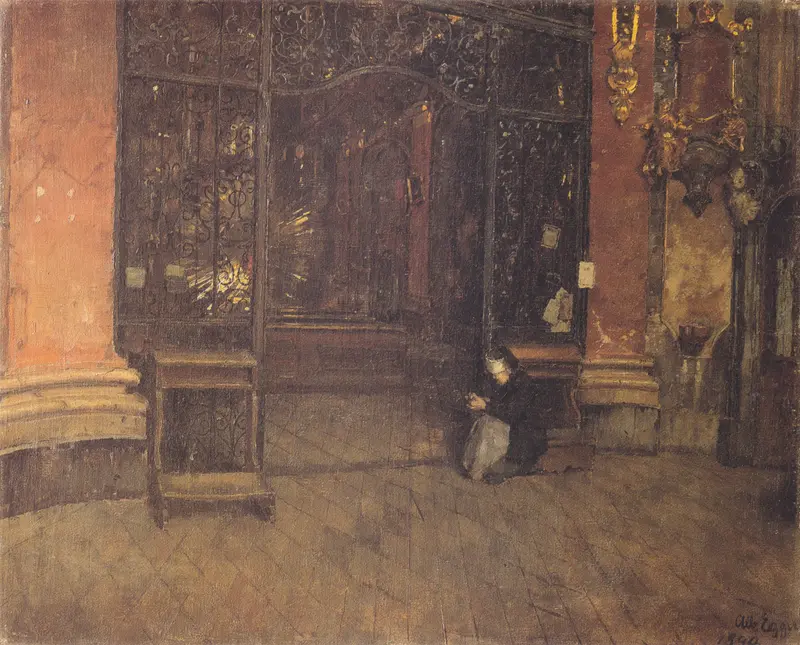
Inneres Der Johanneskirche In München
Albin Egger Lienz
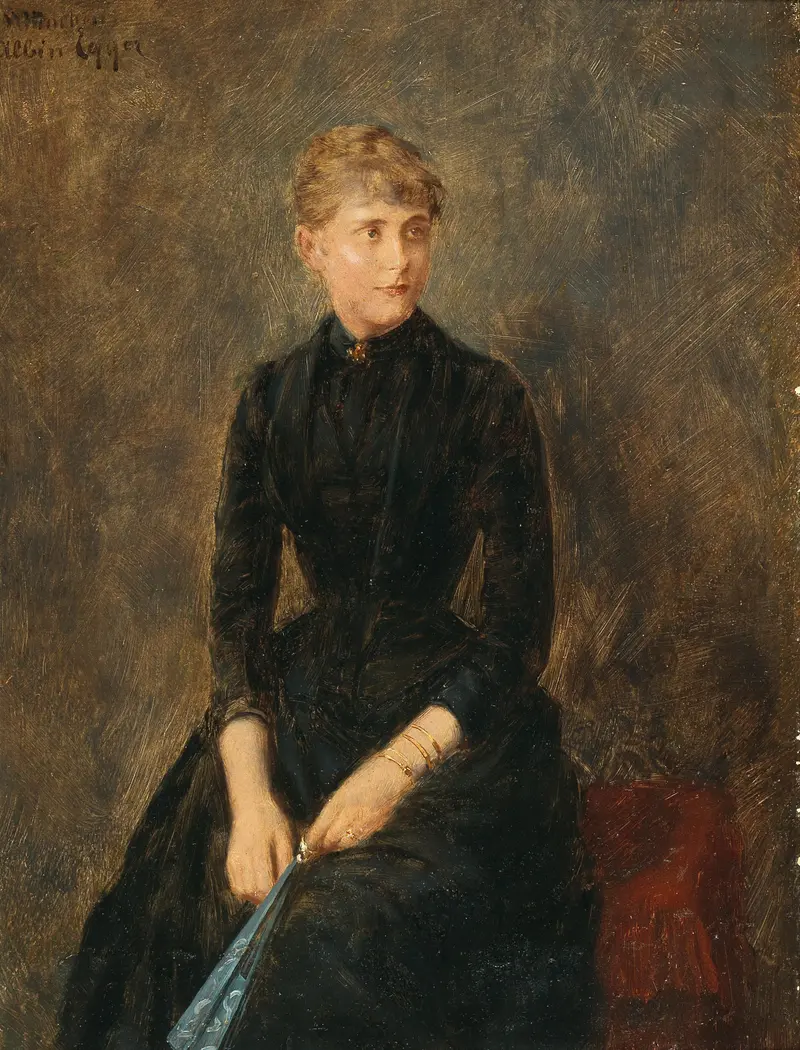
Portrait of the singer Hedwig Helbig
Albin Egger Lienz
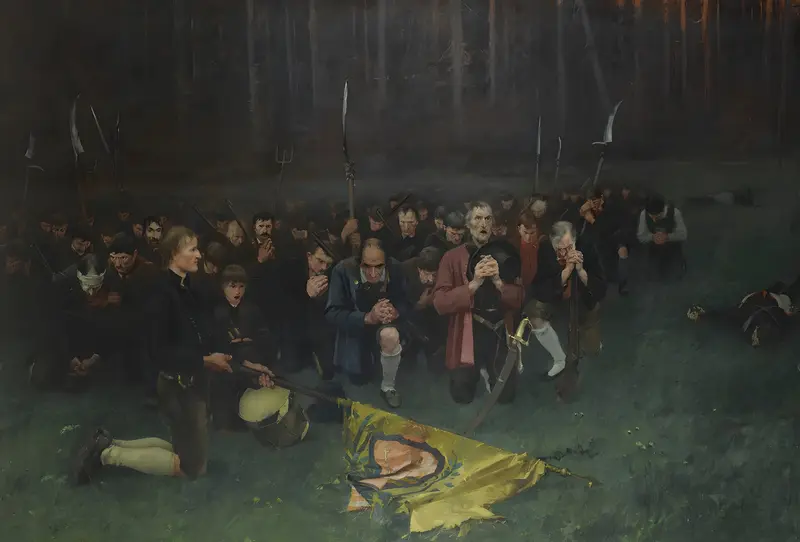
Prayer after the battle of Bergisel
Albin Egger Lienz
Study for the ‘Sensenmann’ in the ‘Das Kreuz’
Albin Egger Lienz
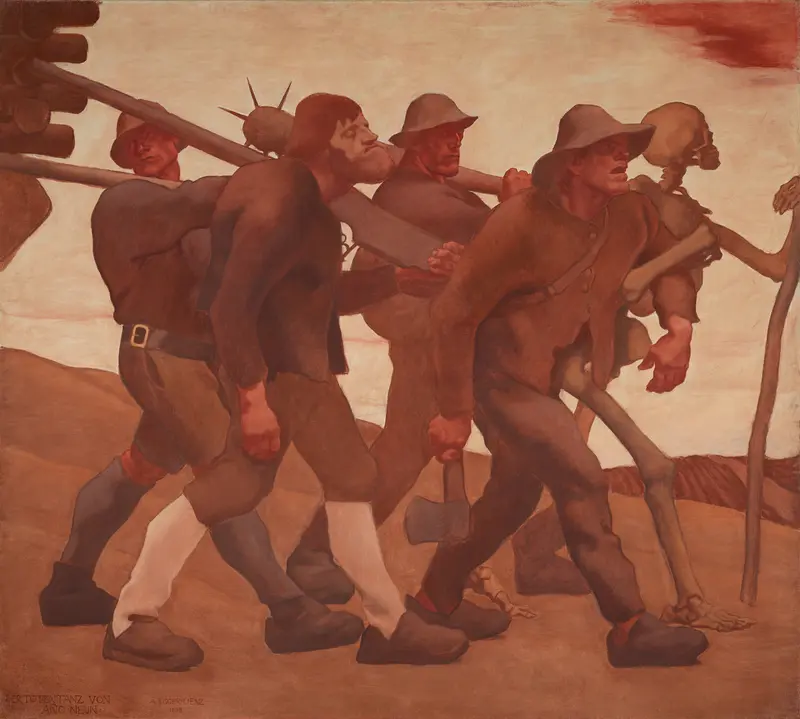
Der Totentanz Von Anno Neun
Albin Egger Lienz
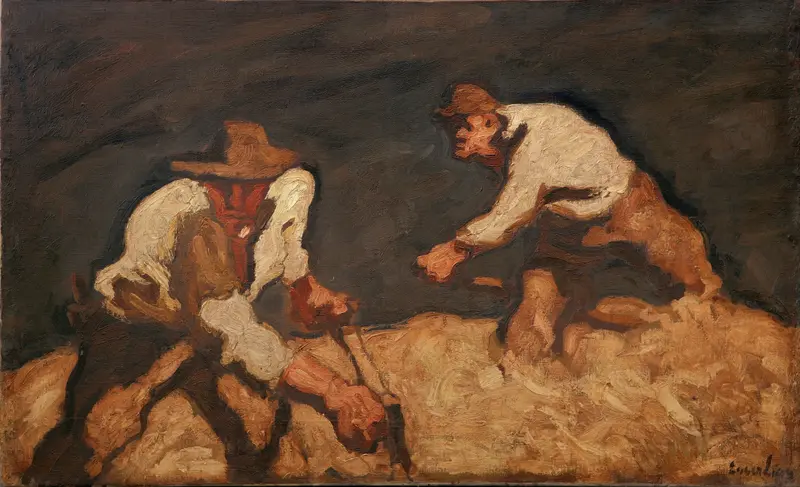
Reapers in a GatheringStorm
Albin Egger Lienz
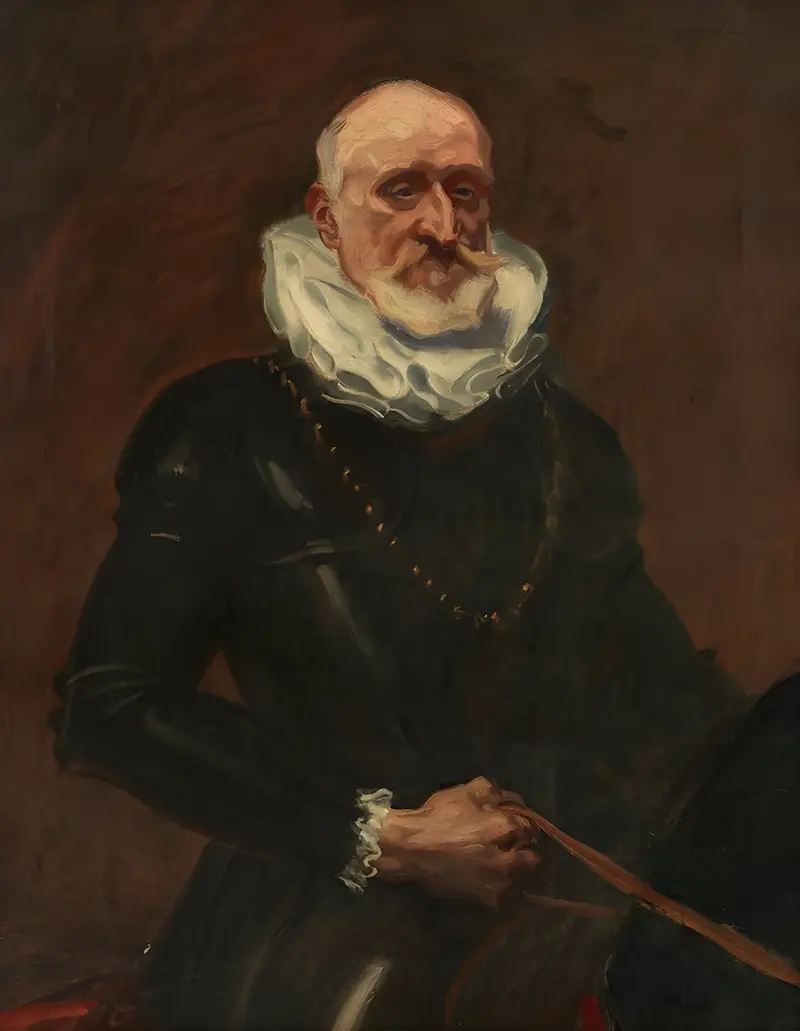
Carl Costenoble (Bildhauer und Stadtrat von Wien)
Albin Egger Lienz
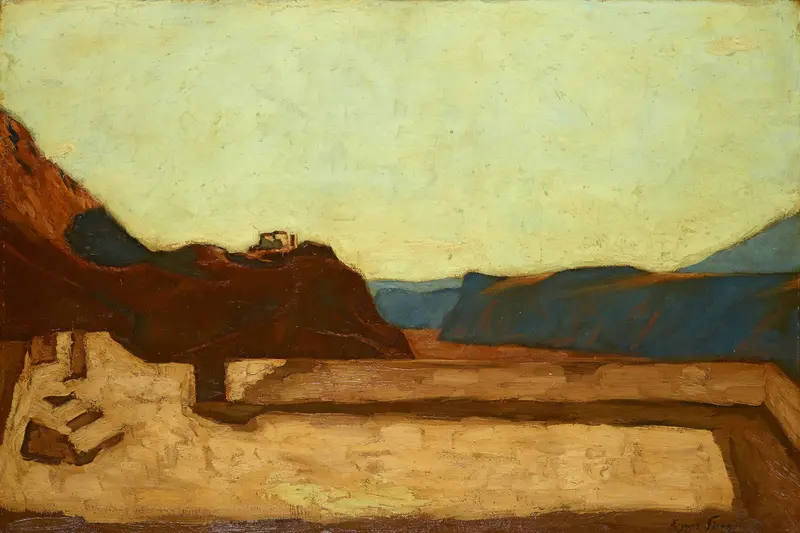
Am Kalvarienberg In Bozen
Albin Egger Lienz
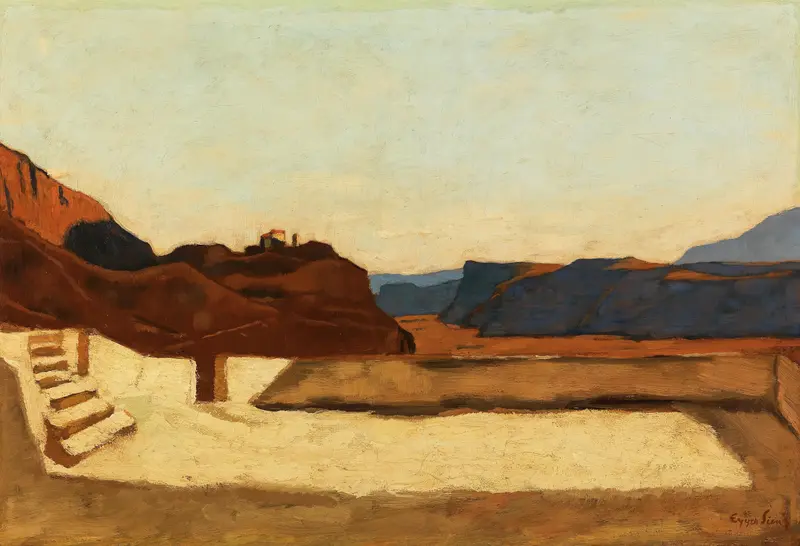
Kalvarienberg bei Bozen
Albin Egger Lienz





