Egyptian Landscape — History & Facts
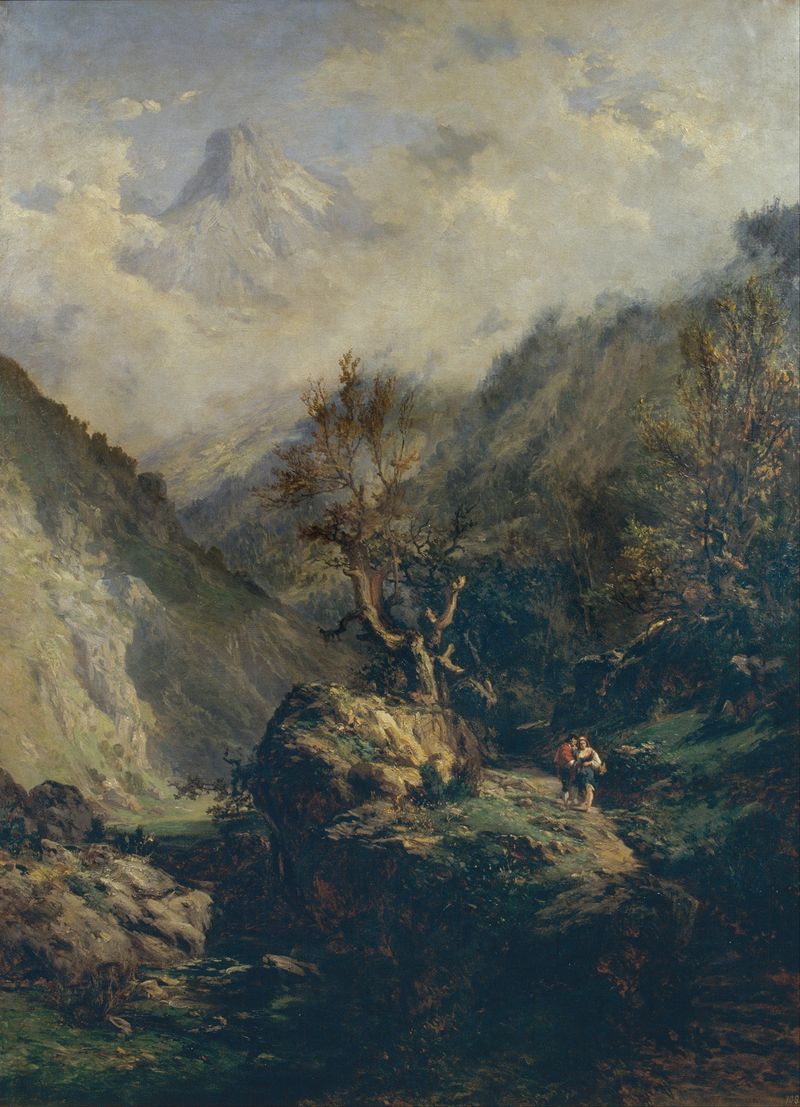
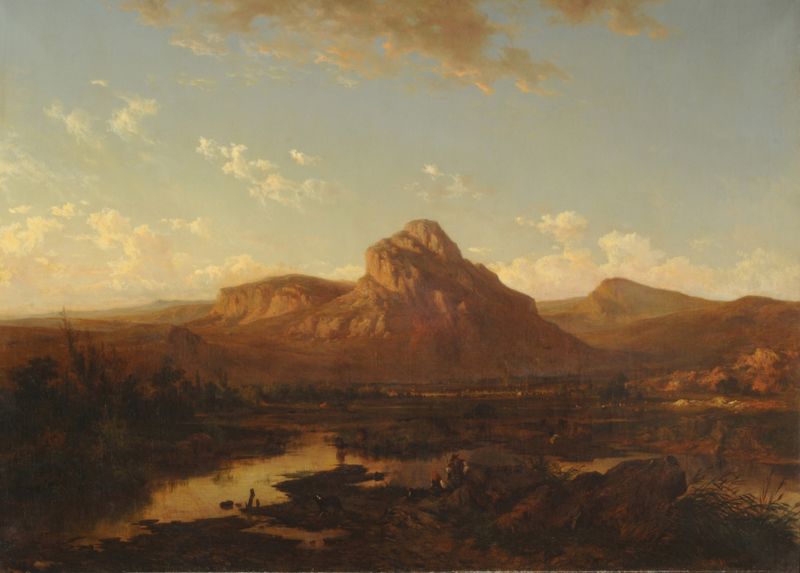
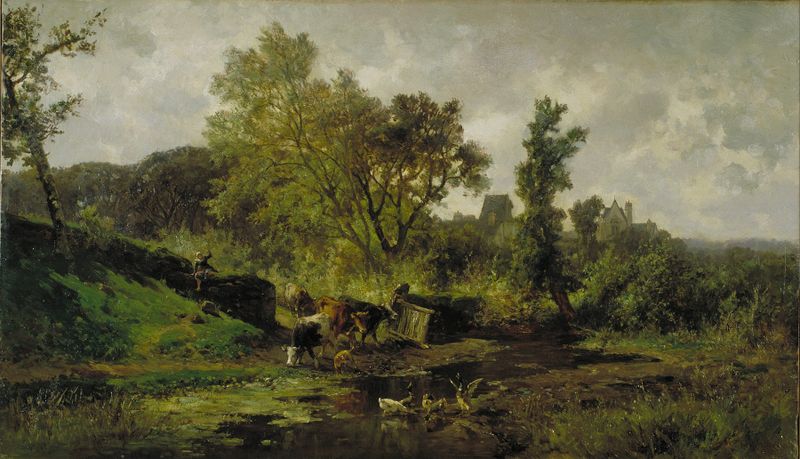
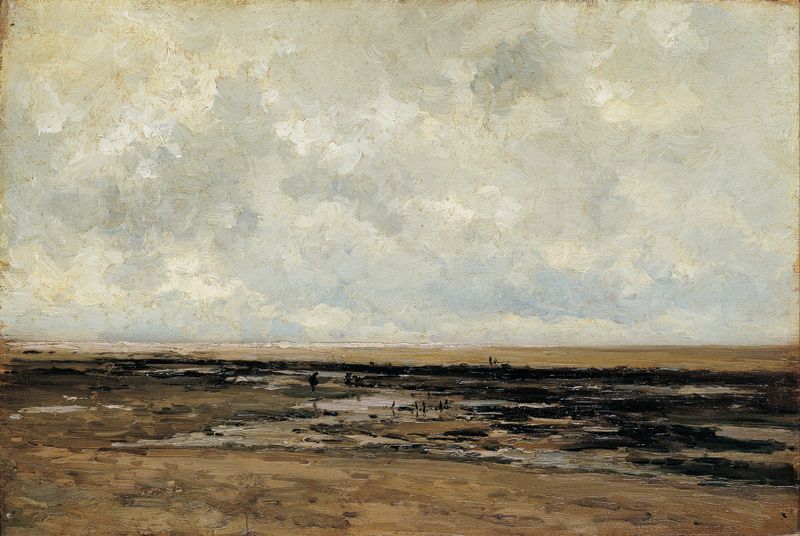
In moments of stillness, the vibrancy of nature reveals its hidden ecstatic beauty, inviting the viewer to linger in the allure of the unseen. Look to the left at the lush greenery, where the interplay of ochres and rich greens creates an overwhelming sense of life. The gentle curves of the hills guide the eye toward the horizon, painted in soft pastels that evoke a serene twilight. The brushstrokes exhibit a masterful blend of impressionism and realism, with a delicate attention to light that dances upon the surface of the landscape, creating an almost ethereal quality. Yet, within this tranquil scene lies a contrast; the vivid landscape hints at the vibrancy of life, while the distant mountains loom silently, embracing a sense of foreboding.
The juxtaposition of flourishing flora against the vastness of the barren peaks suggests a tension between ecstasy and isolation. Small details, such as the fading sunlight filtering through the trees, invite introspection, leading to a deeper understanding of nature’s duality. In 1883, Carlos de Haes created this work while living in Spain, having recently returned from a transformative trip to Egypt. This period marked a significant moment in his artistic journey as he sought to incorporate the influences of both his Spanish heritage and the exoticism of North African landscapes.
As the art world began to embrace impressionism, he navigated the evolving styles and themes, grounding his practice in the profound beauty of nature while exploring the complex emotions it evokes.