Flemish Landscape — History & Facts
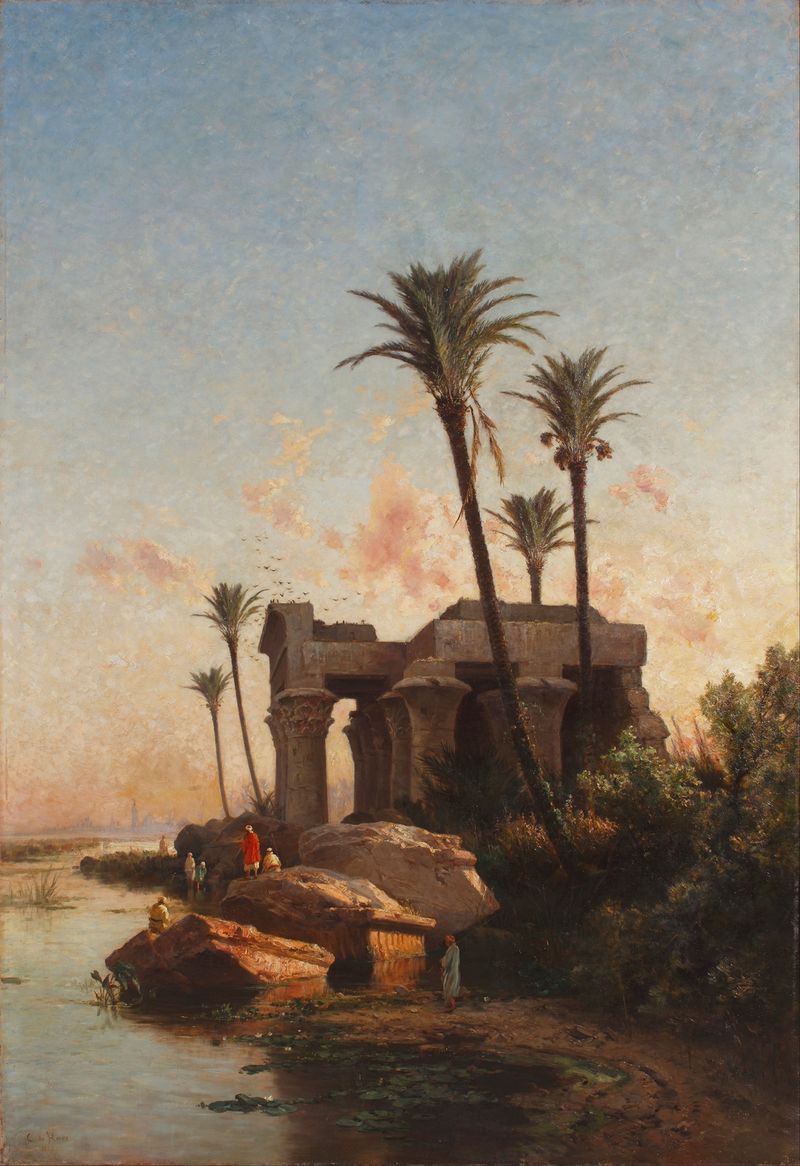
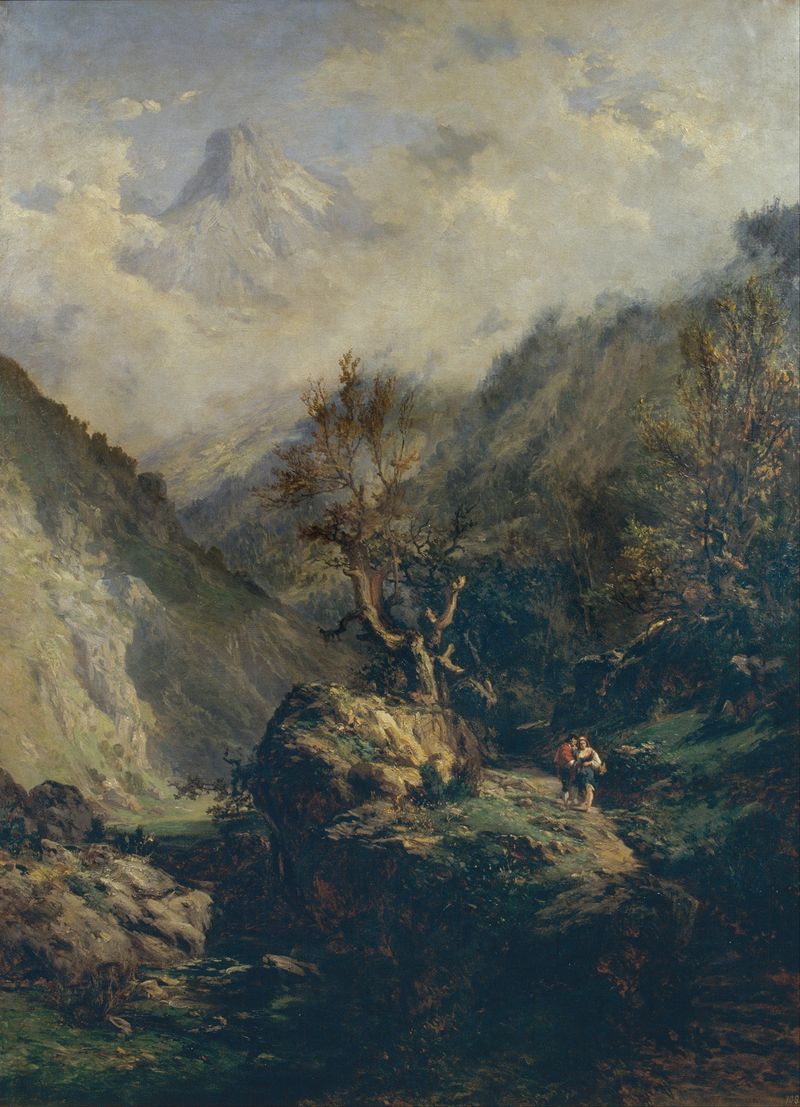
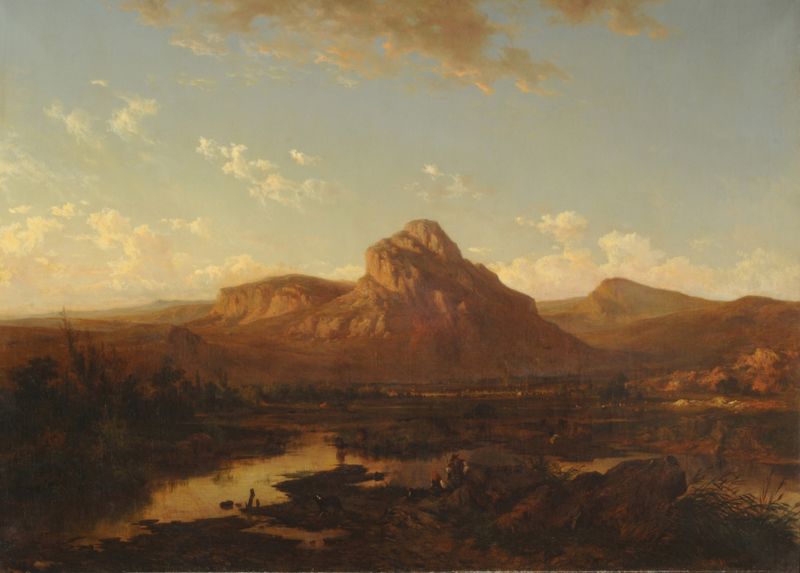
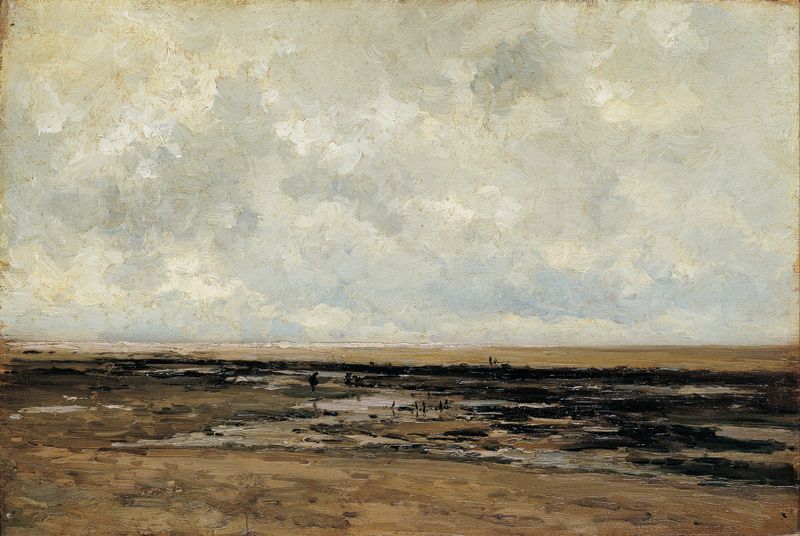
Could beauty survive in a century of chaos? In a world filled with turmoil, the answer may lie within the serene undulations of a landscape captured in time. Look to the horizon where soft greens and deep browns blend seamlessly, inviting the eye to roam freely across the canvas. Notice how the sunlight spills over the fields, illuminating patches of vibrant grass while casting gentle shadows that dance along the earth. The composition is meticulously balanced, drawing attention to a winding path that leads the viewer deeper into this tranquil scene, offering both a journey and a moment of reflection. Yet beneath the surface of this idyllic view lies a profound tension—a contrast between the peacefulness of nature and the uncertainty of humanity's plight.
The delicate brushwork captures the fleeting essence of light, as if to suggest that beauty is ephemeral, a fleeting solace against the backdrop of an unpredictable world. Here, the landscape stands as a testament to faith, a belief that amidst chaos, serenity can be found. In 1879, Carlos de Haes was in his forties and living in Spain, having already established a reputation for his landscape paintings that reflect his deep appreciation for nature. This period was marked by the rise of Impressionism in Europe, influencing many artists, including de Haes, who sought to capture the fleeting effects of light and atmosphere.
His work at this time reveals a shift toward a deeper emotional resonance, a dialogue between the external world and the internal struggles of existence.