Landscape — History & Facts
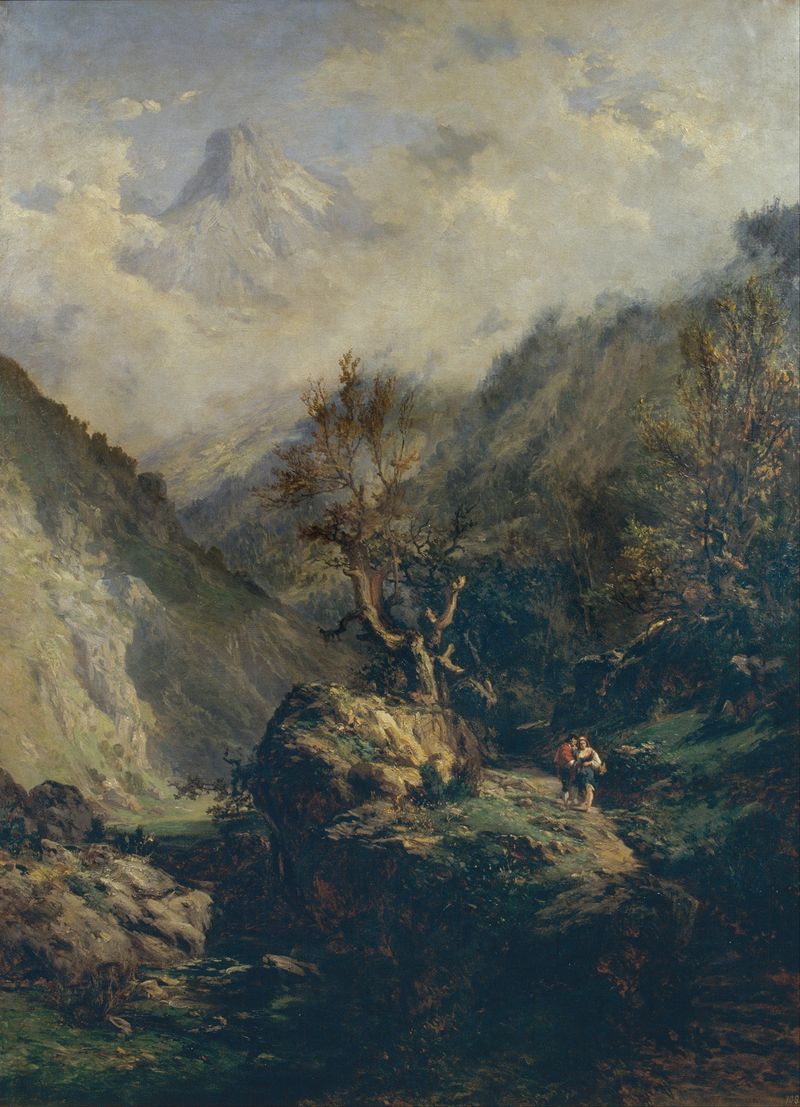
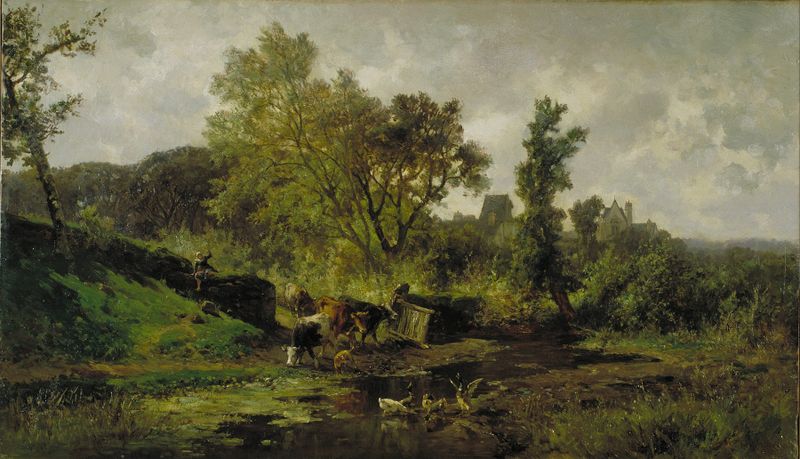
In the stillness of Landscape, an invitation to transcendence comes alive, reminding us of the secrets nature holds within its tranquil embrace. Focus on the gentle undulations of the hills that cradle the canvas, their soft greens and browns blending harmoniously. Notice the way light dances upon the foliage, casting dappled shadows that breathe life into the scene. The horizon stretches into a soft blue, inviting the eye to wander further into the depths of this serene world.
Each stroke reveals the artist's deft hand, imbuing the landscape with a sense of quiet majesty. As your gaze explores the details, feel the juxtaposition of stillness and movement. The towering trees stand like sentinels, yet their leaves rustle with an unseen breeze, suggesting a whisper of life. In the background, a subtle path meanders, hinting at journeys taken and stories untold.
This landscape becomes a sanctuary, not just for the eye, but for the soul, offering solace and a moment of reflection on the human experience within nature’s vastness. In 1857, while residing in Spain, Carlos de Haes created Landscape during a time when Romanticism was giving way to realism in art. His work emerged from a desire to portray nature with authenticity and beauty, mirroring his own explorations through the Spanish countryside. The art world was evolving, and De Haes's commitment to capturing the sublime nuances of the natural world positioned him as a pivotal figure in the transition from idealism to an appreciation for the genuine and the tangible.