
Eleanora Gonzaga, Duchess of Urbino, called "La Bella" (after the painting in the Galeria Palatina, Palazzo Pitti, Florence) — History & Facts
In the stillness of a painting, the whispers of truth linger, echoing the essence of loss woven into every stroke. Focus on the figure at the center, poised with an elegance that seems both inviting and haunting. Her gaze, directed slightly away, suggests a yearning for something beyond the frame. Notice the soft fabric of her gown, its rich hues contrasting against the delicate complexion of her skin, creating a visual dialogue of opulence and vulnerability.
The intricate details, from the lace trim to the subtle play of light on her features, invite contemplation about the identity and stories hidden behind her serene facade. Delve deeper into the emotional layers offered by the artist's choices. The Duchess, captured in this moment, embodies a duality: the allure of beauty and the shadow of impermanence. Each element—the delicate blossoms in her hair, the shadows playing on her face—hints at a life filled with both power and isolation.
The ambiance suggests a longing for connection, as if the viewer stands on the precipice of a lost world, where the essence of the subject transcends mere physicality. This artwork, attributed to an unidentified artist, emerged in the 19th century, a time when the art world was undergoing profound changes. The revival of interest in portraiture reflected the shifting dynamics of society, yet the artist remained shrouded in anonymity. The focus was on the subject's grace rather than the creator, underscoring a period when individual identity in art often yielded to the immortalization of remarkable figures such as Eleanora Gonzaga, Duchess of Urbino.
More Artworks by Unidentified artist

Self-portrait with a Bandaged Ear and Pipe
Unidentified artist

Feast in the House of Levi
Unidentified artist
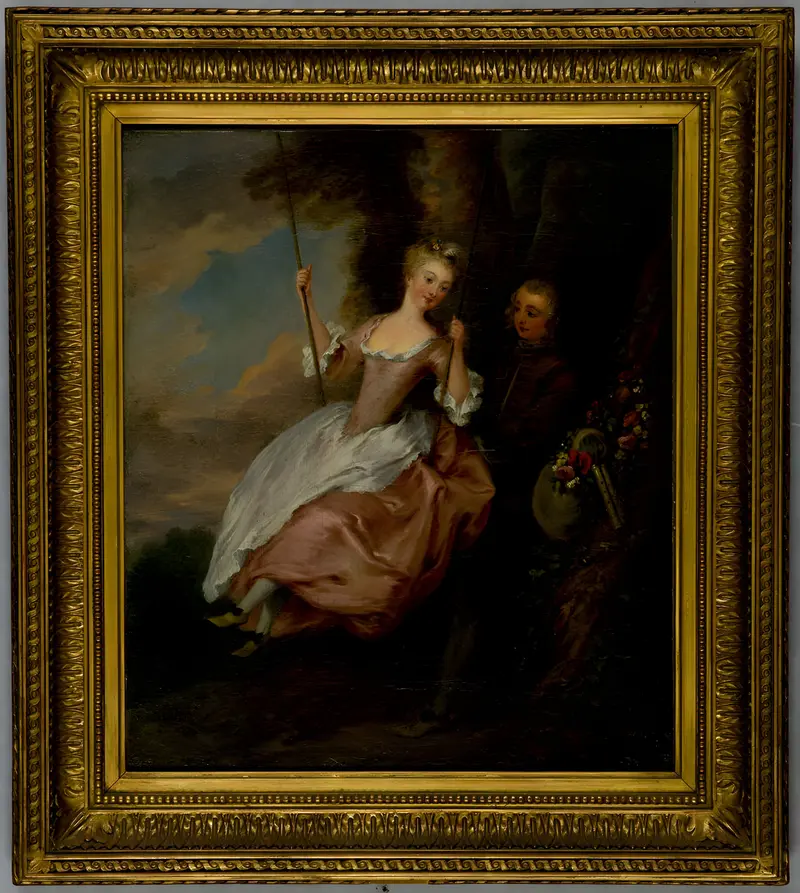
The Swing
Unidentified artist
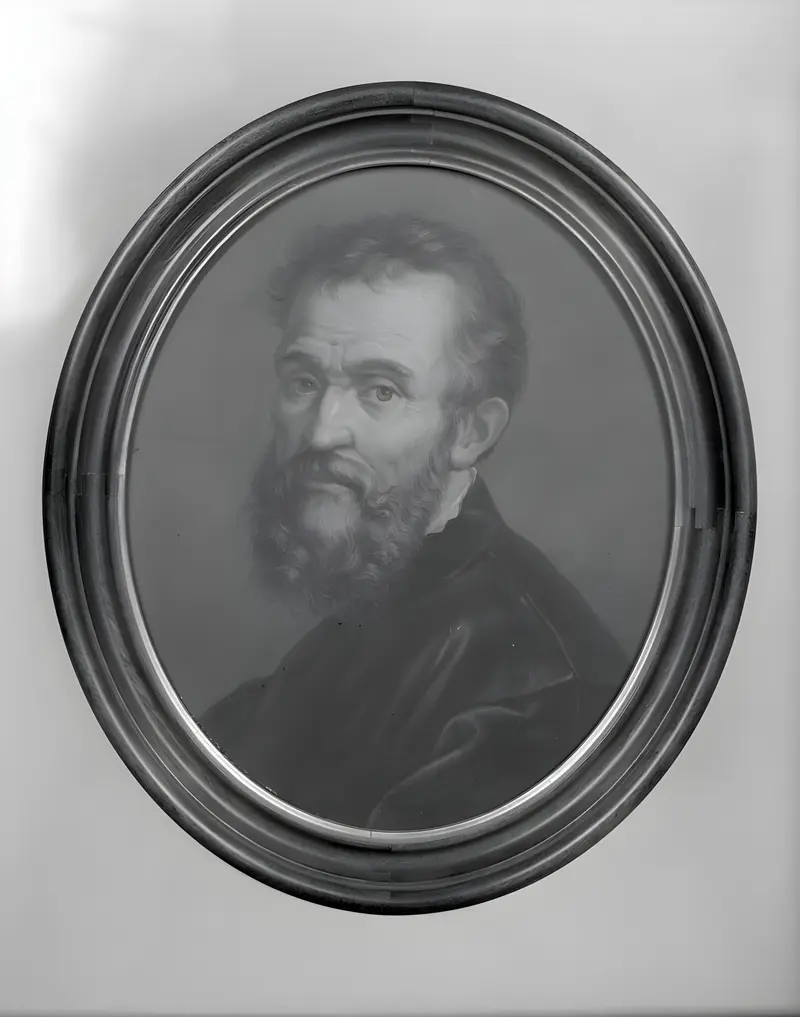
Portrait of Michelangelo after the "Strozzi" original in the Uffizi Gallery
Unidentified artist
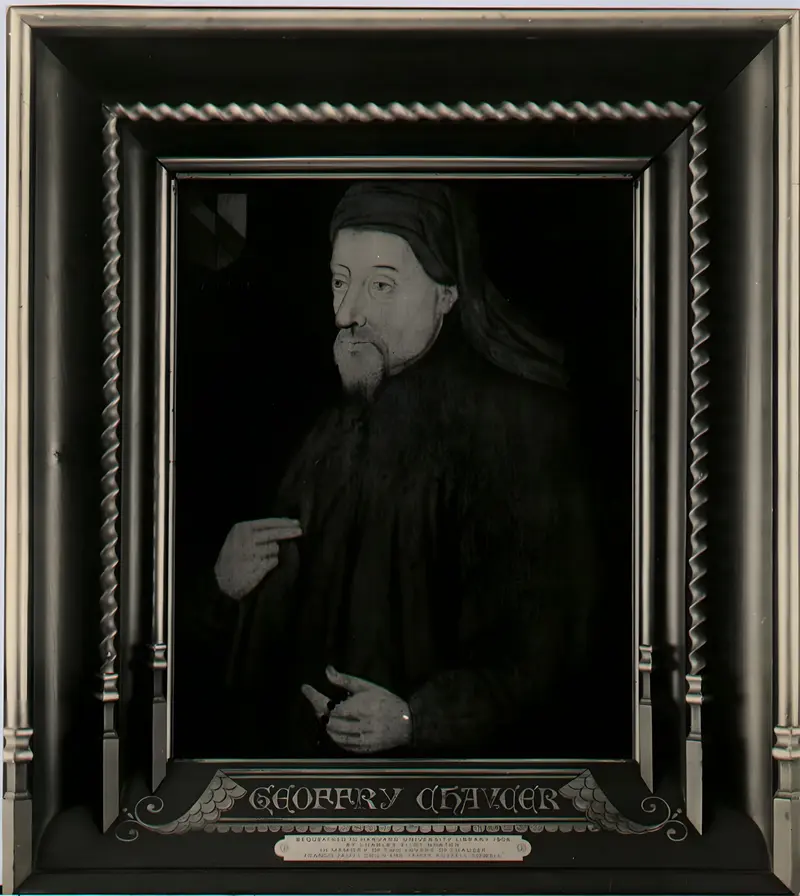
Geoffrey Chaucer (1340?-1400)
Unidentified artist
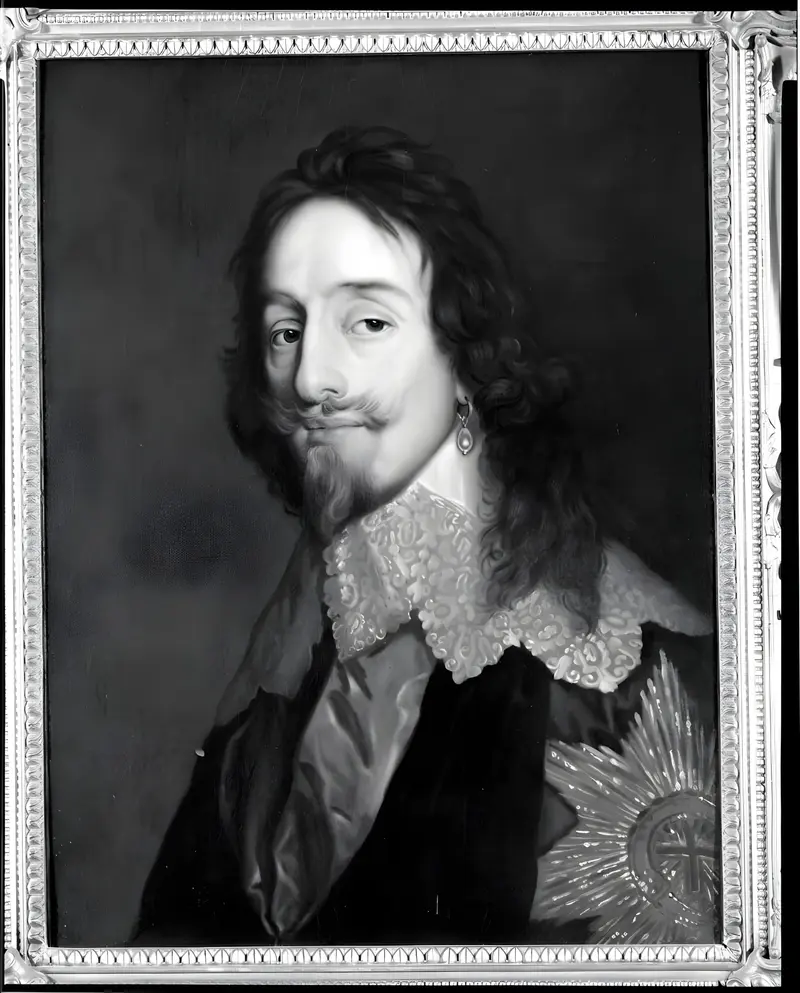
Charles I (after a van Dyck painting in the Staatliche Museen, Gemaldegalerie, Dresden)
Unidentified artist
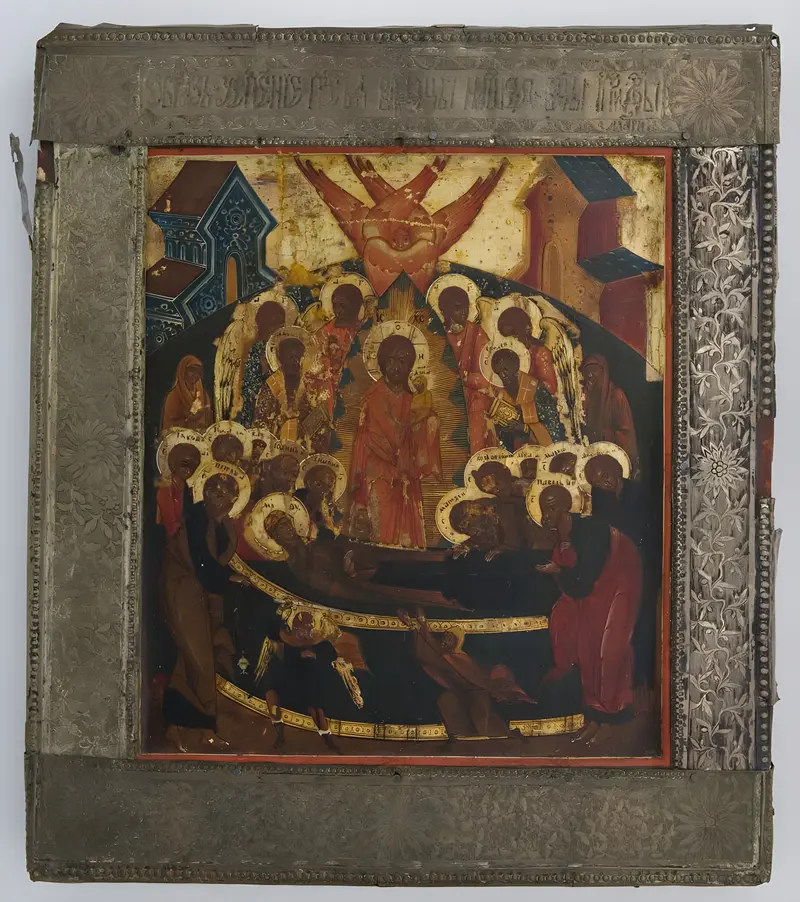
Dormition of the Virgin
Unidentified artist
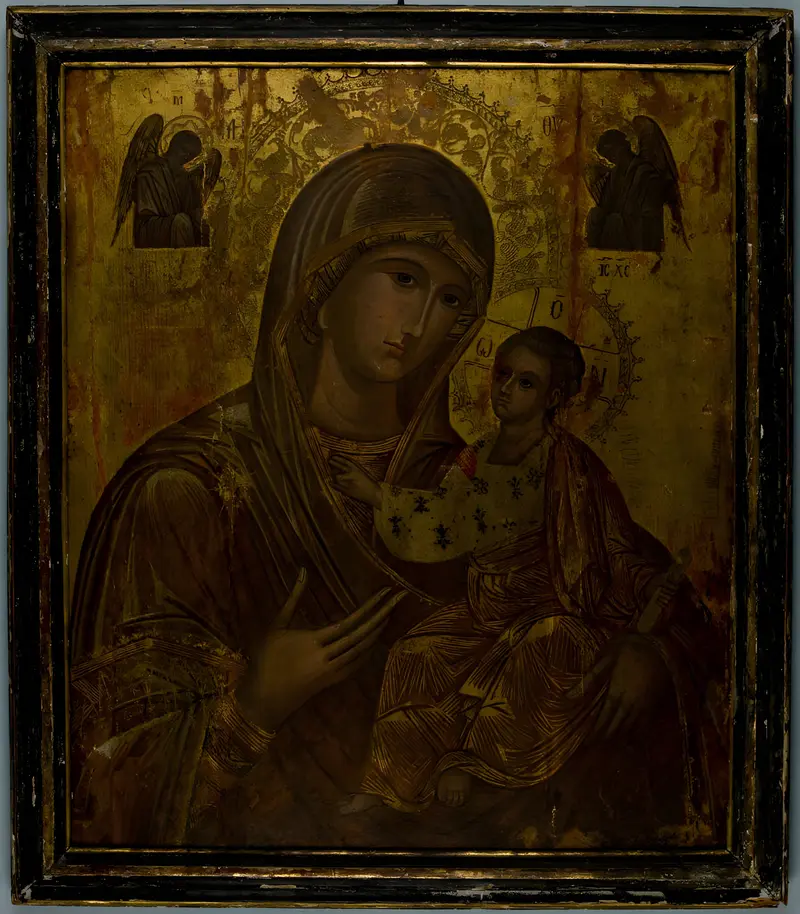
Madonna and Child
Unidentified artist
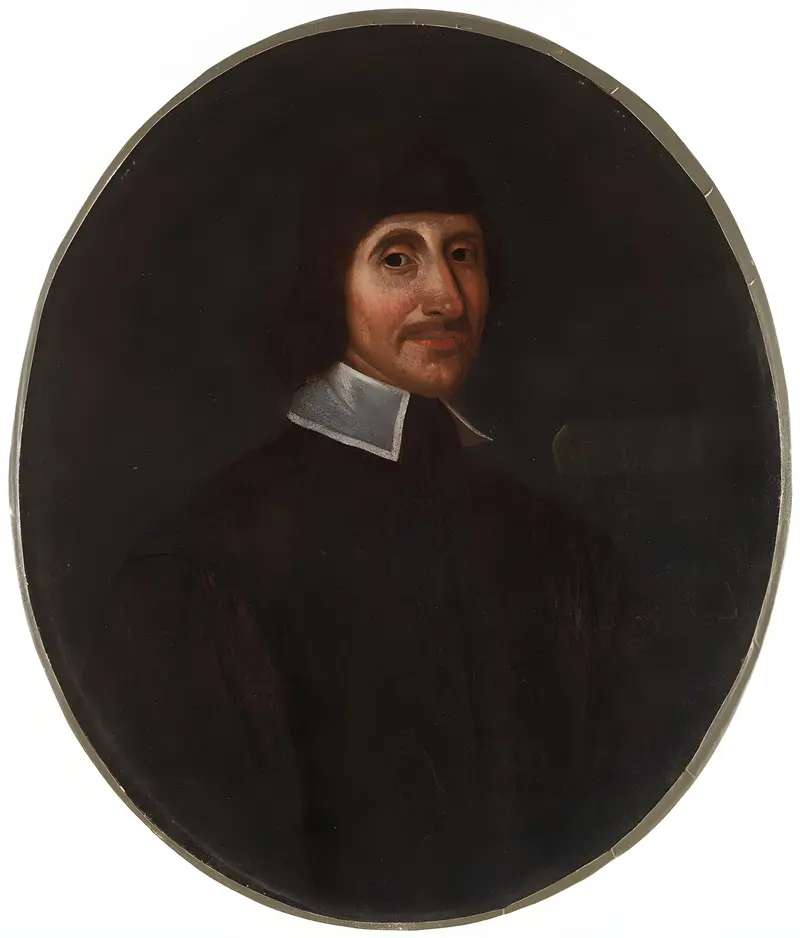
John Winthrop, the Younger (1606-1676)
Unidentified artist
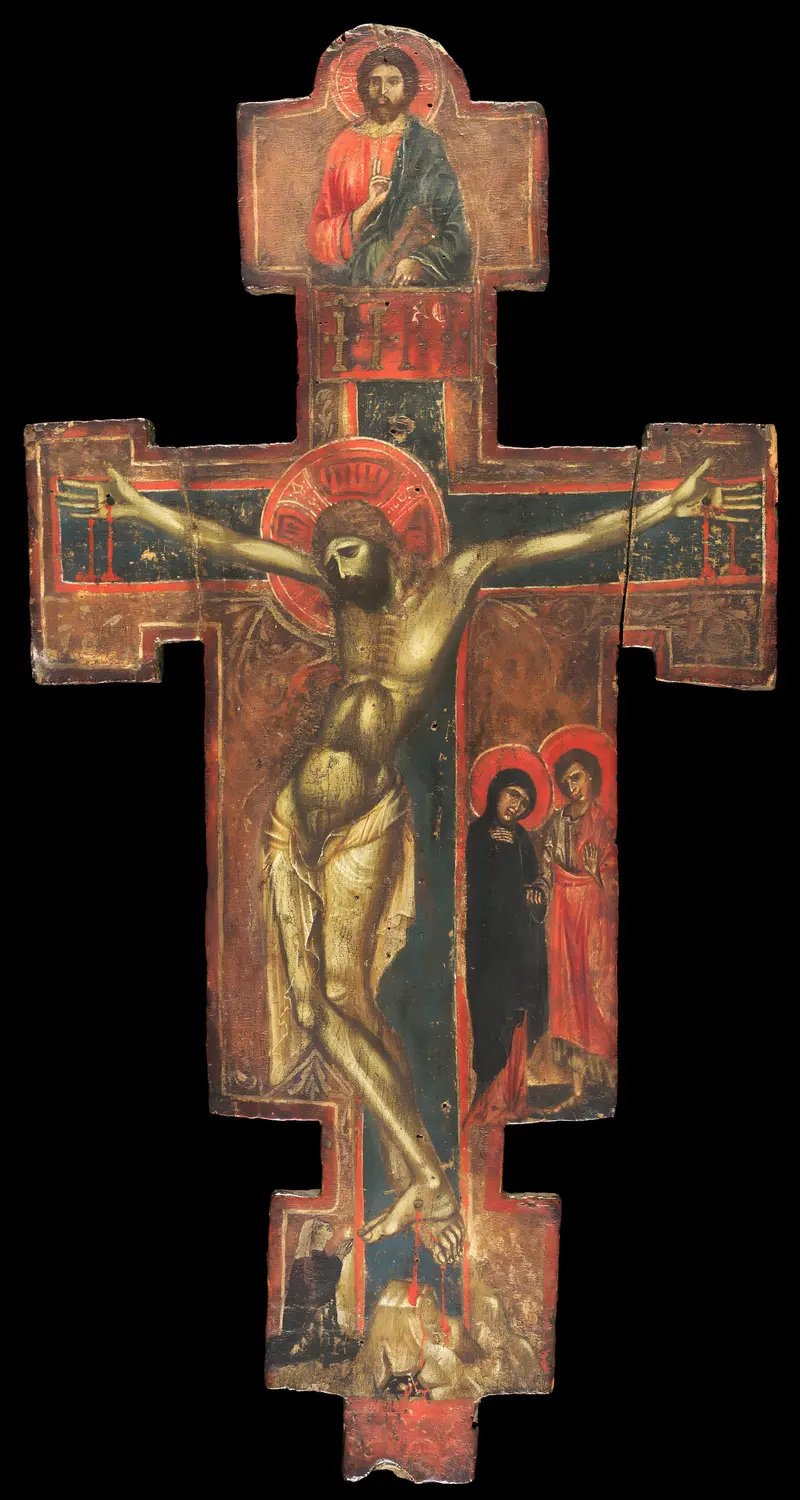
Crucifix with the Virgin and Saint John the Evangelist, Christ the Redeemer, and a Praying Woman
Unidentified artist




