Embouchure du Trieux à l’île à Bois. Loguivy — History & Facts
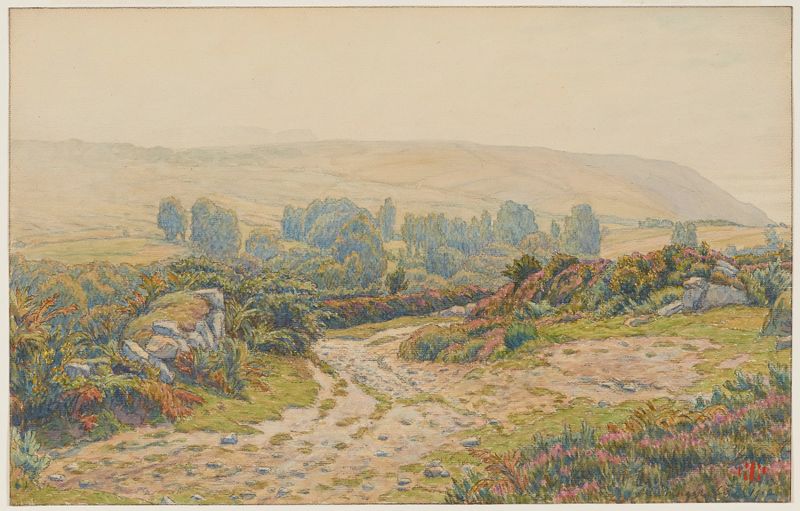
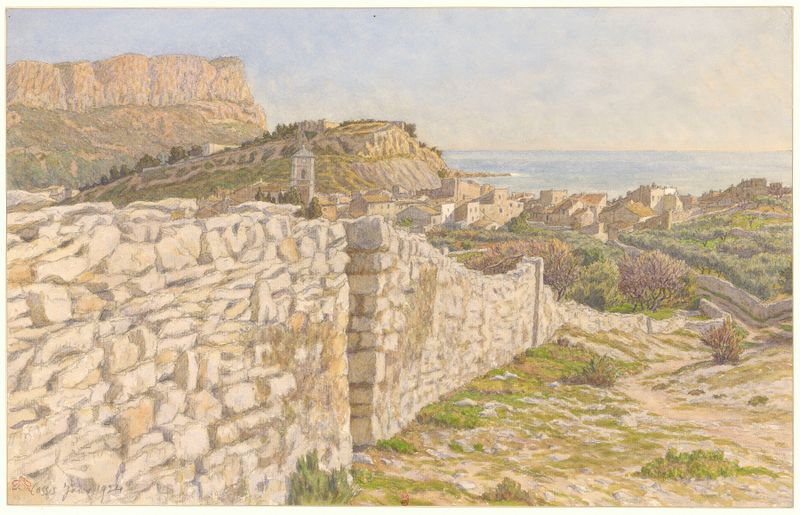
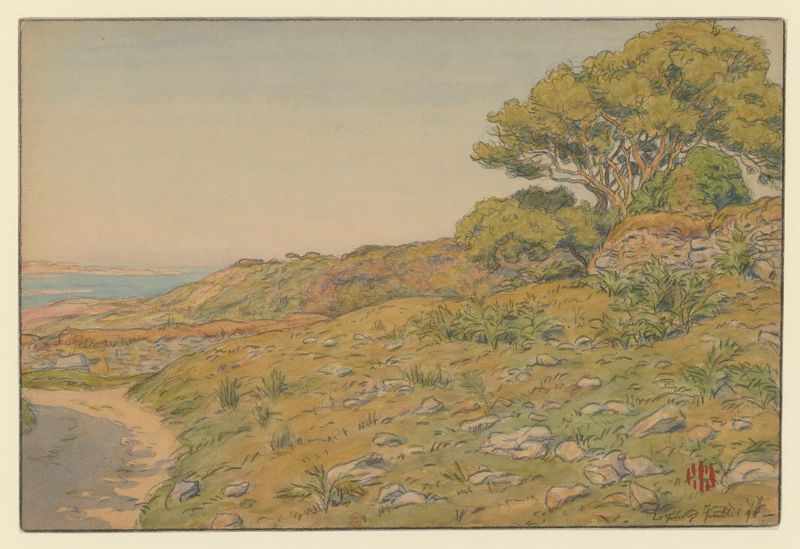
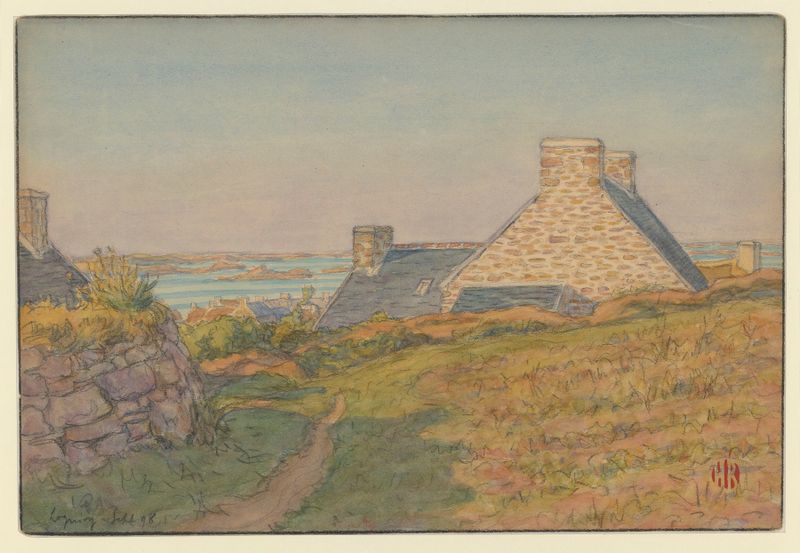
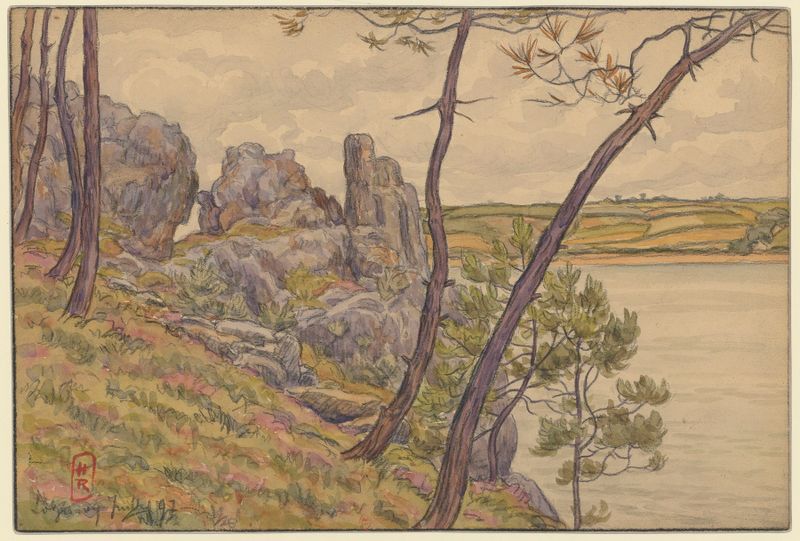
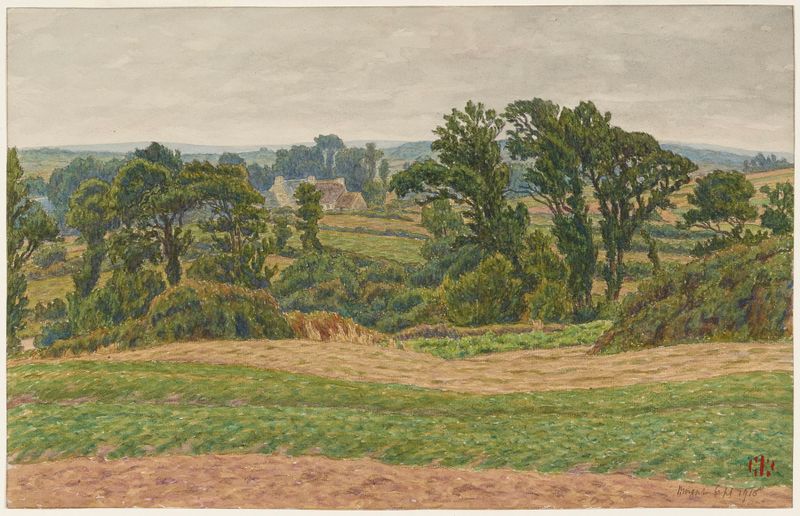
In moments of loss, we often seek solace in the stillness captured on canvas, where emotion transcends the boundaries of time. Look to the foreground of Embouchure du Trieux à l’île à Bois. Loguivy, where the soft curves of the river embrace the land, inviting your gaze into its gentle embrace. Notice how the artist expertly balances vibrant greens and deep blues, creating a serene atmosphere that seems to hum with quiet life.
The brushwork, fluid and spontaneous, evokes the whispers of wind across the water, while the light dances on the surface, illuminating the scene with an ethereal glow. Hidden within the tranquil landscape, the painting speaks volumes about the passing of time and the inevitability of change. The contrast between the lush vegetation and the empty stretches of the river hints at a story of loss — a reminder that beauty can be transient and that nature continues to thrive in the face of impermanence. Small details, like the distant boats barely visible against the horizon, evoke feelings of longing and solitude, subtly suggesting the absence of human presence. In 1908, while creating this piece, the artist found himself in an evolving world, where traditional landscapes were increasingly giving way to modern interpretations.
Living in France during a period marked by artistic innovation, Rivière was deeply influenced by the Symbolist movement, which sought to express deeper emotional experiences beyond the immediate visual realms. His connection to nature and its fleeting beauty is encapsulated in this work, reflecting both his personal journey and the spirit of his times.