Emil Rittmeyer – An Alpstubete — History & Facts
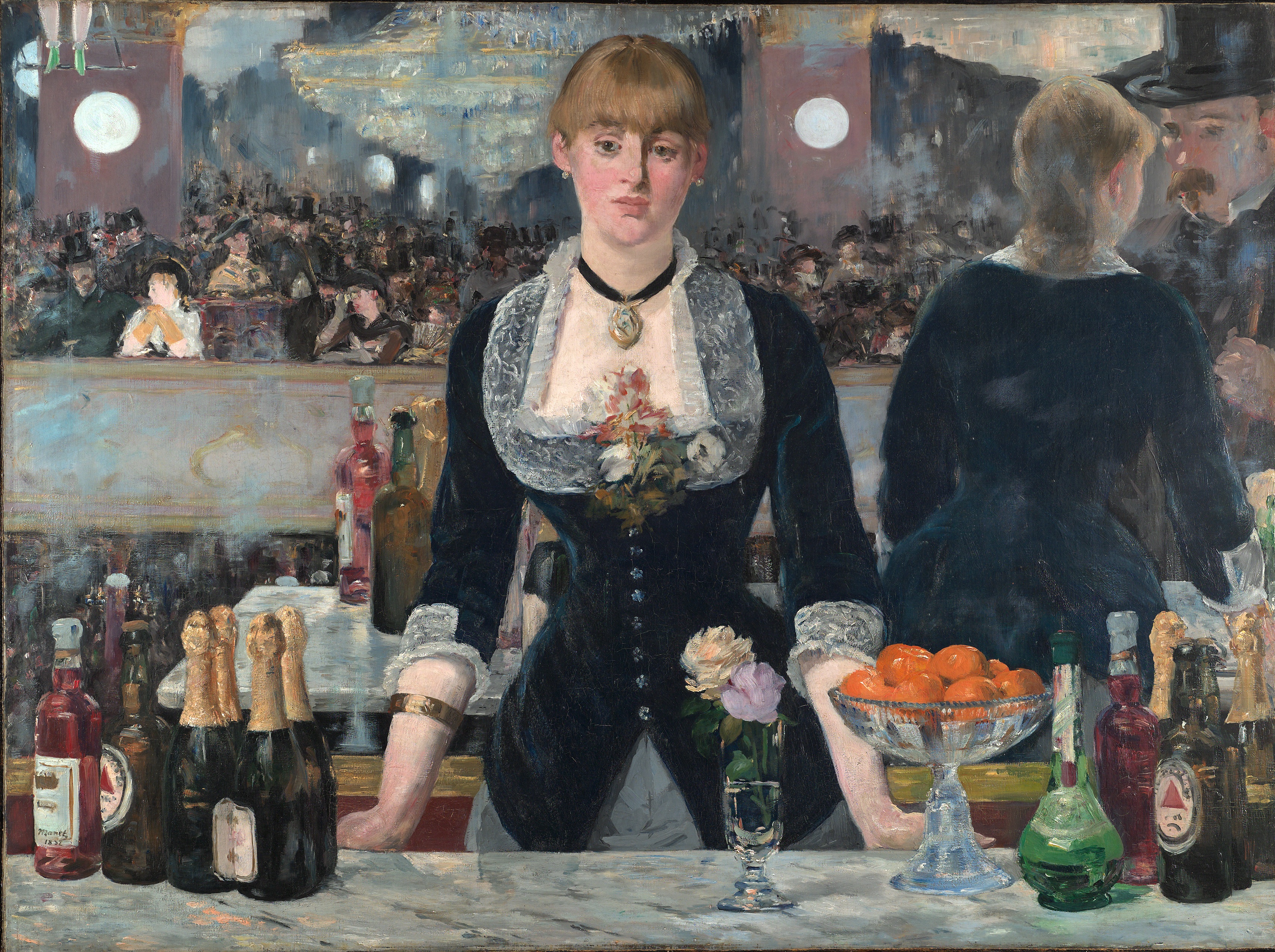
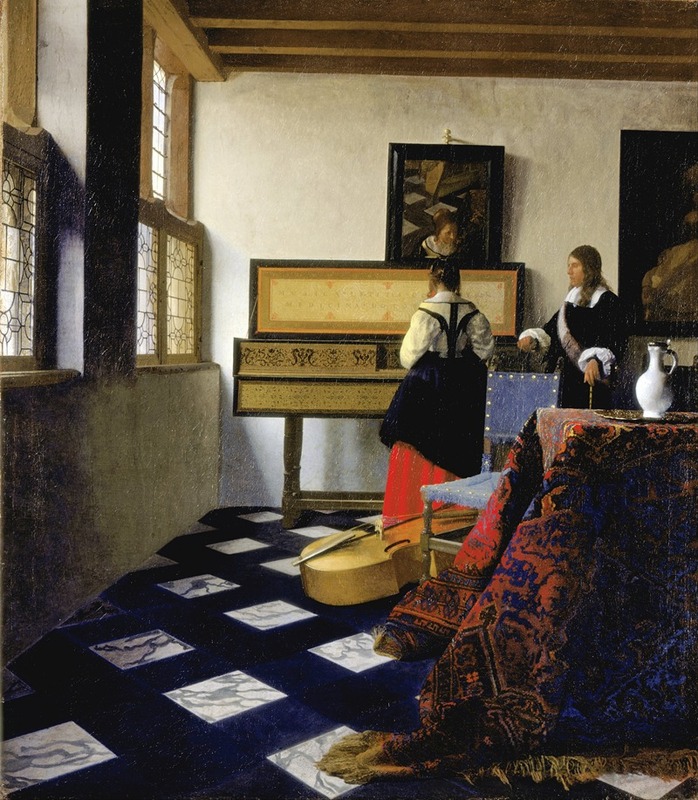
Is this a mirror — or a memory? An Alpstubete transports us to a realm where the echoes of laughter mingle with the rustic charm of alpine life, whispering tales of warmth and camaraderie. Focus on the inviting glow radiating from the central hearth, where amber flames dance in rhythm with the shadows that play upon the wooden walls. Notice the meticulously rendered figures, gathered around the table, their faces illuminated by the firelight, each expression a narrative of connection. The careful arrangement of warm browns and vibrant greens breathes life into the setting, while the texture of the wooden beams hints at stories held within their grain. Yet, it’s in the small details where deeper meanings emerge.
The way one figure leans in, engaged and hopeful, contrasting with another lost in solitude by the window, evokes a tension between togetherness and isolation. The interplay of light and darkness symbolizes the fragile balance between hope and despair, suggesting that amidst shared joy, individual stories weave a complex tapestry of emotions. Theodor Gsell Fels painted An Alpstubete in 1881 while living in Switzerland, a period marked by a growing interest in regional identity within the broader European art scene. As the Alps became a popular subject for artists, his work emerged amidst a surge of nationalism and romanticism, reflecting both the beauty of the landscape and the intimacy of communal life, capturing a moment that transcends mere representation.
More Artworks by Theodor Gsell Fels
Browse all →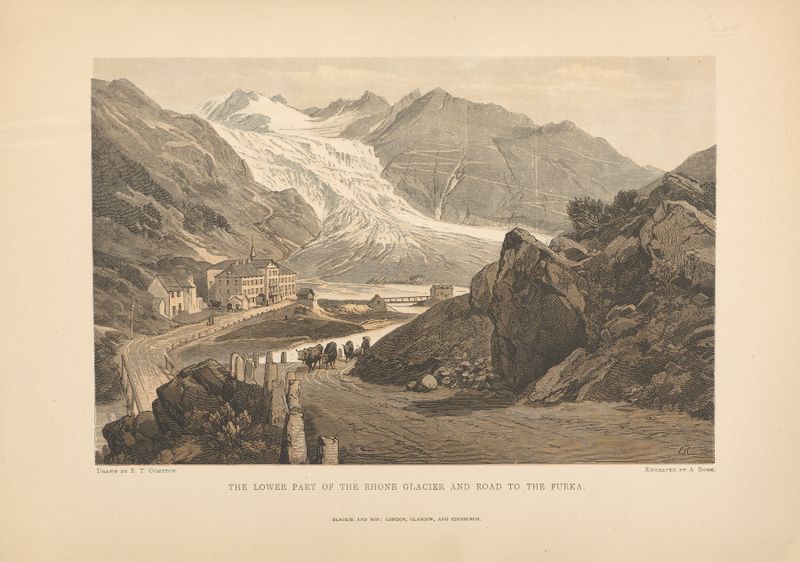
E. T. Compton – The Lower Part of the Rhone Glacier and Road to Furka
Theodor Gsell Fels

G. Closs – The Devil’s Bridge—St. Gothard Road, Schóllenen Gorge
Theodor Gsell Fels
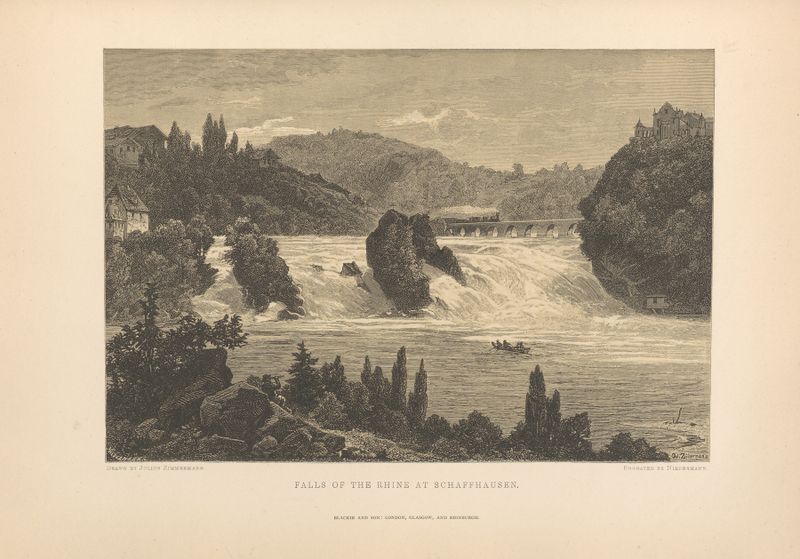
Julius Zimmermann – Falls of the Rhine at Schaffhausen
Theodor Gsell Fels
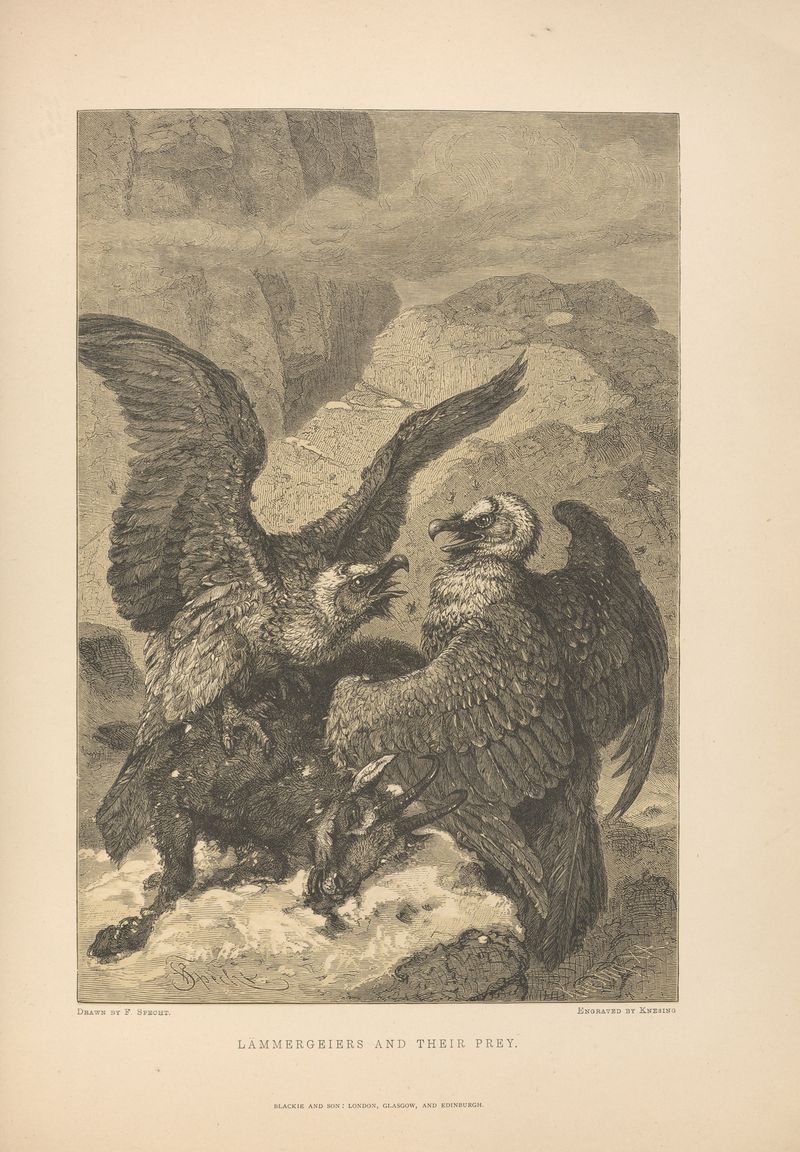
F. Specht – Lammergeiers and their Prey
Theodor Gsell Fels
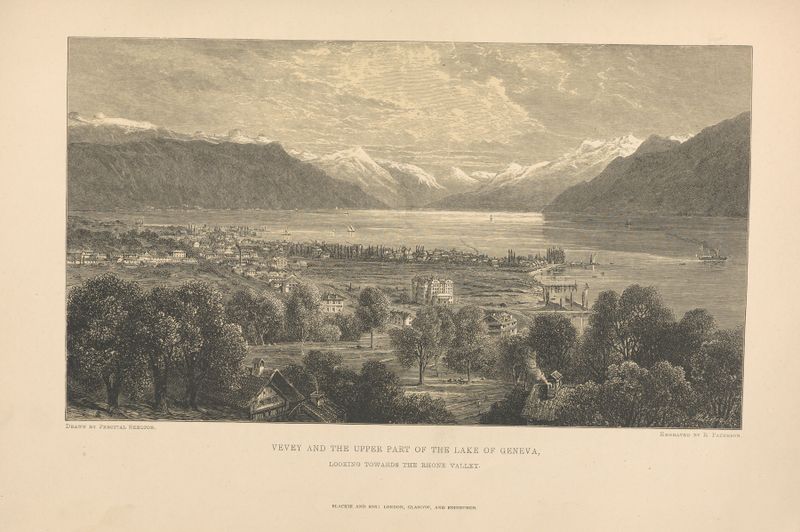
Percival Skelton – Vevay, and the Upper Part of the Lake of Geneva
Theodor Gsell Fels

E. T. Compton – The Jungfrau, and Opening of the Lauterbrunnen Valley
Theodor Gsell Fels

P. Weber – Departure of Steamer from Lucerne
Theodor Gsell Fels
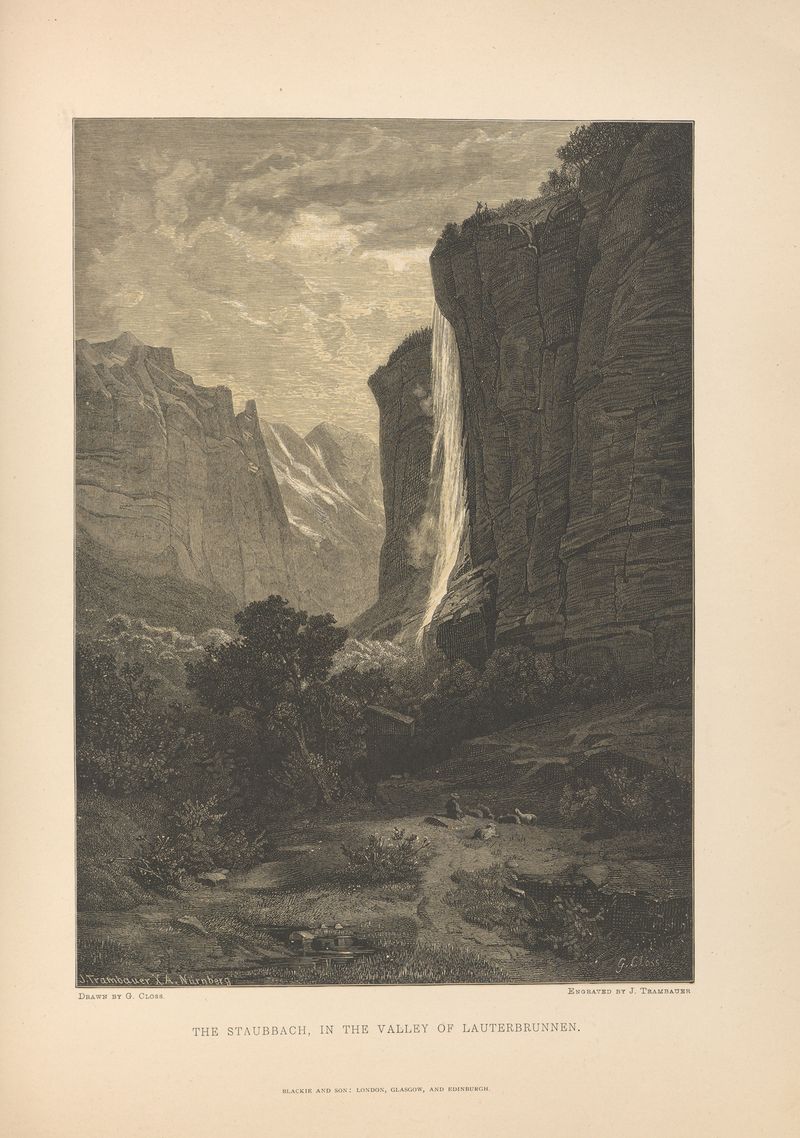
G. Closs – The Staubbach, in the Valley of Lauterbrunnen
Theodor Gsell Fels
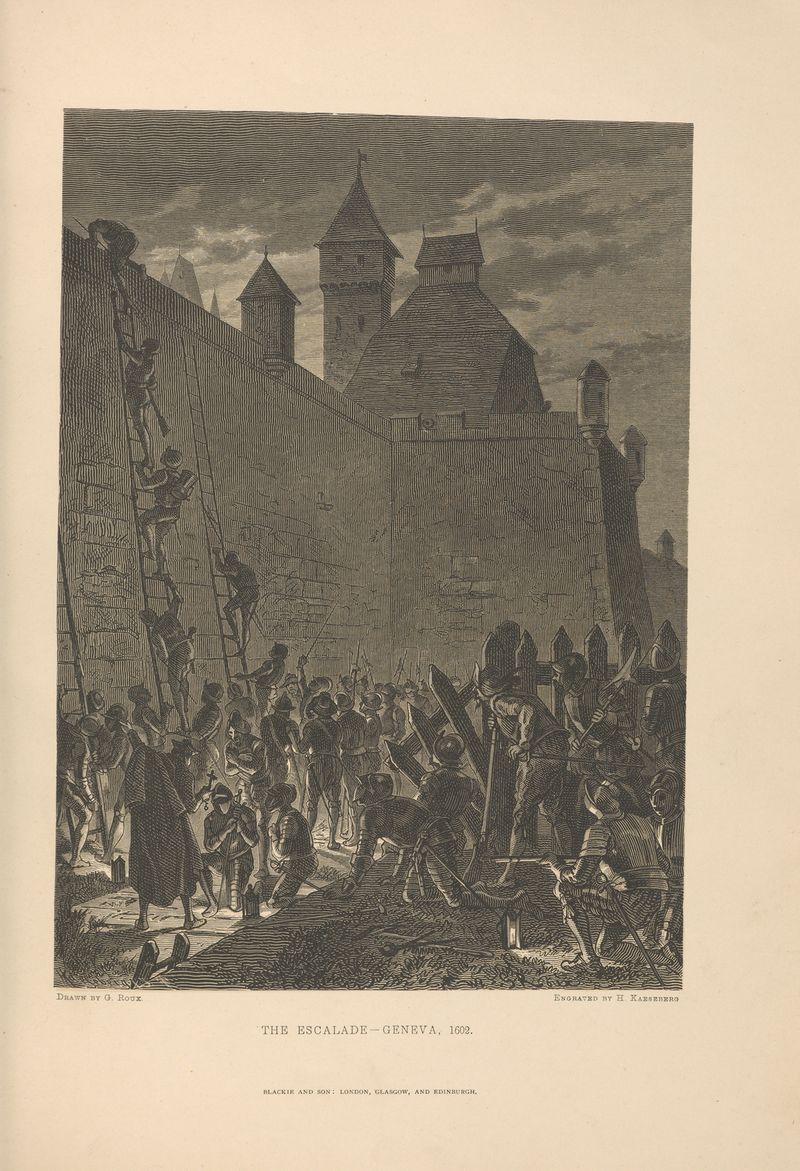
G. Roux – The Escalade, Geneva
Theodor Gsell Fels
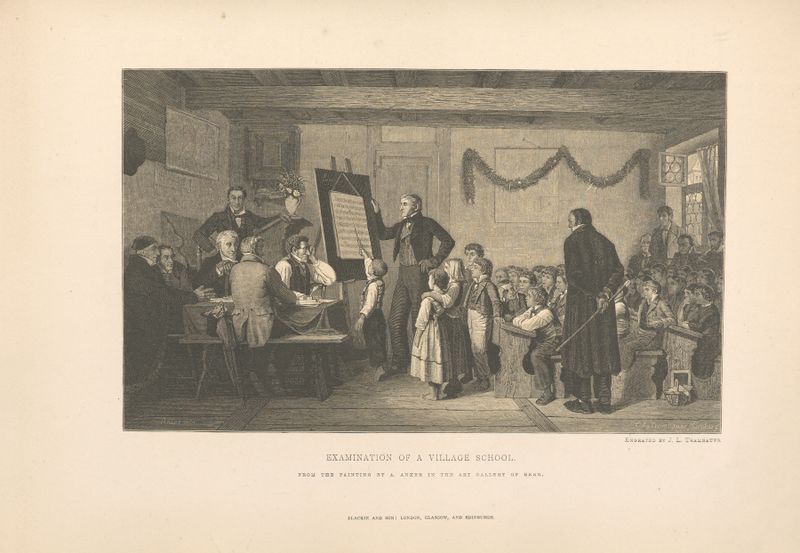
A. Anker – Examination of a Village School
Theodor Gsell Fels