
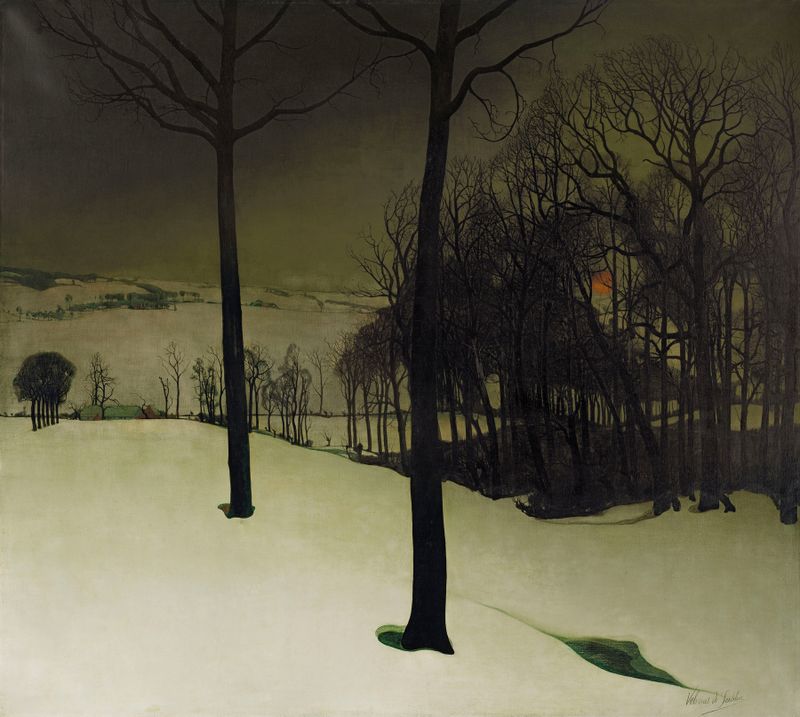
End of a gloomy day — History & Facts
When did color learn to lie? The vibrancy of hues can evoke nostalgia, yet sometimes they weave tales that blur the lines between reality and remembrance. Look to the canvas where the sunset's warm embrace dances over a landscape drenched in twilight. The artist employs rich oranges and soft purples, blending them seamlessly to craft a vision of an evening that feels both inviting and melancholic. Notice how the light falls upon the rolling hills, casting elongated shadows that seem to whisper secrets of the day that has passed.
The gentle brushwork invites the eye to wander through the serene scenery, every stroke pulsating with emotion. Delve deeper into the painting's nuances, where the interplay of light and shadow reveals a subtle tension. The bright horizon suggests hope, yet the encroaching darkness hints at inevitable endings, a duality reflecting our own experiences. The solitary tree, standing resolute amidst the unfolding dusk, embodies the bittersweet nature of memory — a sentinel witnessing the fleeting moments of our lives.
Here, color becomes not merely a choice but a conduit for reflecting our innermost states. In 1907, Valerius De Saedeleer painted this piece during a time when artists were exploring the boundaries of Impressionism and the emotional potential of color. Living in Belgium, he was influenced by both his immediate surroundings and the broader shifts in the art world, which were beginning to embrace a more abstract approach. This work marks a significant point in his career, showcasing his ability to evoke profound feelings through a seemingly simple landscape, capturing the essence of a world on the cusp of modernity while grounding it in the reflective nature of memory.
More Artworks by Valerius De Saedeleer
Browse all →
Snow Landscape in Flanders
Valerius De Saedeleer

Before Spring
Valerius De Saedeleer
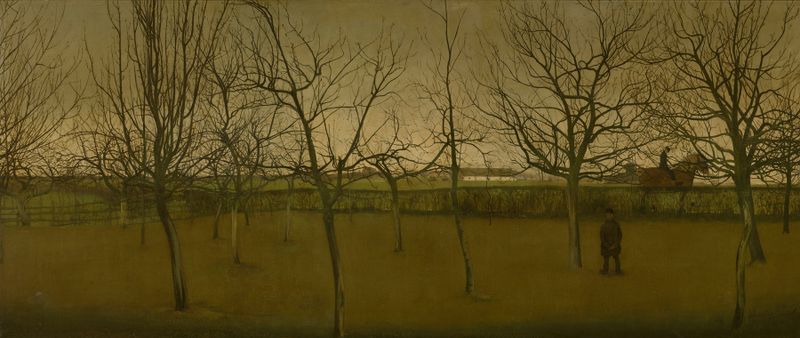
An Orchard in Winter
Valerius De Saedeleer

The River; Bright Spells
Valerius De Saedeleer
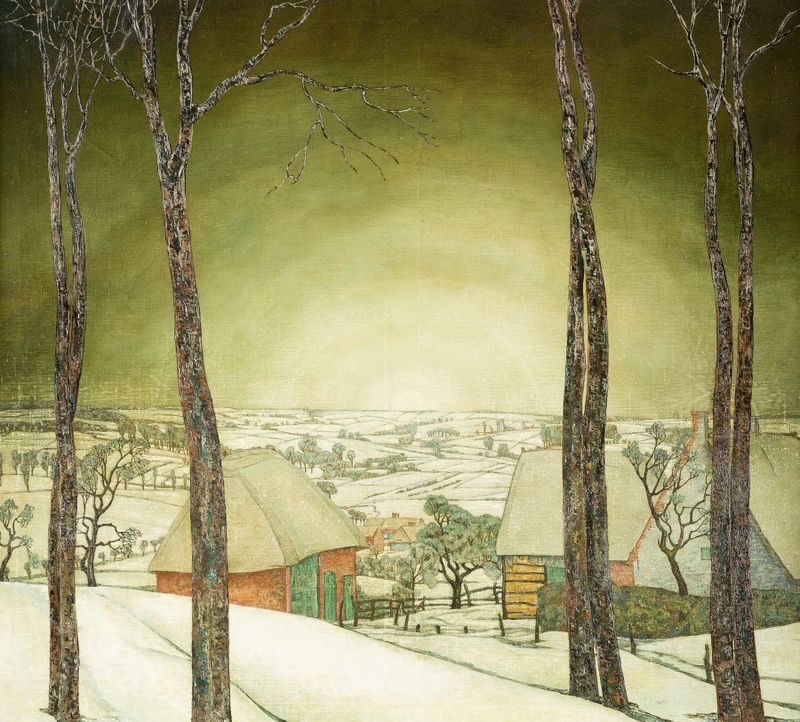
Winter landscape
Valerius De Saedeleer

Tenant Farm in the Snow
Valerius De Saedeleer

Storm Clouds over the Windmill in Tiegem
Valerius De Saedeleer
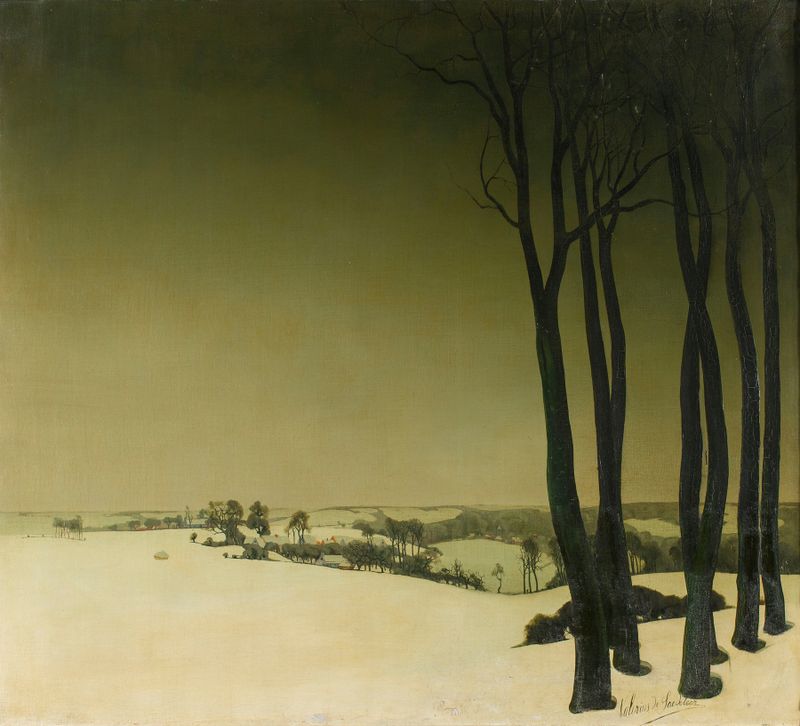
The Big Trees
Valerius De Saedeleer
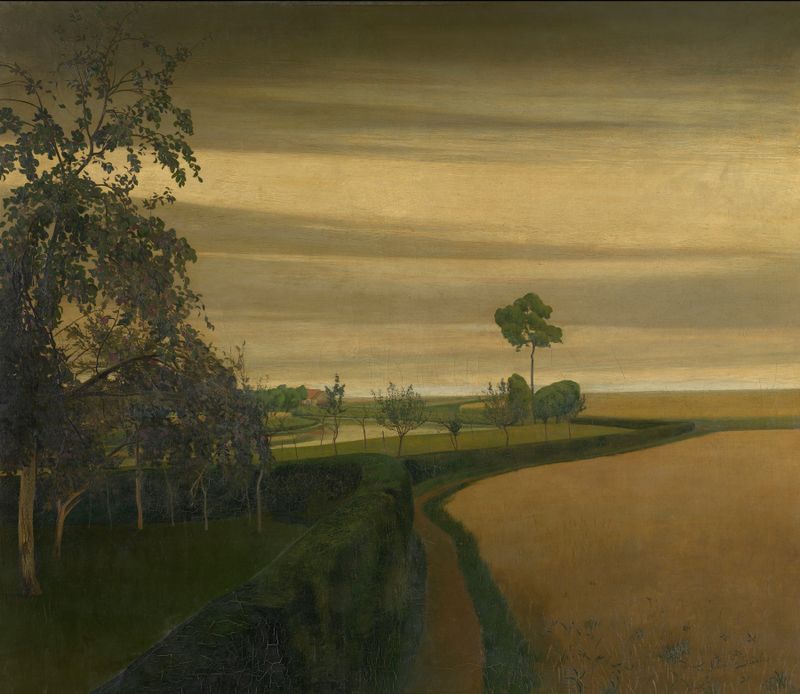
The End of a Gloomy Day
Valerius De Saedeleer
Het bos in de winder (Forest in the Winter)
Valerius De Saedeleer





