
The End of a Gloomy Day — History & Facts
The allure of this sentiment resonates deeply within the hushed landscapes of our lives, where the void often meets its radiant counterpart. Look to the left at the muted hues of twilight, where the sun's reluctant departure casts a melancholy glow over the horizon. The artist's brush captures the subtle interplay of blues and grays, each stroke breathing life into the sky's brooding expanse. Notice how the silhouette of the distant trees stands stark against the fading light, their jagged edges offering a stark contrast to the soft warmth of the evening's retreat.
This tension between the dark and the light propels the viewer into the realm of introspection, where stillness reigns supreme. Delving deeper, consider the emotional weight this scene carries. The horizon, stretching infinitely, evokes a sense of longing and isolation—a reflection of the void that lies beneath the surface of beauty. The delicate balance of light and shadow encapsulates a moment where hope and despair coexist, each color choice steeped in the artist's contemplative expression.
The dimming light suggests an inevitable end, yet the lingering warmth hints at the possibility of renewal, creating a complex emotional landscape that resonates with our own experiences of twilight moments. Created in 1907, this work reflects Valerius De Saedeleer's exploration of natural beauty during a time when Europe was grappling with the effects of industrialization and modernity. Living in Belgium, he sought solace in landscapes, channeling the tumult of his surroundings into poignant expressions of light and emotion. The painting captures both a personal and collective experience, encapsulating a moment where the day's end resonates with a deeper, shared sense of human longing.
More Artworks by Valerius De Saedeleer
Browse all →
Snow Landscape in Flanders
Valerius De Saedeleer

Before Spring
Valerius De Saedeleer
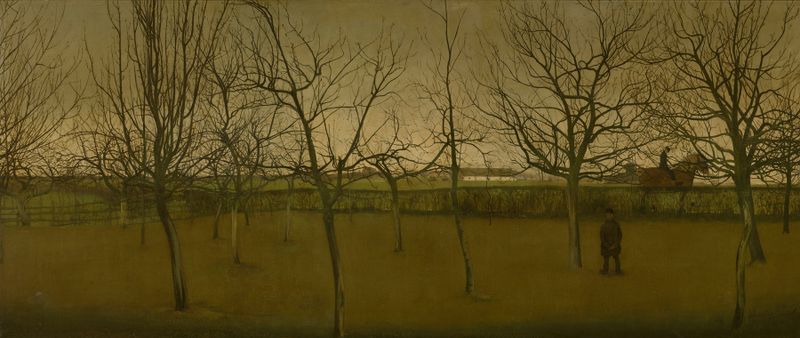
An Orchard in Winter
Valerius De Saedeleer

The River; Bright Spells
Valerius De Saedeleer

End of a gloomy day
Valerius De Saedeleer
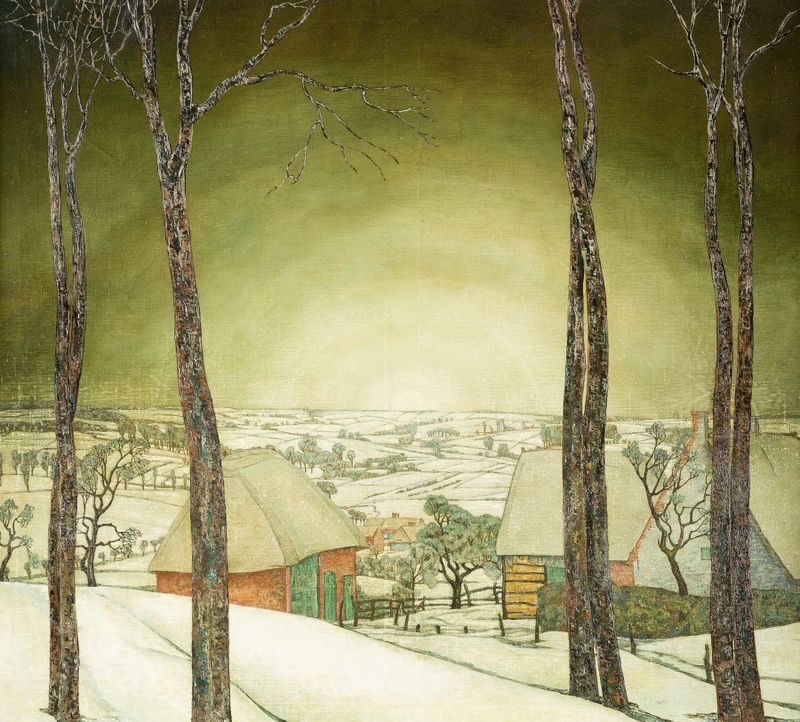
Winter landscape
Valerius De Saedeleer

Tenant Farm in the Snow
Valerius De Saedeleer

Storm Clouds over the Windmill in Tiegem
Valerius De Saedeleer
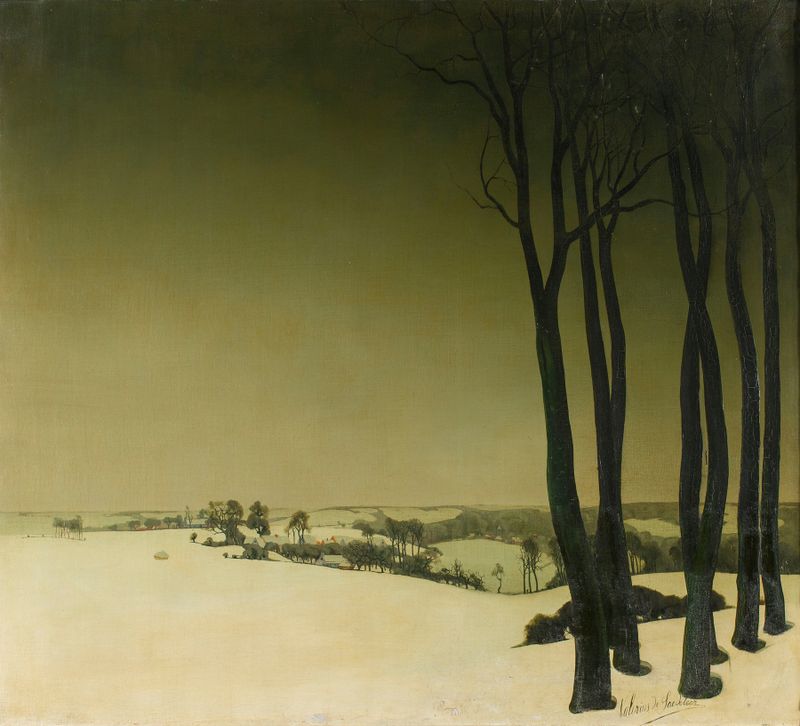
The Big Trees
Valerius De Saedeleer
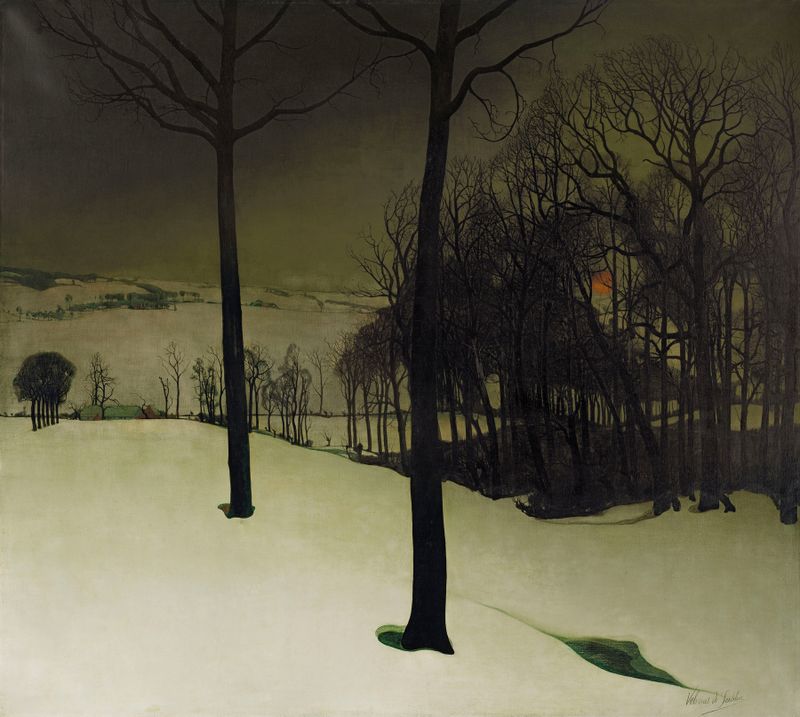
Het bos in de winder (Forest in the Winter)
Valerius De Saedeleer





