
The Big Trees — History & Facts
In The Big Trees, the transformation of nature reflects a broader revolution, an awakening of organic beauty amid disarray. The artwork serves as a reminder of nature’s resilience, capturing a moment where harmony emerges from chaos. To appreciate the depth of this piece, focus on the towering trees that dominate the canvas, their majestic trunks rising like ancient sentinels. Notice the interplay of light filtering through the thick foliage, creating dappled patterns on the forest floor.
The vibrant greens meld with earthy browns, while splashes of golden sunlight breathe life into the scene, drawing your eye towards the subtle movement of leaves quivering in the gentle breeze, urging you deeper into the wilderness. Yet, beyond the aesthetic beauty lies a poignant commentary on the balance between humanity and nature. The gnarled roots of the trees, hinting at the struggle for survival, echo the tumultuous spirit of the 1930s. The tension between light and shadow captures an emotional dichotomy, encapsulating both the serenity of untouched landscapes and the looming threat of industrial encroachment, urging viewers to contemplate the fragility of natural splendor in an increasingly chaotic world. Valerius De Saedeleer painted The Big Trees in 1930, during a time when Europe was grappling with the aftermath of World War I and the socio-political upheaval that followed.
Living in Belgium, he was deeply influenced by the Art Deco movement and the burgeoning interest in capturing the raw beauty of the landscape. This work reflects his dedication to finding beauty in the natural world, resisting the chaos around him while contributing to the evolving narrative of modernist landscapes.
More Artworks by Valerius De Saedeleer
Browse all →
Snow Landscape in Flanders
Valerius De Saedeleer

Before Spring
Valerius De Saedeleer
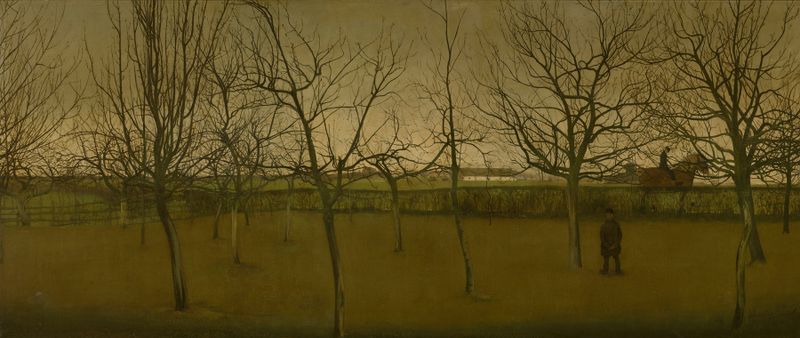
An Orchard in Winter
Valerius De Saedeleer

The River; Bright Spells
Valerius De Saedeleer

End of a gloomy day
Valerius De Saedeleer
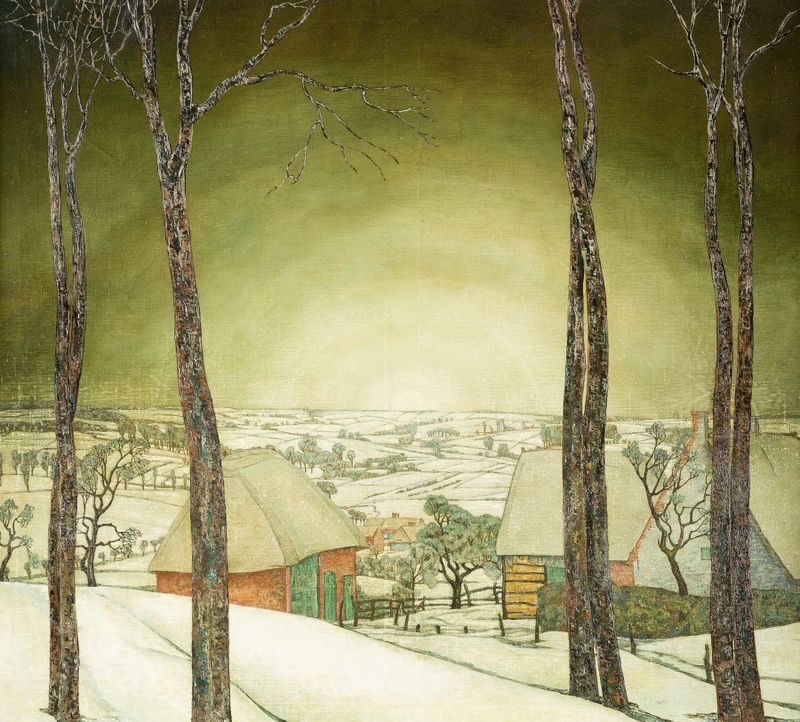
Winter landscape
Valerius De Saedeleer

Tenant Farm in the Snow
Valerius De Saedeleer

Storm Clouds over the Windmill in Tiegem
Valerius De Saedeleer
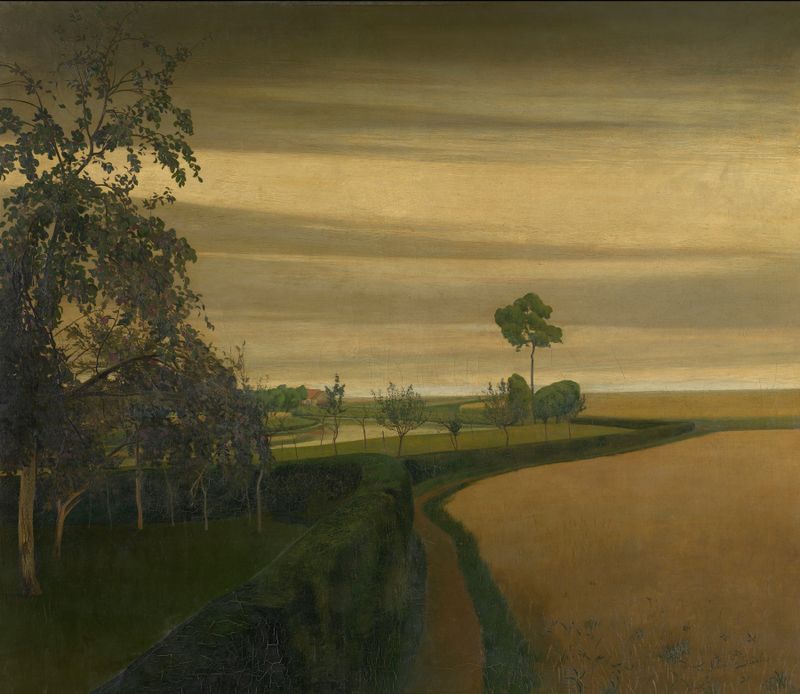
The End of a Gloomy Day
Valerius De Saedeleer
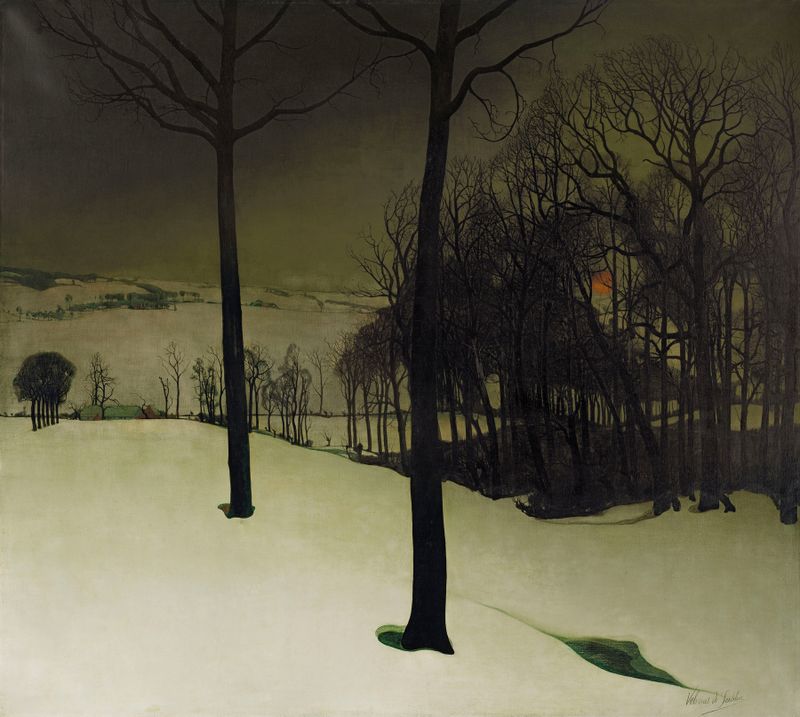
Het bos in de winder (Forest in the Winter)
Valerius De Saedeleer





