
English Landscape from Mistley Hall, Essex — History & Facts
When did color learn to lie? In the world of landscapes, hues can betray the heart's intentions, weaving destinies that are as ephemeral as the light that bathes them. Look to the sprawling expanse of green on the left, where the rolling hills unfurl under a subtle, dappled sky. The gentle gradient of blue to white provides a soft backdrop, contrasting sharply with the rich, dark greens of the foreground. Notice how the light dances across the surface of the water in the center, reflecting a myriad of colors that seem to pulse with life, inviting the viewer to step into this serene tableau.
The meticulous brushwork captures both the tranquility and complexity of the natural world. Delve deeper into the scene and you'll find a tension between the idyllic beauty of the landscape and the hidden narratives it may harbor. The trees stand sentinel, embodying a quiet wisdom, while the distant clouds suggest an impending change, a reminder of nature’s capriciousness. The interplay of light and shadow hints at the passage of time, suggesting that even in tranquility, a tumultuous destiny awaits beyond the horizon. In 1772, Elias Martin painted this work during a time when the Romantic movement began to take root, emphasizing emotion and nature's sublime beauty.
Living in England, he was influenced by the surrounding landscapes and cultural shifts that sought to capture the essence of both the natural world and human experience. These explorations were pivotal as artists began to challenge the conventions of classicism, paving the way for the emotional depth that would characterize the art of the coming eras.
More Artworks by Elias Martin
Browse all →
View of Stockholm II
Elias Martin
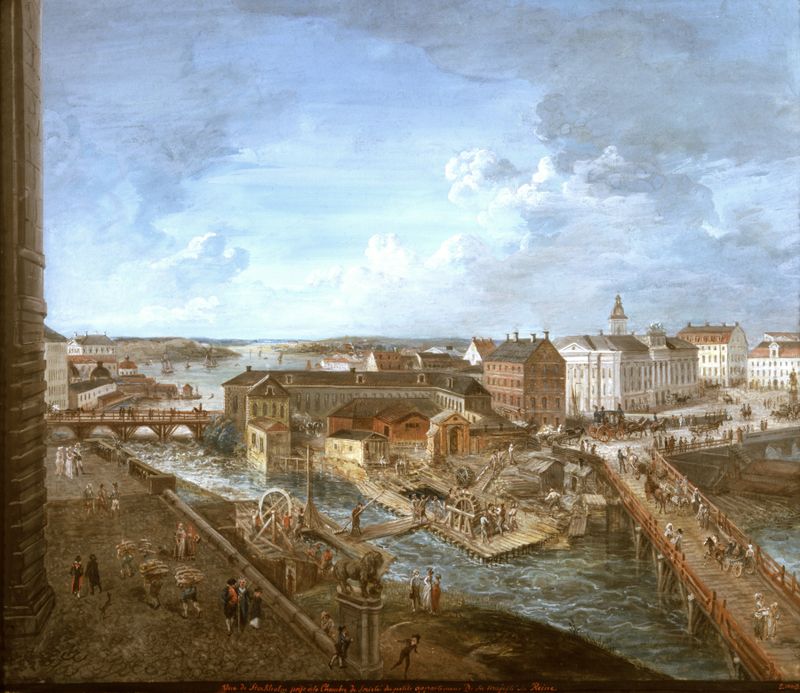
View of Stockholm from the Royal Castle.
Elias Martin

Pope House at Twickenham
Elias Martin
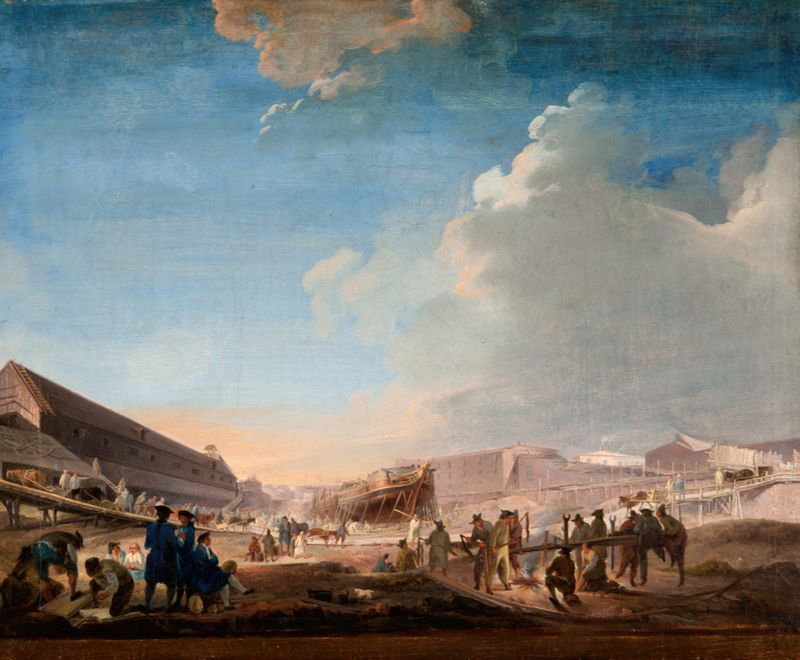
The Galley Dock at Sveaborg under Construction, viewed from west
Elias Martin

View of Stockholm I
Elias Martin

View of Stockholm V
Elias Martin
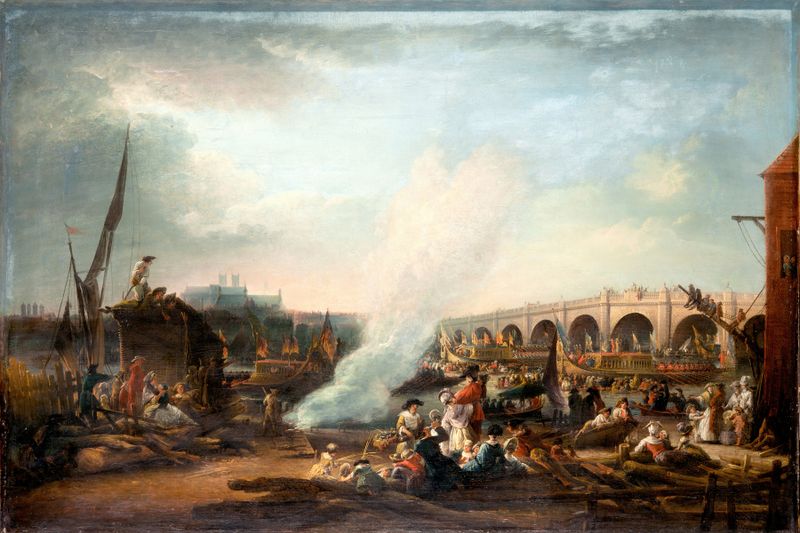
Westminster Bridge and the Thames Procession of King Christian VII of Denmark in 1769
Elias Martin

View of Uppsala cathedral from the North
Elias Martin

Landskap med herde
Elias Martin

View of Paris from the Embankment beneath the Pont Neuf
Elias Martin





