
Entrée de l’auberge du Cheval-blanc, rue Mazet — History & Facts
Who listens when art speaks of silence? In the hushed ambiance of the late 19th century, a moment unfolds within the confines of a quaint inn, the shadows whispering the secrets of its patrons. Look to the left where the auberge stands, its wooden sign creaking gently in the barely-there breeze. The warm glow of the lanterns spills onto cobblestones, illuminating the faces of weary travelers just arriving, while the muted tones of ochre and emerald envelop the scene, creating an intimate atmosphere. Notice how the figures are painted with soft, blended strokes, each gesture suggesting both exhaustion and anticipation, as their body language conveys stories untold. Intriguingly, the contrast between light and shadow plays a vital role in this narrative.
The light flooding from the windows beckons warmth and shelter, yet the deepening shadows suggest the encroachment of night, a reminder of the solitude that often accompanies travel. The subtle interactions between the figures on the threshold hint at shared experiences, yet their individual expressions reveal an underlying loneliness, echoing the notion that even in company, one can feel profoundly alone. Victor Marec painted this scene in 1898, at a time when he was deeply influenced by the Impressionist movement and the burgeoning fascination with urban life. Living in France, he captured the essence of everyday moments during a period of artistic exploration and change.
His work reflects not only personal experiences but also the societal shifts of the late 19th century, where the bustle of modern life often overshadowed the quiet, contemplative moments that invite connection and reflection.
More Artworks by Victor Marec
Browse all →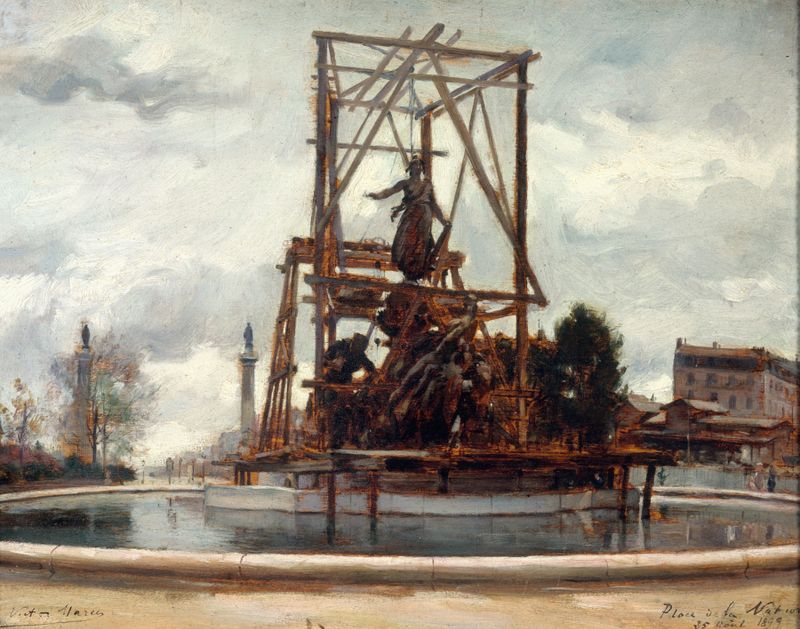
Mise en place du monument du ‘Triomphe de la République’ de Jules Dalou, place de la Nation
Victor Marec

L’embarcadère de l’Ouest, gare de Paris à Saint-Germain
Victor Marec
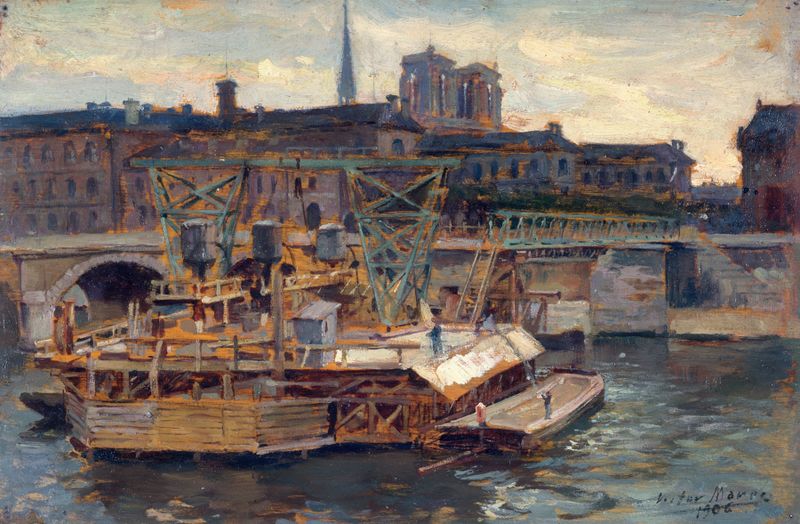
Les travaux du métropolitain au pont Notre-Dame
Victor Marec
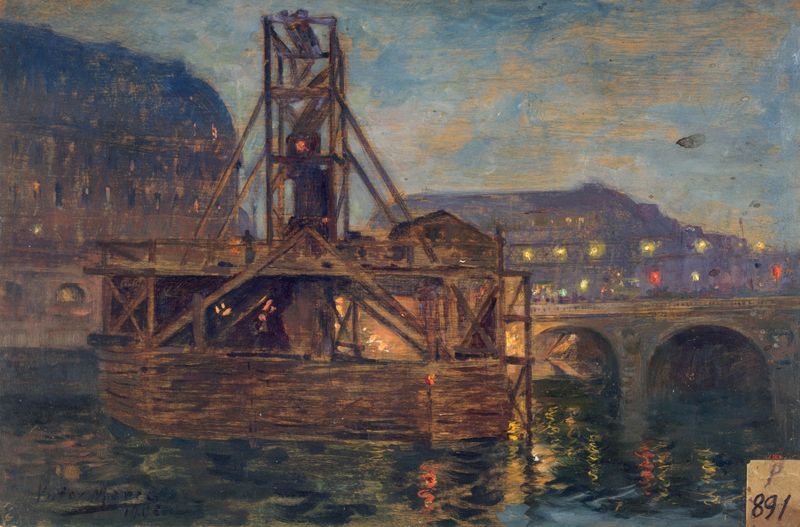
Les travaux du métropolitain au pont Saint-Michel
Victor Marec
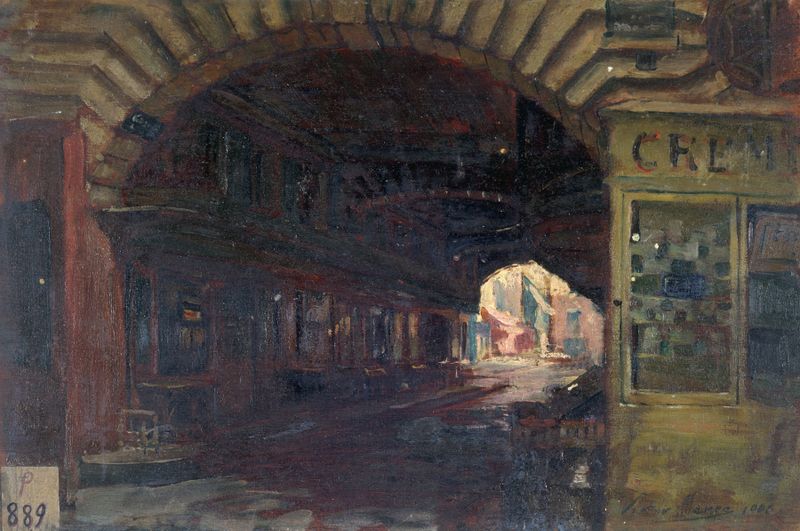
Entrée du cloître Saint-Honoré, rue des Bons-Enfants
Victor Marec
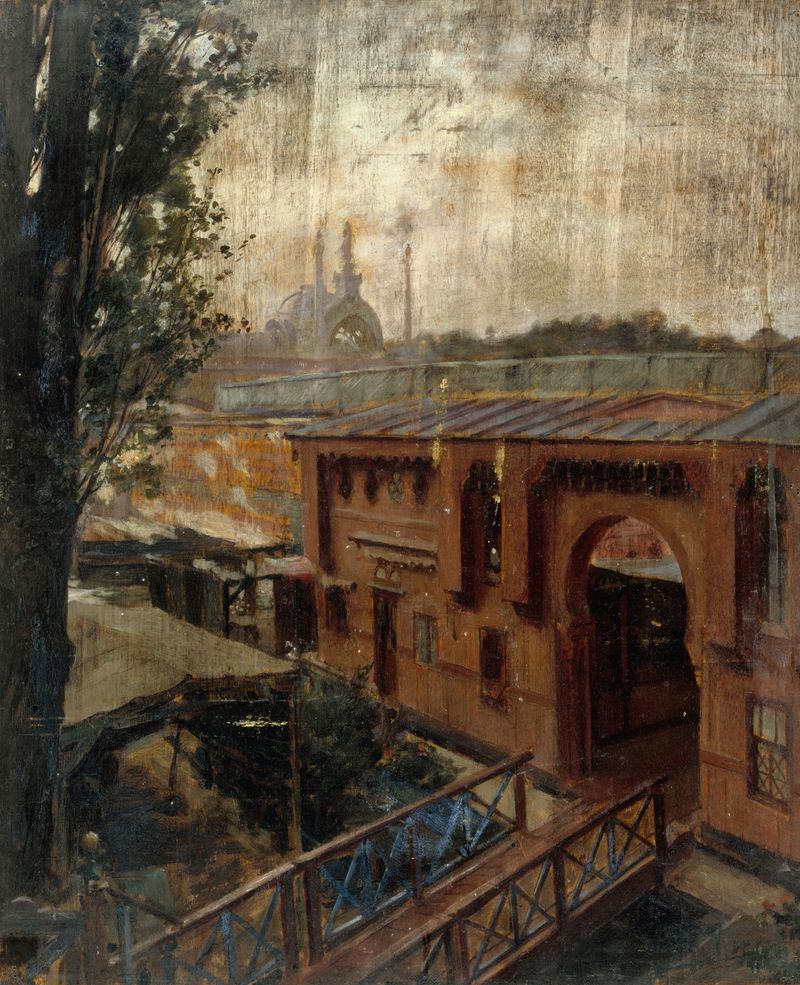
Les bains Deligny, au quai d’Orsay
Victor Marec

La cour de l’auberge du Cheval-Blanc, rue Mazet
Victor Marec
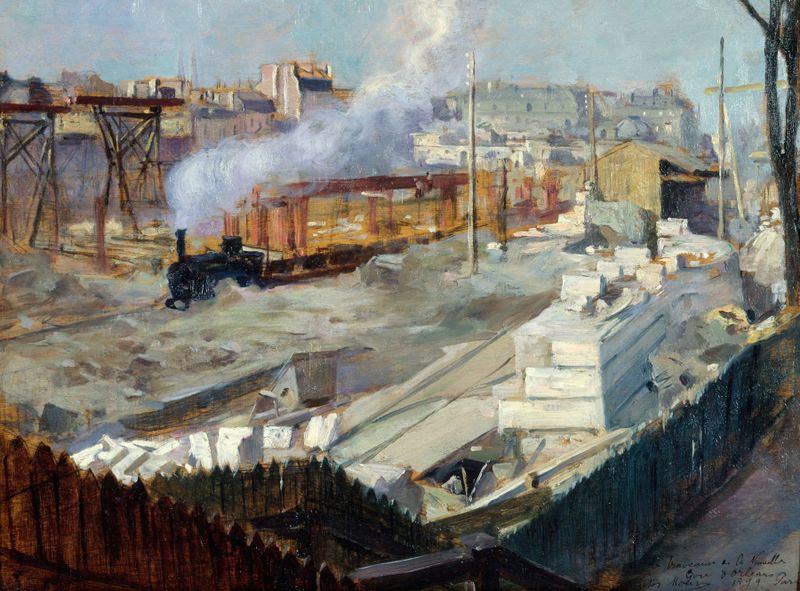
Les travaux de la nouvelle gare d’Orléans
Victor Marec

Le cimetière de Picpus et le champs des Martyrs, où furent enterrées les victimes de la Révolution, guillotinées à la barrière du Trône
Victor Marec

Travaux du métropolitain au Pont-Neuf
Victor Marec





