
Episode from the 1863 insurrection — History & Facts
Could a single brushstroke hold eternity? In the quiet spaces between the chaos of insurrection, we find the profound silence that echoes through Episode from the 1863 Insurrection. Look to the center, where a figure stands defiantly, cloaked in shadows yet illuminated by muted light, as if caught in a moment of contemplation amidst turmoil. The brushwork is both deliberate and fluid, conveying movement while maintaining an aura of stillness. Notice how the somber palette—deep blues and grays—contrasts with flashes of crimson, suggesting both the weight of sorrow and the flicker of resistance.
The composition pulls the viewer's eye toward the figure, evoking a sense of urgency and determination. Delve deeper into the layers of meaning: the figure's gaze is directed outward, embodying the struggle of a nation yearning for freedom. The silence surrounding them amplifies the emotional weight of their solitude, reflecting the internal conflict of hope and despair. Small details, like the tattered edges of their clothing, speak to sacrifice and endurance, while the background fades into obscurity, representing the obscured history that lies behind every revolutionary act. In 1880, Piotrowski created this piece while living in Poland, a period marked by political unrest and a search for national identity following the failed uprisings of the mid-19th century.
As a member of a generation grappling with the legacies of insurrection, he sought to immortalize both the spirit and the silence that accompany such pivotal moments in history, placing him firmly in the conversation of Polish Romanticism and its exploration of national themes.
More Artworks by Antoni Piotrowski
Browse all →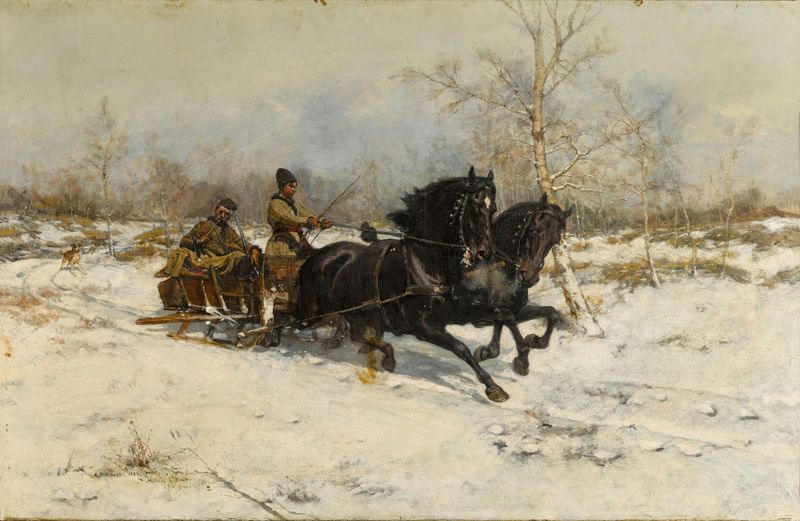
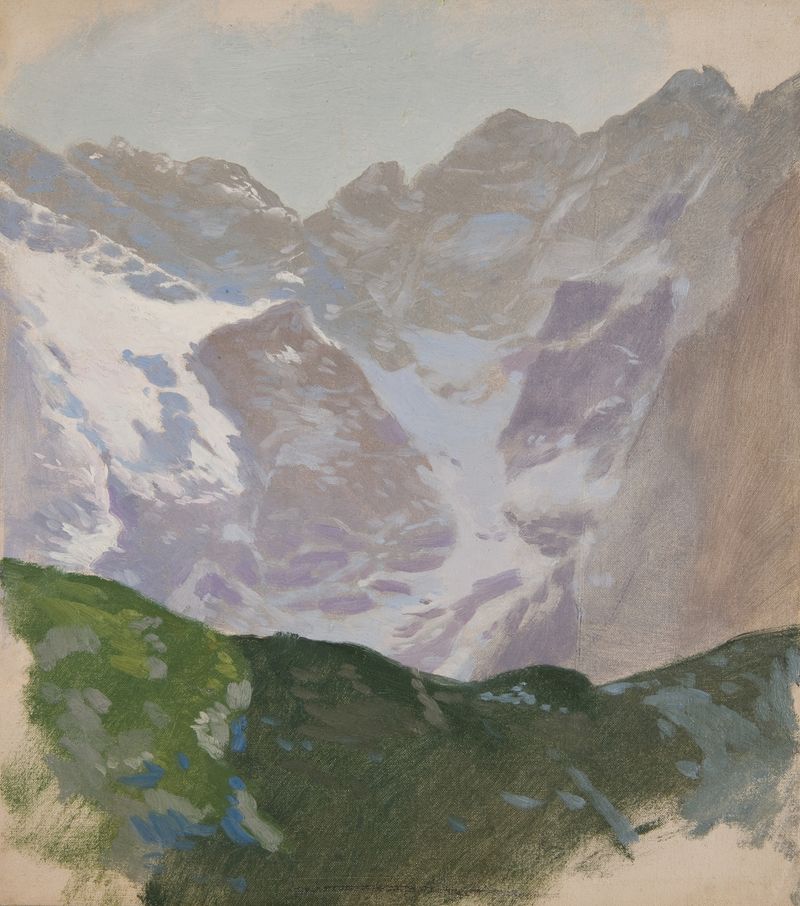
More Historical Art
Browse all →
The Night Watch Militia Company of District II under the Command of Captain Frans Banninck Cocq
Rembrandt van Rijn
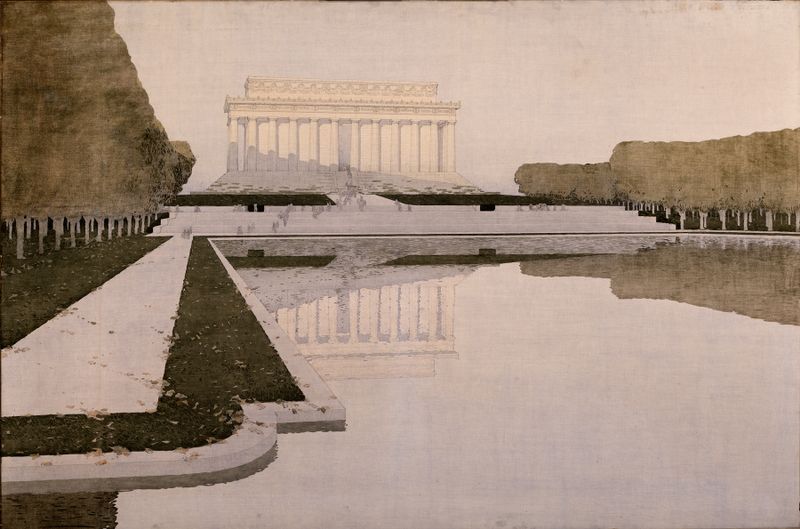
Lincoln Memorial
Henry Bacon
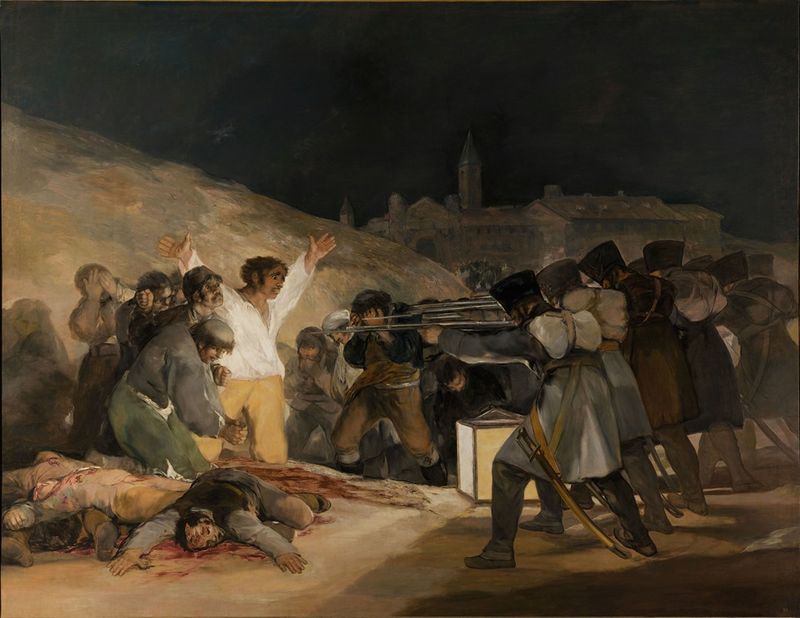
The Third of May 1808
Francisco de Goya

Isaac and Rebecca, Known as ‘The Jewish Bride’
Rembrandt van Rijn
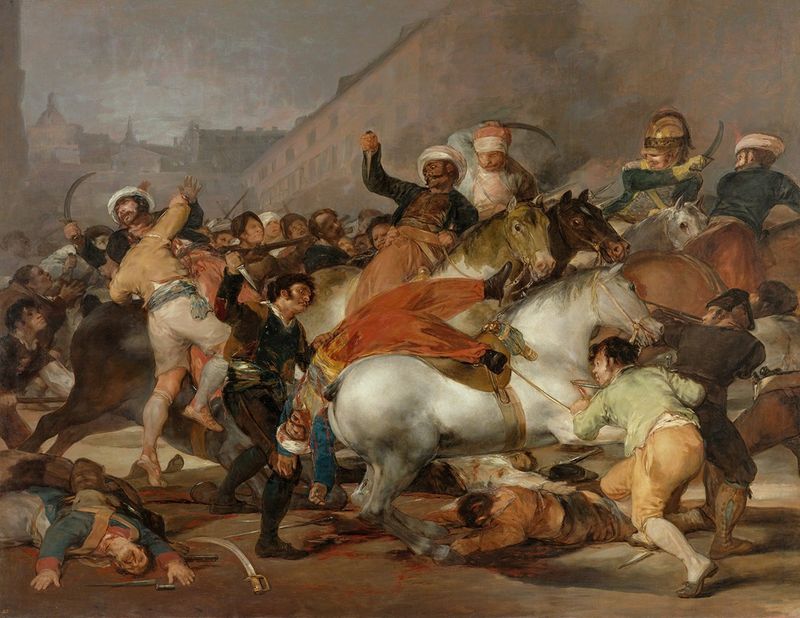
The Charge of the Mamelukes (1814)
Francisco de Goya

De vier ruiters van de apocalyps
Albrecht Dürer