
Estes Park, Colorado, Whyte’s Lake — History & Facts
Where does light end, and longing begin? In Estes Park, Colorado, Whyte’s Lake, a profound silence envelops the viewer, inviting introspection and a deep connection to nature’s majesty. Look to the center of the canvas, where the shimmering surface of the lake captures the diffused light of a fading day. This reflection is a masterclass in technique, demonstrating Bierstadt’s ability to blend realistic detail with ethereal beauty. Notice how the mountain peaks rise dramatically in the background, their rugged textures softened by the atmospheric haze.
The palette of greens and blues creates a tranquil harmony, while subtle strokes of warm hues on the water surface evoke a sense of peace, drawing you into this serene landscape. Bierstadt expertly contrasts the stark solidity of the mountains with the fluidity of the lake, symbolizing the tension between permanence and transience. Small details, like the delicate ripples on the water, hint at the unseen breeze that stirs the tranquility. This interplay between light and form captures not just the physical space, but also a profound emotional landscape—one that speaks of yearning and the deep human desire for connection with the natural world. In 1877, Bierstadt painted this work during a transformative period in American art, where the Romantic movement began to give way to more realistic portrayals of the American West.
As he created this piece in Colorado, he was also part of a broader exploration of the nation’s vast landscapes, reflecting both personal ambition and a cultural shift toward valuing the beauty of the unspoiled wilderness. This was a time of discovery, not just of land, but of the deep emotional ties that bind humanity to nature.
More Artworks by Albert Bierstadt
Browse all →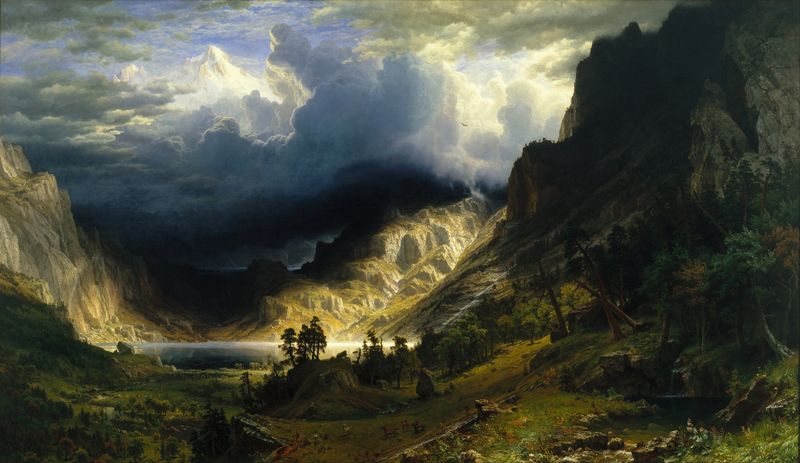
A Storm in the Rocky Mountains, Mt. Rosalie
Albert Bierstadt
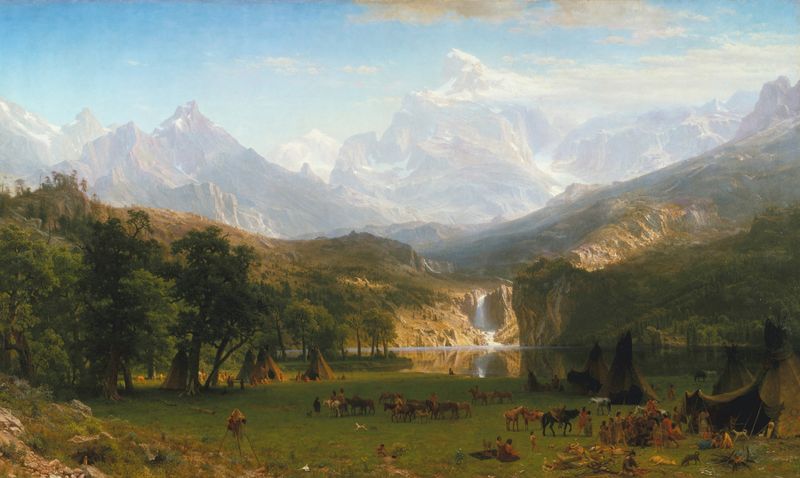
The Rocky Mountains, Lander’s Peak
Albert Bierstadt
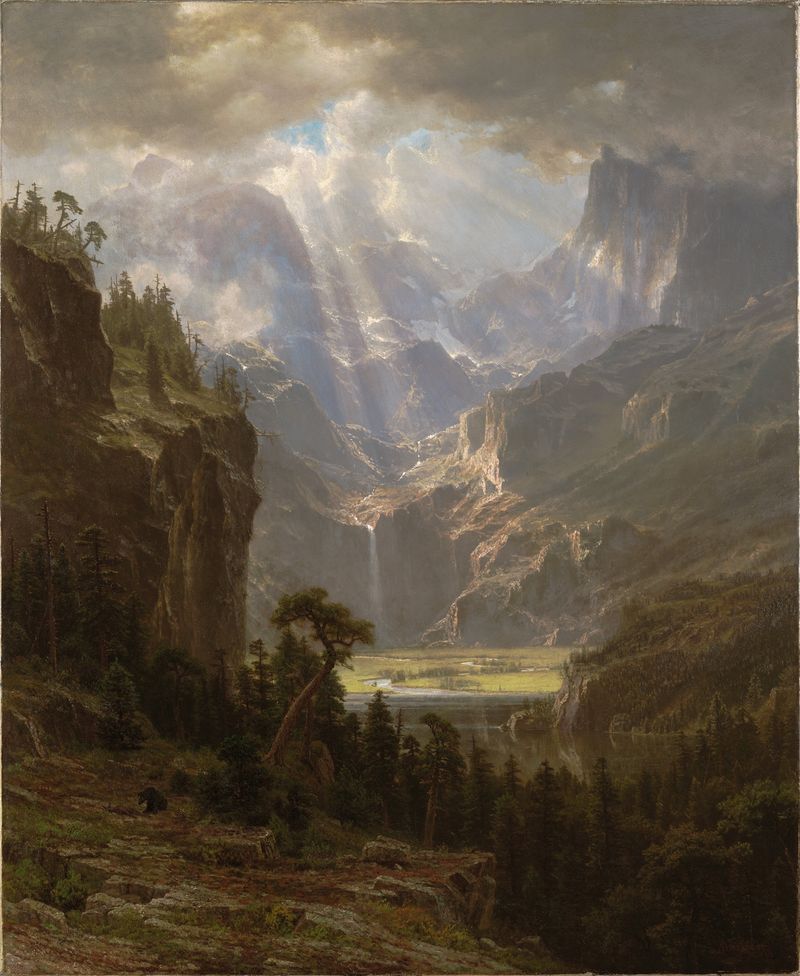
Rocky Mountains, Lander’s Peak
Albert Bierstadt
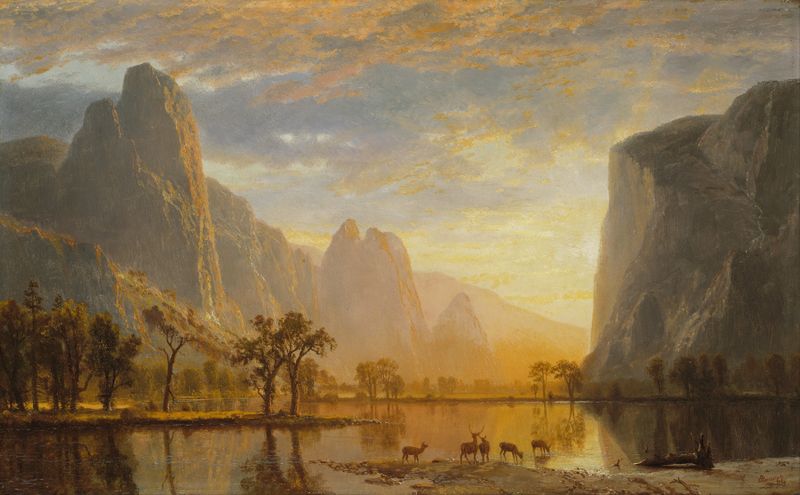
Valley of the Yosemite
Albert Bierstadt
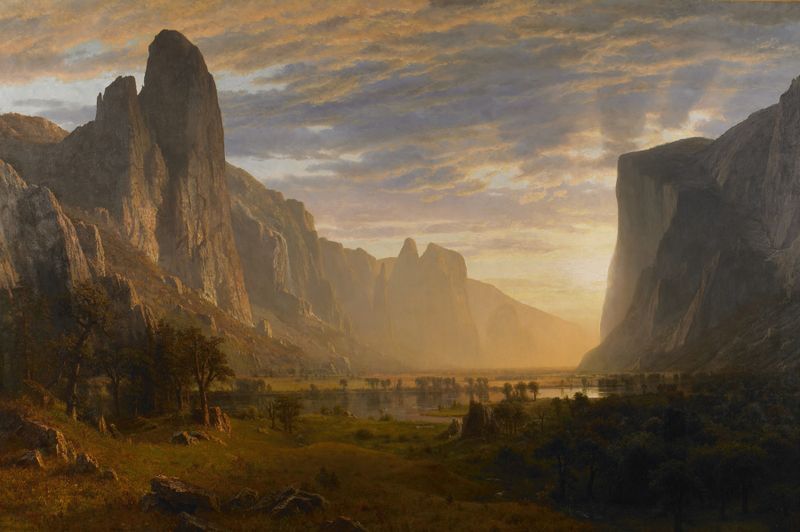
Looking Down Yosemite Valley, California
Albert Bierstadt
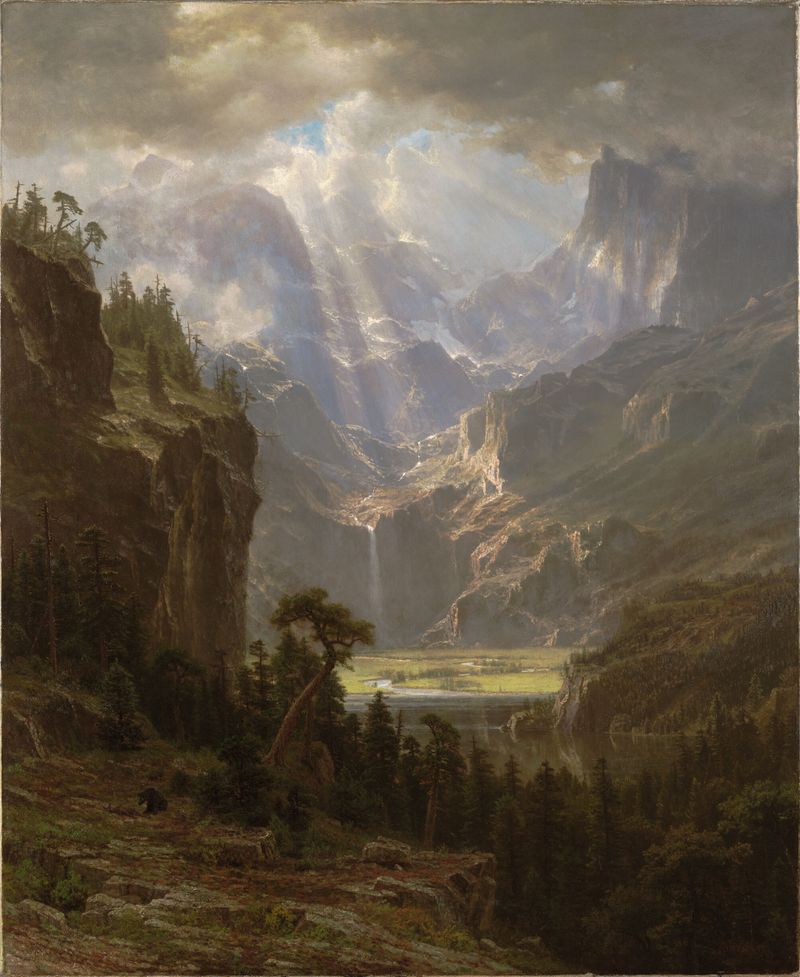
Rocky Mountains, "Lander's Peak"
Albert Bierstadt
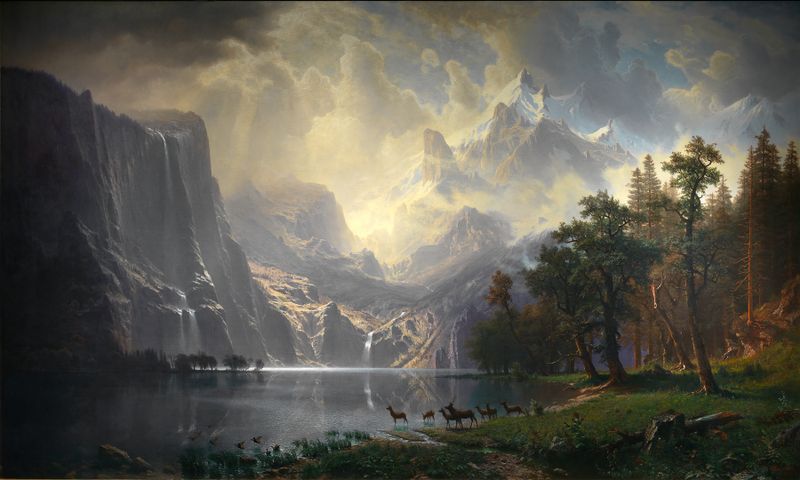
Among the Sierra Nevada, California
Albert Bierstadt
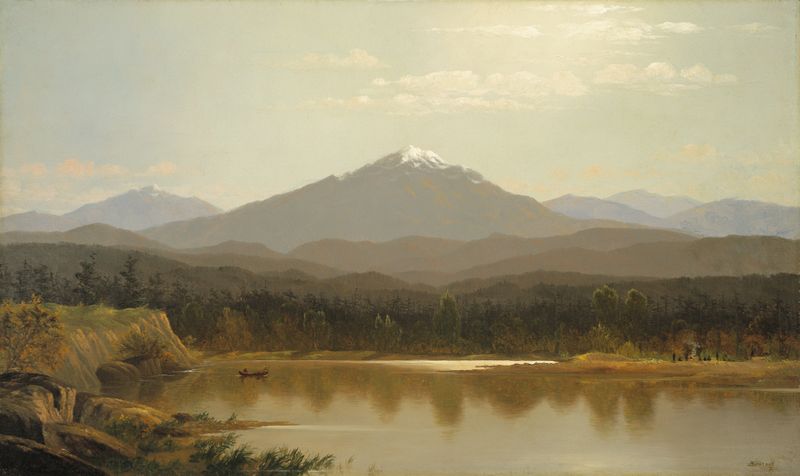
Laramie Peak
Albert Bierstadt
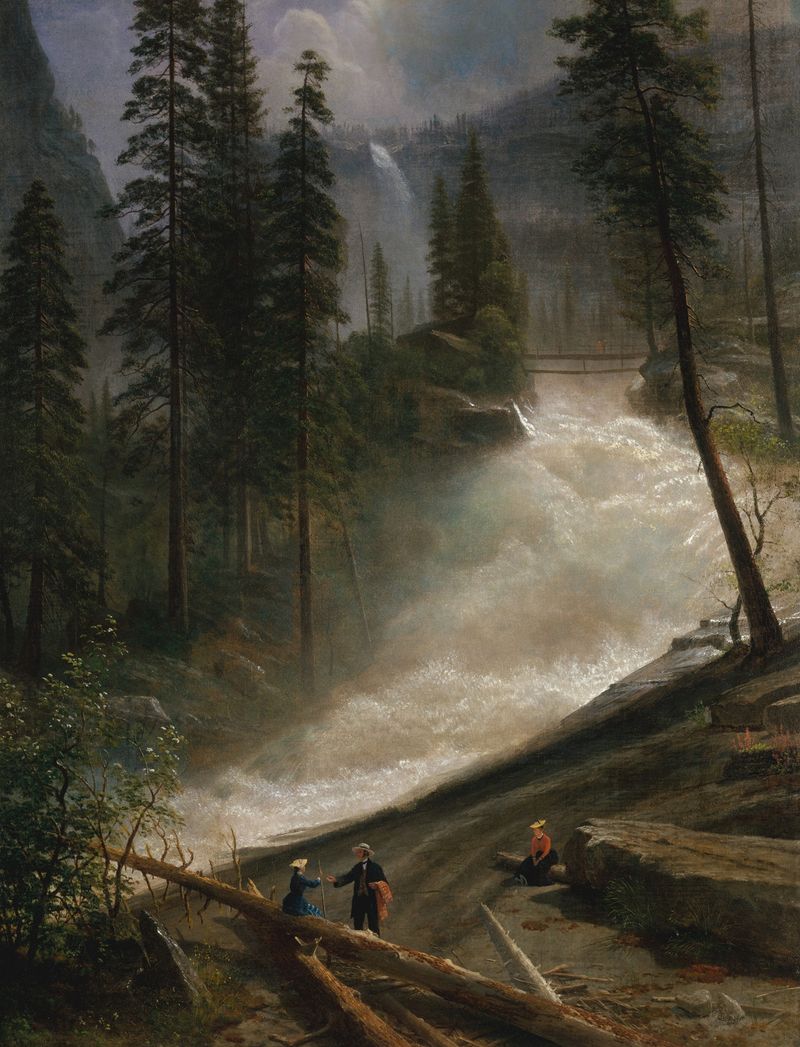
Nevada Falls, Yosemite
Albert Bierstadt
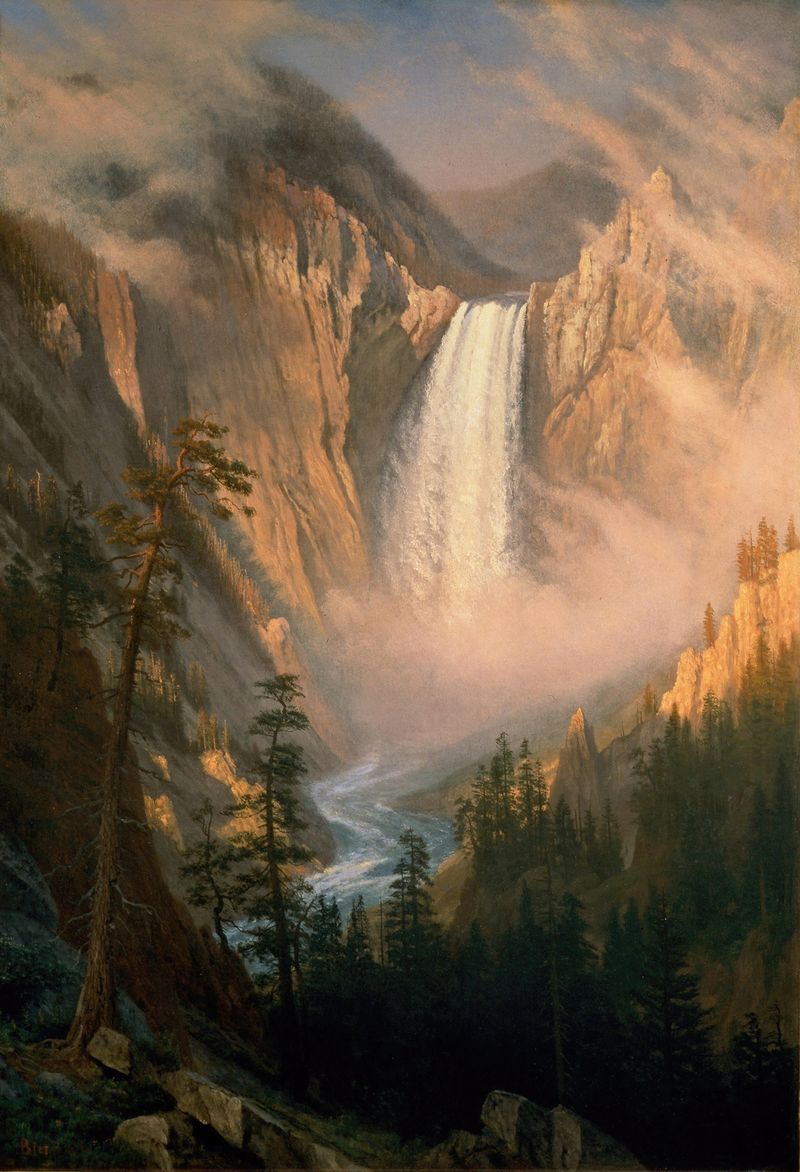
Yellowstone Falls
Albert Bierstadt





