
Et overfartssted. Figurer ved både — History & Facts
In the stillness of Martinus Rørbye's Et overfartssted. Figurer ved både, emptiness speaks volumes, inviting us into a realm where solitude becomes a quiet companion. Look to the center, where two boats rest languidly upon the water’s surface. Notice how the artist captures the gentle ripples, each stroke echoing the serenity of the moment.
To the left, a solitary figure stands at the water's edge, their posture suggesting contemplation, while a muted palette of blues and grays envelops the scene, creating a sense of tranquil isolation. The delicate interplay of light and shadow hints at a fleeting day, underscoring the quiet grace of an unhurried existence. Beneath the surface, a profound tension brews between presence and absence. The solitary figures evoke a sense of longing, their stillness contrasting with the pulsating life of the surrounding landscape.
This juxtaposition serves as a reminder of the emotional weight carried by individual moments—a stillness that often conceals the chaos of inner thoughts. Each element, from the anchored boats to the expansive sky, speaks to the universal experience of solitude, inviting viewers to reflect on their own encounters with emptiness. Created during a transformative period in the early 1830s, Rørbye painted this piece in Denmark amidst an evolving art scene that embraced Romantic ideals. This era saw artists exploring the depths of human emotion and the beauty of nature, and Rørbye found himself at the forefront of this movement.
His works often revealed personal reflections on life and nature, positioning him as a pivotal figure in the exploration of realism and emotion within the artistic landscape.
More Artworks by Martinus Rørbye
Browse all →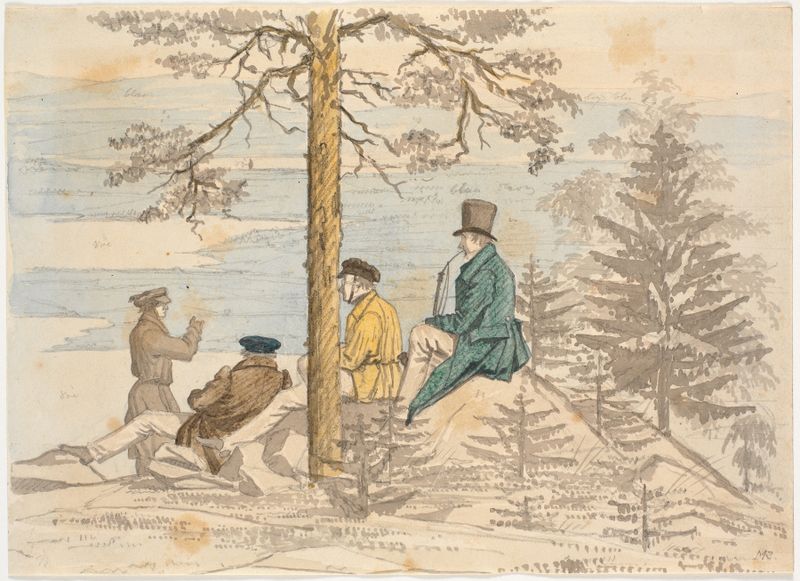
Fire mænd betragter udsigten fra Holmekollen
Martinus Rørbye
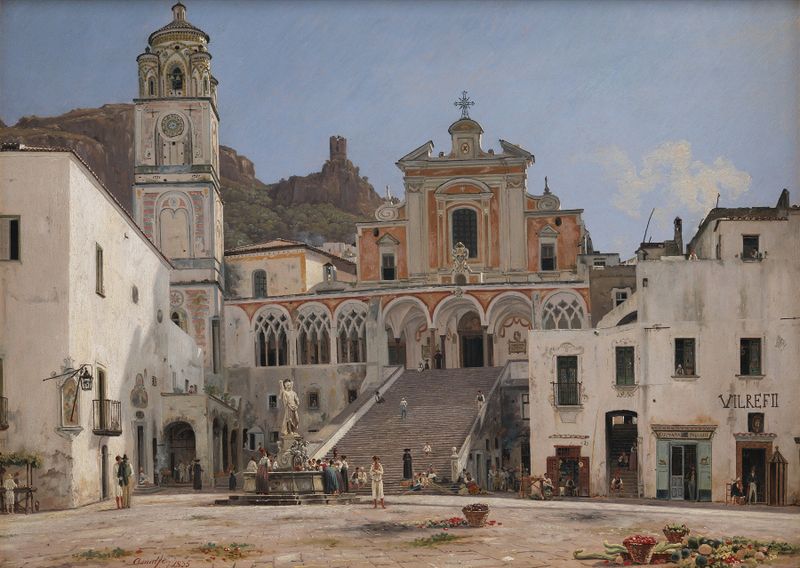
View of the Square in Amalfi
Martinus Rørbye
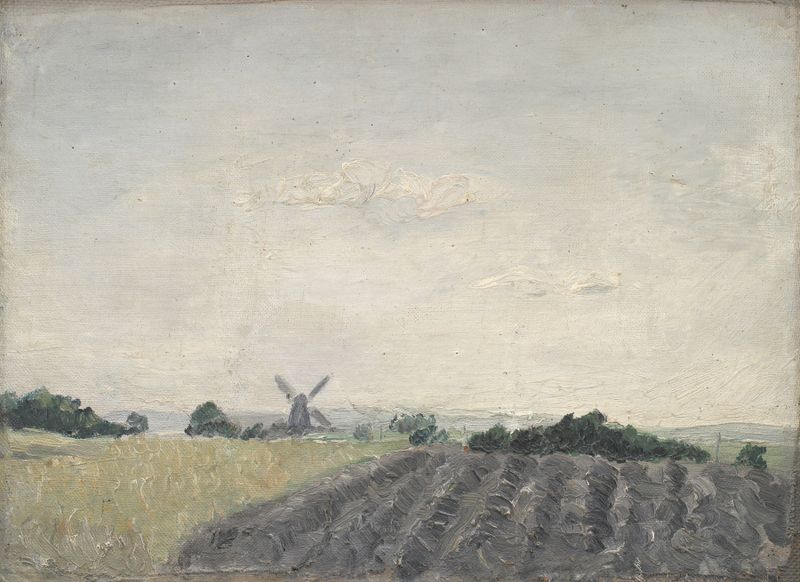
A Courtyard in Rome. Copy after Eckersberg
Martinus Rørbye
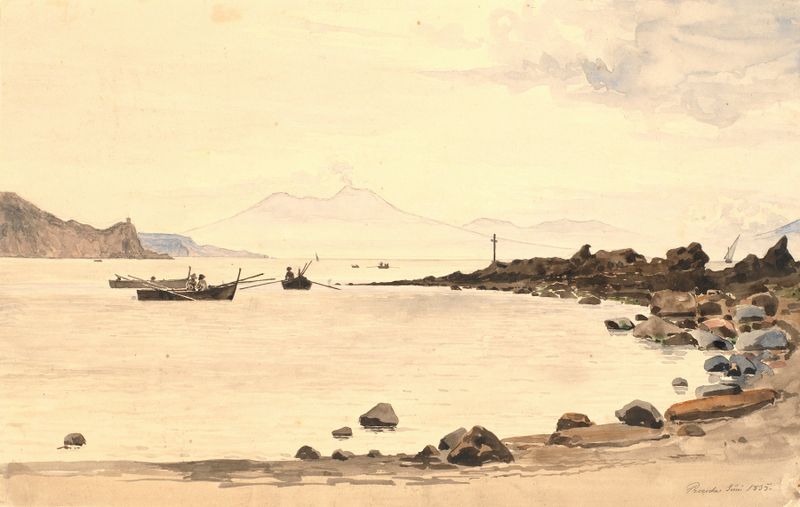
Udsigt mod Vesuv fra Procida
Martinus Rørbye
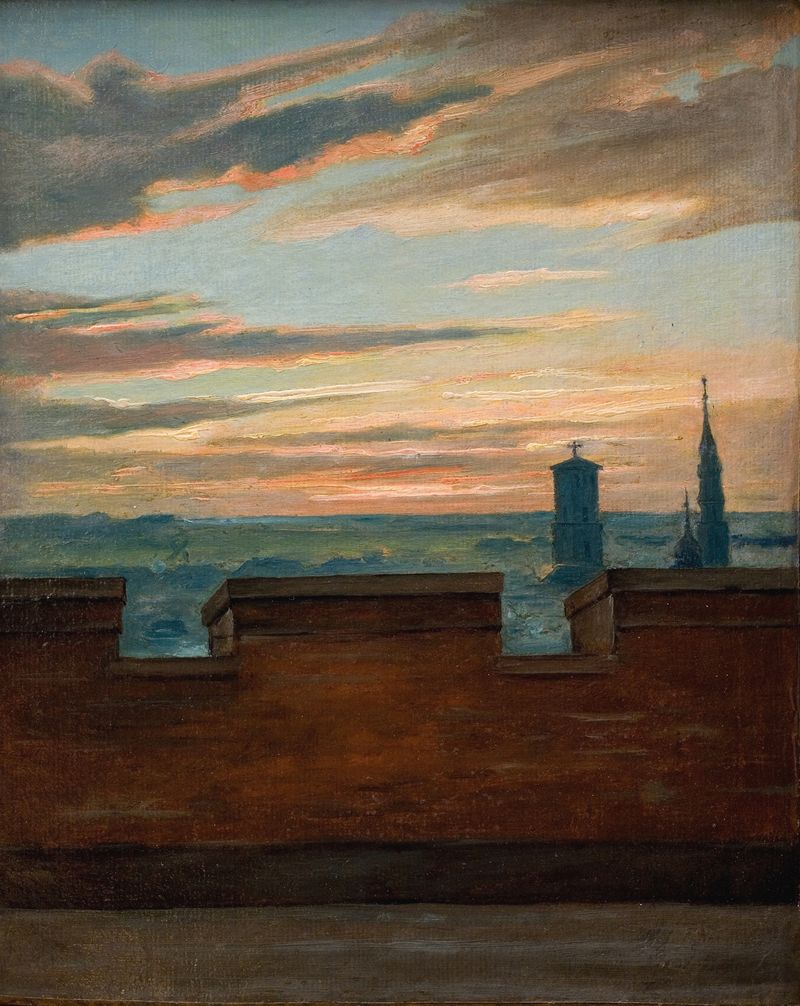
View of Copenhagen at Sunset
Martinus Rørbye
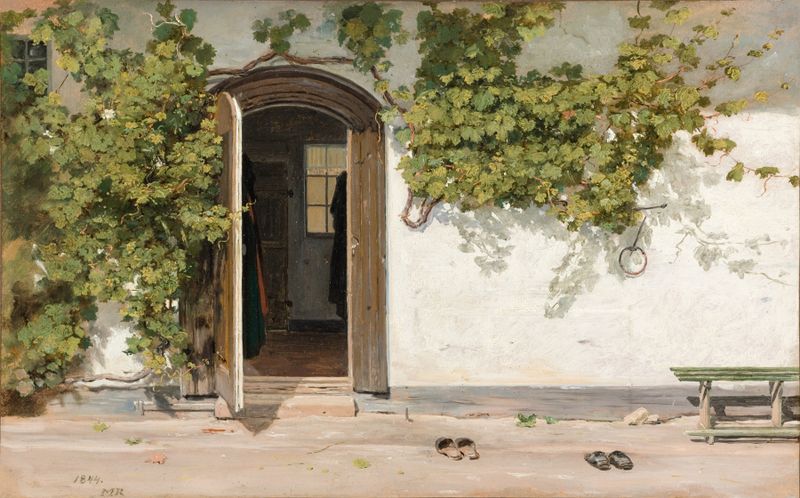
Entrance to an Inn in the Praestegarden at Hillested
Martinus Rørbye
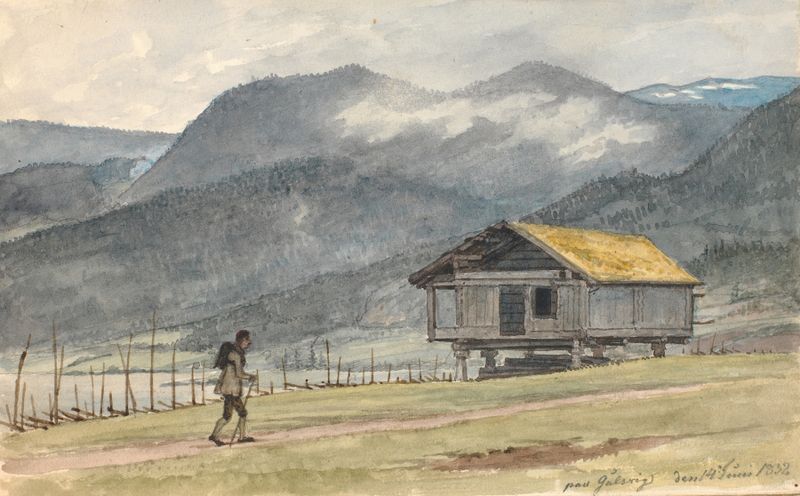
Fjeldlandskab med hytte og vandrer
Martinus Rørbye
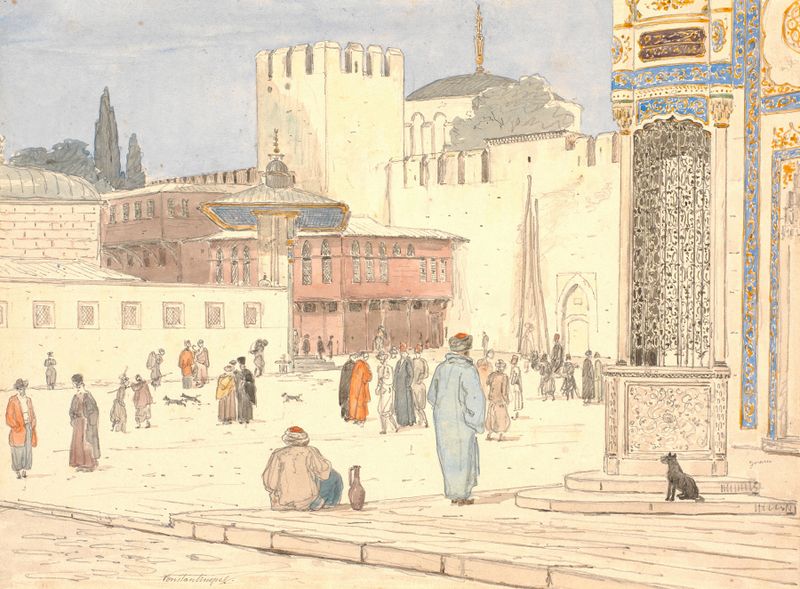
The Square in Front of Bab-i-Hümayan in Constantinople
Martinus Rørbye
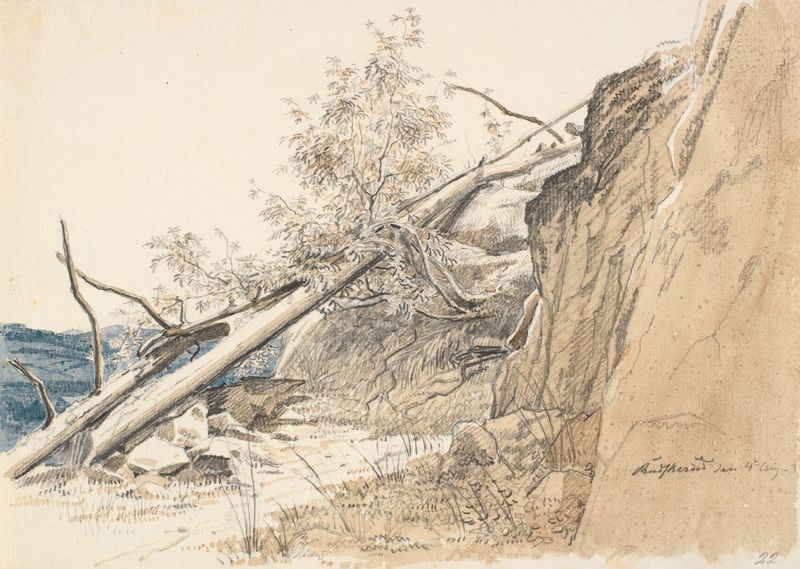
Tree Trunk Leaning Against a Rock. Norway
Martinus Rørbye
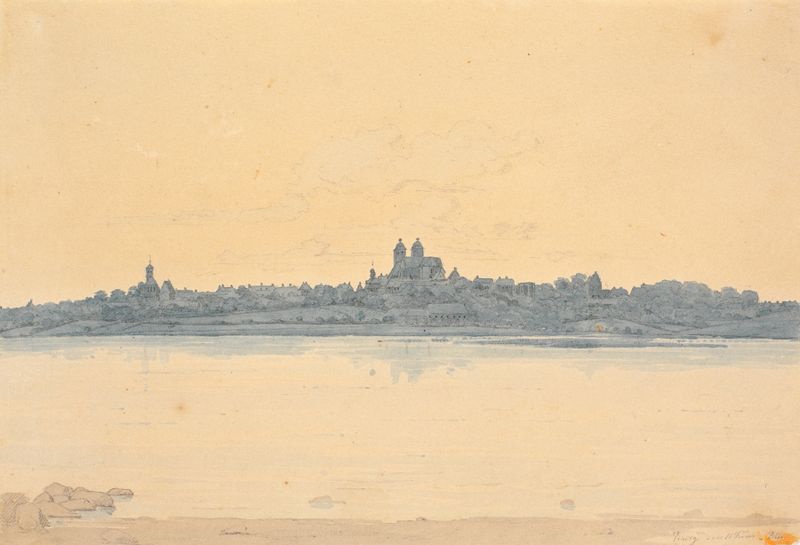
Viborg Seen from Asmild Klosterhave near Søndersø
Martinus Rørbye





