
Et vandfald ved Liselund på Møn — History & Facts
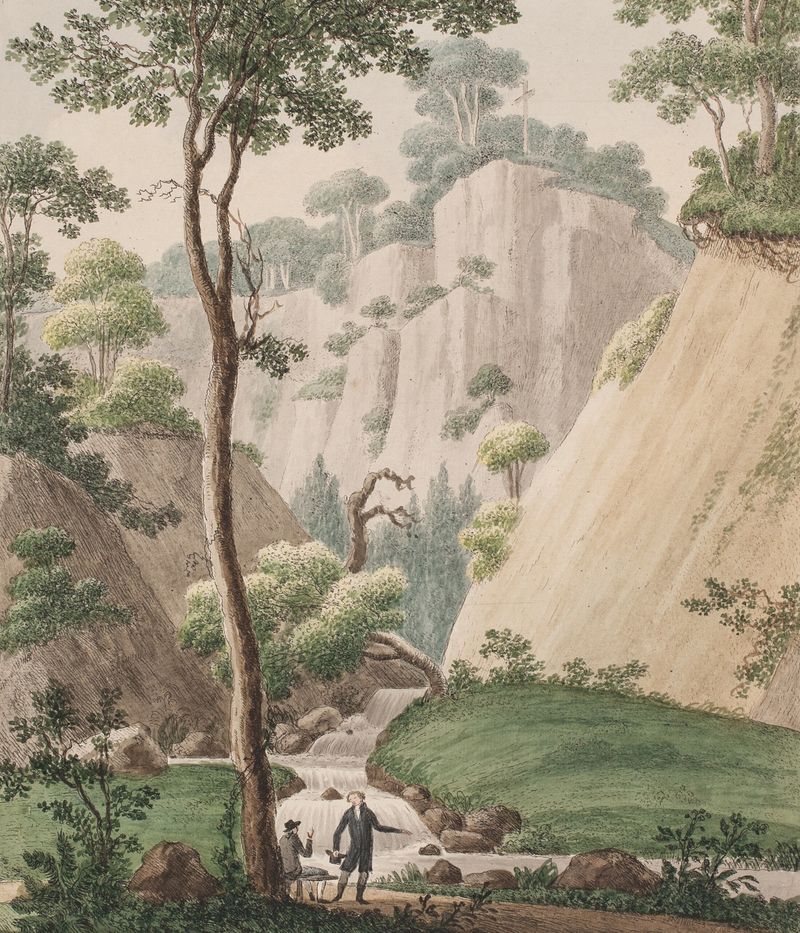
It is in the quiet shadows of nature where hope lingers, waiting to be discovered among the vibrant greens and cool blues of the landscape. Look to the left at the gentle cascade of the waterfall, its crystalline waters tumbling over stones. Note how the artist deftly captures the play of light filtering through the leaves, creating a dance of reflections that breathe life into stillness. The rich greens of the foliage contrast with the cool blues of the water, a harmonious balance that invites the viewer to feel both tranquility and movement in equal measure. Delve deeper into the painting, and you’ll find subtle contrasts that evoke emotional tension.
The serene beauty of the scene belies an undercurrent of struggle; the water’s relentless flow symbolizes persistence, while the lush greenery suggests the promise of growth and renewal. Each brushstroke speaks of nature’s resilience, hinting at a deeper message of hope amidst adversity, a notion that resonates universally. Søren L. Lange created Et vandfald ved Liselund på Møn between 1804 and 1805 during a period marked by Romantic ideals in art.
Living in Denmark, Lange was influenced by the natural landscapes of his homeland, which were often intertwined with philosophical explorations of emotion and the sublime. This artwork reflects the artist's engagement with nature, capturing not only a moment in time but also the spirit of an era that celebrated the beauty and complexity of the world around him.
More Artworks by Søren L. Lange
Browse all →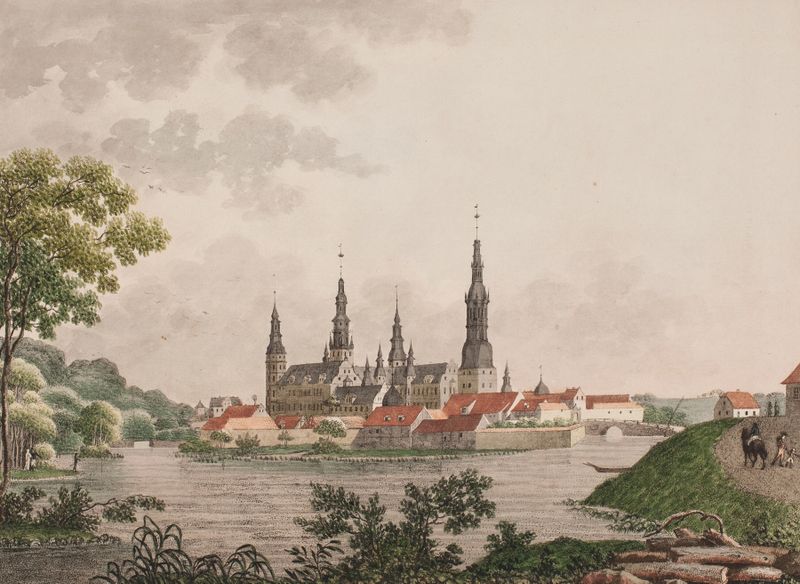
Prospekt af det kongelige slot Frederiksborg på Sjælland
Søren L. Lange
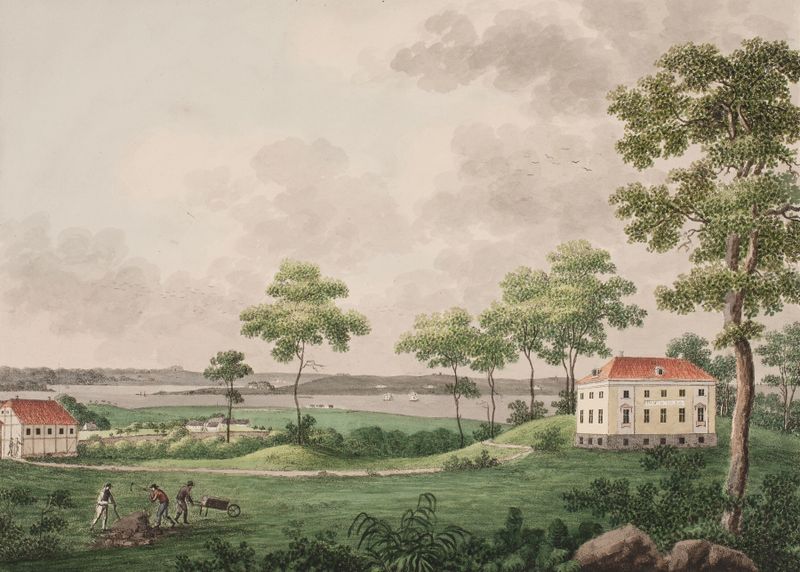
Udsigt af en Parcelle ved Grønsund på Falster under det Classenske Agerdyrknings Institut
Søren L. Lange
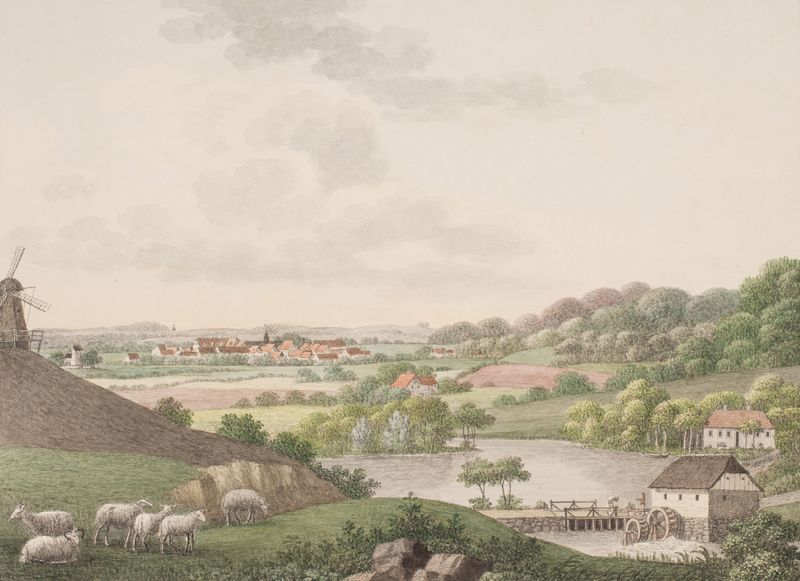
Christiansfeld, fra den østlige side
Søren L. Lange
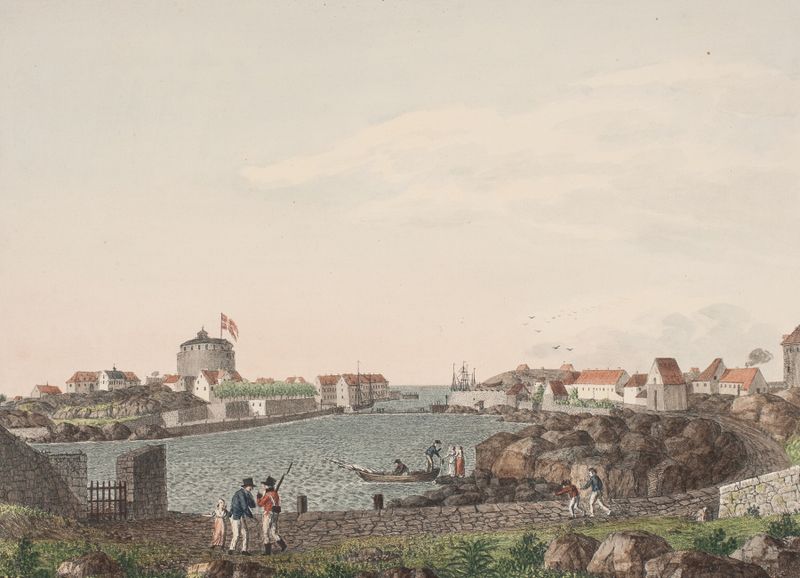
Christiansø. Nordhavnen
Søren L. Lange
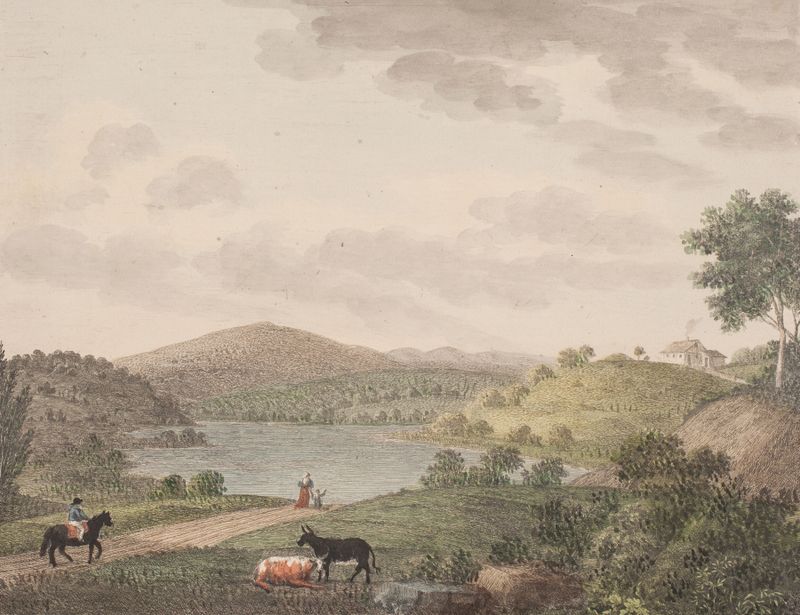
Aborrebjerget. En udsigt på Møn
Søren L. Lange
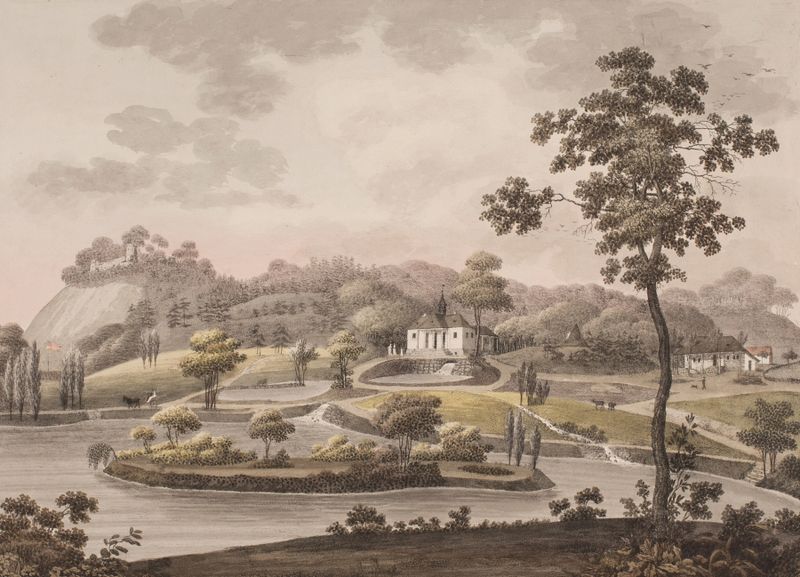
Liselund på Møn i Danmark
Søren L. Lange
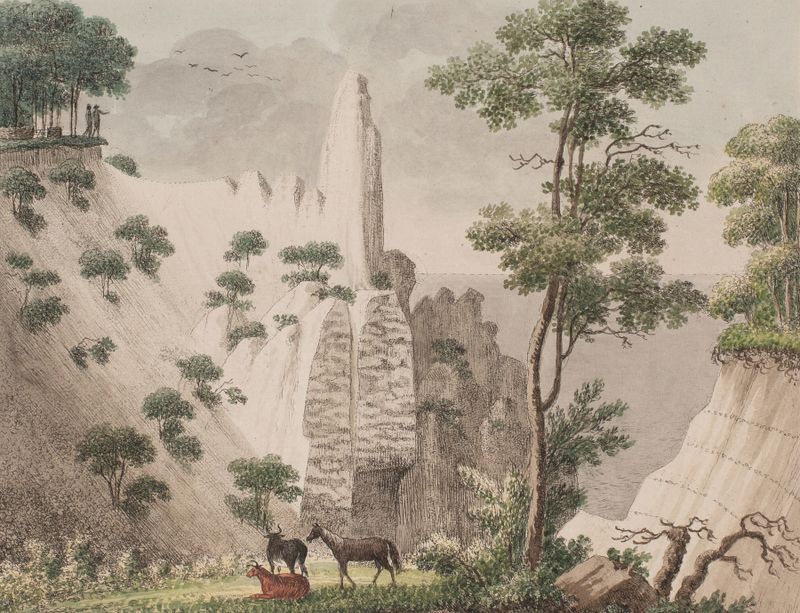
Udsigt af Sommerspiret i kridtbjergene på Møn
Søren L. Lange
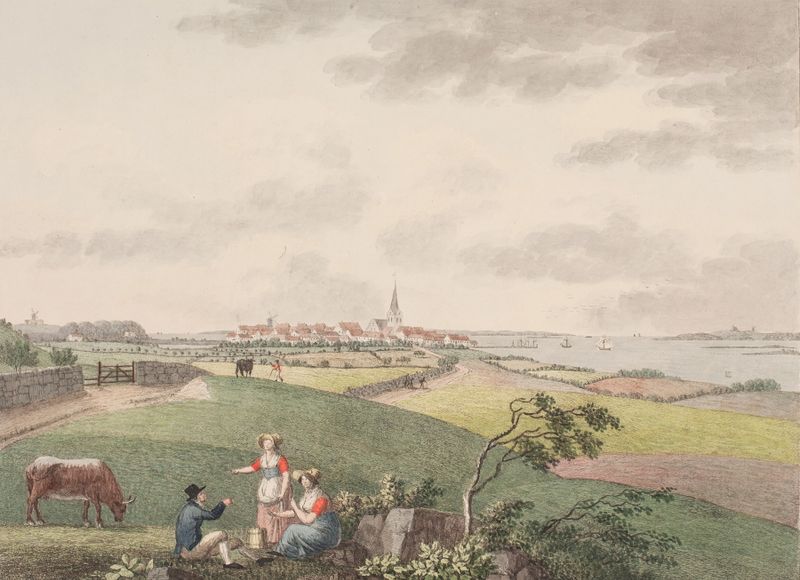
Rudkøbing på Langeland
Søren L. Lange
Hesselagergaard på Fyn
Søren L. Lange
En udsigt ved Liselund på Møen
Søren L. Lange





